Garden Cost Calculator – Plan Your Dream Garden Budget for 2025
Table of contents
Garden Cost Calculator: Complete Guide to Planning Your Dream Garden Budget in 2025
Planning a garden transformation but worried about unexpected costs? Our comprehensive garden cost calculator takes the guesswork out of budgeting for your outdoor paradise. Whether you're dreaming of a modern garden design space or a lush traditional garden, understanding the proportional investment helps you make informed decisions and avoid costly surprises.

This garden budget planner is based on simplified assumptions and serves estimation purposes only. Results may vary from actual costs due to specific site conditions, preferences, or chosen solutions.
Why Use a Garden Cost Calculator?
Garden planning calculators have become essential tools for homeowners who want to avoid the common pitfall of budget overruns. Studies show that 73% of landscape projects exceed their initial budget by 20-40% when proper planning isn't done upfront. Our calculator helps you:
- Get realistic proportional estimates before committing to contractors
- Compare different design options within your budget range
- Plan project phases to spread costs over time
- Negotiate better deals with accurate baseline knowledge
- Avoid common expensive mistakes that drain budgets
Ready to Create Your Dream Garden?
Planning your garden transformation doesn't have to be overwhelming when you have the right tools and expert guidance. Our comprehensive cost calculator gives you the foundation for smart budgeting decisions. Take the next step and explore our comprehensive garden design services and discover how expert planning can bring your landscaping vision to life.

How to Calculate Garden Design Cost: The Complete Breakdown
Creating your dream garden makeover involves understanding multiple cost categories and their relative importance. Professional landscape design costs vary dramatically based on complexity, materials, and regional factors. Here's everything you need to know about garden installation costs and their proportional distribution.
Understanding Garden Budget Allocation
When developing a comprehensive garden design concept, typical project budget distribution follows these patterns:
- Site preparation and groundwork: 15-25% of total budget
- Hardscaping elements: 35-50% of total budget
- Softscaping and planting: 20-30% of total budget
- Systems and utilities: 10-20% of total budget
- Finishing touches and accessories: 5-15% of total budget
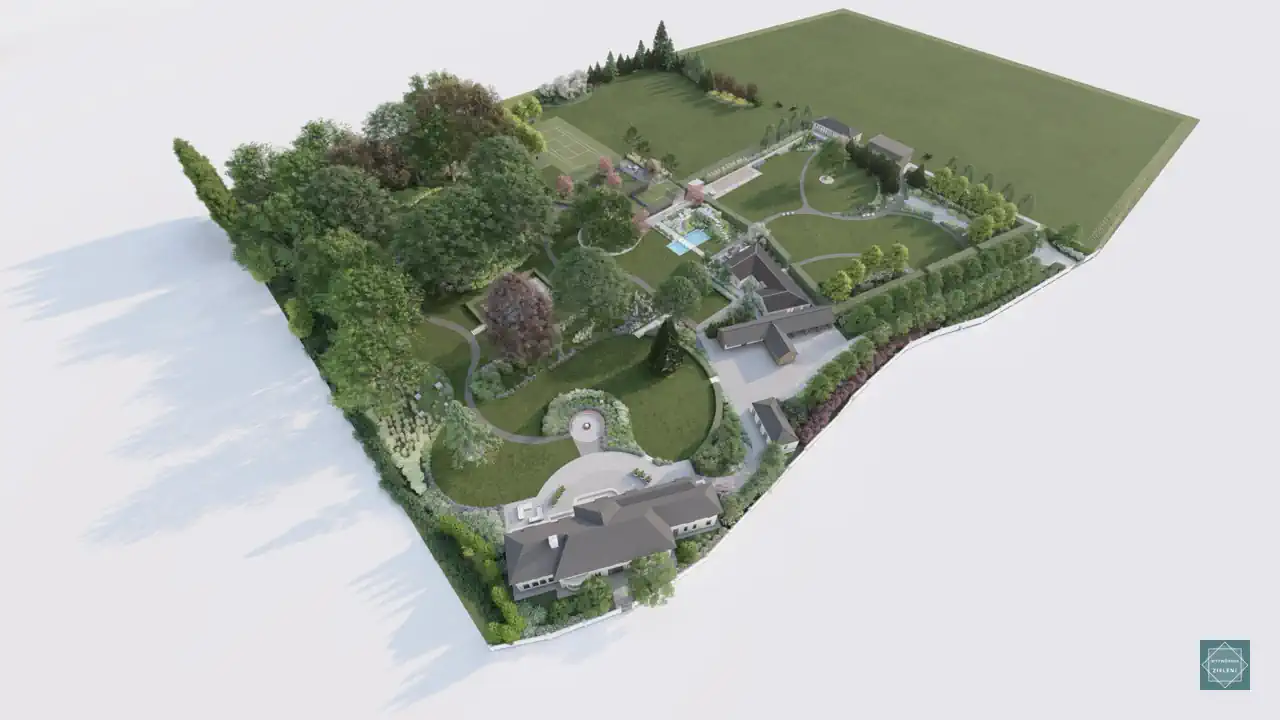
1. Site Analysis and Preparation Costs (Budget-Friendly Foundation)
Before any beautiful transformation begins, your property needs proper preparation. Complete backyard planning should allocate 15-25% for site work - this is considered moderately expensive but essential:
Soil Testing and Analysis (Low Cost Investment)
Professional soil testing represents less than 2% of most garden budgets but can prevent expensive mistakes worth 10-20% of your total investment later. Using a soil calculator for accurate planning helps determine exact amendment requirements.
Site Clearing and Debris Removal (Variable Cost)
Depending on your site conditions, this can range from very affordable (minimal clearing needed) to moderately expensive (extensive removal required). Budget flexibility of 3-8% of total project cost.
Grading and Leveling (Moderate to High Cost)
Proper drainage prevention is expensive upfront but saves significantly long-term. This investment typically represents 8-15% of your total budget but prevents costly water damage. Consider using a drainage cost calculator to estimate these essential improvements.
Utility Marking and Protection (Low Cost, High Value)
This inexpensive safety step (less than 1% of budget) prevents expensive utility line damage that could cost 15-25% of your project budget.

2. Hardscaping: The Foundation of Great Gardens (Highest Budget Category)
Modern garden design costs often center around hardscaping elements, which typically consume 35-50% of your total budget. Effective garden zoning strategies help optimize this significant investment:
Patios and Outdoor Living Spaces (Cost Range: Moderate to Very High)
- Basic concrete options: Most budget-friendly choice
- Stamped concrete: Moderate cost - approximately 50-75% more than basic
- Natural stone: High-end investment - 200-300% more than basic options
- Premium materials: Luxury category - 400-500% more than basic concrete
Walkways and Pathways (Cost Range: Low to High)
- Gravel paths: Most economical option
- Brick or concrete pavers: Mid-range investment - 300-400% more than gravel
- Natural stone: Premium choice - 500-700% more than gravel
- Decorative stepping stones: Moderate to high - 400-600% more than gravel
For accurate estimates, a paving cost estimation tool can help determine material quantities and associated costs.
Retaining Walls and Structures (Cost Range: Moderate to Very High)
- Basic concrete block: Most affordable structural option
- Natural stone veneer: Mid-to-high range - 60-80% more than basic
- Engineered stone systems: Premium investment - 100-150% more than basic
Water Features (Cost Range: Moderate to Extremely High)
- Simple fountain: Moderate luxury addition
- Decorative pond: Significant investment - 200-400% more than fountains
- Swimming pool integration: Major budget commitment - represents 40-60% of total landscape budget
3. Softscaping: Bringing Life to Your Space (Moderate Budget Impact)
Backyard renovation budgets typically allocate 20-30% for living elements that create garden magic:
Lawn Installation Options (Cost Comparison)
- Seeded lawn: Most economical choice
- Sod installation: Moderate investment - 200-300% more than seeding
- Artificial grass: High upfront, low maintenance - 1,000-1,500% more initial cost but 80% lower long-term maintenance
Trees and Major Plantings (Variable Investment Range)
- Small ornamental trees: Budget-friendly landscape impact
- Large shade trees: Moderate to high investment - 300-500% more than small trees
- Mature specimen trees: Luxury landscape feature - 1,000-2,000% more than small trees
- Professional planting service: Adds 25-40% to plant costs but ensures 85% success rate
Garden Beds and Borders (Cost Flexibility)
- Basic plant installation: Most affordable softscaping option
- Premium perennial gardens: Mid-range investment - 80-100% more than basic
- Specialty gardens: High-end choice - 150-200% more than basic
- Annual flower displays: Moderate cost with ongoing expense - 25-50% more than basic plus annual replacement
Proper soil preparation is crucial for success. A mulch coverage calculator helps determine material needs for bed finishing.
4. Essential Garden Systems (Often Underestimated Category)
Garden planning calculator results should include these systems representing 10-20% of total budget:
Irrigation and Drainage (Moderate to High Investment)
- Basic sprinkler system: Standard investment for most gardens
- Drip irrigation: Eco-friendly, moderate cost - 40-60% less than sprinklers
- Smart irrigation controllers: Small upgrade, big savings - adds 15-20% to system cost, saves 30-50% on water bills
- French drain installation: Problem-solving investment - expensive upfront but prevents costly damage
Use an irrigation cost calculator to estimate system requirements and ongoing operational costs.
Landscape Lighting (Wide Cost Range)
- Basic pathway lighting: Affordable enhancement
- Comprehensive lighting design: Moderate to high investment - 200-300% more than basic
- Premium smart lighting systems: Luxury feature - 400-600% more than basic
Outdoor Power and Utilities (Necessary Investments)
- Basic electrical outlets: Standard moderate cost
- Outdoor kitchen electrical: Significant investment - 500-800% more than basic outlets
- Gas line installation: Specialized moderate cost per appliance connection
Regional Cost Variations: Understanding Market Differences
Landscaping cost estimator tools must account for significant regional variations:
High-Cost Markets (Major Cities, Coastal Areas)
- Labor rates: 50-100% above national average
- Material costs: 25-40% premium over standard markets
- Permit requirements: More extensive and expensive
Moderate-Cost Markets (Suburban Areas, Mid-Size Cities)
- Labor rates: Close to national average
- Material costs: Standard market pricing
- Permit processes: Reasonable and predictable
Lower-Cost Markets (Rural Areas, Some Regional Markets)
- Labor rates: 20-40% below national average
- Material availability: May require shipping premiums
- Contractor selection: More limited but often more affordable
Seasonal Timing: Maximize Value Through Smart Scheduling
Strategic garden budget planning considers seasonal cost fluctuations:
Spring (Peak Demand = Peak Pricing)
- Contractor availability: Most limited
- Material costs: Highest of the year
- Plant selection: Best variety available
- Expect to pay 15-25% premium during peak season
Summer (Variable Market Conditions)
- Hardscaping projects: Optimal timing
- Plant installation: Requires extra care investment
- Water features: High demand period
Fall (Best Value Season)
- Contractor availability: Much improved
- Material discounts: Common savings of 10-20%
- Plant installation: Excellent conditions, lower costs
Winter (Lowest Investment Period)
- Planning and design: Best time for preparation
- Material purchasing: Significant discounts available
- Contractor scheduling: Maximum flexibility and competitive pricing
Hidden Costs: What Most Calculators Miss (Budget 10-15% Extra)
Professional garden cost calculators should include these often-forgotten expenses:
Permits and Inspections
Impact Level: Low to Moderate - varies by project scope and local requirements
Site Access and Protection
Impact Level: Low to High - depends on property accessibility and existing landscape protection needs
Soil Amendments and Preparation
Impact Level: Moderate - essential for plant success but often underestimated at 5-10% of planting budget
Initial Maintenance and Establishment
Impact Level: Moderate - first-year plant care typically costs 15-25% of installation investment
Utility Adjustments
Impact Level: Low to Moderate - relocating existing systems to accommodate new design
DIY vs. Professional: Making Smart Investment Choices
Outdoor space cost calculators should help identify optimal task allocation. When choosing the right landscaping contractor, consider these factors:
Excellent DIY Opportunities (40-70% Cost Savings)
- Simple plant installation and basic maintenance
- Mulching and seasonal care tasks
- Simple pathway and border installation
- Basic garden bed preparation and soil amendment
Professional Recommended (Safety and Quality Priority)
- Major grading, drainage, and structural work
- All electrical and plumbing installations
- Large tree installation and major hardscaping
- Complex irrigation system installation
Hybrid Approach Benefits
Many successful projects use strategic combination - professional design and complex installation with DIY finishing touches, achieving 20-30% overall savings while maintaining quality.
Financing Your Garden Project: Smart Investment Strategies
Modern garden design costs can be managed through strategic financial planning:
Phased Implementation (Most Popular Strategy)
Spread major investments over 2-3 seasons:
- Phase 1 (40-50% of budget): Site prep and major hardscaping
- Phase 2 (30-35% of budget): Planting and irrigation systems
- Phase 3 (15-25% of budget): Finishing touches and enhancements
Seasonal Payment Planning
Coordinate investments with optimal timing:
- Winter/Early Spring: Design and planning investment
- Spring/Summer: Major installation phases
- Fall: Completion and establishment care
Investment Financing Options
- Home equity solutions: Generally offer most favorable terms
- Personal financing: Quick approval but higher costs
- Contractor financing: Often features promotional rates
Return on Investment: Understanding Garden Value (Long-Term Perspective)
Garden installation costs should be viewed as property and lifestyle investments:
Immediate Property Value Impact
- Well-designed landscapes typically add 10-15% to property value
- Professional design premium can increase value by additional 5-8%
- Mature landscape features command highest market premiums
Long-Term Investment Appreciation
- Quality landscapes appreciate 3-5% annually above general property values
- Mature trees provide exponential value growth over 10-20 year periods
- Low-maintenance designs offer best long-term cost efficiency
Lifestyle and Utility Benefits (Harder to Quantify)
- Energy cost reductions from strategic plant placement
- Outdoor entertainment value extending usable living space
- Personal wellbeing benefits from garden interaction and outdoor time
Common Budgeting Mistakes to Avoid
Learn from expensive errors others have made:
Underestimating Ongoing Care (Most Common Error)
Annual maintenance typically requires 10-15% of original installation investment
False Economy in Material Selection
Premium materials cost 20-30% more initially but typically last 200-300% longer than budget alternatives
Drainage Neglect (Most Expensive Mistake)
Poor drainage can destroy 50-80% of landscape investment in single severe weather event
Inappropriate Plant Selection
Wrong plant choices result in 50-80% replacement needs within first 2-3 years
Technology Integration: Smart Garden Investment Considerations
Modern garden planning calculators should consider technological enhancements:
Smart Irrigation Systems (High Value Investment)
- Initial cost premium of 30-40% over standard systems
- Water savings of 20-30% provide 2-4 year payback period
- Maintenance reduction of 40-50% through automated monitoring
Outdoor Entertainment Integration (Luxury Category)
- Moderate to high investment depending on sophistication level
- Weather-resistant systems command significant premium over indoor equivalents
- Professional installation essential for longevity and performance
Security and Monitoring Features (Moderate Investment)
- Landscape-integrated security adds 15-25% to lighting costs
- Smart monitoring systems provide both convenience and security value
- Integration benefits when planned during initial installation phase
Sustainability: Long-Term Cost Efficiency Through Smart Choices
Eco-friendly garden design offers compelling long-term economics:
Native Plant Selection (High Long-Term Value)
- 50-80% reduction in ongoing water requirements
- Minimal fertilizer needs reducing annual maintenance costs
- Natural pest resistance eliminating expensive chemical treatments
- Higher survival rates reducing replacement costs by 60-80%
Water Conservation Systems (Moderate Investment, High Returns)
- Rainwater harvesting systems typically pay for themselves in 3-5 years
- Drought-resistant design reduces water costs by 40-60%
- Smart irrigation technology provides 20-30% additional efficiency gains
Solar-Powered Features (Premium Investment)
- Higher initial costs but eliminate ongoing operational expenses
- Solar lighting and water features offer energy independence
- Maintenance-free operation after installation period
Professional vs. DIY Decision Framework
Use this cost-benefit analysis for each project component:
Choose Professional Services When:
- Mistake correction costs exceed 50% of professional service fee
- Safety risks are significant (electrical, structural, heavy equipment)
- Specialized knowledge required for proper execution
- Warranty and insurance coverage provide important protection
- Time investment exceeds personal availability for quality completion
DIY Appropriate When:
- Skill level matches project requirements for quality results
- Cost savings exceed 40% after accounting for tool and material costs
- Time investment reasonable for available schedule
- Learning experience provides personal value beyond cost saving
- Mistake consequences are manageable and correctable
Final Investment Planning Recommendations
For successful garden project budget development:
- Reserve 20% contingency fund for unexpected discoveries and opportunities
- Obtain multiple detailed estimates for major project components
- Plan major investments across multiple seasons for cash flow management
- Invest in professional design consultation early to avoid expensive changes later
- Consider long-term maintenance implications in all material and plant selections
Transform Your Garden with Expert Planning
Understanding proportional costs, seasonal timing, and investment strategies through our comprehensive garden cost calculator provides the foundation for making informed decisions about your outdoor space transformation. Working with an experienced landscape architecture firm ensures professional guidance throughout your project journey.
Remember that exceptional gardens represent investments in your lifestyle, property value, and personal wellbeing. Whether you're planning a modest refresh or complete backyard renovation, understanding the relative costs and value relationships empowers you to make decisions that deliver both immediate satisfaction and long-term value.
The key to successful garden investment lies not in finding the cheapest options, but in understanding where to invest for maximum impact and where smart savings can be achieved without compromising quality or longevity.
Great gardens are created through informed decisions, strategic timing, and understanding the balance between investment and value. Start with our calculator to understand proportional costs, then work with professionals to create detailed plans that turn your vision into reality within a budget that makes sense for your goals and circumstances.
Don't wait, click below and find out how much a garden design costs!

Wytwórnia Zieleni | Garden Design
KRS 0001107384 NIP 6452587627 REGON 528715049 St. Strzelców Bytomskich 51/1 42-600 Tarnowskie Gory, Poland
Resources
© Wytwórnia Zieleni 2026


