Garden drainage calculator - estimate your drainage system cost
Table of contents
Proper garden drainage is essential for maintaining a healthy landscape and protecting your property from water damage. Whether you're dealing with pooling water, soggy lawns, or flooding issues, our comprehensive garden drainage calculator helps you plan and budget for an effective drainage solution.
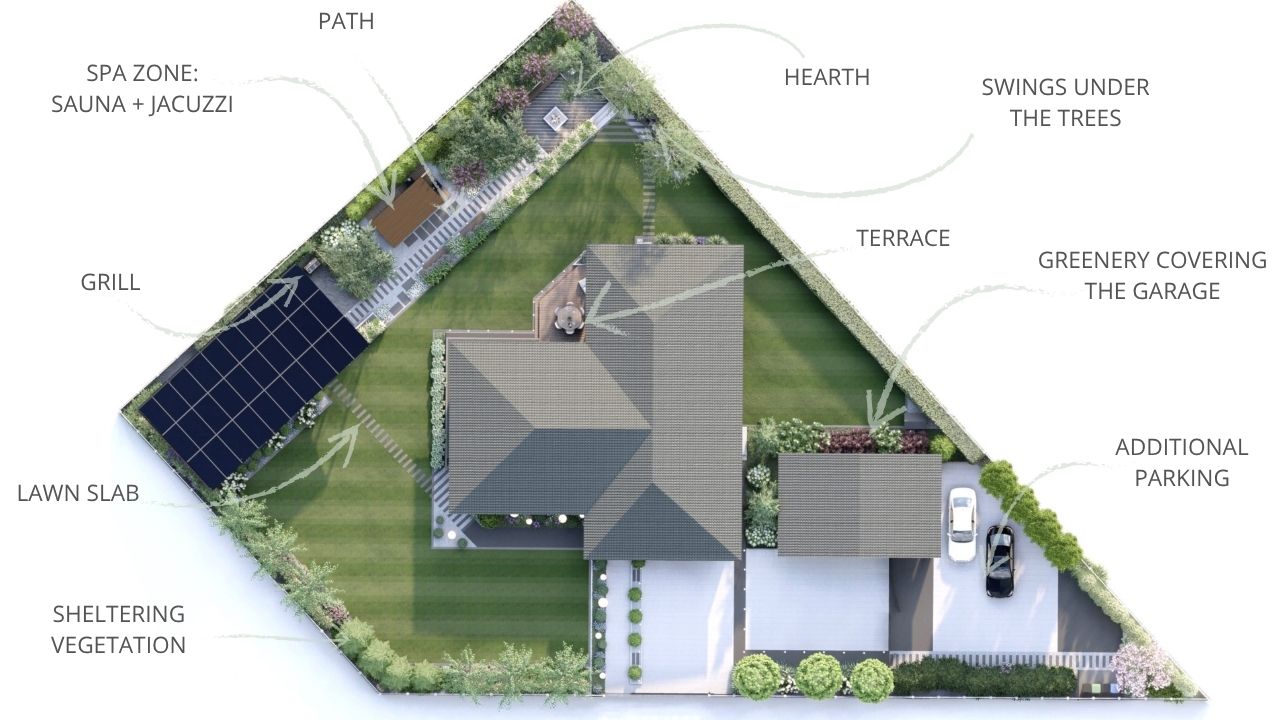
Professional landscape design services often begin with proper drainage planning to ensure long-term garden success.
What is a garden drainage calculator?
A garden drainage calculator is a specialized tool designed to help homeowners, landscapers, and contractors estimate the materials and costs required for installing drainage systems.
By inputting key parameters such as plot area, drainage type, and local soil conditions, the calculator provides accurate estimates for sand, gravel, pipes, and other essential materials needed for your project. For comprehensive planning, consider using our soil calculator to assess ground conditions before installation.
Our advanced calculator supports both metric and imperial units, making it accessible for users across different regions. The tool accounts for various drainage configurations, from simple surface drainage to complex combined systems that integrate both linear and surface water management solutions. When planning your complete project, explore our landscape pricing calculator for comprehensive budget estimation.
Types of garden drainage systems
Understanding different drainage system types is crucial for selecting the right solution for your property. Each system serves specific purposes and works best under particular soil and topographical conditions.
Surface drainage systems
Surface drainage focuses on managing water that accumulates on top of the ground. This system typically involves creating shallow channels or installing permeable layers that allow water to infiltrate gradually into the soil rather than running off to cause erosion or flooding.

The most common approach involves installing a sand layer of varying thickness (typically 2-8 inches or 5-20 cm) across the affected area. This layer acts as a filter medium, allowing water to percolate downward while preventing soil compaction and improving overall drainage capacity. For projects requiring additional materials, use our mulch calculator to estimate coverage needs for surrounding landscaped areas.
Surface drainage works particularly well for:
- Level or gently sloping areas
- Gardens with clay-heavy soils
- Areas prone to surface water pooling
- Locations where aesthetic considerations are important
Effective surface drainage often requires proper ground preparation to ensure optimal water infiltration and long-term system performance.
Linear drainage systems
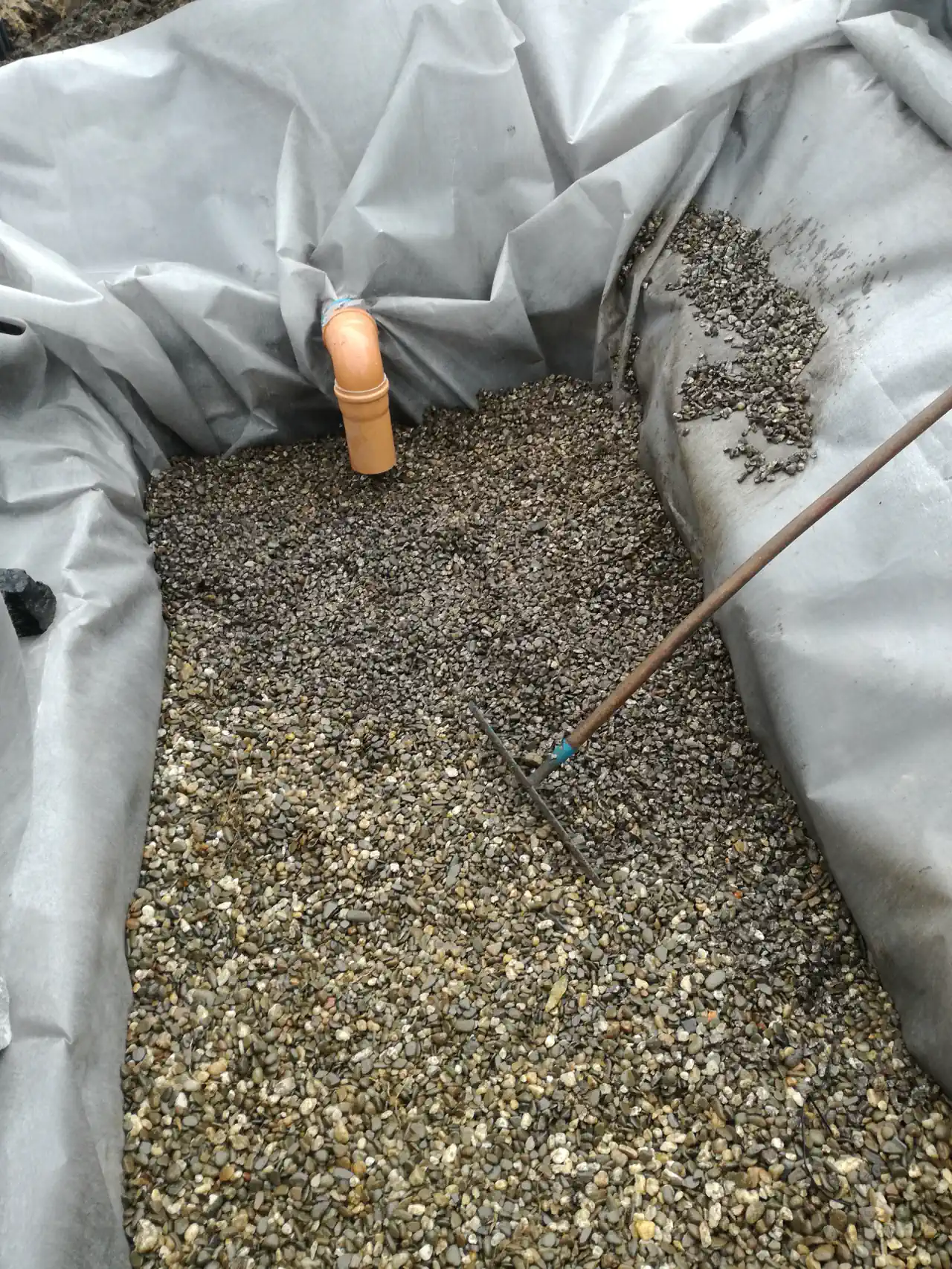
Linear drainage, also known as channel or trench drainage, involves installing perforated pipes in gravel-filled trenches. This system actively collects and redirects water through an underground network, making it highly effective for managing larger volumes of water runoff.
Linear drainage installation showing perforated pipe placement in gravel-filled trench
The system typically consists of:
- Perforated drainage pipes (usually 4 inches or 100mm diameter)
- Gravel bedding and backfill material
- Geotextile fabric to prevent soil infiltration
- Connection points to disposal systems
Linear drainage excels in:
- Sloped terrain where water flow is concentrated
- Areas receiving runoff from roofs or paved surfaces
- Properties requiring rapid water removal
- Locations where surface drainage would be insufficient
For comprehensive water management, consider integrating linear drainage with garden irrigation systems to create an efficient water circulation network.
Combined drainage systems
Many properties benefit from combining both surface and linear drainage approaches. This comprehensive solution addresses multiple water management challenges simultaneously, providing redundancy and enhanced effectiveness during heavy rainfall events.
Combined drainage system showing both surface sand layer and linear pipe installation
Combined systems offer several advantages:
- Maximum water handling capacity
- Flexibility for varying weather conditions
- Comprehensive protection against different types of water issues
- Long-term reliability and performance
Water disposal options
The effectiveness of any drainage system depends heavily on proper water disposal. Our calculator accounts for five primary disposal methods, each suited to different soil conditions and local regulations.
Natural infiltration
In areas with naturally permeable soils, water can be allowed to infiltrate directly into the ground without additional infrastructure. This environmentally friendly approach works best in sandy or loamy soils with good natural drainage characteristics.
Drainage ditches
Traditional drainage ditches provide a cost-effective solution for properties with adequate space and appropriate topography. Water collected by the drainage system is directed to these channels, which carry it away from the protected area.
Rainwater collection tanks
Increasingly popular for water conservation, rainwater tanks capture and store drainage water for future use in irrigation or other non-potable applications. This approach reduces both drainage burden and water consumption. Learn more about implementing rainwater harvesting systems to maximize your water efficiency.
Rainwater collection tank connected to garden drainage system for water harvesting
Small soakaways (1 cubic meter or yard)
Small soakaways work well for moderately permeable soils where natural infiltration is possible but needs assistance. These systems temporarily store water and release it gradually into the surrounding soil.
Large soakaways (3 cubic meters or yards)
For areas with lower soil permeability or higher water volumes, larger soakaways provide increased storage capacity and longer infiltration time. These systems are particularly valuable for properties with clay soils or limited natural drainage.
Large soakaway installation with modular crate system for enhanced water storage
How to use the garden drainage calculator
Our calculator streamlines the planning process by guiding you through each crucial decision point. The tool's intuitive interface makes complex drainage calculations accessible to users regardless of their technical background. For detailed project planning guidance, explore our comprehensive garden project planning resource.
Step 1: Configure your settings
Begin by selecting your preferred unit system (metric or imperial) and currency. The calculator automatically converts all measurements and costs to match your selections, ensuring consistency throughout your planning process.
Step 2: Enter plot dimensions
Input your plot area accurately, as this measurement forms the foundation for all subsequent calculations. For irregular shapes, calculate the total area by breaking the space into rectangular sections and adding them together. When planning from the beginning, our start garden from scratch guide provides comprehensive site preparation strategies.
Step 3: Select drainage type
Choose from three options based on your specific needs:
- Surface drainage only: Ideal for minor water pooling issues
- Linear drainage only: Best for concentrated water flow problems
- Combined system: Recommended for comprehensive water management
Step 4: Specify system parameters
Depending on your drainage type selection, configure the relevant parameters:
For surface drainage:
- Sand layer thickness (2-8 inches or 5-20 cm)
- Custom thickness options for specific requirements
For linear drainage:
- Pipe spacing intervals (6-13 feet or 2-4 meters)
- Custom spacing for unique site conditions
Step 5: Choose water disposal method
Select the most appropriate disposal option based on your soil conditions, local regulations, and personal preferences. The calculator automatically adjusts material requirements and costs based on your selection. For ongoing water management, consider our garden water cost calculator to budget for long-term irrigation needs.
Garden drainage calculator interface showing various input options and real-time cost updates
Material requirements and costs
Understanding the materials involved in drainage installation helps you make informed decisions and budget accurately for your project.
Sand and aggregate materials
Sand serves as the primary filtering medium in surface drainage systems. The calculator estimates requirements based on your specified area and thickness, accounting for proper compaction and settling. Quality drainage sand typically costs $20-30 per cubic yard or meter, depending on your location and supplier.
Drainage pipes and fittings
Perforated drainage pipes, usually 4-inch (100mm) diameter, form the backbone of linear systems. High-quality corrugated or smooth-wall pipes range from $2-4 per linear foot or meter. The calculator includes allowances for fittings, joints, and connection hardware.
Various drainage pipes and fittings arranged for garden installation project
Gravel and stone products
Gravel provides structural support and additional filtration in linear drainage systems. The calculator determines the required volume based on standard trench dimensions (16 inches or 40cm wide by 16 inches or 40cm deep). Drainage gravel typically costs $30-50 per cubic yard or meter.
Geotextile fabric
Geotextile fabric prevents soil infiltration while allowing water passage, essential for long-term system performance. Professional-grade fabric costs approximately $3-5 per linear foot or meter and significantly extends system lifespan by preventing clogging.
Cost estimation factors
Several variables influence the total cost of garden drainage installation, and our calculator accounts for the most significant factors affecting project expenses.
Regional price variations
Material and labor costs vary significantly by geographic region. Urban areas typically command higher prices due to increased demand and transportation costs, while rural locations may offer more competitive pricing but potentially limited supplier options.
Soil conditions and accessibility
Easy-access locations with favorable soil conditions require minimal equipment and labor, keeping costs lower. Challenging sites with rocky soil, tight access, or existing landscaping may require specialized equipment and additional labor hours.
System complexity and customization
Basic drainage systems following standard configurations cost less than custom solutions requiring unique pipe routing, multiple disposal points, or integration with existing infrastructure. The calculator provides baseline estimates that may require adjustment for complex installations. For professional assistance, consult our landscape architecture firm for expert system design and optimization.
Professional drainage installation crew working on complex garden drainage system
Seasonal timing considerations
Installation timing affects both material availability and labor costs. Spring and early summer typically see higher demand and prices, while fall and winter installations may offer cost advantages in many regions.
Planning your drainage project
Successful drainage installation requires careful planning beyond simple cost calculation. Consider these essential factors when preparing your project.
Site assessment and soil testing
Before finalizing your drainage design, conduct a thorough site assessment including soil percolation testing. This evaluation determines whether your chosen disposal method will function effectively and may influence system sizing requirements.
Permit requirements and regulations
Many jurisdictions require permits for significant drainage work, particularly when connecting to municipal systems or altering natural water flow patterns. Research local requirements early in the planning process to avoid delays and additional costs. Creating detailed technical garden plans can streamline the permit application process.
Integration with existing landscaping
Plan your drainage installation to minimize disruption to existing gardens, hardscaping, and utilities. Consider scheduling installation during dormant seasons for planted areas and coordinate with other landscape improvement projects.
Garden drainage planning documentation with site maps and material specifications
Professional consultation benefits
While our calculator provides accurate estimates for standard installations, complex sites or challenging conditions may benefit from professional consultation. Experienced contractors can identify potential issues and optimize system design for maximum effectiveness and longevity. Learn how to choose landscaping company that best fits your drainage project needs.
Maintenance and long-term considerations
Proper maintenance ensures your drainage system continues performing effectively for decades. Understanding maintenance requirements helps you budget for ongoing system care.
Regular inspection schedules
Annual inspections help identify potential issues before they become costly problems. Check surface drainage areas for settling or erosion, and verify that linear drainage outlets remain clear and functional.
Cleaning and flushing procedures
Linear drainage systems benefit from periodic flushing to remove accumulated sediment and debris. Plan for professional cleaning every 3-5 years, or more frequently in areas with heavy leaf fall or soil erosion.
Component replacement planning
While properly installed drainage systems last decades, individual components may require replacement. Budget for pipe repair or replacement every 15-20 years, and geotextile fabric replacement every 10-15 years in high-stress applications.
Drainage system maintenance showing pipe cleaning and inspection procedures
Environmental benefits of proper drainage
Beyond protecting your property, well-designed drainage systems provide significant environmental advantages that contribute to broader watershed health and sustainability.
Groundwater recharge enhancement
Properly designed drainage systems promote controlled infiltration, helping recharge local groundwater supplies rather than directing all runoff to storm sewers. This approach supports natural water cycles and reduces burden on municipal infrastructure.
Erosion prevention and soil conservation
Effective drainage prevents soil erosion by managing water flow velocity and direction. This protection preserves valuable topsoil and prevents sediment from entering waterways, supporting both garden health and environmental quality.
Habitat creation opportunities
Thoughtfully designed drainage systems can incorporate native plants and create micro-habitats that support local wildlife while managing water effectively. Rain gardens and bioswales exemplify this approach to functional, environmentally beneficial drainage.
Eco-friendly drainage system incorporating native plants and natural infiltration areas
Technology integration and smart drainage
Modern drainage systems increasingly incorporate technology for enhanced performance monitoring and automated operation, representing the future of residential water management.
Smart monitoring systems
Wireless sensors can monitor soil moisture, water levels, and system performance, providing real-time data to optimize drainage operation and identify maintenance needs before problems occur. These systems can integrate seamlessly with modern irrigation design for comprehensive water management automation.
Automated controls and valves
Automated valves and controls allow drainage systems to respond dynamically to changing conditions, maximizing efficiency while minimizing water waste during dry periods. Advanced systems can coordinate with garden water supply planning to create intelligent water conservation networks.
Transform your garden with professional drainage design
Effective drainage transforms problematic, waterlogged areas into thriving garden spaces that enhance your property's beauty and functionality. Our calculator provides the foundation for informed decision-making, but the expertise of professional designers ensures optimal results that stand the test of time. Understanding landscape design cost helps you budget effectively for comprehensive solutions.
Ready to solve your garden's drainage challenges? Get a professional garden design consultation and discover how expert planning can bring your landscaping vision to life.

Frequently asked questions
How accurate is the garden drainage calculator?
The calculator provides estimates based on standard installation practices and average material costs. Actual costs may vary by 10-20% depending on local conditions, supplier pricing, and specific site requirements. For precise quotes, consult local contractors using the calculator results as a baseline. When interviewing potential contractors, use our contractor questions guide to ensure you select qualified professionals.
What's the difference between surface and linear drainage?
Surface drainage manages water through permeable layers that allow gradual infiltration, while linear drainage actively collects and redirects water through pipe systems. Surface drainage works well for general water management, while linear drainage handles concentrated flow and rapid removal needs.
How do I know if my soil is suitable for a soakaway?
Conduct a percolation test by digging a hole 12 inches (30cm) deep, filling it with water, and timing how long it takes to drain. If water drains within 24 hours, soakaways are likely viable. Clay soils that retain water for days require alternative disposal methods.
Can I install garden drainage myself?
Simple surface drainage projects are often DIY-friendly, while linear drainage systems typically require professional installation. Consider factors like excavation depth, pipe routing complexity, and local permit requirements when deciding between DIY and professional installation. For major projects, establishing a proper landscaping contract protects both parties and ensures quality results.
How long do drainage systems last?
Properly installed drainage systems typically last 20-30 years with minimal maintenance. High-quality materials and professional installation extend system lifespan, while poor installation or inferior materials may require replacement within 10-15 years.
What maintenance does garden drainage require?
Annual visual inspections, periodic cleaning of outlet points, and occasional flushing of linear systems comprise typical maintenance requirements. Surface drainage areas may need sand replenishment every 5-10 years depending on settling and weather conditions.
How much does professional drainage installation cost?
Professional installation typically costs $15-40 per square foot ($160-430 per square meter) for surface drainage and $25-60 per linear foot ($80-200 per meter) for linear systems. Complex sites or premium materials may increase costs significantly.
Will drainage work affect my garden plants?
Proper drainage generally benefits plant health by preventing root rot and improving soil aeration. Installation may temporarily disturb existing plantings, but most gardens recover quickly. Plan installation during dormant seasons to minimize plant stress.
Do I need permits for garden drainage installation?
Permit requirements vary by location and project scope. Small residential drainage projects often require no permits, while larger systems or connections to municipal infrastructure typically need approval. Check with local authorities before beginning work.
How do I choose between different disposal methods?
Consider soil type, local regulations, environmental goals, and cost factors. Natural infiltration works best with permeable soils, while soakaways suit moderately permeable conditions. Municipal connections may be required in urban areas with poor soil drainage. For integrated planning, explore our garden irrigation cost calculator to balance drainage and watering system investments.
Don't wait, click below and find out how much a garden design costs!

Wytwórnia Zieleni | Garden Design
KRS 0001107384 NIP 6452587627 REGON 528715049 St. Strzelców Bytomskich 51/1 42-600 Tarnowskie Gory, Poland
Resources
© Wytwórnia Zieleni 2026


