Water Features for Garden: Complete Design Guide for Backyard Oasis
Published
16 February 2026
Share this article


 Copied
TOC
- What is a water feature zone and why create one?
- What elements to include in your water feature zone?
- How to design a water feature zone?
- Plants perfect for water feature zones
- What costs are involved in water feature installation?
- Why create a water feature zone?
- Transform your garden with professional water feature design
- Frequently asked questions
- How much maintenance do water features require?
- Can I install a water feature in a small garden?
- What's the best location for a garden pond?
- Do water features attract mosquitoes?
- How deep should a garden pond be?
- What plants work best around water features?
- Can I heat my outdoor water feature?
- How do I choose between a fountain and a pond?
- What electrical requirements do water features need?
- How long do water features last?
What is a water feature zone and why create one?
A water feature zone in your garden is a space that combines aesthetics with relaxation. Introducing water elements like fountains, garden ponds, or streams creates a pleasant atmosphere, soothes the senses, and improves the microclimate in your garden. Water becomes a natural decorative accent that draws attention and introduces harmony.
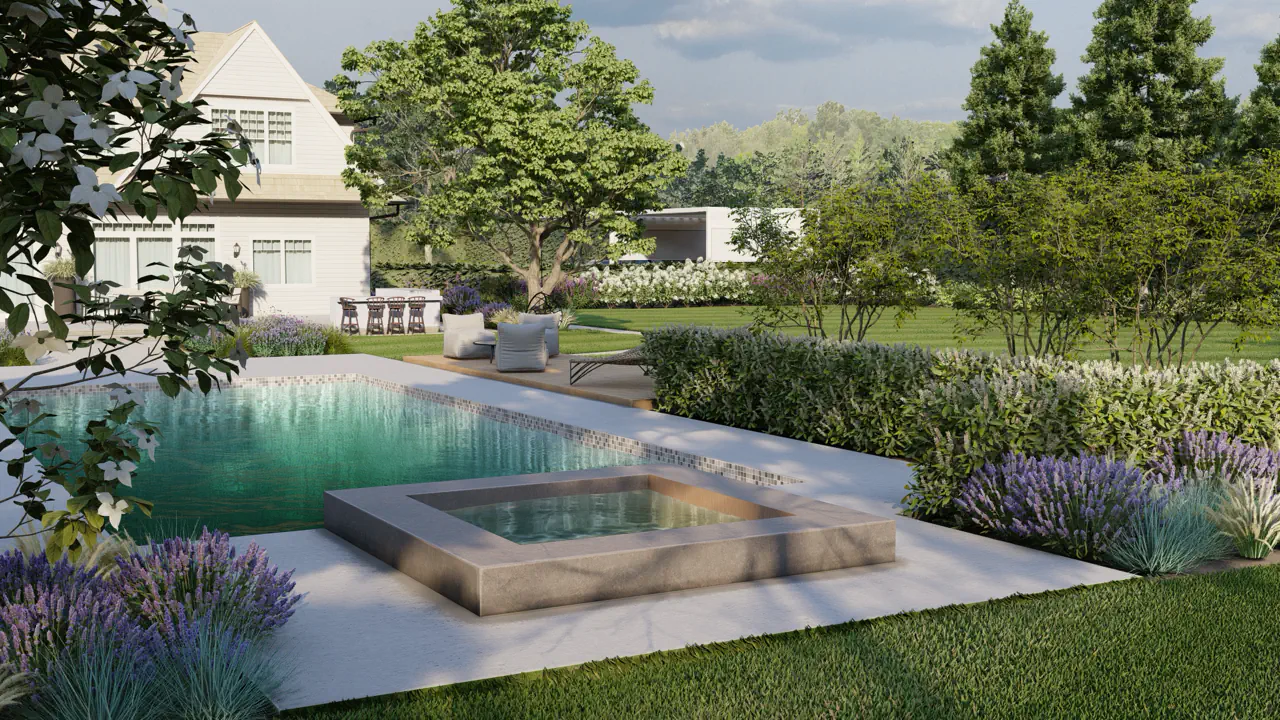
Having such a zone enriches your garden both visually and acoustically, while also promoting biodiversity by attracting birds and insects. Creating water features for garden spaces transforms ordinary backyards into tranquil retreats that provide year-round enjoyment.
What elements to include in your water feature zone?
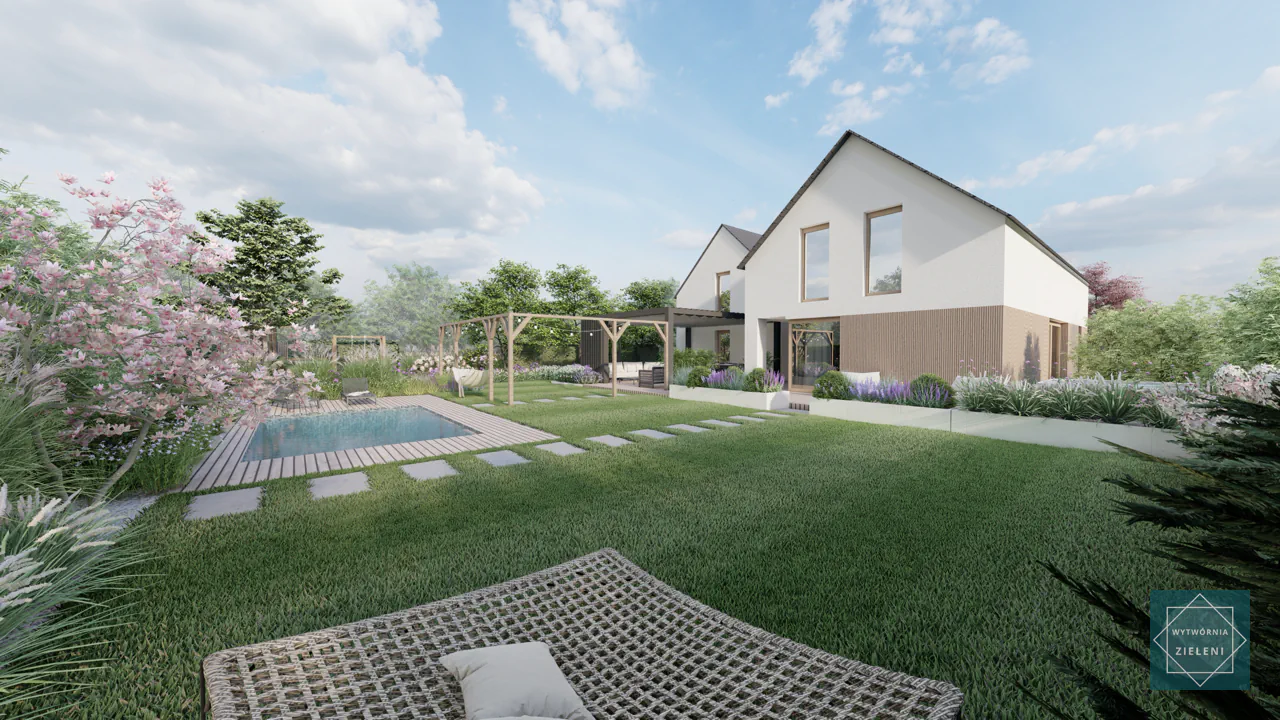
Garden water features can be designed in various styles, depending on your needs and garden size. Key elements include:
- Garden pond – A habitat for aquatic plants, fish, and other organisms that creates a natural ecosystem
- Fountains – Available in various forms, from classic tiered designs to modern geometric shapes
- Streams and cascades – Adding dynamic movement and the relaxing sound of flowing water
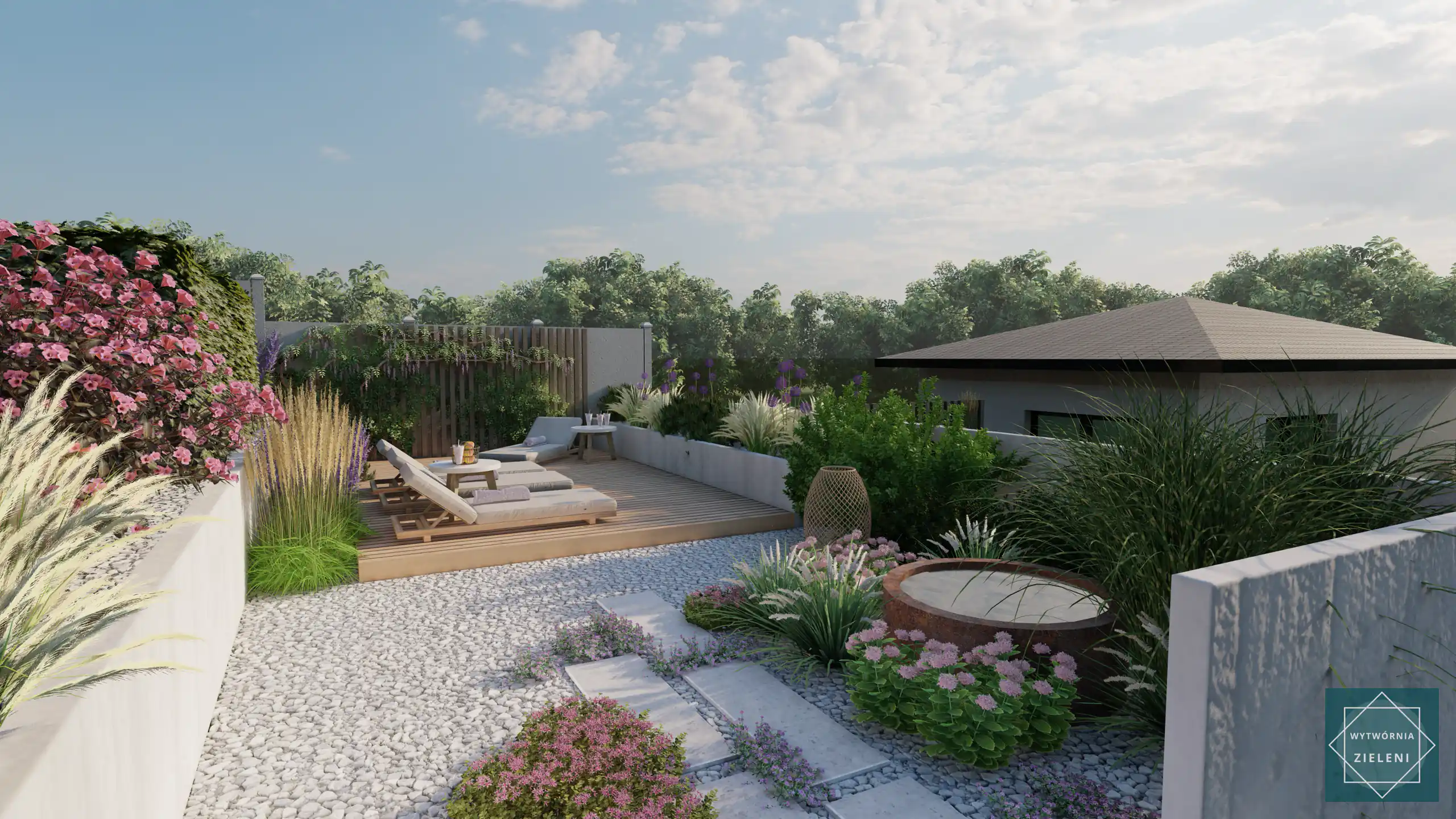
- Water bowls and spheres – Compact options perfect for smaller gardens or contemporary designs
- Aquatic plants – Water lilies, cattails, and iris that emphasize the natural character of the space
- Water feature lighting – LED lights underwater or around the perimeter, creating magical evening ambiance
When planning backyard water features, consider both aesthetic appeal and practical maintenance requirements to ensure long-term enjoyment. Professional garden design services can help you create the perfect water feature that complements your existing landscape. For contemporary gardens, explore modern garden design approaches that incorporate sleek water elements.
How to design a water feature zone?
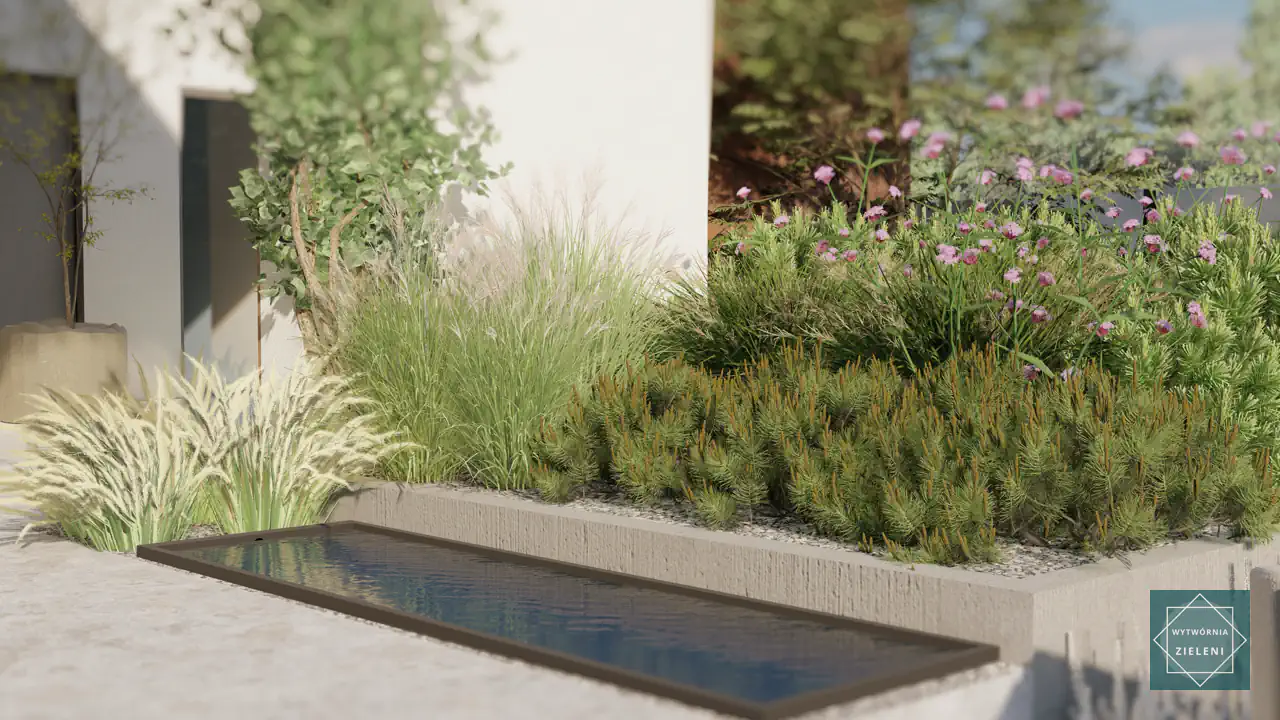
Designing outdoor water features requires thoughtful consideration of location, style, and scale. Essential steps include:
- Choose the right location – Ideally sunny with some shade to prevent excessive water heating and algae growth
- Decide on water type – Still water (ponds, bowls) or moving water (streams, fountains) based on your preferences
- Match materials – Natural stone, ceramic, or stainless steel, depending on your garden's style and architecture
- Plan the technology – Pumps, filters, and lighting systems that ensure functionality and visual appeal
Consider the surrounding landscape and how your water feature design will integrate with existing plantings and hardscape elements. Understanding garden zoning principles helps create cohesive design that flows naturally. Professional guidance can help you avoid common pitfalls and create a harmonious outdoor space.
Plants perfect for water feature zones
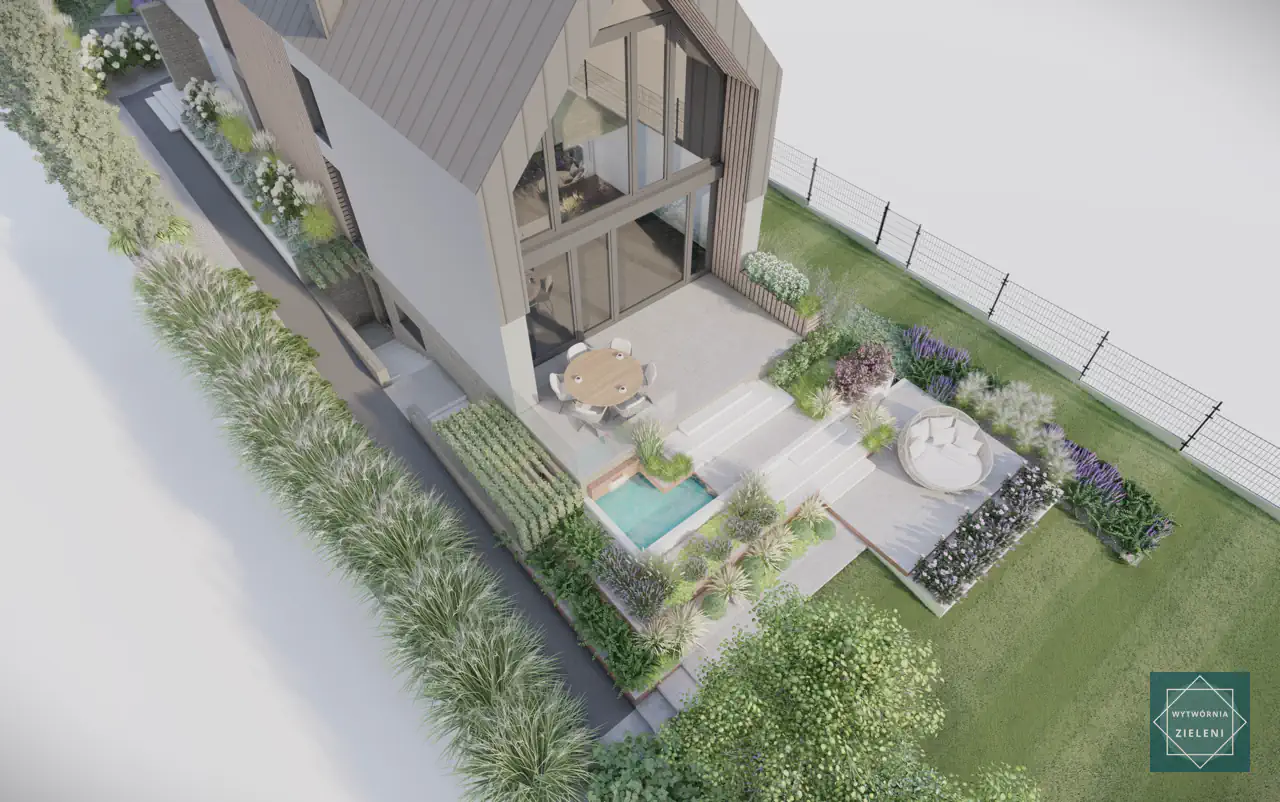
Aquatic plants and those surrounding your water feature zone emphasize its natural character. Recommended species include:
- Water lilies – Classic pond plants with stunning blooms in various colors
- Cattails and rushes – Adding vertical interest and natural texture
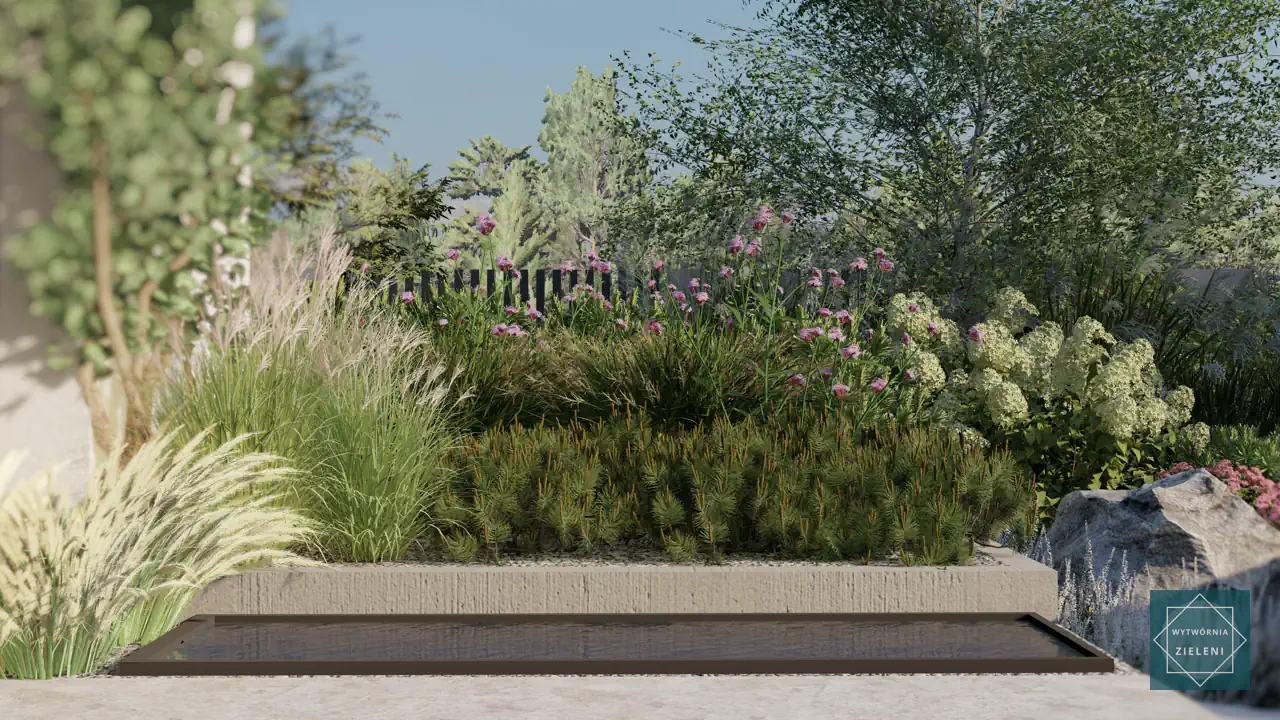
- Sedums and ornamental grasses – Perfect for pond edges and fountain surroundings
- Ferns and hostas – Ideal for shaded areas around water features
- Lotus and water hyacinth – Exotic options for larger ponds
Adapt your plant selection to local climate conditions and water requirements. Consider both submerged oxygenating plants and marginal plants that grow at the water's edge for a balanced ecosystem. Modern garden perennials offer contemporary options, while ornamental grasses create stunning textural contrasts around water features.
What costs are involved in water feature installation?
Water feature installation costs vary depending on the type of elements and project scale:
- Garden pond – From $1,500 (£1,200/€1,400) for smaller installations to $8,000+ (£6,400/€7,500) for elaborate designs
- Fountains – From $400 (£320/€380) for compact models to $4,000+ (£3,200/€3,800) for advanced versions
- Streams and cascades – From $2,400 (£1,900/€2,300) depending on length and complexity
- Aquatic plants – From $8-25 (£6-20/€7-23) per plant depending on size and variety
- Professional installation – $50-100 (£40-80/€47-95) per hour for skilled contractors
Additional costs may include electrical work for pumps and lighting, ongoing maintenance supplies, and seasonal care. Consider both initial investment and long-term operating costs when budgeting for your project. Use our garden cost calculator to estimate your water feature budget more precisely.
Why create a water feature zone?
Water features for garden spaces offer more than just beauty – they provide functionality too. They introduce tranquility, improve the garden's microclimate, and promote relaxation while becoming a unique ornament in your outdoor space.
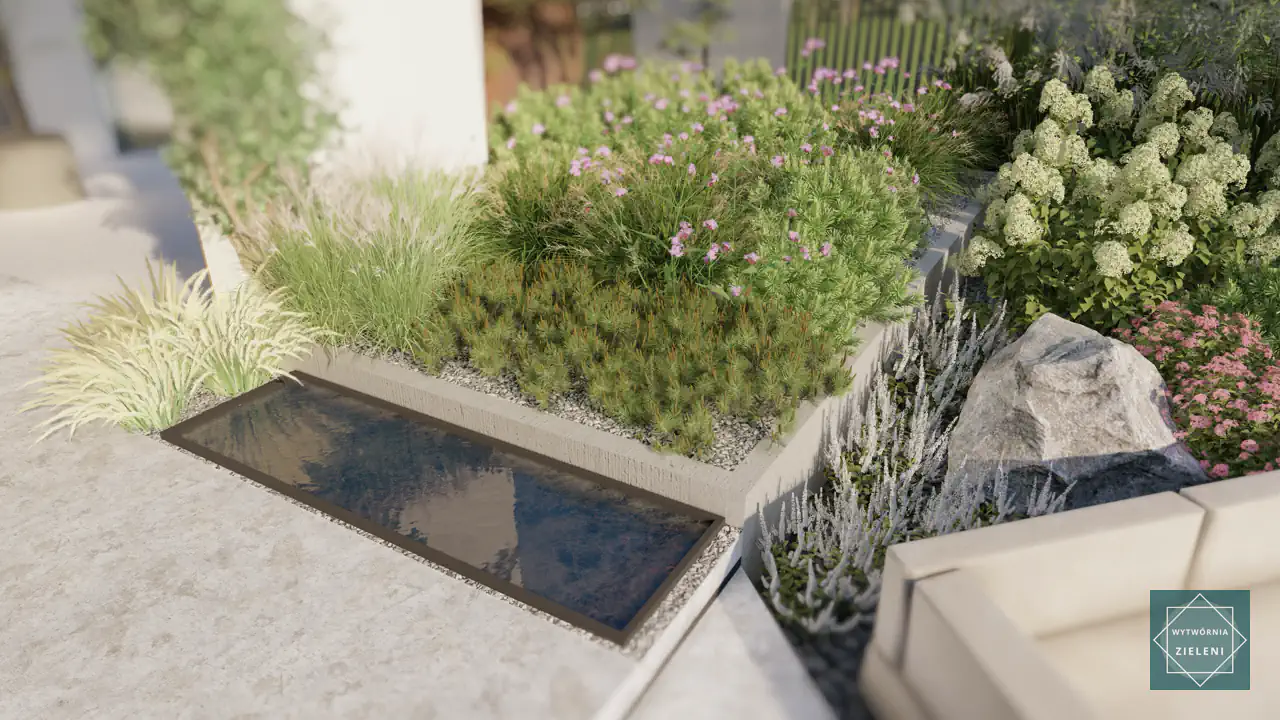
Modern water features can serve as focal points, property value enhancers, and personal sanctuaries. Whether you choose a simple fountain or an elaborate pond system, water elements create memorable experiences and provide endless enjoyment for homeowners and guests alike. Browse inspiring landscape design examples to see how water features transform outdoor spaces.
Transform your garden with professional water feature design
Creating the perfect water feature zone requires expertise in design, installation, and maintenance. Professional landscape architects understand how to balance aesthetics with functionality, ensuring your investment provides years of enjoyment. From initial concept to final installation, expert guidance helps you navigate technical requirements, plant selection, and ongoing care.

When selecting contractors, learn how to choose a landscaping company that specializes in water feature installation. Our experienced landscape architecture firm combines technical expertise with creative vision to deliver exceptional results.

Ready to bring the tranquil beauty of water to your garden? Contact our professional garden design consultation and discover how expert planning can bring your landscaping vision to life.
Frequently asked questions
How much maintenance do water features require?
Water features require regular maintenance including cleaning debris, checking pump function, and managing water levels. Most homeowners spend 1-2 hours monthly on basic upkeep, with seasonal deep cleaning twice yearly. Professional maintenance services are available for complex systems.
Can I install a water feature in a small garden?
Yes, small water features like tabletop fountains, wall-mounted designs, or compact water bowls work perfectly in limited spaces. Even a 2x2 foot area can accommodate a beautiful water element that provides visual interest and soothing sounds. For comprehensive planning guidance, explore our complete backyard design guide with space-maximizing strategies.
What's the best location for a garden pond?
Choose a spot with 4-6 hours of sunlight daily but avoid all-day sun exposure. Ensure it's visible from your main outdoor living areas and away from large trees that drop leaves. Consider proximity to electrical outlets for pumps and lighting. For comprehensive guidance, explore our step-by-step garden planning process that covers site analysis and preparation.
Do water features attract mosquitoes?
Moving water features like fountains and streams actually deter mosquitoes, as they prefer stagnant water for breeding. Proper circulation, beneficial bacteria, and fish in ponds help maintain healthy water that doesn't support mosquito populations.
How deep should a garden pond be?
Minimum depth depends on your climate and intended use. For fish and year-round function, maintain at least 18-24 inches (45-60 cm) deep. In colder climates, go deeper (36+ inches/90+ cm) to prevent complete freezing.
What plants work best around water features?
Choose moisture-loving plants like astilbe, cardinal flower, and Japanese iris for pond edges. Ornamental grasses, ferns, and hostas create excellent transitions between water and garden beds. Aquatic plants like water lilies and cattails thrive in the water itself.
Can I heat my outdoor water feature?
Yes, pond heaters and fountain heaters prevent freezing in winter climates. Floating heaters, de-icers, and heated pumps keep water moving and prevent ice damage to equipment and pond liners.
How do I choose between a fountain and a pond?
Consider your goals: fountains provide immediate visual impact with minimal maintenance, while ponds create ecosystems supporting wildlife. Fountains work well in formal settings, while ponds suit naturalistic landscapes. Budget and available space also influence the decision.
What electrical requirements do water features need?
Most water features require standard 120V electrical supply with GFCI protection. Larger installations may need 240V service. Always hire licensed electricians for installation and ensure all electrical components are rated for outdoor water use. For detailed planning guidance, check our garden lighting planning guide.
How long do water features last?
Quality water features can last 15-25 years with proper maintenance. Pumps typically need replacement every 3-7 years, while pond liners and fountains can last decades. Regular maintenance and quality initial installation significantly extend lifespan.

Wojciech Kazimierowicz – Author of the Article
Co-owner of Wytwórnia Zieleni and an expert in garden design and landscaping with over 13 years of experience. He specializes in creating modern, functional green spaces tailored to the budget and needs of homeowners.

Find Out How Much Your Garden Design Will Cost!
Take a quick quiz and discover the estimated cost of a custom garden design tailored to your needs. No strings attached – it takes just 2 minutes!


Wytwórnia Zieleni | Garden Design
KRS 0001107384 NIP 6452587627 REGON 528715049 St. Strzelców Bytomskich 51/1 42-600 Tarnowskie Gory, Poland
Resources
© Wytwórnia Zieleni 2026


