Complete Guide to Outdoor Lighting: From Solar to Smart Solutions
Published
30 October 2026
Share this article


 Copied
TOC
- Transform your outdoor space with the right lighting solution
- Understanding different types of outdoor lighting
- Planning your outdoor lighting design
- Energy efficiency and smart technologies
- Installation and maintenance considerations
- Design trends and style considerations
- Cost considerations and budgeting
- Transform your outdoor space today
- Frequently asked questions
- What type of outdoor lighting is most energy efficient?
- How many lumens do I need for outdoor security lighting?
- Do solar lights work during winter and cloudy weather?
- How far apart should pathway lights be spaced?
- What's the difference between warm and cool LED outdoor lighting?
- How long do LED outdoor lights last?
- Can I install outdoor lighting myself?
- What maintenance do outdoor lights require?
- How much does professional outdoor lighting installation cost?
- Are smart outdoor lighting systems worth the investment?
Transform your outdoor space with the right lighting solution
Outdoor lighting has evolved from simple porch lights to sophisticated systems that blend functionality, security, and aesthetic appeal. Whether you're looking to enhance your garden's beauty, improve home security, or create the perfect ambiance for outdoor entertaining, choosing the right outdoor lights can transform your property into a stunning nighttime showcase.
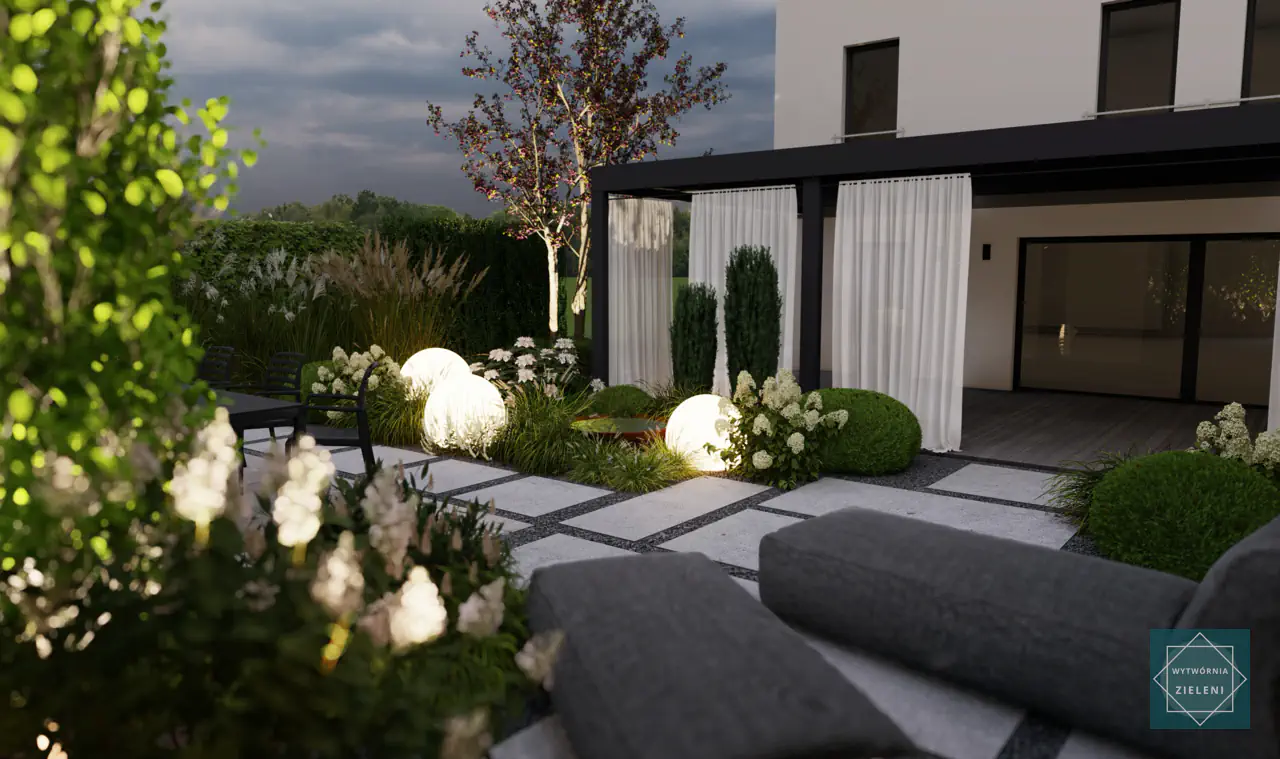
Modern outdoor lighting encompasses everything from energy-efficient LED fixtures to smart solar-powered systems. With advances in technology, today's outdoor lighting solutions offer unprecedented control, efficiency, and design flexibility. Before diving into specific fixtures and technologies, it's helpful to understand the fundamentals covered in our comprehensive garden design guide, which provides essential planning principles that apply to lighting design as well.
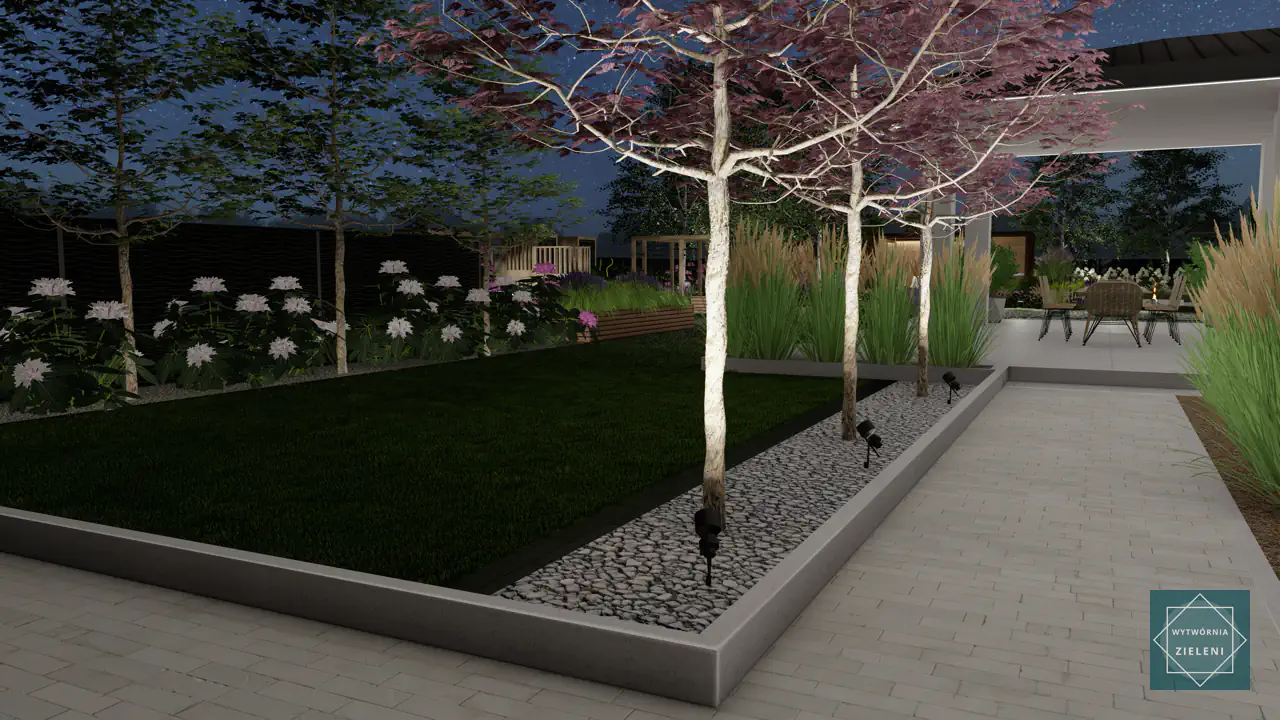
From motion detector lights that enhance security to decorative string lights that create magical atmospheres, the possibilities are endless. Professional installation ensures optimal results, and working with an experienced landscape architecture firm can help you create a cohesive design that integrates lighting seamlessly with your overall landscape vision.
Understanding different types of outdoor lighting
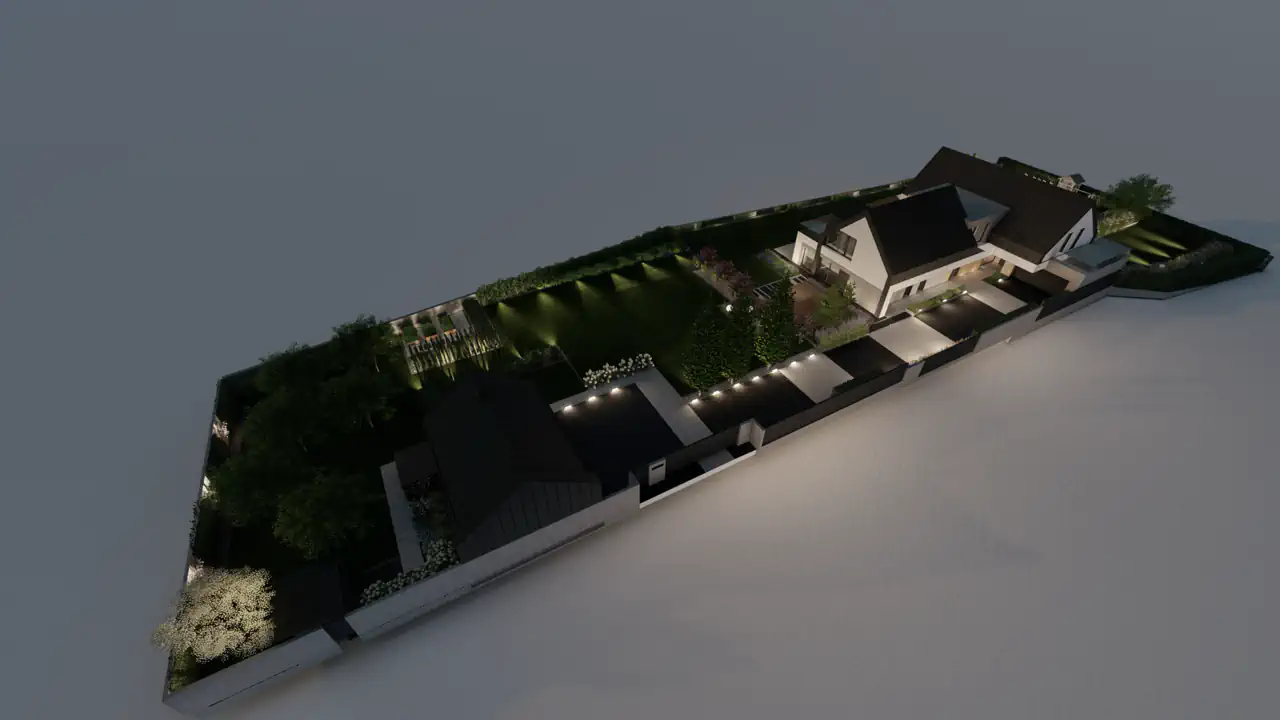
LED outdoor lights: The modern standard
LED technology has revolutionized outdoor lighting, offering superior energy efficiency and longevity compared to traditional bulbs. Outdoor LED lights consume up to 80% less energy while providing brighter, more consistent illumination. These fixtures are ideal for everything from pathway lighting to dramatic architectural accents.
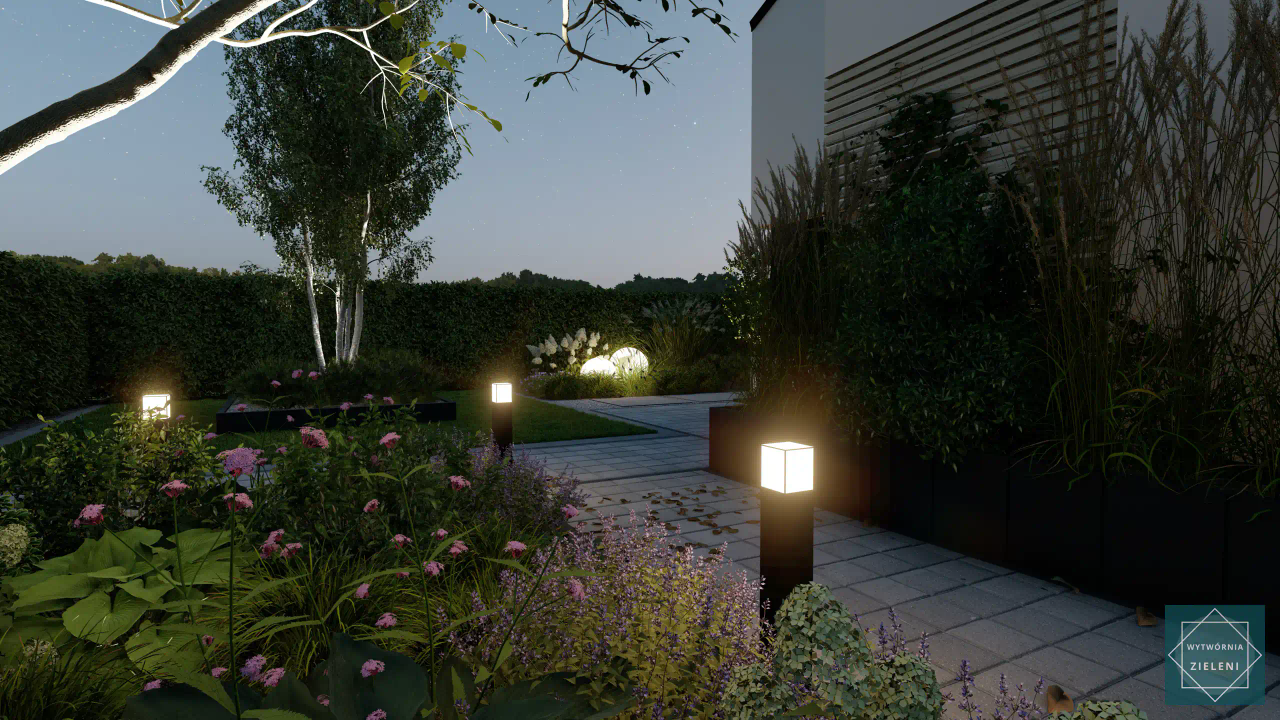
The benefits of LED outdoor lighting extend beyond energy savings. These fixtures typically last 25,000 to 50,000 hours, reducing maintenance costs and replacement frequency. LED lights also operate effectively in various weather conditions, making them perfect for year-round outdoor use. For those seeking the highest quality installations, our luxury lighting design services showcase how premium LED fixtures can transform any outdoor space into a sophisticated nighttime showcase.
Solar powered garden lights: Eco-friendly illumination
Solar garden lights represent the pinnacle of sustainable outdoor lighting. These self-contained units harness sunlight during the day and automatically illuminate your landscape at night. Solar powered garden lights eliminate electricity costs while providing reliable illumination for pathways, garden beds, and decorative features.
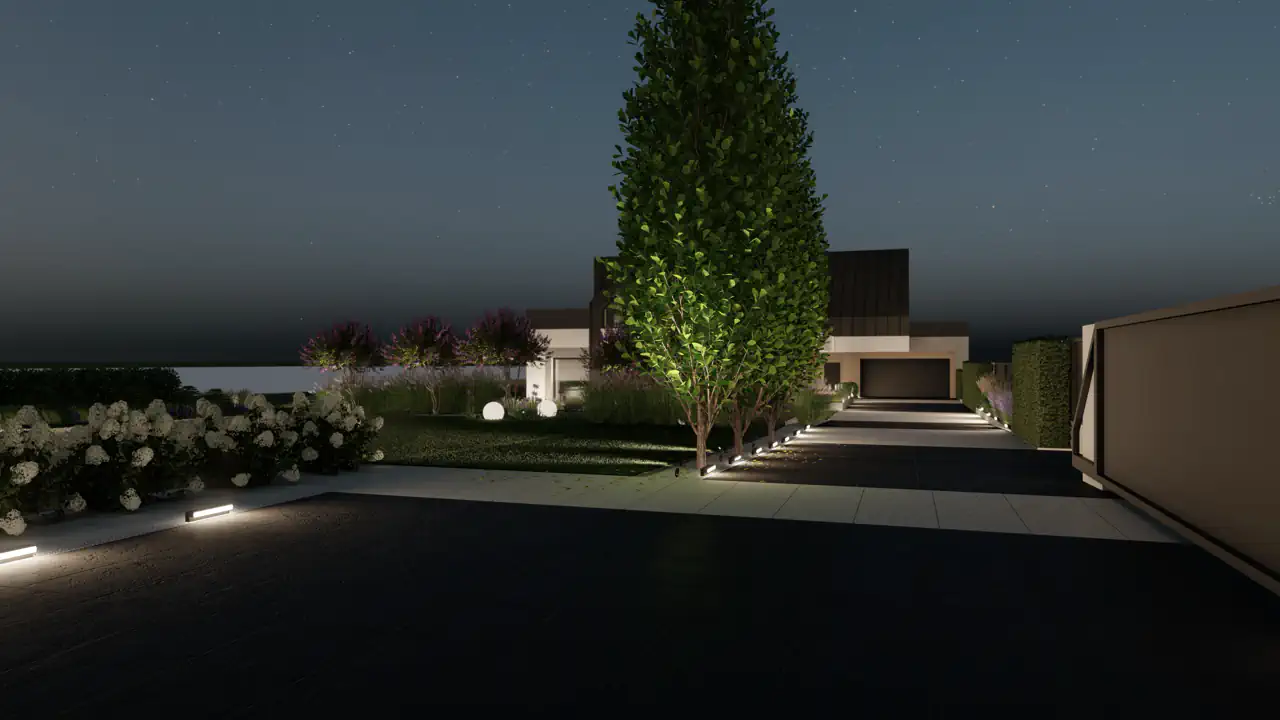
Modern solar lights feature improved battery technology and more efficient solar panels, allowing them to operate effectively even during cloudy periods. Premium solar lighting systems can provide 8-12 hours of continuous illumination on a single charge. For creative inspiration on incorporating solar fixtures into your landscape, explore our collection of garden lighting ideas that demonstrate effective placement strategies and design principles.
Outdoor wall lights and fixtures
Exterior wall lights serve dual purposes: enhancing architectural features and providing essential security lighting. From sleek modern sconces to traditional lantern styles, outdoor wall lights create dramatic shadows and highlights that showcase your home's design elements.
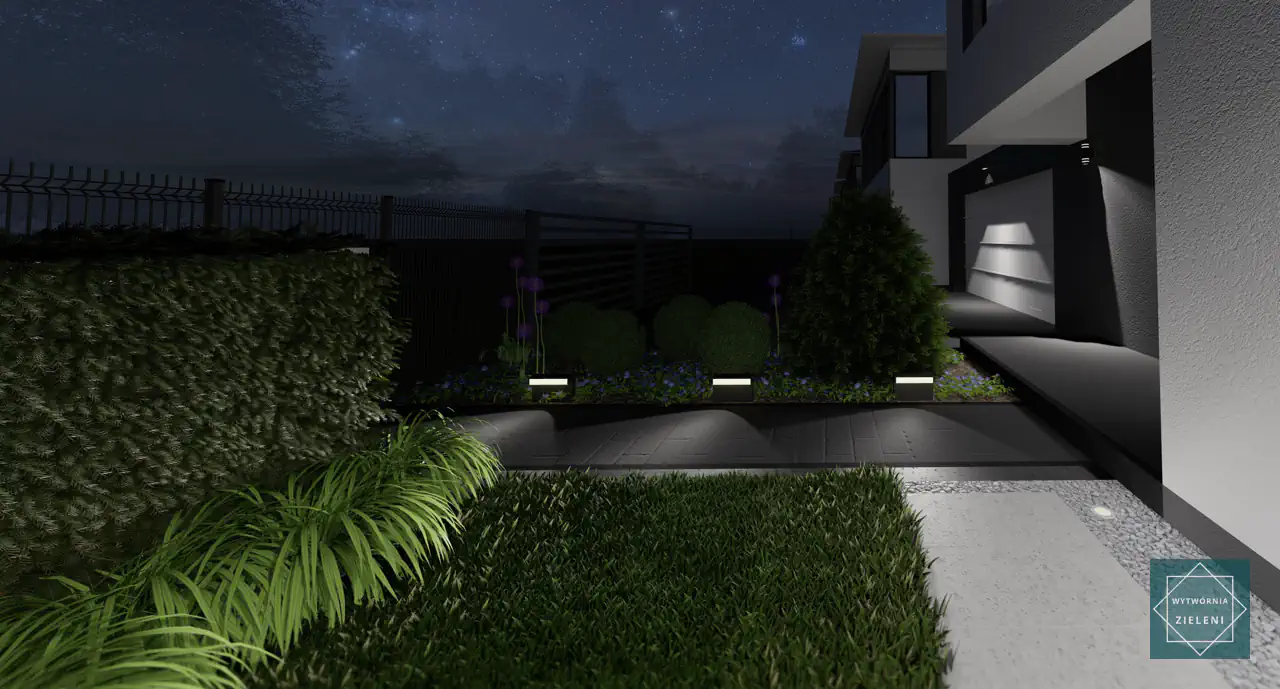
Wall-mounted fixtures work particularly well for:
- Illuminating entryways and doorways
- Highlighting architectural details
- Providing task lighting for outdoor dining areas
- Creating ambient lighting for patios and decks
These fixtures are especially important for front yard landscaping, where proper entrance lighting enhances both curb appeal and security while welcoming guests to your home.
Flood lights and security lighting
For maximum security and area coverage, flood lights remain unmatched. These powerful fixtures provide broad, intense illumination perfect for driveways, large yards, and commercial properties. Motion detector lights add an extra layer of security by activating only when movement is detected.
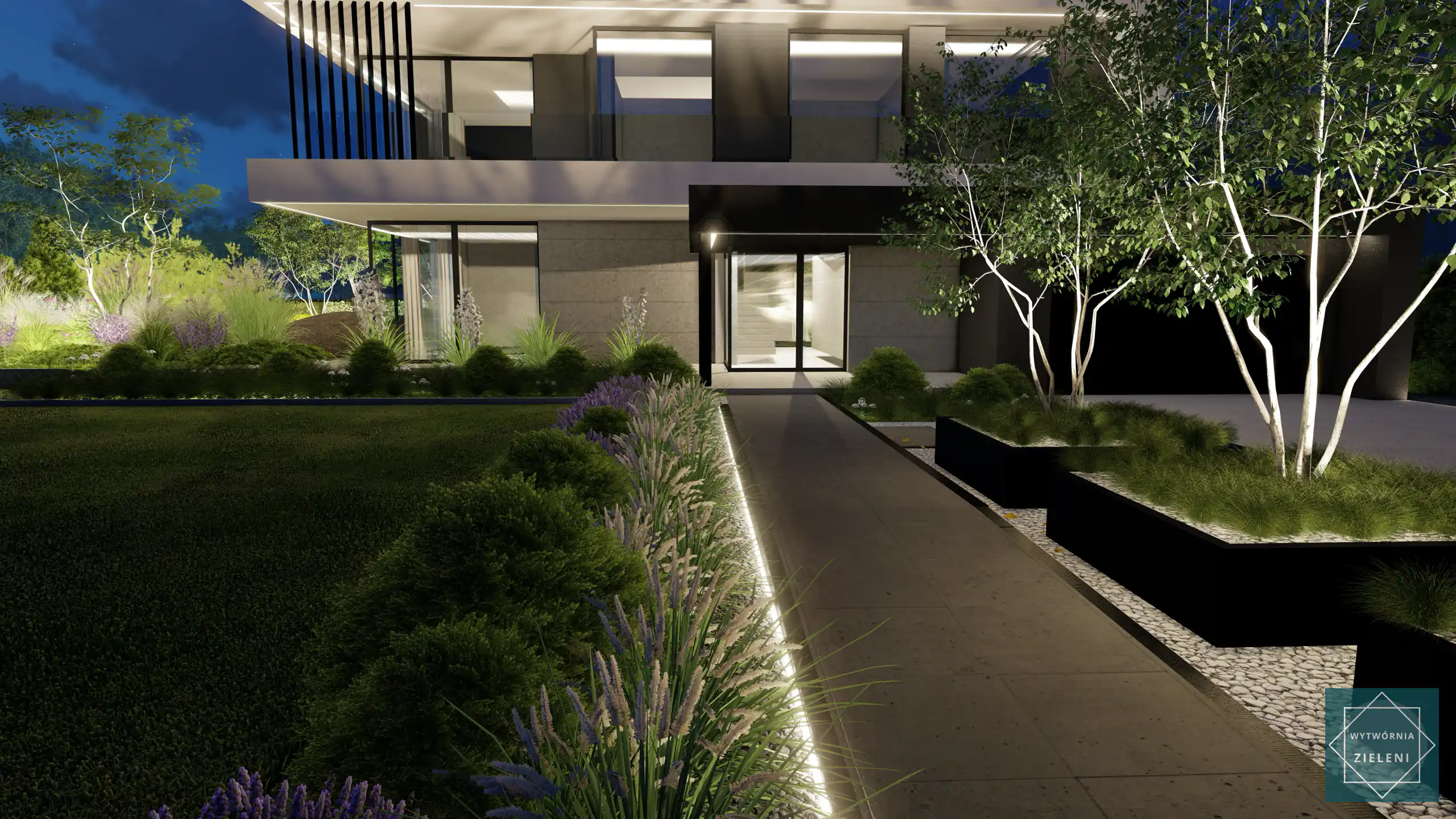
Modern flood lights often incorporate LED technology and smart sensors, allowing for customizable sensitivity settings and scheduling options. Some models include integrated cameras and smartphone connectivity for comprehensive security solutions. When planning security lighting, consider how it integrates with other garden privacy zones to create both safety and comfortable outdoor living spaces.
Planning your outdoor lighting design
Assessing your lighting needs
Before selecting fixtures, evaluate your specific requirements. Consider factors such as:
Security priorities: Identify vulnerable areas that need bright, reliable illumination. Entry points, dark corners, and valuable outdoor equipment benefit from consistent lighting coverage.
Aesthetic goals: Determine which landscape features, architectural elements, or outdoor living spaces you want to highlight. Strategic lighting can dramatically enhance your property's curb appeal and create inviting outdoor environments.
Functional requirements: Consider practical needs such as pathway safety, outdoor cooking areas, and recreational spaces that require adequate task lighting.
Creating an effective lighting plan requires careful consideration of all these factors. Our detailed guide on how to plan garden lighting provides step-by-step instructions for developing a comprehensive lighting strategy that addresses both practical and aesthetic needs.
Creating lighting layers
Professional outdoor lighting design relies on layering different types of illumination:
Ambient lighting provides general illumination for safety and navigation. This base layer typically includes pathway lights, general area lighting, and soft landscape illumination.
Task lighting focuses on specific activities and functional areas. Examples include bright lights over outdoor kitchens, reading areas, and work spaces.
Accent lighting creates visual interest and highlights special features. Use accent lighting to showcase beautiful trees, architectural details, water features, or outdoor art. For spaces designed for gatherings, consider how lighting enhances your outdoor entertainment area to create the perfect ambiance for hosting friends and family.
Layered outdoor lighting design showing ambient pathway lights, task lighting for dining area, and accent lighting on featured tree
Choosing the right light placement
Strategic placement maximizes both functionality and visual impact. Key considerations include:
Height and angle: Position lights to minimize glare while ensuring adequate coverage. Wall-mounted fixtures should typically be installed 8-10 feet (2.4-3 meters) above ground level.
Spacing and coverage: Ensure even illumination without creating harsh bright spots or dark shadows. Pathway lights should be spaced 6-8 feet (1.8-2.4 meters) apart for optimal coverage.
Power source accessibility: Plan electrical connections for hardwired fixtures, or choose solar options for areas where running electrical lines would be challenging or expensive. These considerations are particularly important when working with limited space, where strategic placement becomes crucial - learn more about maximizing compact areas in our small garden design ideas guide.
Energy efficiency and smart technologies
Maximizing energy efficiency
Modern outdoor lighting prioritizes energy efficiency without compromising performance. LED fixtures use up to 80% less energy than traditional incandescent bulbs while providing superior light output and color quality.
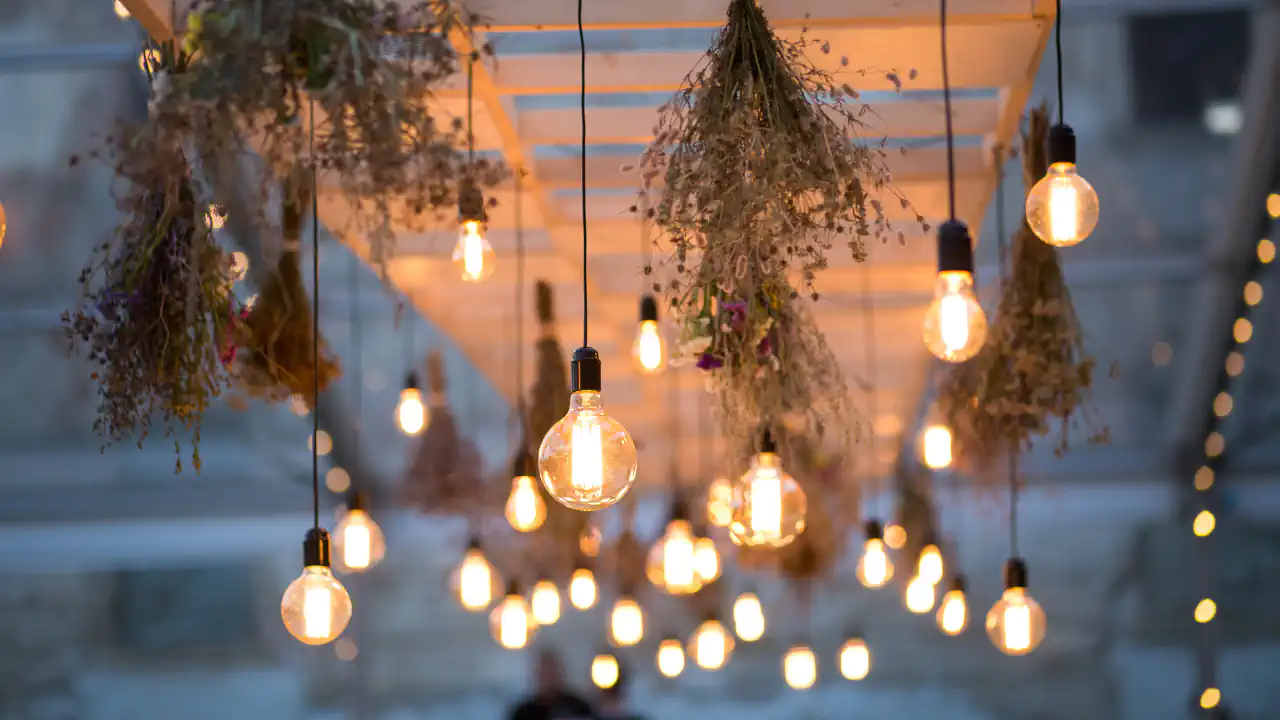
Smart controls further enhance efficiency by automatically adjusting lighting based on ambient conditions, occupancy, and programmed schedules. Daylight sensors ensure lights operate only when needed, while occupancy sensors activate lighting only when areas are in use. Before installing any electrical components, proper planning is essential - our guide to outdoor electrical installation covers the technical requirements and safety considerations for hardwired lighting systems.
Smart outdoor lighting systems
Connected outdoor lighting systems offer unprecedented control and customization. Through smartphone apps or home automation platforms, users can:
- Schedule lighting to match daily routines
- Adjust brightness and color temperature
- Create custom lighting scenes for different occasions
- Monitor energy consumption and system performance
- Receive alerts about maintenance needs or security events
Smart outdoor lighting integrates seamlessly with broader home automation systems, allowing for coordinated responses to security events, weather conditions, or seasonal changes. This technology pairs particularly well with contemporary landscape design approaches that emphasize clean lines and integrated systems, as detailed in our modern garden design philosophy.
Solar technology advances
Recent improvements in solar outdoor lighting make these systems increasingly viable for primary landscape illumination. Enhanced solar panels, improved battery technology, and more efficient LED fixtures combine to deliver reliable performance even during extended cloudy periods.

Premium solar lighting systems now feature:
- Larger, more efficient solar panels
- Lithium-ion batteries for extended runtime
- Smart charge controllers for optimal battery management
- Weather-resistant construction for year-round reliability
For those planning a comprehensive lighting installation, use our outdoor lighting installation guide to estimate costs and plan your budget effectively for both materials and professional installation services.
Installation and maintenance considerations
Professional vs. DIY installation
While many outdoor lighting projects are suitable for DIY installation, complex systems involving electrical work should be handled by qualified professionals. Licensed electricians ensure safe installation and compliance with local building codes.

DIY-friendly options include:
- Solar-powered fixtures requiring no electrical connections
- Low-voltage LED systems with plug-in transformers
- Battery-powered accent lights for temporary or seasonal use
When deciding between professional installation and DIY approaches, consider the complexity of your project and local requirements. Our guide on choosing the right garden service provider offers valuable insights for selecting qualified contractors who specialize in outdoor lighting installations.
Maintenance requirements
Proper maintenance ensures long-term performance and extends fixture lifespan. Regular maintenance tasks include:
Cleaning fixtures to maintain optimal light output and prevent corrosion. Use mild soap and water, avoiding harsh chemicals that could damage finishes or lenses.
Battery replacement for solar fixtures, typically required every 2-3 years depending on usage patterns and climate conditions.
Bulb replacement for non-LED fixtures, though LED systems significantly reduce this maintenance requirement.
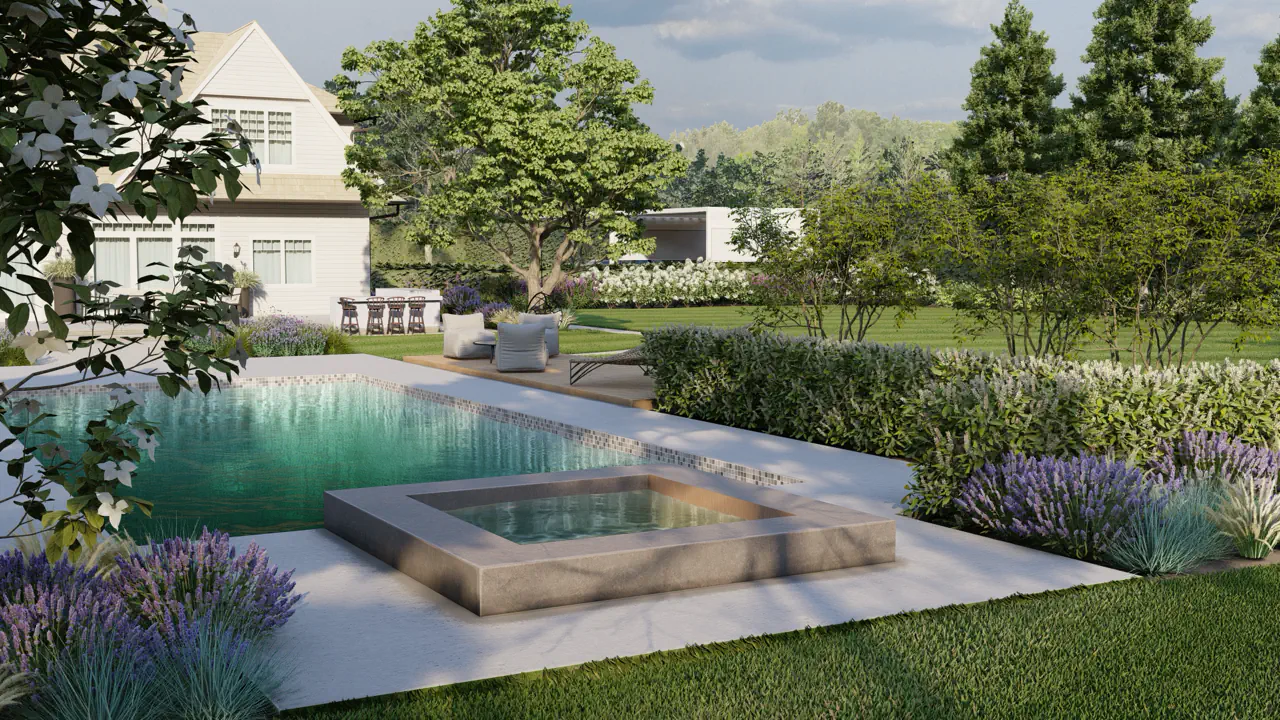
Lighting maintenance is just one component of comprehensive landscape care. For a complete understanding of ongoing outdoor maintenance requirements, refer to our step-by-step garden development guide, which covers all aspects of maintaining your outdoor investment over time.
Seasonal considerations
Outdoor lighting systems must withstand various weather conditions throughout the year. Weather-resistant fixtures rated for outdoor use ensure reliable operation in rain, snow, and extreme temperatures.
Winter maintenance may include:
- Removing snow and ice buildup from fixtures
- Checking that fixtures remain properly positioned after storms
- Ensuring solar panels remain clear for optimal charging
These maintenance considerations underscore the importance of professional planning and installation. Our comprehensive garden design services include lighting system design that accounts for seasonal challenges and long-term maintenance requirements.
Design trends and style considerations
Contemporary outdoor lighting trends
Modern outdoor lighting embraces clean lines, minimalist designs, and advanced technology integration. Popular trends include:
Architectural integration: Fixtures that become part of the building's design rather than obvious add-ons. Built-in step lights, recessed wall fixtures, and integrated landscape lighting create seamless visual flow.
Color-changing capabilities: Smart LED systems offer full-spectrum color options, allowing users to create custom ambiances for different occasions or seasons.
Sustainable materials: Fixtures made from recycled materials, sustainably sourced wood, or long-lasting metals align with environmental consciousness. These modern approaches work particularly well when integrated with functional outdoor spaces like an outdoor kitchen, where task lighting and ambient features combine to create both practical and beautiful environments.
Modern outdoor lighting design featuring integrated fixtures and color-changing LED technology
Traditional and classic styles
While modern technology drives functionality, traditional design elements remain popular for many property styles. Classic lanterns, coach lights, and period-appropriate fixtures complement historical architecture while incorporating contemporary LED technology and smart controls.
Traditional outdoor lantern fixtures with modern LED technology and smart controls
The key is balancing authentic style with modern performance requirements. Many manufacturers offer fixtures that maintain classic aesthetics while incorporating efficient LED technology and weather-resistant construction. Traditional fixtures work especially well in formal outdoor dining areas where classic elegance enhances the dining experience and creates memorable evening gatherings.
Landscape lighting design principles
Effective landscape lighting follows established design principles:
Balance and proportion: Ensure lighting fixtures complement landscape features without overwhelming them. Oversized fixtures can dominate small gardens, while undersized lights may be ineffective in large spaces.
Unity and coherence: Maintain consistent style and finish choices throughout the lighting design to create visual harmony across the entire landscape.
Emphasis and focal points: Use accent lighting to draw attention to prized landscape features while ensuring adequate general illumination for safety and navigation.
Professional landscape lighting design demonstrating balance, unity, and strategic focal points
Accent lighting works particularly well with special landscape features such as garden water features, where strategic illumination can transform fountains, ponds, and waterfalls into stunning nighttime focal points that add both visual interest and soothing sounds to your outdoor environment.
Cost considerations and budgeting
Initial investment vs. long-term savings
While quality outdoor lighting systems require significant upfront investment, the long-term benefits often justify the initial costs. LED fixtures can reduce energy costs by 80% compared to traditional lighting, while extended lifespans minimize replacement expenses.
Cost comparison chart showing LED vs traditional outdoor lighting long-term expenses
Solar systems eliminate ongoing electricity costs entirely, though they typically require higher initial investment for comparable light output. The break-even point usually occurs within 2-4 years, depending on local electricity rates and system size. To help plan your investment, use our landscape pricing calculator to estimate total project costs including lighting, materials, and professional installation services.
Budget-friendly options
Effective outdoor lighting doesn't require premium fixtures throughout the entire system. Strategic mixing of fixture types and price points can achieve excellent results while managing costs:
Solar accent lights for decorative elements and low-use areas LED string lights for affordable ambiance and entertaining areas Motion-sensor flood lights for security without constant energy consumption Timer-controlled systems to minimize operating costs while maintaining functionality
Return on investment
Quality outdoor lighting provides measurable returns through:
Increased property value: Well-designed landscape lighting can increase property values by 5-10%, making it one of the most cost-effective home improvements.
Enhanced security: Proper lighting deters criminal activity and may qualify for insurance discounts in some areas.
Extended outdoor living: Effective lighting extends the usable hours of outdoor spaces, essentially adding functional square footage to your property.
Before and after comparison showing property transformation with professional outdoor lighting installation
Professional installation ensures maximum return on your lighting investment. View our portfolio of completed landscape projects to see how strategic lighting integration transforms ordinary properties into extraordinary outdoor living environments that provide lasting enjoyment and increased property value.
Transform your outdoor space today
Outdoor lighting transforms ordinary landscapes into extraordinary nighttime showcases while providing essential security and functionality. Whether you choose energy-efficient LED systems, sustainable solar solutions, or smart connected fixtures, the right lighting design enhances your property's beauty, safety, and value.

Ready to illuminate your outdoor space with professional expertise? Contact our professional garden design consultation and discover how expert planning can bring your lighting vision to life.
Frequently asked questions
What type of outdoor lighting is most energy efficient?
LED outdoor lights are the most energy-efficient option available, consuming up to 80% less electricity than traditional incandescent bulbs while providing superior light output. Solar-powered LED fixtures eliminate electricity costs entirely by harnessing renewable energy during daylight hours.
How many lumens do I need for outdoor security lighting?
For effective security lighting, aim for 700-1300 lumens per fixture in key areas like entrances, driveways, and dark corners. Motion-activated flood lights should provide 1500-3000 lumens for maximum deterrent effect and clear visibility.
Do solar lights work during winter and cloudy weather?
Modern solar lights with high-quality batteries and efficient panels can operate during winter and cloudy conditions, though runtime may be reduced. Premium systems with lithium-ion batteries and larger solar panels provide the best performance in challenging weather conditions. For comprehensive information about garden maintenance throughout the seasons, including lighting considerations, consult our complete garden planning guide.
How far apart should pathway lights be spaced?
Pathway lights should typically be spaced 6-8 feet (1.8-2.4 meters) apart for even illumination without creating harsh shadows or bright spots. Adjust spacing based on light output and desired ambiance level.
What's the difference between warm and cool LED outdoor lighting?
Warm LED lights (2700K-3000K) create cozy, inviting atmospheres similar to traditional incandescent bulbs. Cool LED lights (4000K-5000K) provide crisp, bright illumination ideal for security and task lighting applications.
How long do LED outdoor lights last?
Quality LED outdoor fixtures typically last 25,000-50,000 hours, equivalent to 15-25 years of normal use. This extended lifespan significantly reduces maintenance costs and replacement frequency compared to traditional lighting options.
Can I install outdoor lighting myself?
Simple solar fixtures and low-voltage LED systems are suitable for DIY installation. However, hardwired systems requiring electrical connections should be installed by licensed electricians to ensure safety and code compliance. For detailed installation planning and electrical requirements, reference our garden utility installation guide which covers proper techniques for outdoor electrical work.
What maintenance do outdoor lights require?
Regular maintenance includes cleaning fixtures quarterly, checking and tightening connections annually, and replacing solar batteries every 2-3 years. LED fixtures require minimal maintenance due to their extended lifespan and durable construction. For a complete maintenance schedule that includes lighting care as part of overall landscape management, see our garden soil preparation and maintenance guide.
How much does professional outdoor lighting installation cost?
Professional outdoor lighting installation typically costs $3,000-$15,000 depending on system complexity, fixture quality, and property size. The investment often increases property value by 5-10% while providing long-term energy savings and enhanced security.
Are smart outdoor lighting systems worth the investment?
Smart outdoor lighting systems offer significant benefits including remote control, automated scheduling, energy monitoring, and integration with home security systems. The convenience, efficiency, and enhanced functionality typically justify the additional investment cost. When planning smart lighting as part of a comprehensive outdoor upgrade, consider how it integrates with other modern landscape elements to create a cohesive, technologically advanced outdoor environment.

Wojciech Kazimierowicz – Author of the Article
Co-owner of Wytwórnia Zieleni and an expert in garden design and landscaping with over 13 years of experience. He specializes in creating modern, functional green spaces tailored to the budget and needs of homeowners.

Find Out How Much Your Garden Design Will Cost!
Take a quick quiz and discover the estimated cost of a custom garden design tailored to your needs. No strings attached – it takes just 2 minutes!


Wytwórnia Zieleni | Garden Design
KRS 0001107384 NIP 6452587627 REGON 528715049 St. Strzelców Bytomskich 51/1 42-600 Tarnowskie Gory, Poland
Resources
© Wytwórnia Zieleni 2026


