How to Start a Garden from Scratch- Step-by-Step Garden Installation
Creating a garden step by step requires a structured process that starts with design and site preparation, then moves through earthworks, installations, planting, and ongoing maintenance. Following the correct order ensures durability, cost control, and a functional outdoor space tailored to your needs.
TL;DR
- Start with a detailed garden design that defines zones, layout, and budget before any physical work begins.
- Complete site preparation and earthworks early to prevent drainage, leveling, and settlement issues.
- Install key systems such as irrigation, drainage, lighting, and utilities before finishing surfaces.
- Prepare soil properly, then proceed with edging, planting, lawn installation, and mulching.
- Long-term success depends on consistent maintenance, irrigation management, and seasonal care.
Published
18 February 2026
Share this article


 Copied
TOC
- How to Create a Garden Step by Step
- Garden Design – Planning and Layout
- Land Reclamation of a Building Plot
- Earthworks on the Plot
- Other Garden Works
- Executing Other Heavy Works on the Plot
- Paving Works and Surface Installation
- Installing Key Garden Systems
- Garden Construction – Landscaping and Preparation
- Lawn Installation – Sod vs. Seeding
- Garden Care and Maintenance
- FAQ
How to Create a Garden Step by Step
Dreaming of a beautiful and functional garden? With well-planned actions, you can create a green space that's perfect for you and your family. Establishing a garden follows specific stages, and this guide will help you navigate the process step by step.

A Well-Planned Garden
Understanding the process and carefully planning your garden will not only help you avoid unpleasant surprises but also better estimate the costs of garden establishment, ensuring the entire project proceeds without undue stress.
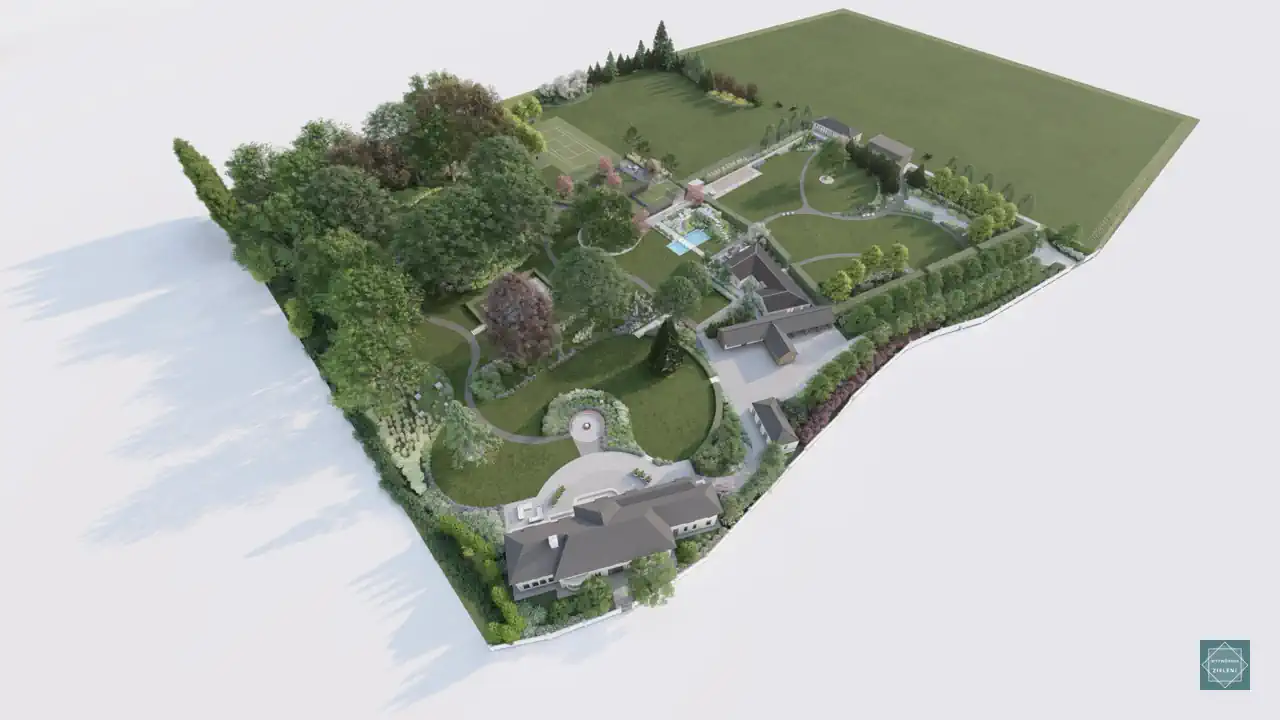
Professional garden design services can help you create a comprehensive plan that maximizes both beauty and functionality. We'll discuss the following steps:
- Site Preparation
- Heavy Works
- Installation Works
- Gardening Works
- Maintenance Works
Each section includes a link to a detailed post that thoroughly discusses the topic and provides practical tips. You'll learn how to plan, execute, and install various garden elements step by step.
Garden Design – Planning and Layout
To create a functional garden, developing a thoughtful action plan is crucial. The first step should always be the landscape garden design, which will serve as the foundation for all subsequent works.
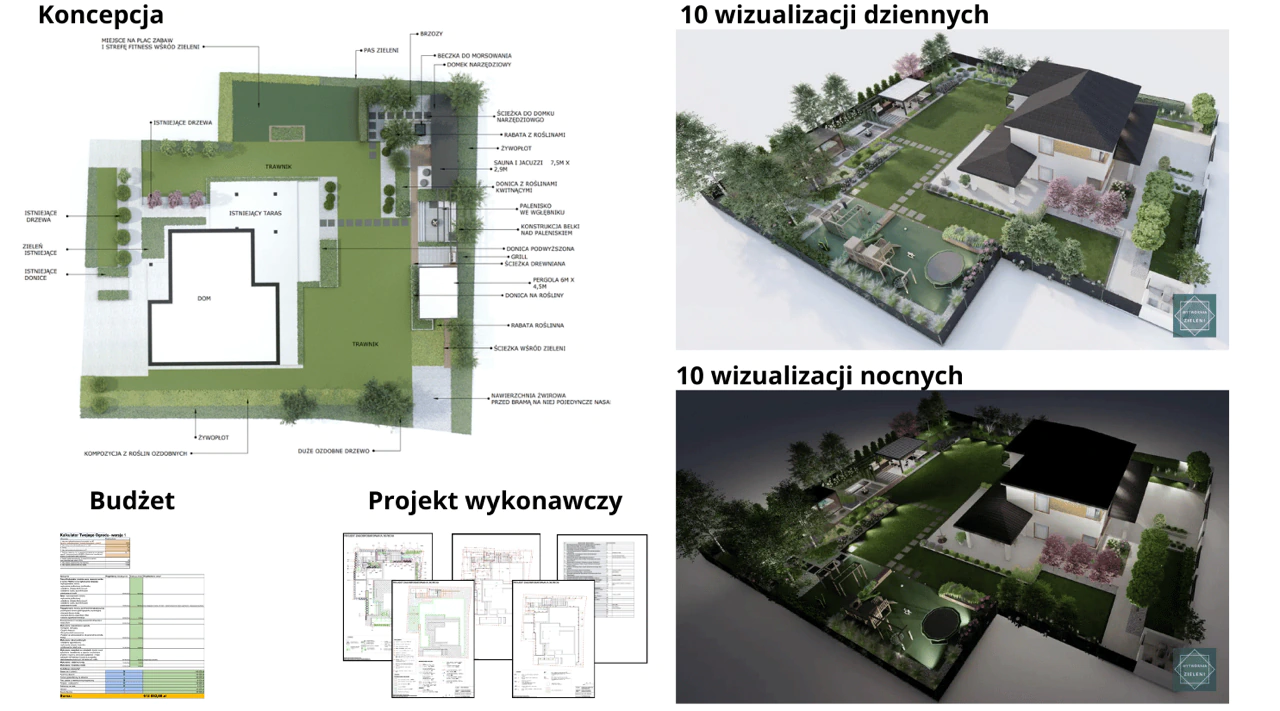
Garden Design Facilitates Implementation
A well-prepared plan allows for efficient utilization of every corner of the space, indicating:
- Which garden zones to designate.
- Optimal plant placement.
- The shape and location of the lawn.
With proper garden arrangement, your plot will not only be aesthetically pleasing but also fully tailored to your needs and budgetary possibilities. Use our garden cost calculator to estimate your project expenses accurately.

Key Elements of a Good Garden Design:
- Considers your expectations and needs.
- Accounts for site conditions.
- Based on your budgetary capabilities.
Check out our landscape design examples to gain inspiration for your garden. If you feel the topic is beyond your capabilities, it's worth seeking expert assistance and commissioning a professional design. This will help you avoid unnecessary mistakes and stress.
Once you have a ready garden design, you can confidently move on to the next stage of implementation, i.e., site preparation and bringing your vision to life. 🌱 Understanding landscape design cost early in the process helps ensure your project stays within budget.
Land Reclamation of a Building Plot
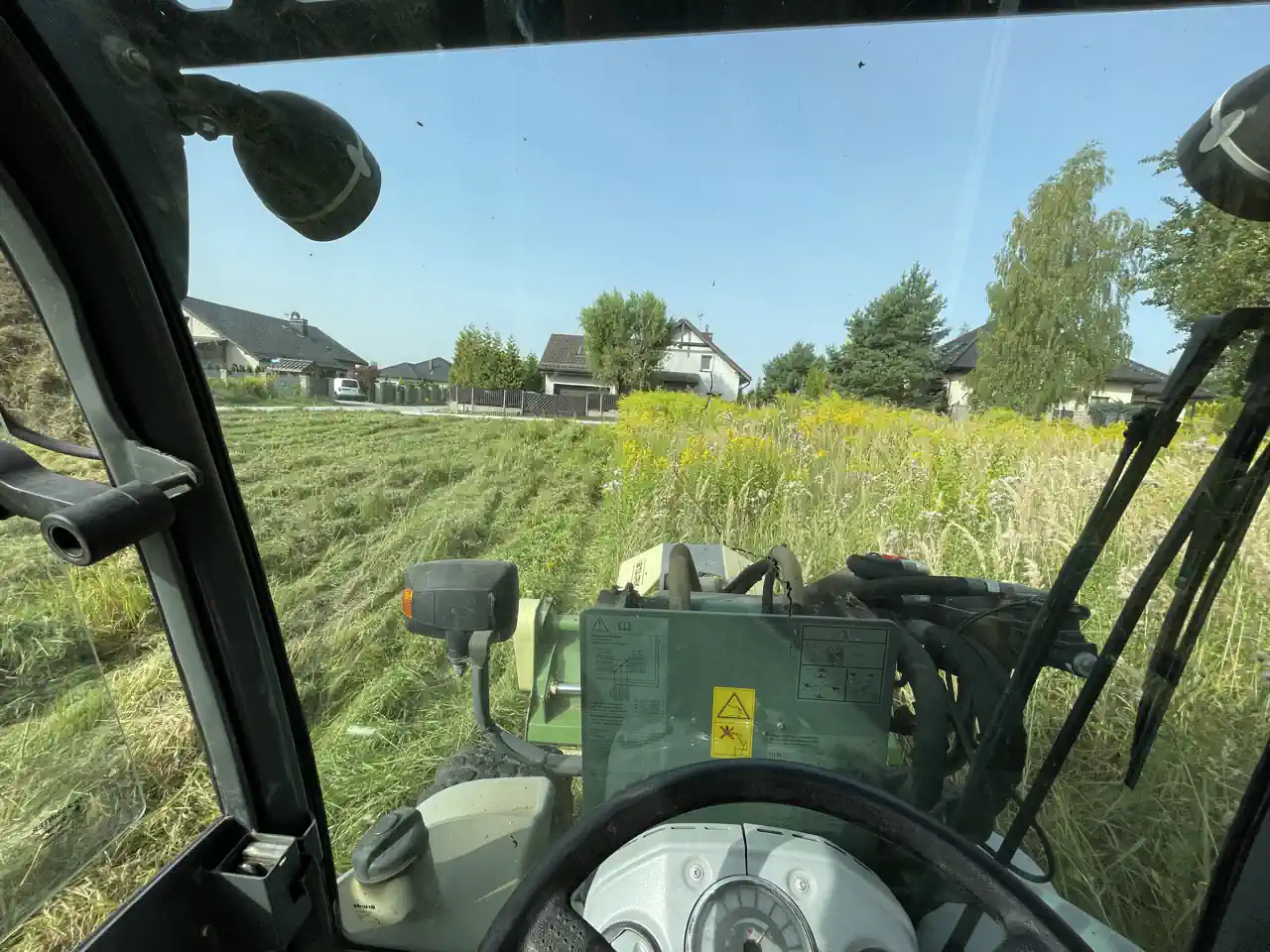
The first step is to tidy up the plot, preparing it for the subsequent stages of garden establishment. Removing unwanted vegetation and debris sets the stage for further work. If there are large trees on the plot, consider which ones to cut down and which to keep. Existing trees can form a wonderful framework for the future garden.
Key Elements of Preparatory Works:
- Removal of construction debris and waste
- Mowing weeds, clearing unwanted plants
- Tree felling
- Root removal
- Disposal of green waste
Learn how ground preparation after construction looks and restore your plot to an ideal state before establishing the garden. Comprehensive post-construction site cleanup ensures your property is ready for landscaping. After completing these tasks, it will be easier to determine what needs to be done first, and you can now proceed to the next part of the guide.
Earthworks on the Plot
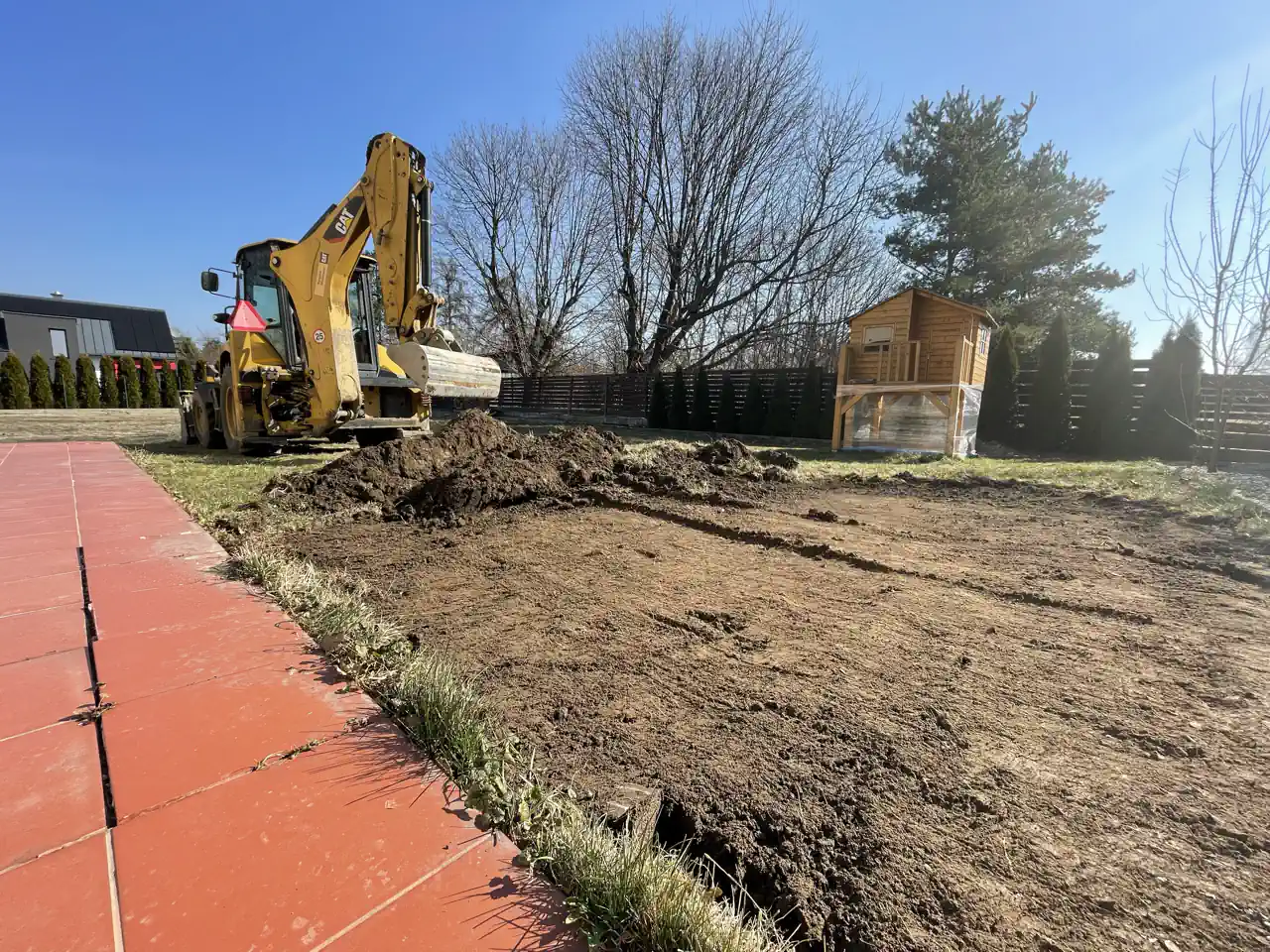
Earthworks are a crucial stage in garden setup, ensuring the durability and functionality of the space. Proper leveling and grading eliminate water problems and prepare the ground for subsequent steps.
Key Elements of Earthworks:
- Determining and marking levels
- Removing old turf and excess soil
- Filling holes and leveling mounds
- Creating appropriate slopes
- Preliminary leveling of the terrain
Well-executed earthworks will shape your garden. Check out our comprehensive guide on Earthworks – Preparing the Plot for a Garden and learn how to prepare the ground step by step for your dream green space!
Garden Soil – Filling Deficiencies
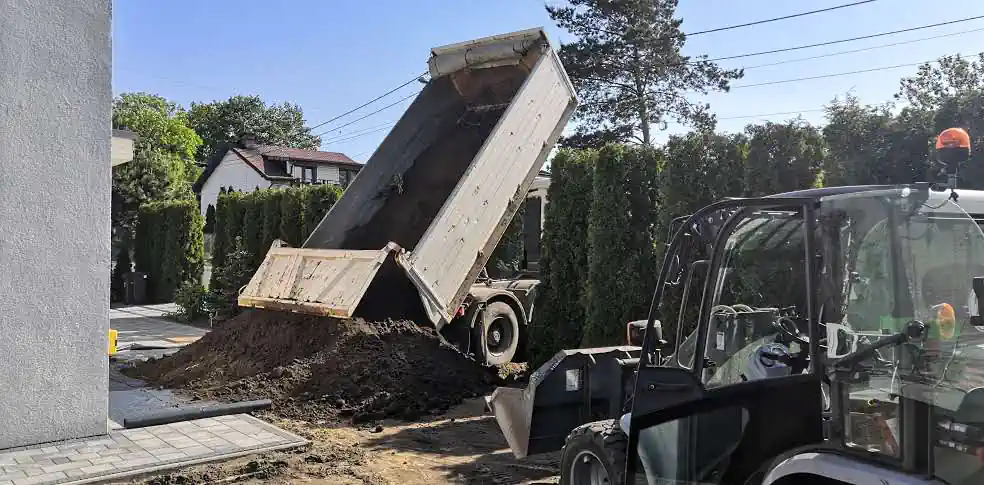
Bringing in soil is a stage that helps fill gaps in the substrate and prepare the soil for further work. Proper garden soil is key to achieving the desired look for your green corner. It significantly impacts the quality of the lawn, garden beds, flower beds, and the healthy growth of trees and shrubs. 🌱
Key Steps in Bringing in Soil:
- Measurement and calculation
- Checking soil parameters with suppliers
- Ordering and delivering soil to the property
- Spreading garden soil
- Leveling the delivered soil
Wondering how much soil per square meter is needed for the garden? Calculate it with our soil calculator 🟰. Understanding how to improve soil quality will ensure your plants thrive from the start.
Other Garden Works
Fencing the House and Plot
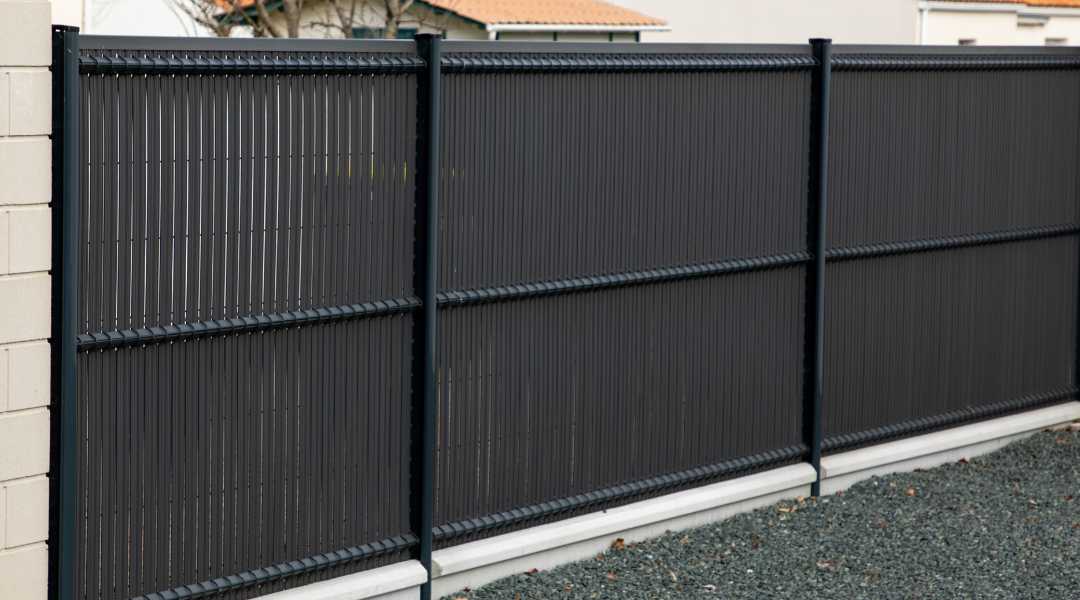
Fencing is an essential element of any garden, providing security, privacy, and an aesthetic finish to the space. It can have decorative qualities or be a simple mesh fence. Choosing the right material and careful execution affect the durability and appearance of the entire property.
Key Steps in Fence Installation:
- Choosing the type of fence
- Measuring the area
- Fence design
- Preparing foundations
- Installing elements
- Finishing touches
A solid fence is not only a practical security measure but also an element that highlights your garden's character. If you prefer not to surround the plot with a traditional wall, you can choose plant species and varieties that create beautiful, natural fencing. 🌿 It's also worth remembering that enclosing the plot with a fence can significantly impact the access of heavy equipment needed for garden works.
Deep and Abyssinian Wells
A well is an excellent solution to keep your garden looking beautiful throughout the season. The initial cost of a deep well is a significant expense, but for large plots, it pays off quickly – usually within 2-5 years. Use our well drilling prices calculator to estimate costs for your property.
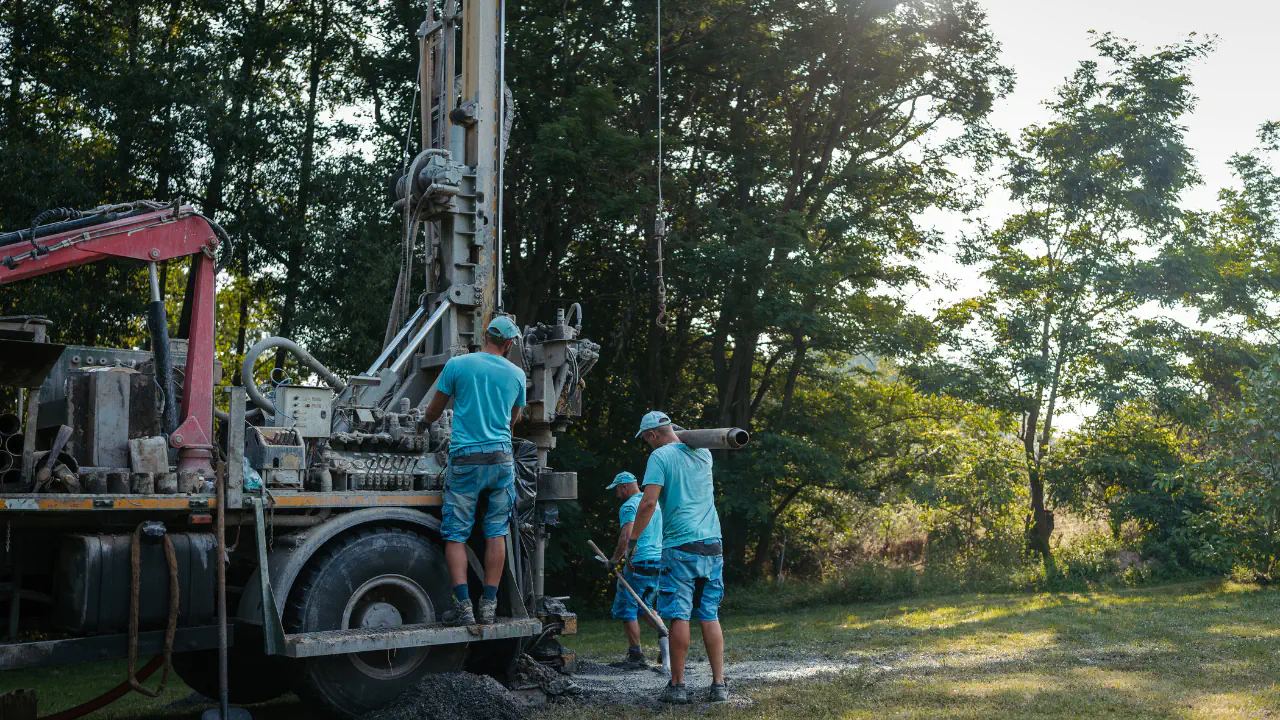
Constructing a deep or shallow well requires specialized knowledge and equipment. Building a well involves various elements beyond the knowledge of an average amateur gardener. Therefore, it's advisable to commission a professional drilling company to construct the deep well. Once installed, understanding well water irrigation systems helps maximize your investment in sustainable garden watering.
Rainwater Harvesting Tank
Installing a rainwater tank is a practical solution that helps save water and reduce garden watering costs. Especially for smaller gardens, it's worth considering installing tanks. On large areas, a tank is usually not cost-effective as a supply for the irrigation system. Learn more about rainwater harvesting systems and their benefits.
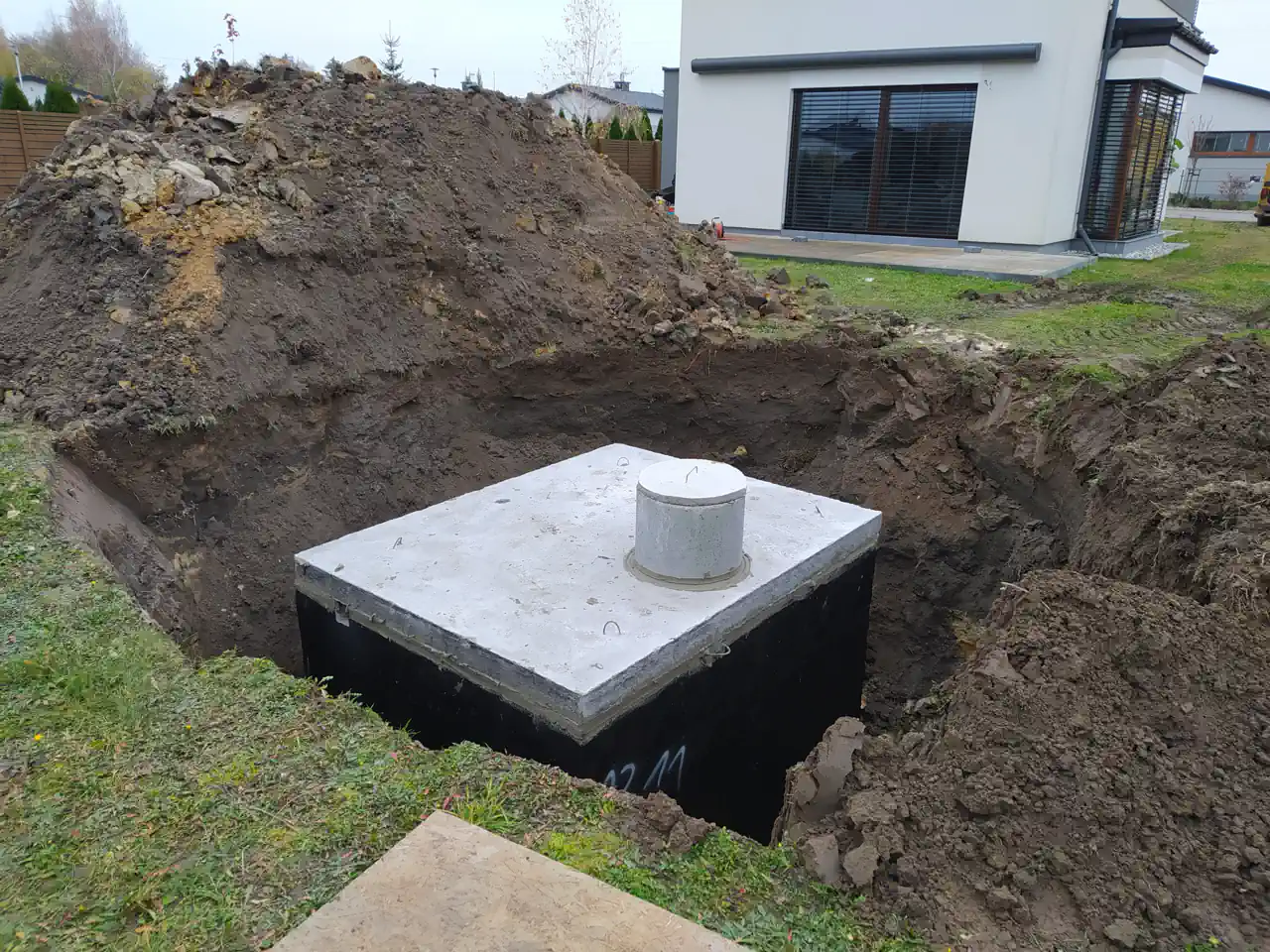
Key Steps in Installing a Rainwater Tank:
- Selecting the location
- Excavating for the tank, preparing the bottom of the hole
- Placing the tank using heavy equipment
- Evenly filling and backfilling the tank
- Connecting gutters collecting water from the roof
- Creating an overflow – a dispersing drainage system from the tank
Water storage is an eco-friendly solution that works well in some gardens. Learn how to plan and install a rainwater tank step by step. Proper garden water supply planning ensures reliable access for all your landscaping needs.
Plot and Garden Drainage
Sometimes, parts of the garden or the entire area experience water drainage problems. Periodic or constantly present puddles, marshes, and water stagnation occur.
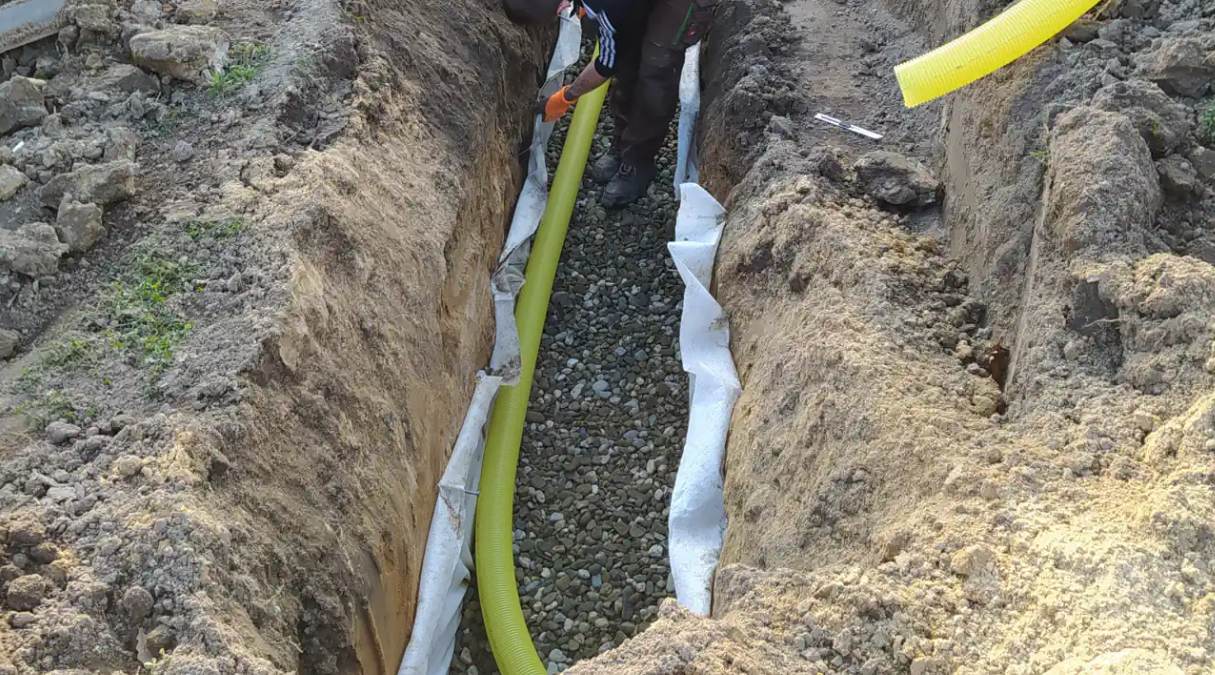
Plot drainage is an effective method to remove excess water, especially in areas with poor soil permeability or prone to flooding. Maintaining your green oasis will require such a solution.
Key Steps in Garden Drainage Installation:
- Checking site properties
- Planning works and drainage layout
- Digging trenches
- Laying drainage pipes, covering with stones, and wrapping with geotextile
- Backfilling trenches
- Constructing a soakaway or directing water to a ditch
Garden drainage improves soil conditions and protects the garden from excess water. A garden is a living organism; both excess and lack of water are undesirable. Calculate the cost of garden drainage with our garden drainage cost calculator.
Retaining Wall in the Garden
Retaining walls made of precast concrete are a functional and aesthetic solution that helps manage a garden on uneven terrain. Appropriate solutions and installation ensure stability and better space utilization.
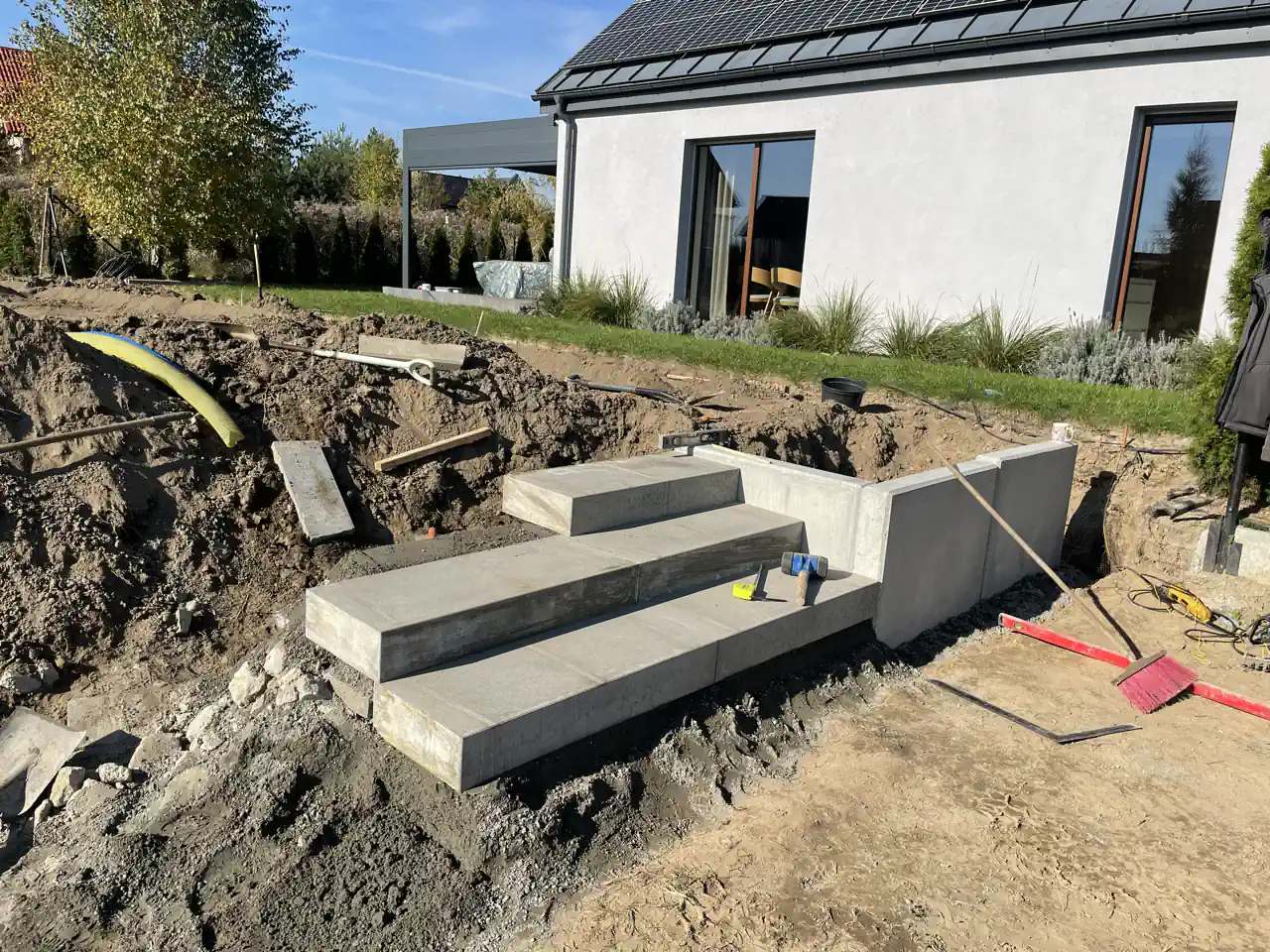
A wall in the garden is an alternative to creating a slope planted with plants. A slope is a much cheaper solution, which is crucial for more budget-conscious projects.
Key Steps in Installing Retaining Walls:
- Marking elements on the ground
- Excavating soil for the retaining wall
- Preparing the base layer
- Installing precast elements
- Installing linear drainage
- Backfilling and compacting soil behind the wall
Retaining walls made of precast concrete or stone are a reliable method to level the plot, increasing its usable area.
Installing a Garden Pergola
Modern pergolas are not only practical garden elements but also a unique way to add style and functionality to the space. Properly installed structures provide a place to relax and shelter from the sun, rain, and unwanted neighborly glances. Explore modern pergola design options that complement contemporary landscaping styles.
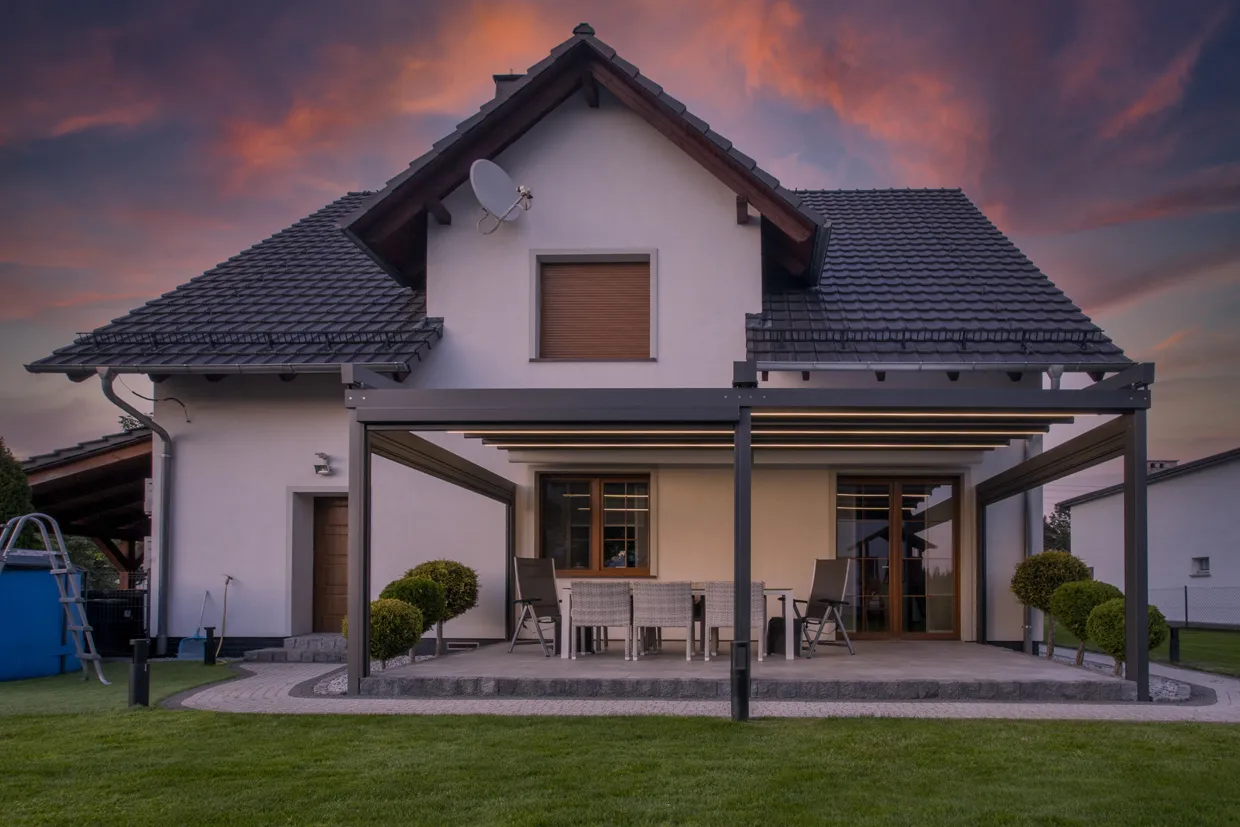
In most cases, when purchasing a pergola, it's advisable to commission its installation to professionals, such as Twigo. Large and heavy structures with automation and complex elements are not easy to install. However
Executing Other Heavy Works on the Plot
When the plot is still undeveloped, it's the perfect moment to make use of heavy equipment. This significantly facilitates tasks such as excavations, grading, or installing structural elements.
Carefully planned work at this stage minimizes the risk of damaging the future garden and helps reduce overall landscaping costs. Working with a professional landscape architecture firm ensures these complex tasks are handled expertly.

Consider What Additional Works May Be Needed:
- Excavations: garden pond, lake, water reservoir, root cellar
- Installations: sewage treatment plant, in-ground pool, rainwater drainage, heat pump
- Foundation works: garden sheds, orangeries, conservatories, carports, garages
- Utility connections: power and water for garden pavilions, tool sheds, outdoor kitchens, solar panel systems
Professional garden utility installation ensures all infrastructure is properly planned and executed during the heavy works phase.
Paving Works and Surface Installation
Hardscaping is a key element in organizing the outdoor space. It allows you to create functional driveways, paths, patios, and various types of surfaces.
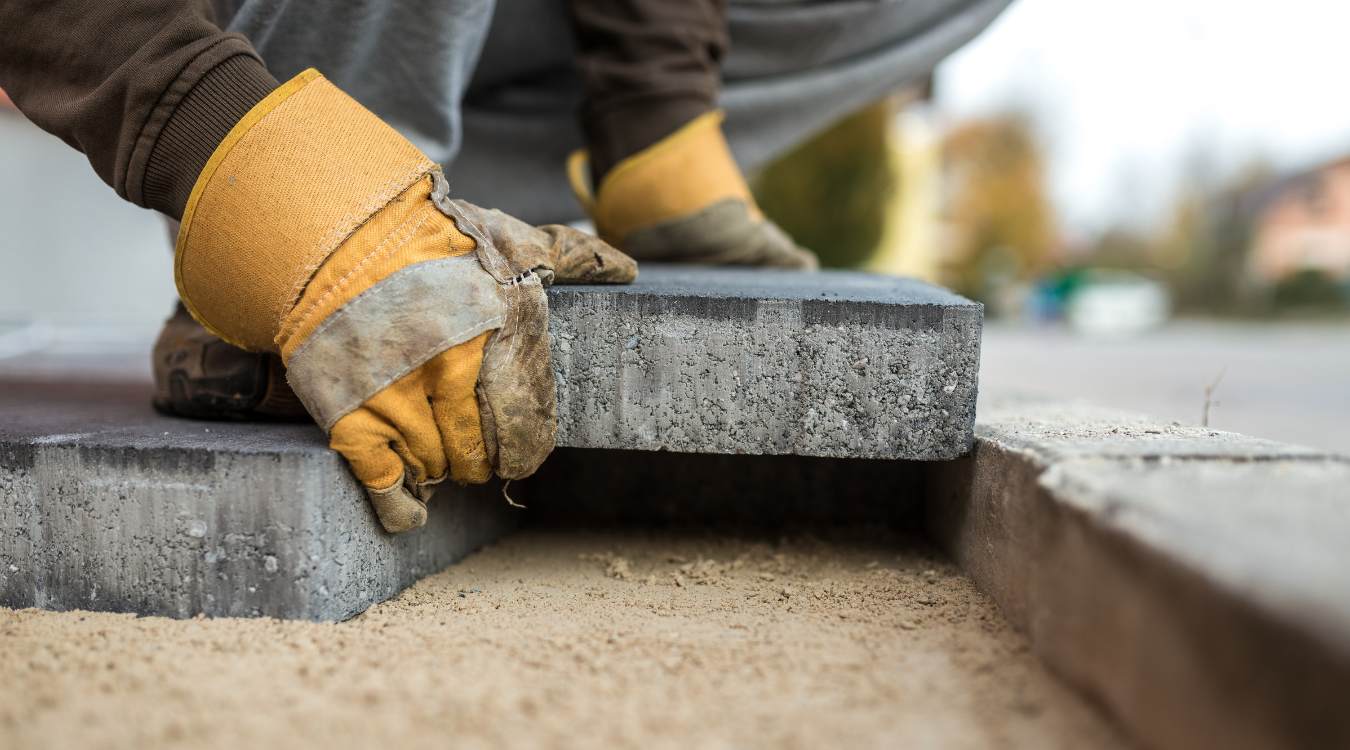
Convenience of use, ease of maintenance and cleaning, practicality and attractive appearance are the main elements we should pay attention to when planning such solutions. Proper surface installation requires following specific steps. Calculate material needs and expenses with our paving cost calculator.
Key Benefits:
- Easy to use
- Low maintenance
- Practical and aesthetic
Key Steps:
- Surface layout and design
- Ground excavation
- Installing conduits
- Sub-base preparation
- Installing edging
- Laying the surface
- Finishing and cleanup
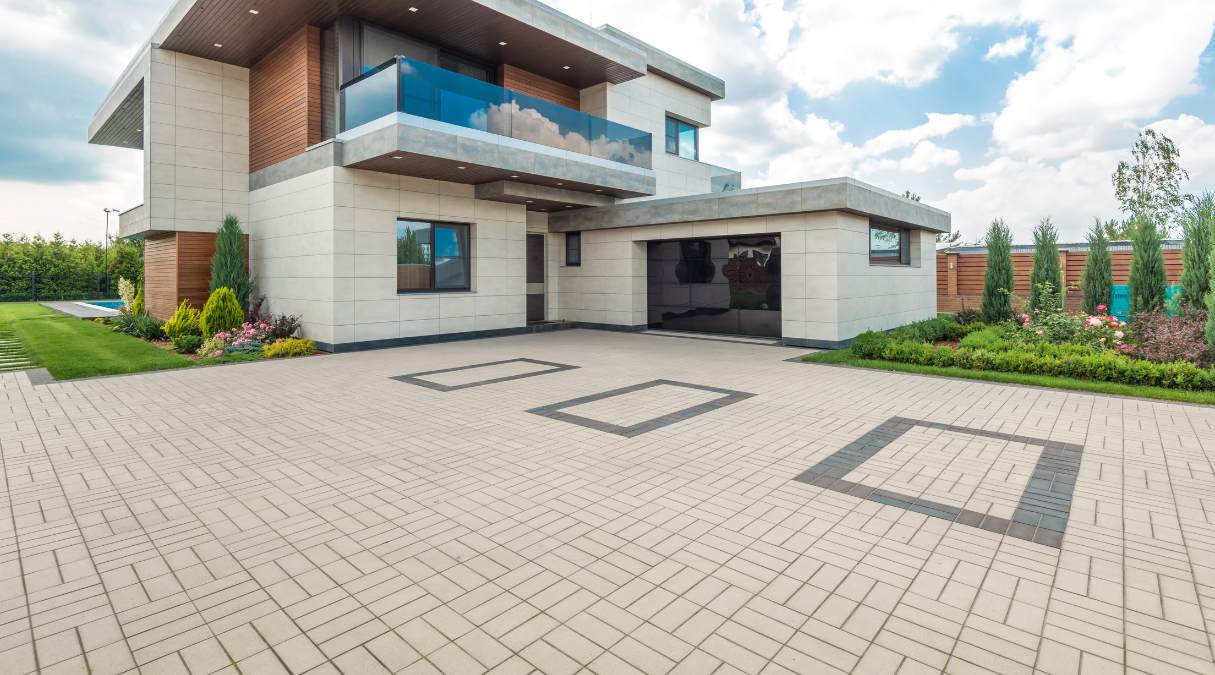
Driveway Construction
Driveways and vehicle-access areas must be built to withstand heavy loads. This requires a thicker sub-base and thorough compaction compared to patios or walkways. Materials often used include decorative pavers, concrete slabs, geo-grids, and natural stone.
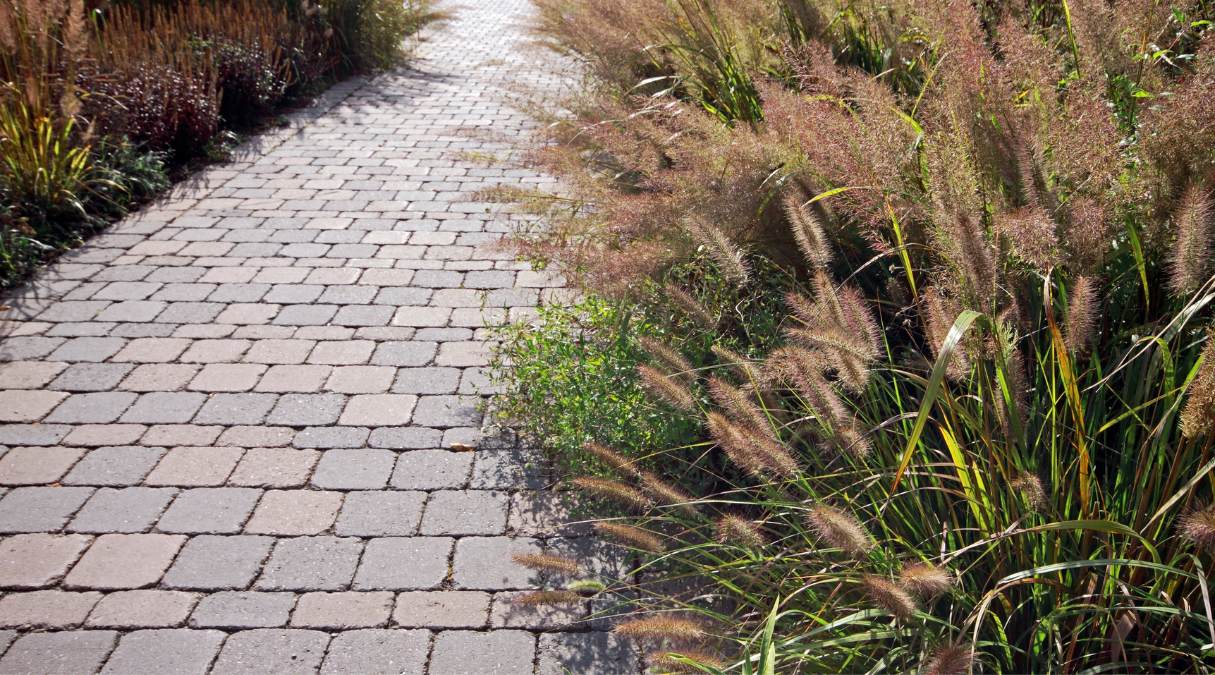
Garden Paths
Pathways should be tailored to the garden's style and function. It's important to plan for appropriate width, layout, and slope for proper water runoff. Common materials include decorative concrete pavers, large-format slabs, natural stone, and gravel.
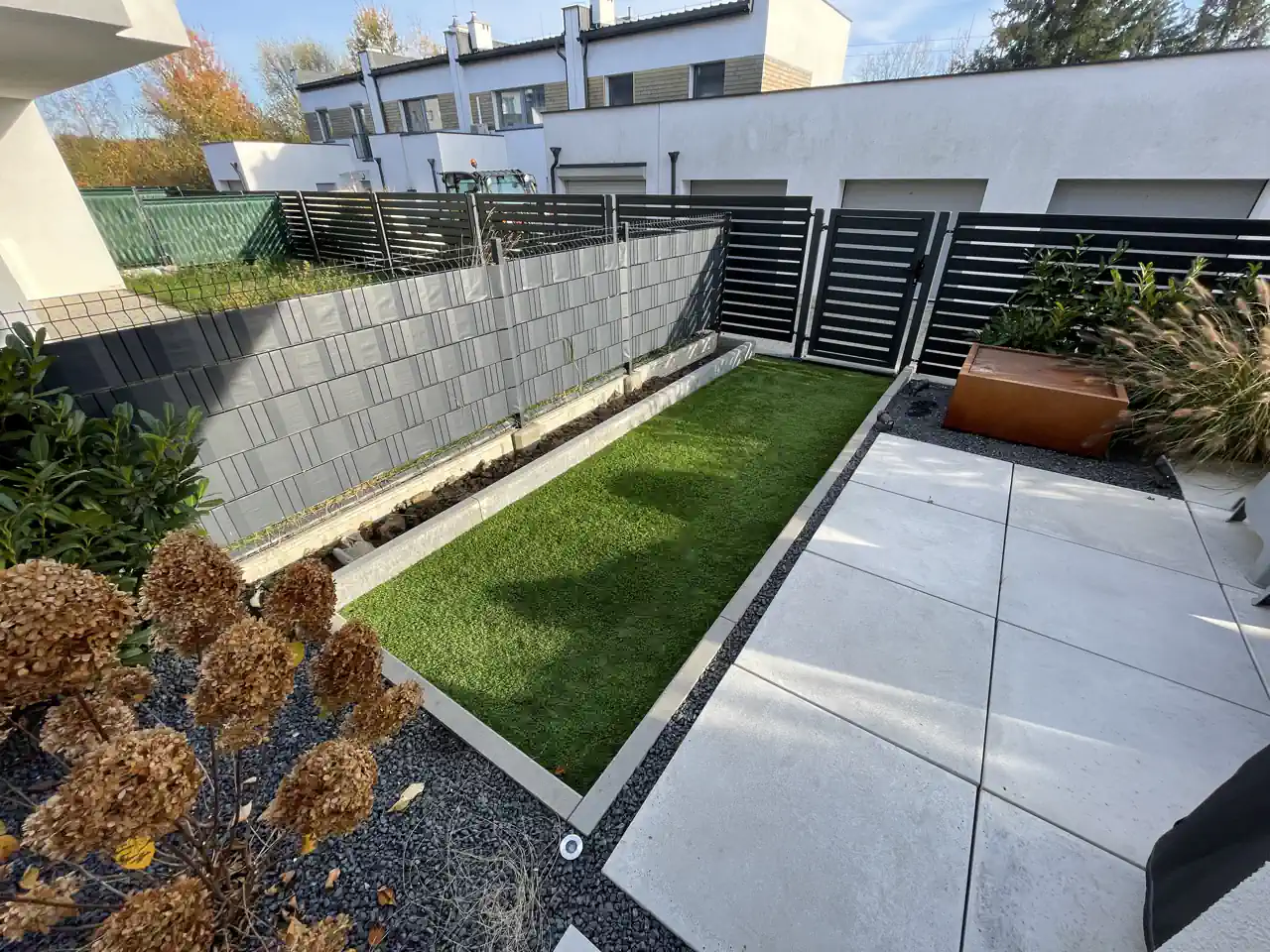
Garden Terrace
Terraces are both recreational and aesthetic focal points. Choosing durable and visually appealing materials is key. Plan enough space to accommodate all garden furniture and desired features.
Popular choices: concrete slabs, decorative concrete blocks, quartz slabs, and natural stone.
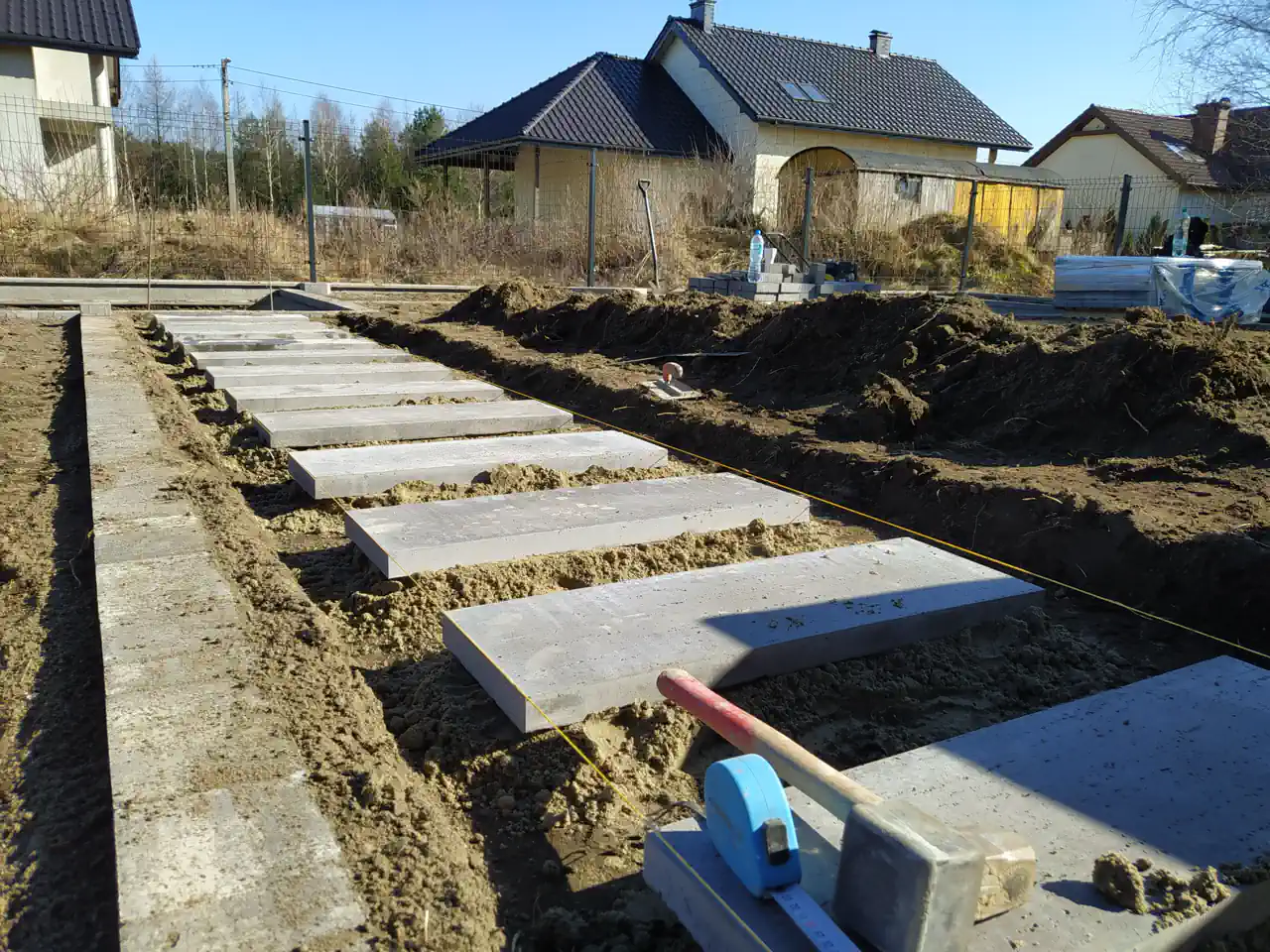
Stepping Stones in Lawn and Beds
Stepping stones made from concrete or stone are great for creating natural-looking walkways through lawns or flower beds. They help protect the grass from wear and lead to key garden areas like patios or pergolas.
Top materials: concrete slabs, stone tiles, wood.
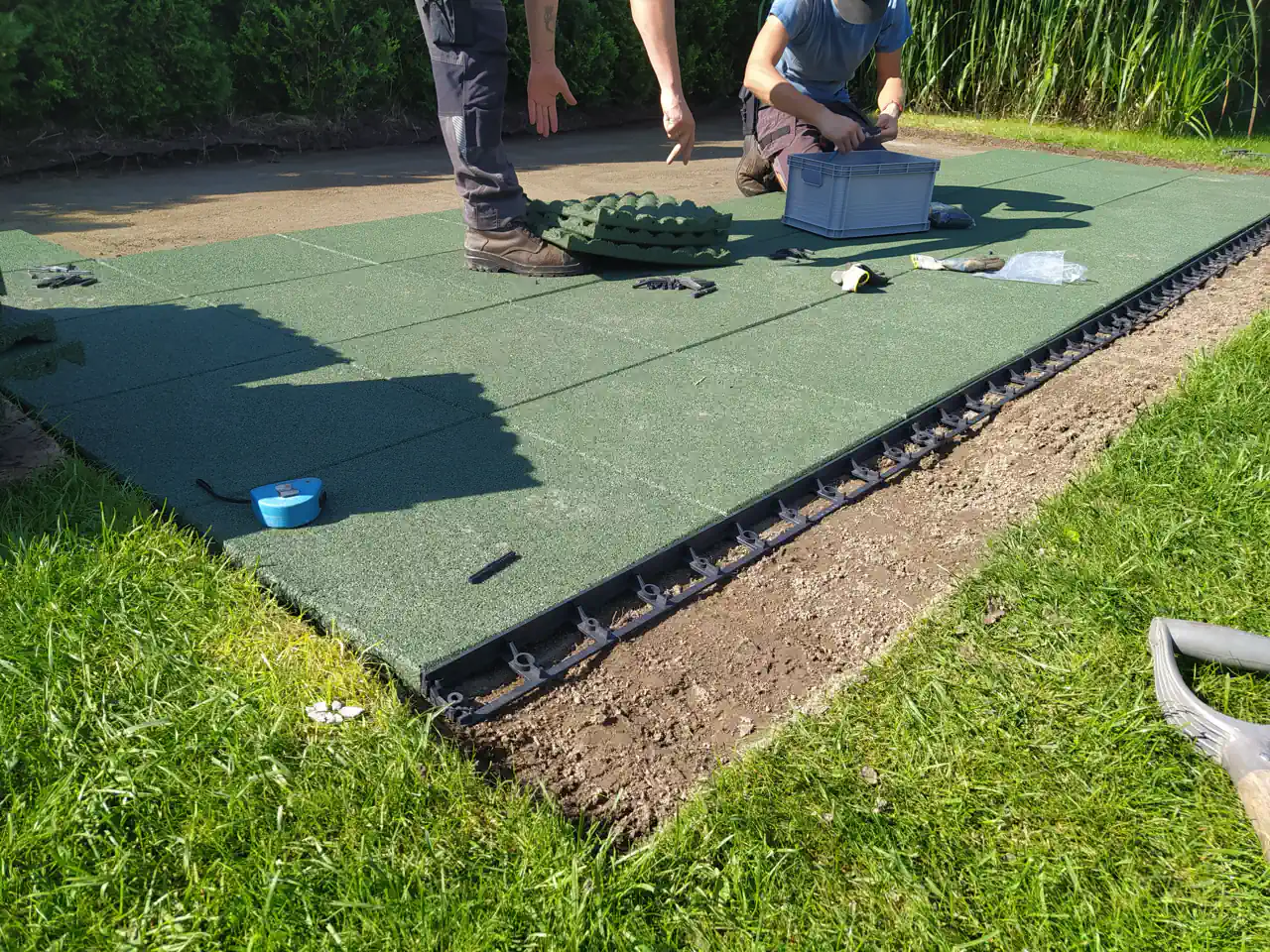
Safe Playground Surfaces
Safety surfacing is essential in areas like play zones, where fall protection is crucial. Poured or prefabricated polyurethane surfaces minimize injury risks.
Natural alternatives include fine gravel, mulch, bark, or soft wood chips—commonly used near playgrounds, sandpits, and outdoor gyms.
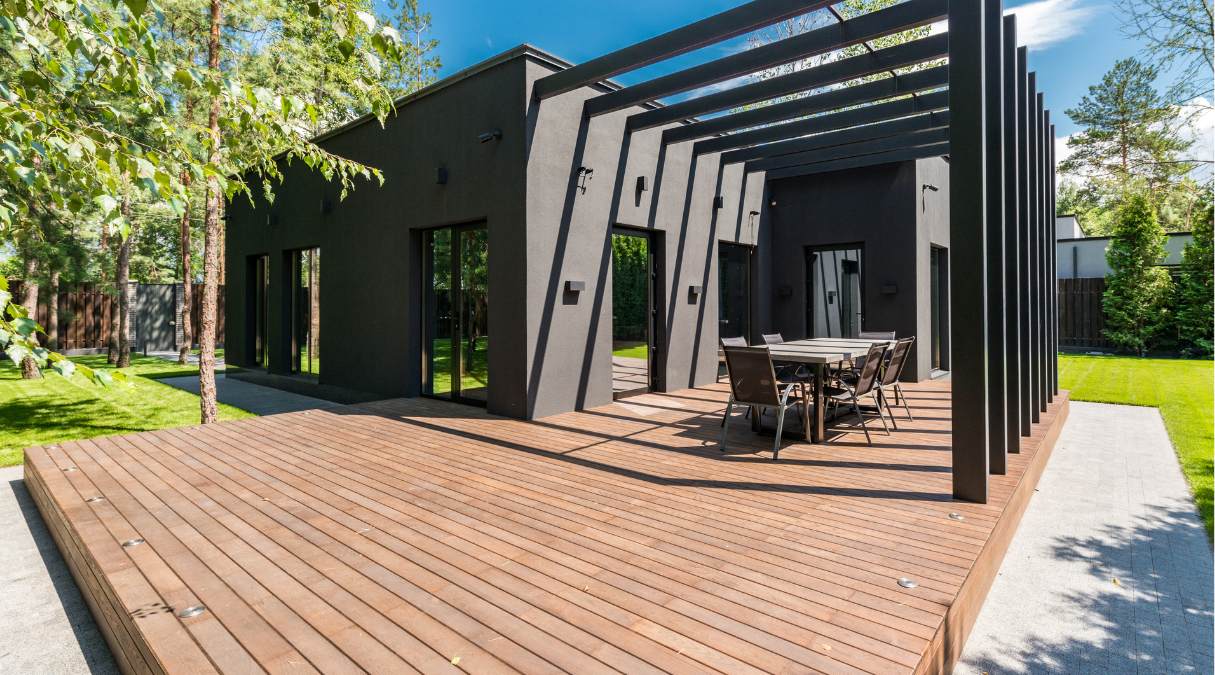
Wooden and Composite Deck Construction
Wood or composite decking brings warmth and character to a garden. A well-designed and professionally installed deck ensures long-term durability and comfort.
Key Steps for Building a Wooden Deck:
- Planning and design
- Ground preparation
- Building the structural frame
- Installing decking boards
- Finishing touches
Installing Key Garden Systems
Garden Irrigation System

A well-designed garden irrigation system makes watering effortless and ensures your plants receive the right amount of moisture without manual effort. When installed correctly, it provides consistent coverage throughout your landscape. Professional garden irrigation systems ensure optimal water distribution and plant health.
Key Steps to Installing Garden Irrigation:
- Design a custom irrigation layout
- Purchase components based on the plan
- Dig trenches for piping
- Install pipes, sprinklers, valve boxes, and other elements
- Connect the system to your water supply
- Test and fine-tune the setup
An automated irrigation system is a smart investment that saves water and time while promoting healthy plant growth. Want to learn how to plan and install it? Consider sprinkler installation for comprehensive lawn coverage. Use our garden irrigation cost calculator to budget for your system.
Outdoor Garden Lighting
Outdoor lighting enhances the beauty of your garden while improving safety and usability after dark. A properly planned landscape lighting installation ensures durability and energy efficiency. Comprehensive garden lighting planning creates stunning nighttime ambiance.
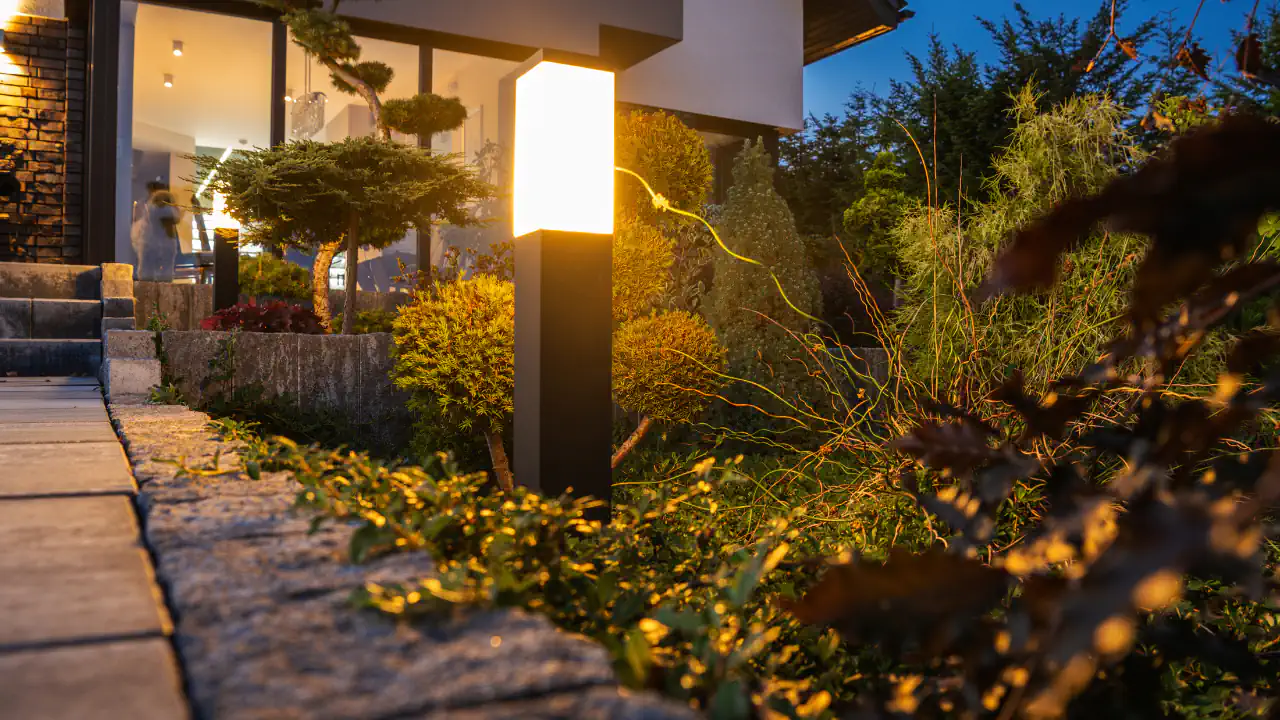
Key Steps for Garden Lighting:
- Create a lighting plan
- Prepare trenches for wiring
- Lay cables and position fixtures
- Install lighting components
- Connect to power supply
- Test all elements
Strategic lighting adds ambiance and functionality. For safety and reliability, we recommend hiring a certified electrician. Understanding garden electrical planning ensures proper installation.
Garden Construction – Landscaping and Preparation
Preparing the Soil for Lawn and Flower Beds
Proper soil preparation is essential before laying turf or planting beds. Well-leveled, aerated soil promotes root health, drainage, and a clean finish for all your greenery. Understanding when to plant garden elements ensures optimal growing conditions.
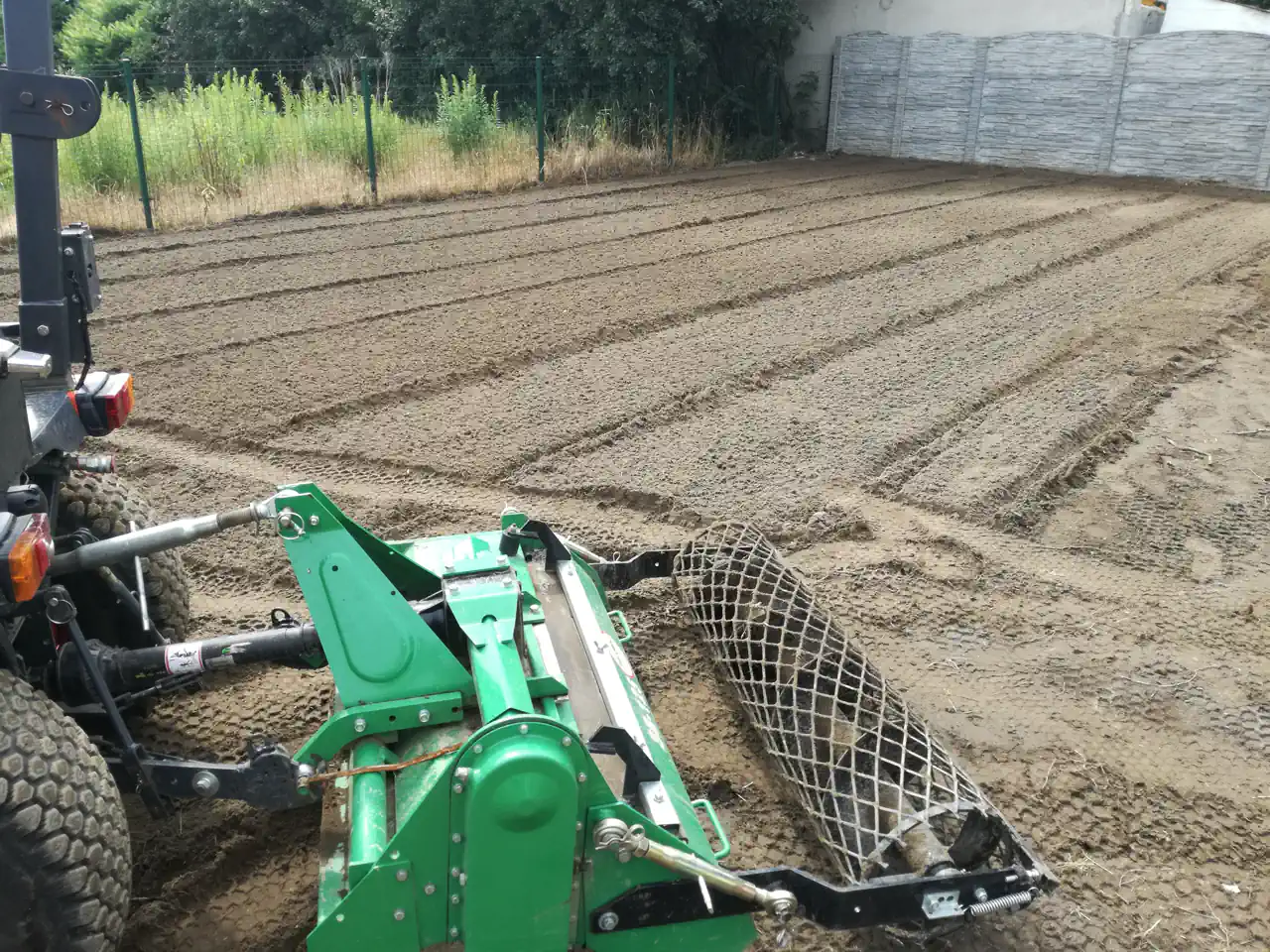
Key Steps:
- Distribute topsoil
- Rototill the ground
- Level the area by machine or by hand
- Rake and clear debris
- Compact the soil using a roller
- Final touch-ups by hand
Laying Landscape Fabric for Plant Beds
Using landscape fabric helps suppress weeds and improves soil conditions for plants. While no method eliminates weeds entirely, this step significantly reduces weeding time and effort.
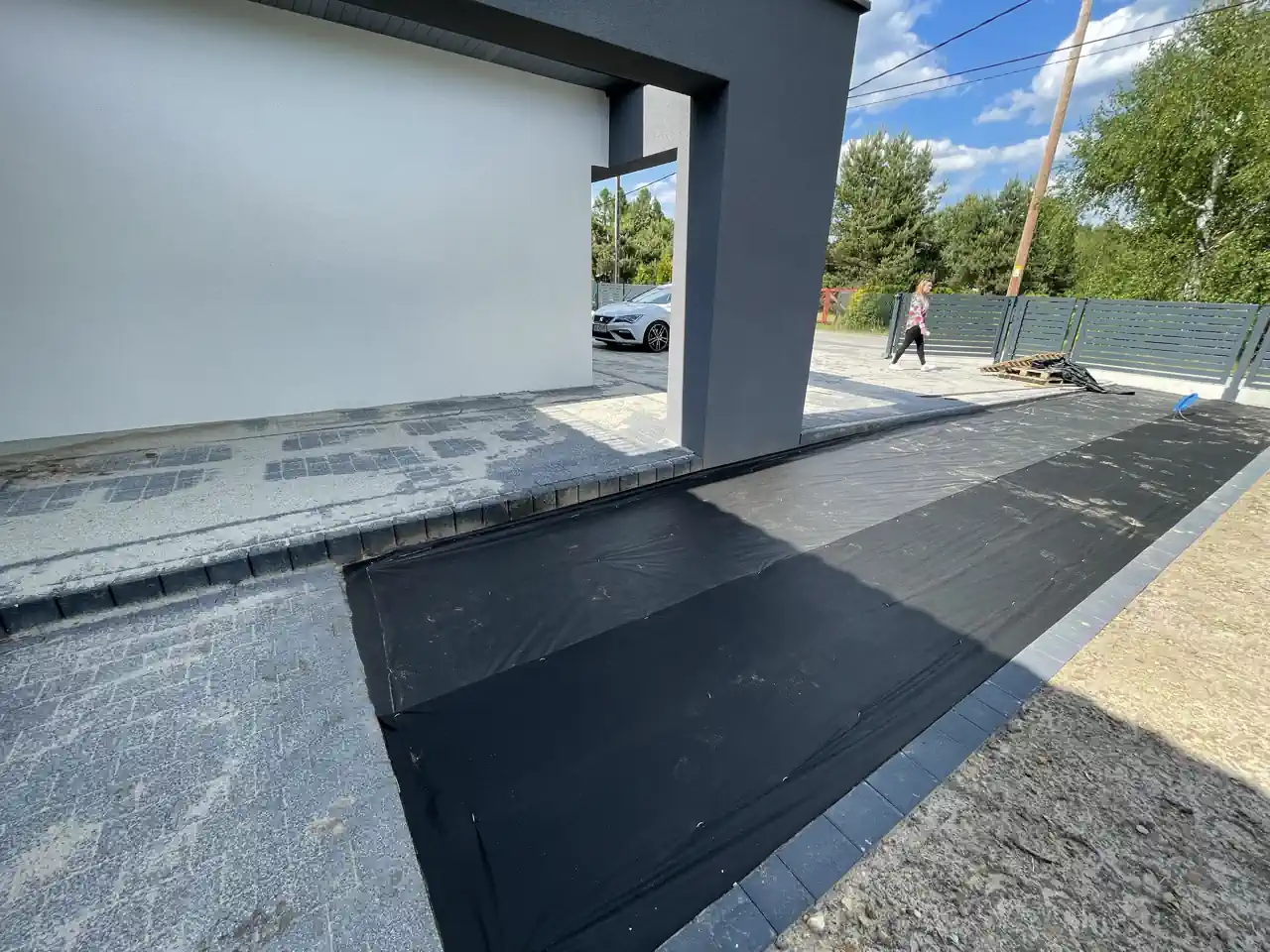
Key Steps for Laying Landscape Fabric
- Outline planting bed shapes
- Roll out the fabric
- Secure with landscape staples or pins
- Stretch and adjust the fabric
- Trim excess material
A properly installed landscape fabric ensures neat, long-lasting planting beds with fewer maintenance headaches.
Installing Garden Edging
Key Steps for Installing Plastic Edging
Plastic Edging (Eco-Borders) – A fast and inexpensive way to define garden beds and pathways. However, as landscape designers, we don’t recommend this option due to comfort issues and maintenance difficulty over time.
- Mark out the shape of the beds
- Lay edging along the outline
- Tuck fabric underneath the edging
- Anchor with pins
- Make finishing adjustments
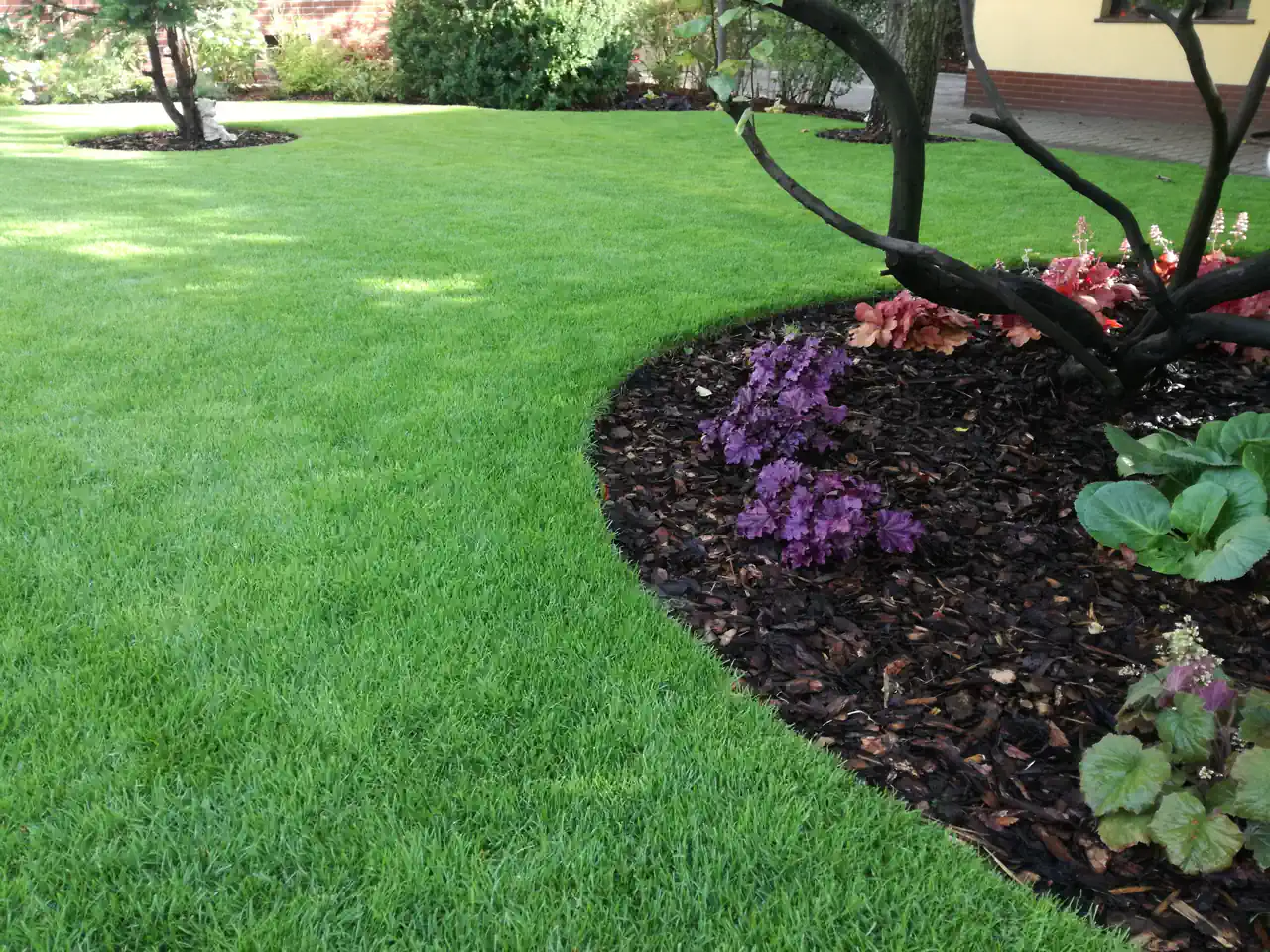
Key Steps for Installing Paver Edging
Concrete or Paver Edging – A durable and aesthetic solution that offers a clean finish. Ideal for gardens with robot lawn mowers or high-traffic areas.
- Outline the path
- Dig a trench
- Pour a concrete base
- Install pavers at correct levels
- Reinforce with side concrete
- Level the surrounding ground
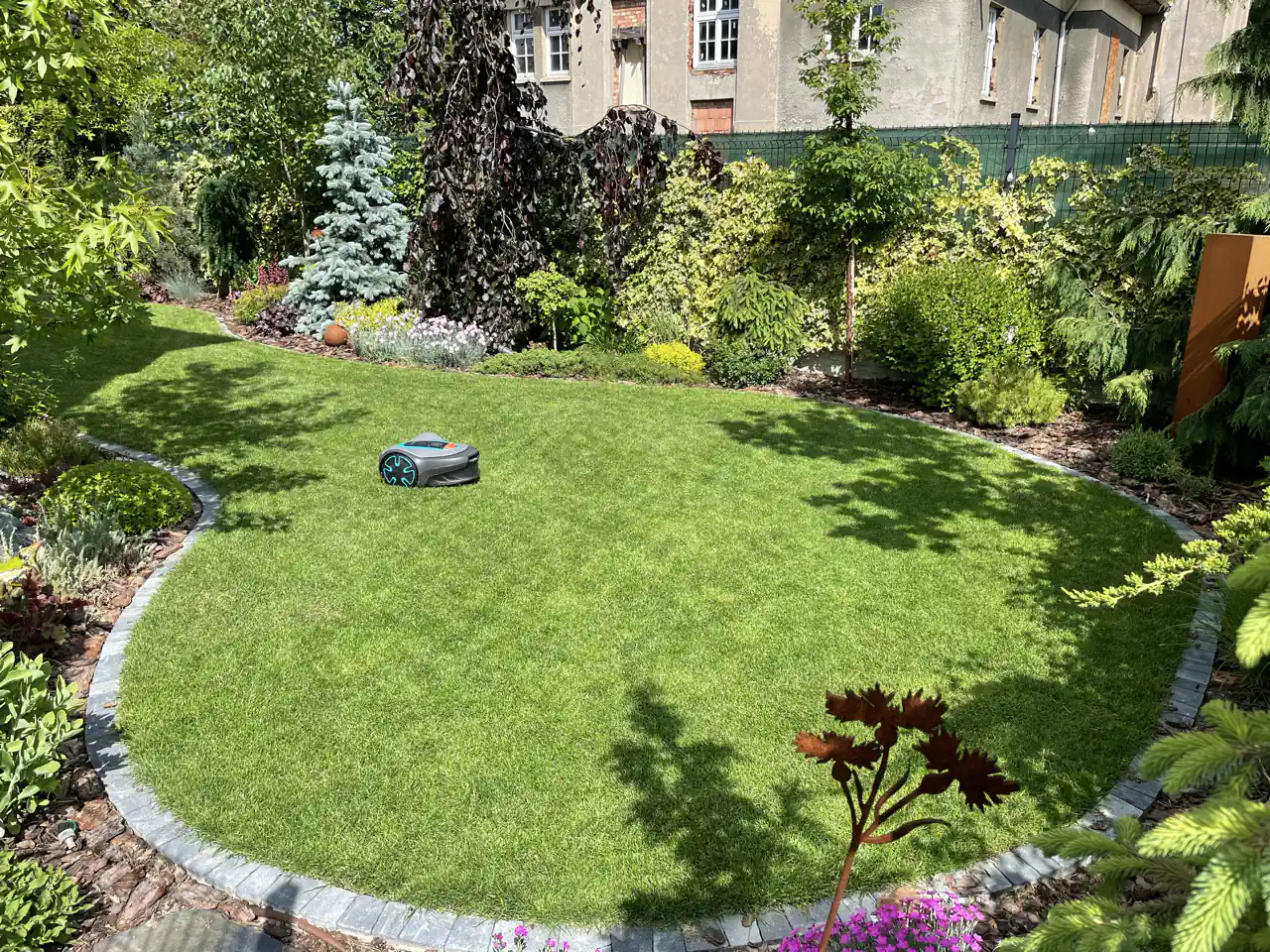
Key Steps for Installing Granite Edging
Granite Block Edging – Premium and long-lasting, granite works beautifully in both modern and classic gardens. Its natural look blends well with greenery and stands the test of time.
- Mark edging lines
- Excavate the trench
- Pour concrete base
- Set granite stones to level
- Create side supports
- Grout joints
- Clean off excess mortar
- Grade surrounding soil
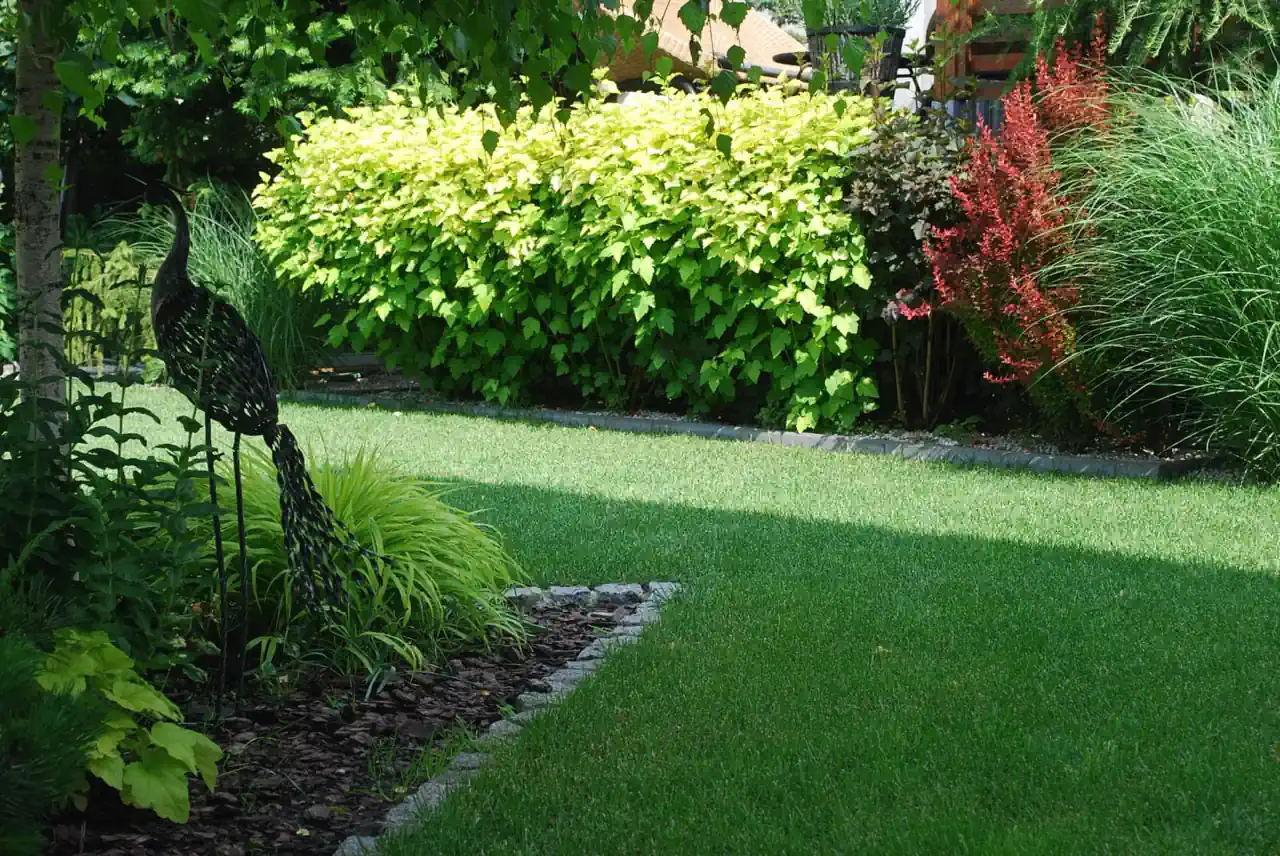
Planting Your Garden
Planting brings your landscape to life, shaping a vibrant, lush environment. This phase determines the future health and beauty of your plants. Soil prep, planting technique, and bed finishing are all essential. Creating beautiful flower bed design requires careful plant selection and placement.
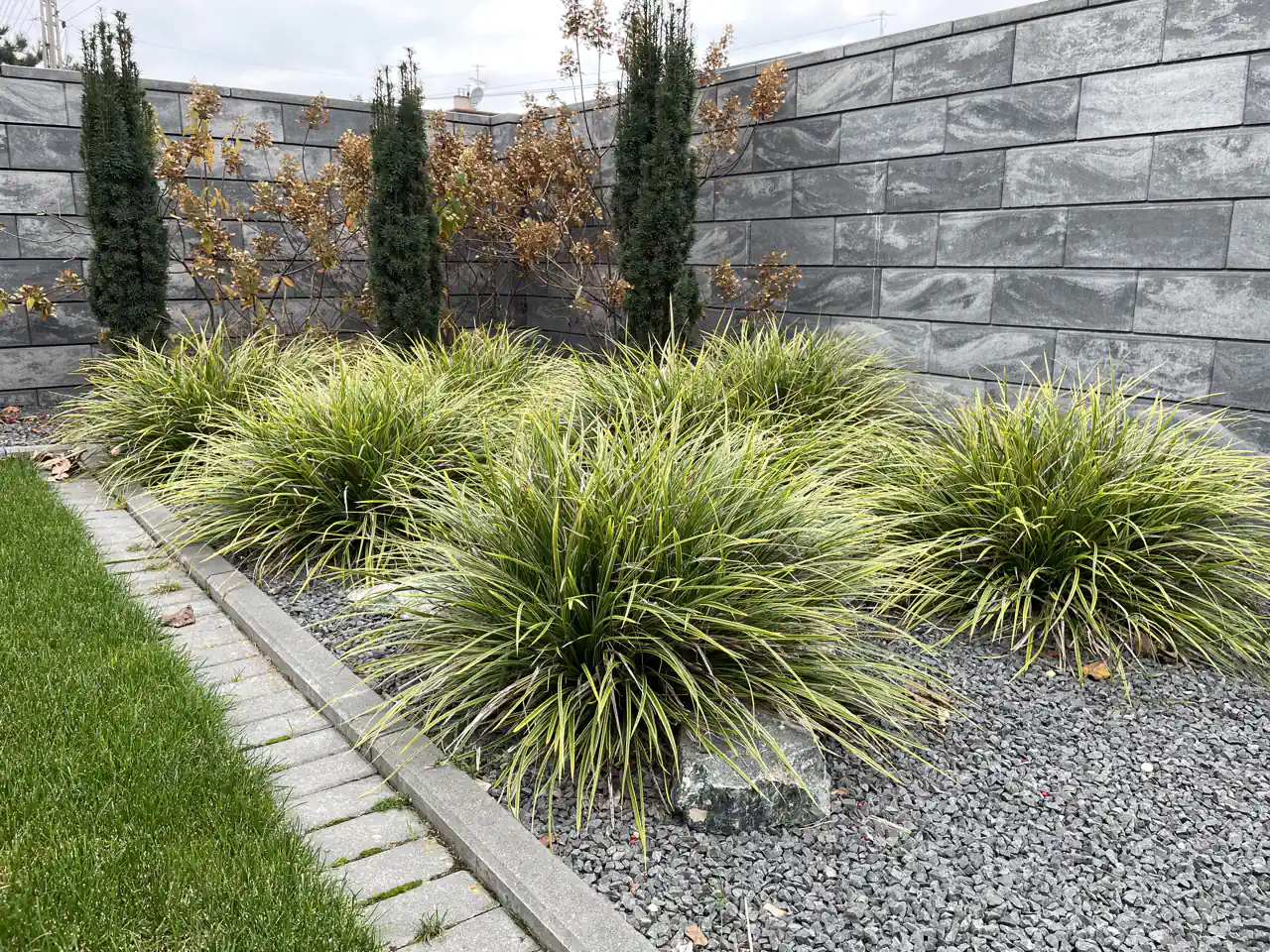
Key Steps for Planting
- Prepare the planting area
- Cut holes in the fabric for plants
- Place root balls and backfill
- Firm the soil (stake trees if needed)
- Water thoroughly
- Add mulch
- Clean up the site
🌱 Explore our planting guides:
👉 Modern landscape trees
👉 Modern ornamental shrubs
👉 Ornamental perennial grasses
👉 Modern garden perennials
👉 Modern evergreen plants
Calculate mulching needs with our mulch calculator to ensure proper coverage and plant health.
Installing Mole Netting
Mole netting protects your lawn from tunnel damage caused by moles and voles. When installed under sod or seed, it prevents animals from disturbing the turf.
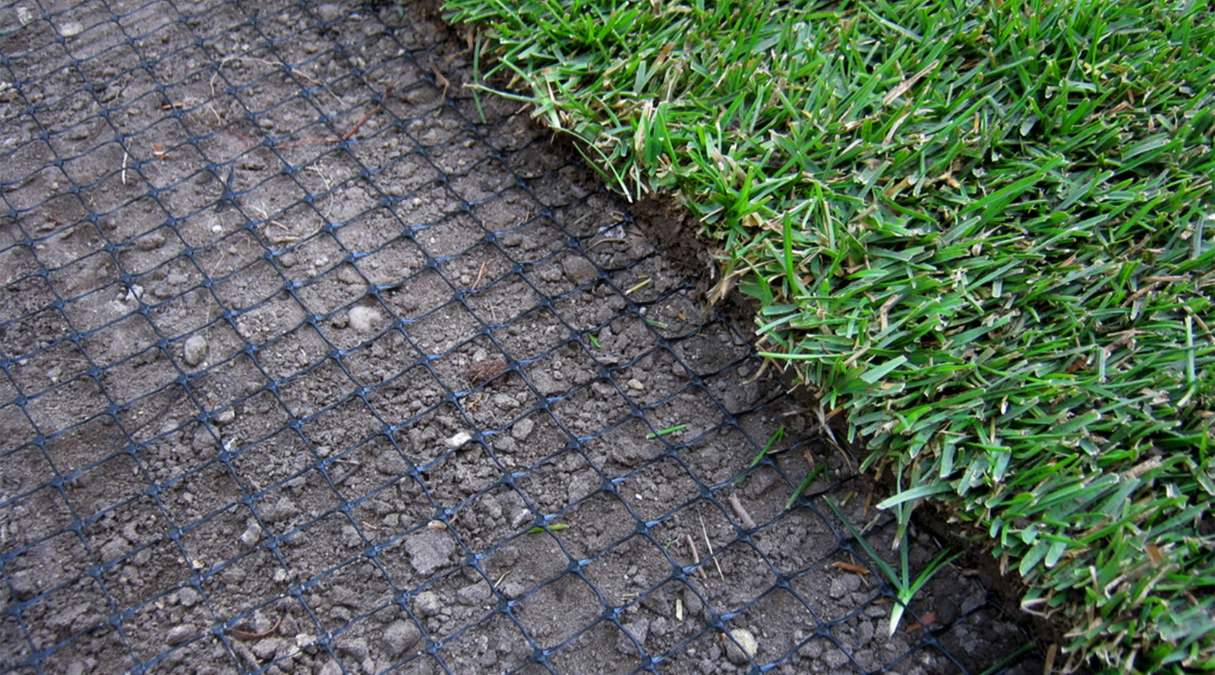
Key Steps for Installing Mole Netting
- Prepare the ground
- Unroll and secure the netting
- Add topsoil (for seeded lawns)
- Lay sod or seed the area
Lawn Installation – Sod vs. Seeding
Sod Installation (Instant Lawn)
Want instant results? Sod is your best bet. When laid on prepared soil, it creates a lush, green lawn in just a day.
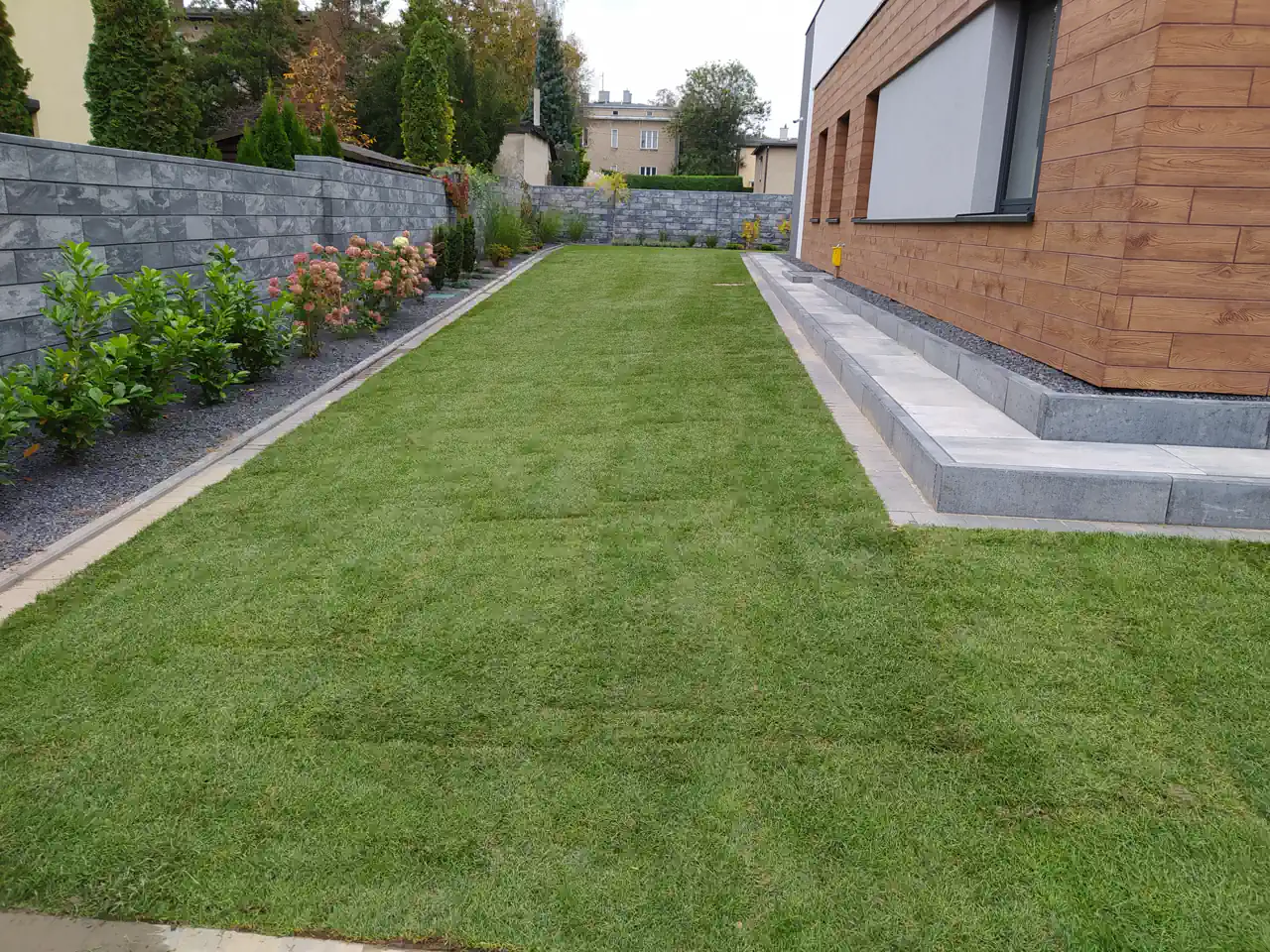
Key Steps for Sod Installation
- Prepare the ground
- Transport sod rolls to site
- Lay sod precisely
- Trim edges as needed
- Clear debris
- Water and roll the lawn
Sod is ideal for quick transformations but costs 2–3x more than seeding.
Lawn Seeding
More budget-friendly, seeding allows you to tailor your lawn to your garden’s unique conditions. It requires patience but offers long-term satisfaction.
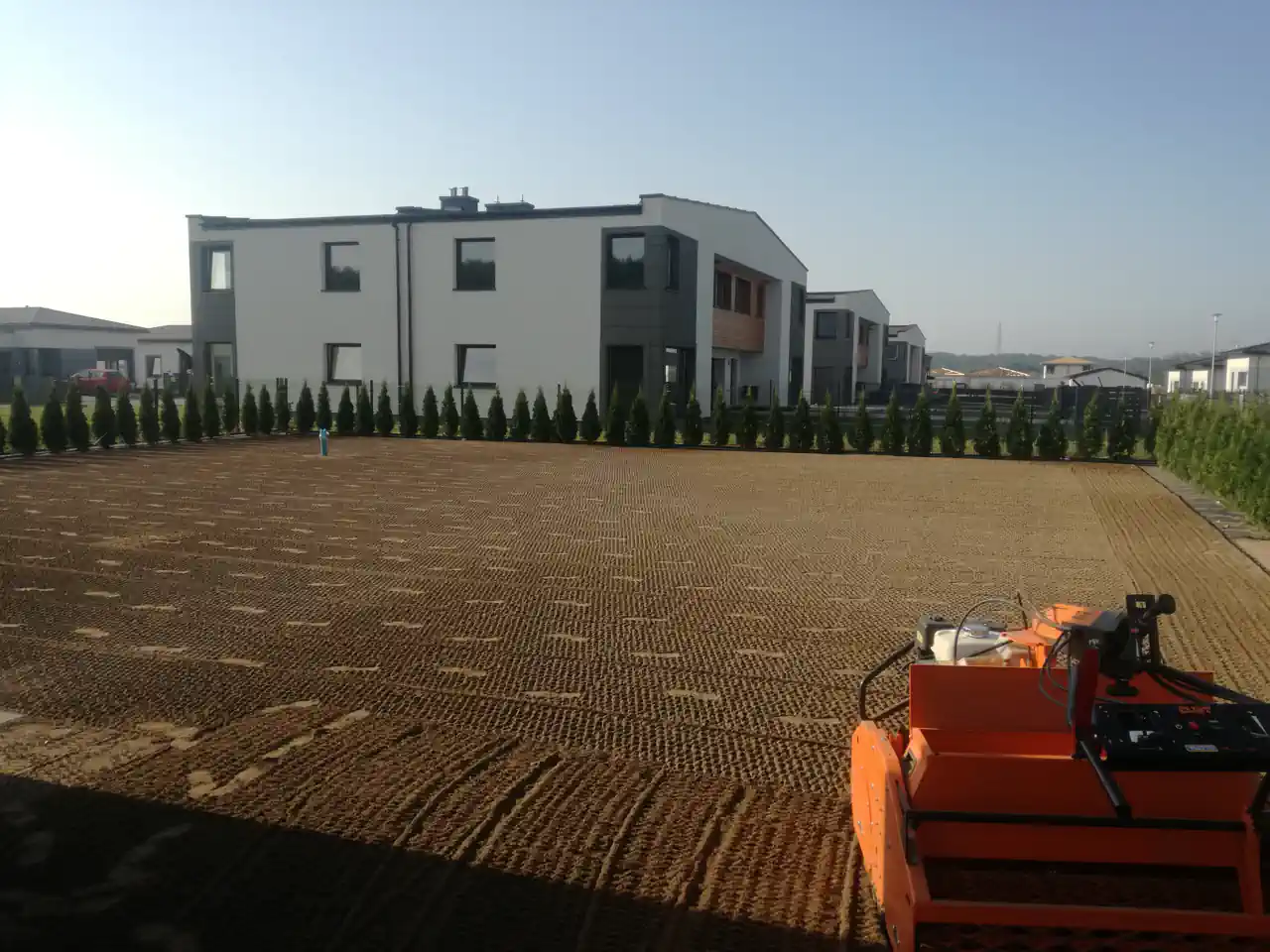
Key Steps for Lawn Seeding
- Prepare the ground
- Spread seed evenly
- Rake and roll the surface
- Apply starter fertilizer
- Water thoroughly
With consistent care, a seeded lawn can rival sod in appearance within 6–12 months.
Garden Care and Maintenance
Proper garden maintenance ensures year-round beauty and plant health. It prevents costly mistakes and supports the long-term success of your landscaping investment. Working with reliable professionals requires knowing how to choose landscaping company that meets your needs.
Basic Garden Maintenance Tasks
- Lawn Care – Dethatching, fertilizing, mowing, and aeration
- Plant Care – Pruning, fertilizing, watering, pest and disease control
- Seasonal Protection – Frost covers, snow removal, preventive sprays
- Irrigation System – Spring start-up, seasonal adjustments, fall shutdown
Consistent and proactive maintenance is the secret to a thriving garden.
Transform Your Vision into Reality
Creating your dream garden requires careful planning and expert execution. Whether you're starting from scratch or enhancing an existing space, professional guidance ensures optimal results. Modern garden design ideas combined with quality installation create outdoor spaces that exceed expectations.
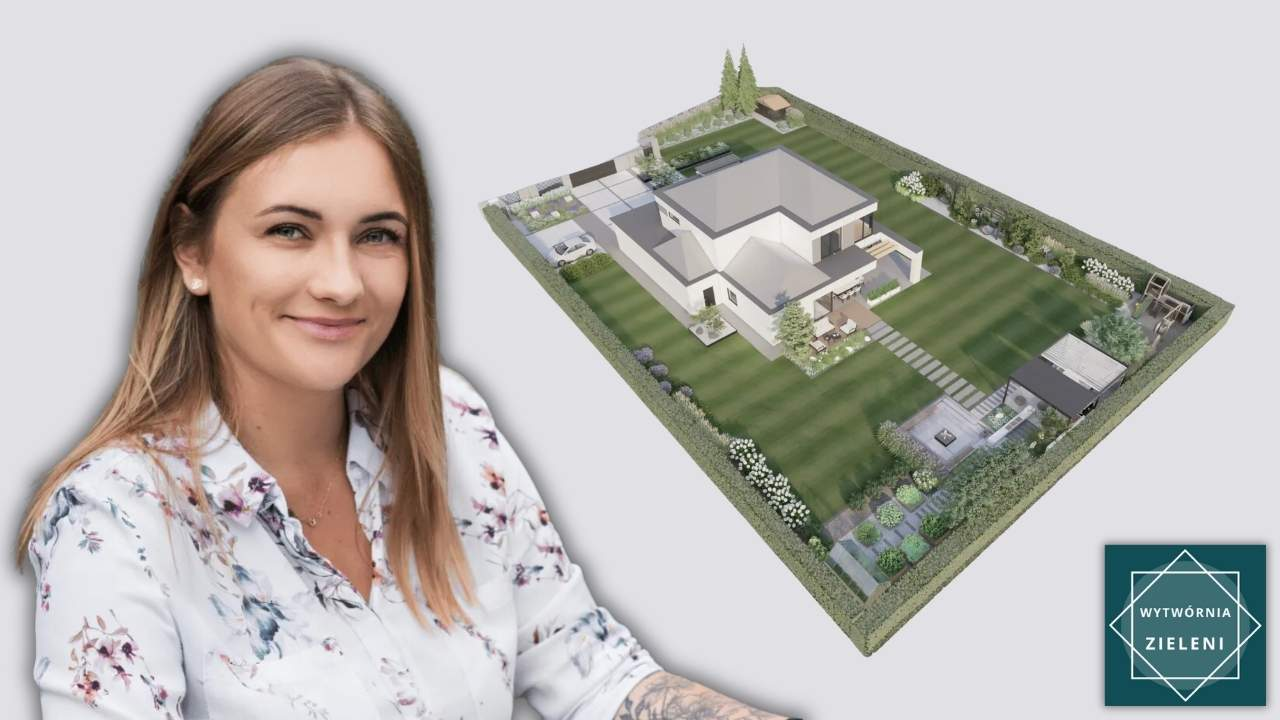
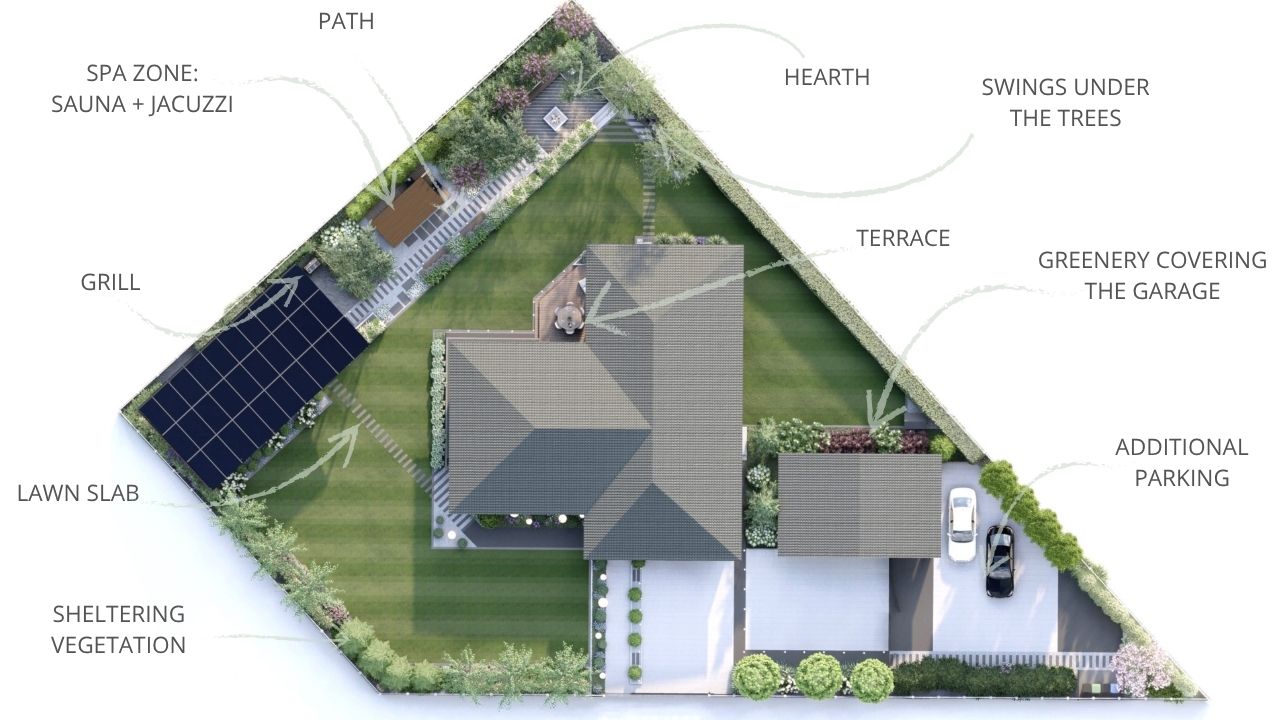
Consider a professional garden design consultation and discover how expert planning can bring your landscaping vision to life.
FAQ
What mistakes should I avoid when installing a garden?
- Lack of planning – A clear garden layout prevents chaotic design. Read our post on garden project planning
- Poor plant selection – Choose species suited to your soil and sunlight conditions. "Buy now, think later" approach – Divide your garden into functional zones before selecting plants.
- Incorrect maintenance – Overwatering or no fertilization can quickly ruin your plants.
Stick to this guide to avoid common pitfalls and design a garden you'll love. Understanding landscaping contractor guarantee protects your investment.
How do I design a garden?
- Define your needs – Relaxation area, veggie patch, or play zone?
- Make a plant list – Prioritize long-blooming, low-maintenance options
- Divide into zones – Lawn, planting beds, paths, seating
- Choose durable materials – Match surfaces and decor to your style
Explore modern garden design principles for contemporary outdoor spaces.
What fertilizer should I use?
- For lawns – Use slow-release fertilizers like Haifa Printempo, Somero, or Autuno
- For plants – Try Haifa Multicote 6M
- For flowering annuals – Use a liquid fertilizer like Biopon
- For edible gardens – Stick to organic fertilizers like compost or manure
Tailor your garden care to match its unique needs.
Where do I start when installing a garden?
This entire guide answers that question—from system installation to planting and maintenance. Follow each phase in order to build a stunning garden with confidence. A reliable landscape architecture company can guide you through every step.
Can Anyone Create a Dream Garden?
Absolutely. You don't need to be a professional to build a garden you'll love. With a step-by-step plan and a few smart choices, anyone can design a beautiful and functional outdoor space. Let this guide walk you through the entire process—from inspiration to final results.

Wojciech Kazimierowicz – Author of the Article
Co-owner of Wytwórnia Zieleni and an expert in garden design and landscaping with over 13 years of experience. He specializes in creating modern, functional green spaces tailored to the budget and needs of homeowners.

Find Out How Much Your Garden Design Will Cost!
Take a quick quiz and discover the estimated cost of a custom garden design tailored to your needs. No strings attached – it takes just 2 minutes!


Wytwórnia Zieleni | Garden Design
KRS 0001107384 NIP 6452587627 REGON 528715049 St. Strzelców Bytomskich 51/1 42-600 Tarnowskie Gory, Poland
Resources
© Wytwórnia Zieleni 2026


