Hedge Plants: Trees, Shrubs, Grasses and Climbing Plants
Żywopłot dobiera się pod funkcję (osłona, prywatność), tempo wzrostu i warunki stanowiskowe, bo to decyduje o gęstości oraz łatwości pielęgnacji. Najczęściej wybiera się rośliny iglaste, liściaste lub zimozielone liściaste.
TL;DR
- Najbardziej uniwersalny żywopłot formowany robi się z grabu, buka, ligustru, cisu lub żywotnika.
- Najlepszy żywopłot całoroczny dają rośliny zimozielone, takie jak cis, laurowiśnia, ostrokrzew, bukszpan i niektóre jałowce.
- Najszybszy efekt osłony zapewniają ligustr, tuja Brabant, wiąz turkiestański, wierzby oraz szybkie pnącza na siatkę.
- Dobór roślin powinien uwzględniać glebę, nasłonecznienie i miejsce, bo to ogranicza choroby i zmniejsza ilość cięcia.
- Żywopłot zakłada się najpewniej wiosną lub jesienią, z równą rozstawą, podlewaniem po sadzeniu i pierwszym cięciem dla zagęszczenia.
Published
17 September 2026
Share this article


 Copied
TOC
- Hedge Plants what to choose?
- What is a hedge?
- What to Consider When Choosing Garden Hedge Shrubs
- What to Choose for Hedging?
- Which Plants to Choose for Hedging?
- What Functions Can a Hedge Serve?
- How to Create a Hedge?
- Transform Your Garden with Professional Hedging Solutions
- Frequently Asked Questions About Hedge Plants
- What are the best fast-growing hedge plants?
- Which hedge plants are evergreen?
- How far apart should I plant hedge plants?
- When is the best time to plant hedging?
- How do I care for newly planted hedge plants?
- What's the difference between formal and informal hedges?
- Which hedge plants work best for privacy?
- How often should I trim hedge plants?
- What hedge plants are drought tolerant?
- Can I plant different hedge plants together?
- Fast-Growing Hedge Plants
- What to plant instead of arborvitae?
- How to trim a hedge?
- What are the best plants for evergreen hedging?
- Which hedge plants are fast-growing?
- What's cheapest for hedging?
- Which plant is best for hedging?
- What instead of thuja by the fence?
- What's the cheapest way to plant a hedge?
- Which evergreen shrub grows fastest?
- What fast and cheap hedge can be made?
- How far apart to plant cherry laurel for hedging?
- What grows fastest on fences?
- Which hedges are easy to maintain?
- What makes the fastest hedge?
- What to plant by chain-link fence?
- Which shrubs grow quickly?
- What for year-round green hedging?
- What's best for evergreen hedging?
- Which garden plants are green year-round?
- Which are fast-growing evergreen ornamental shrubs?
- When's best to plant hedging?
- What cheap and fast-growing hedge can I make?
- When to plant cherry laurel?
- What for year-round hedging?
Hedge Plants what to choose?
A green hedge is not only a natural garden ornament but also a functional barrier against noise, wind, or prying neighbors' eyes. When designing a garden and choosing hedge plants, it's worth considering whether you prefer a dense evergreen wall, seasonal decoration from deciduous shrubs, or year-round coverage from evergreen deciduous species. Starting a garden and want a beautiful, green hedge?
Professional landscape architecture firm experts recommend selecting plants that match your specific site conditions and maintenance preferences.

In this article, you'll discover:
- What to plant for an effective and functional hedge
- Which trees and shrubs work best for your garden boundaries
- How to select deciduous, evergreen and coniferous plants for specific site conditions
- How to care for your hedge to keep it looking beautiful year-round
Dive into the world of garden inspiration and discover how to create your dream hedge – natural, dense, and captivating! For comprehensive planning guidance, explore our garden design services to ensure your hedge integrates perfectly with your overall landscape design.
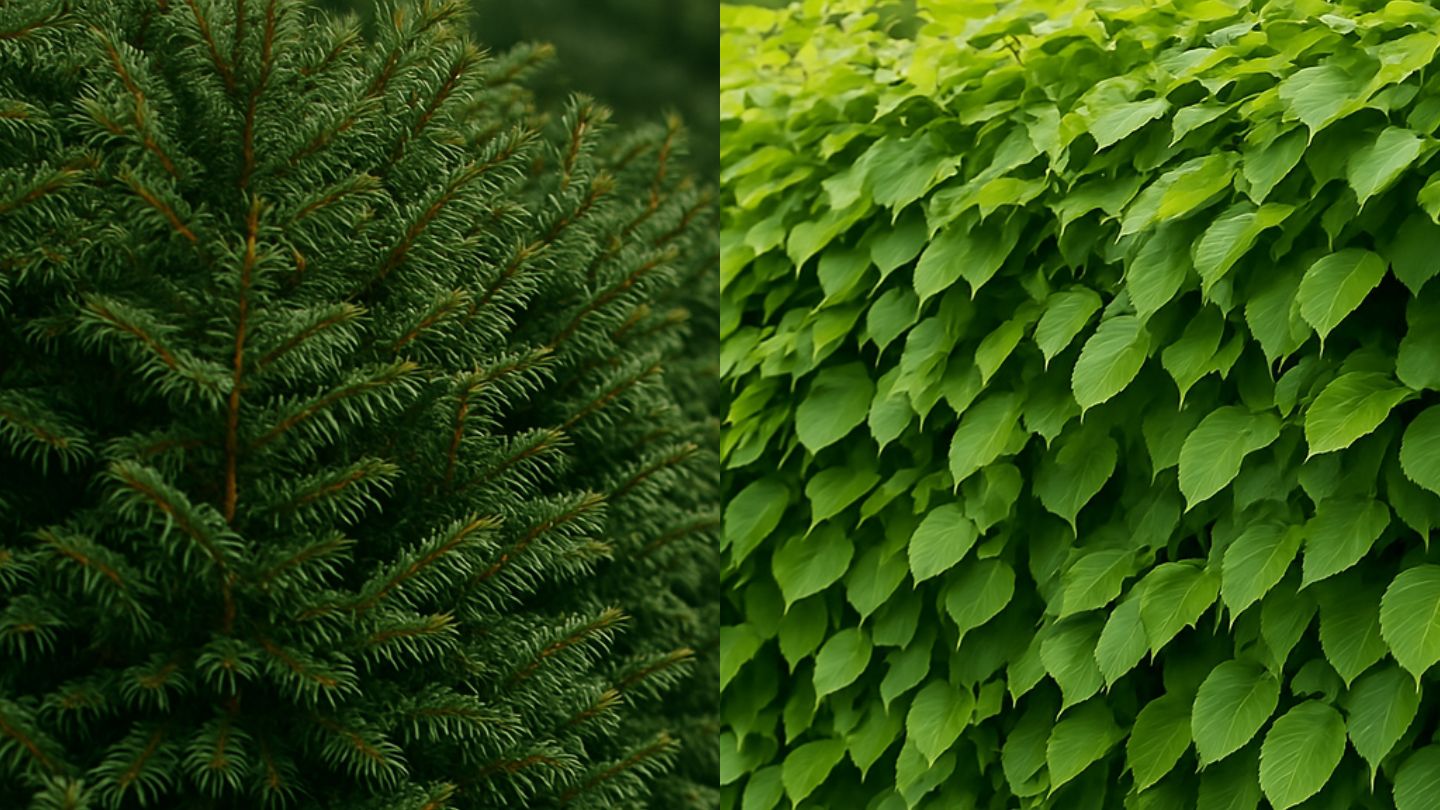
What is a hedge?
Plant hedges are one of the most natural ways to divide garden space and ensure privacy. Created from appropriately chosen shrubs or small trees, they can serve both ornamental and protective functions – dampening noise, protecting from wind, or screening unwanted views. When planning your garden zones, hedges become essential elements for creating distinct areas within your landscape. It's worth choosing the right plants to enjoy beauty and green color throughout the year.
- Hedge – a dense strip of shrub or tree plantings that serves as natural fencing and fulfills both aesthetic and protective functions.
- Border – a low form of hedging, used mainly to separate flower beds, paths, or vegetable gardens in the garden.
- Espalier – a row of trees or tall shrubs planted in a single line, creating an effective and elegant spatial divider.
- Bosquet – a decorative, often geometrically shaped group of trees or shrubs that can form a representative part of a garden or park.
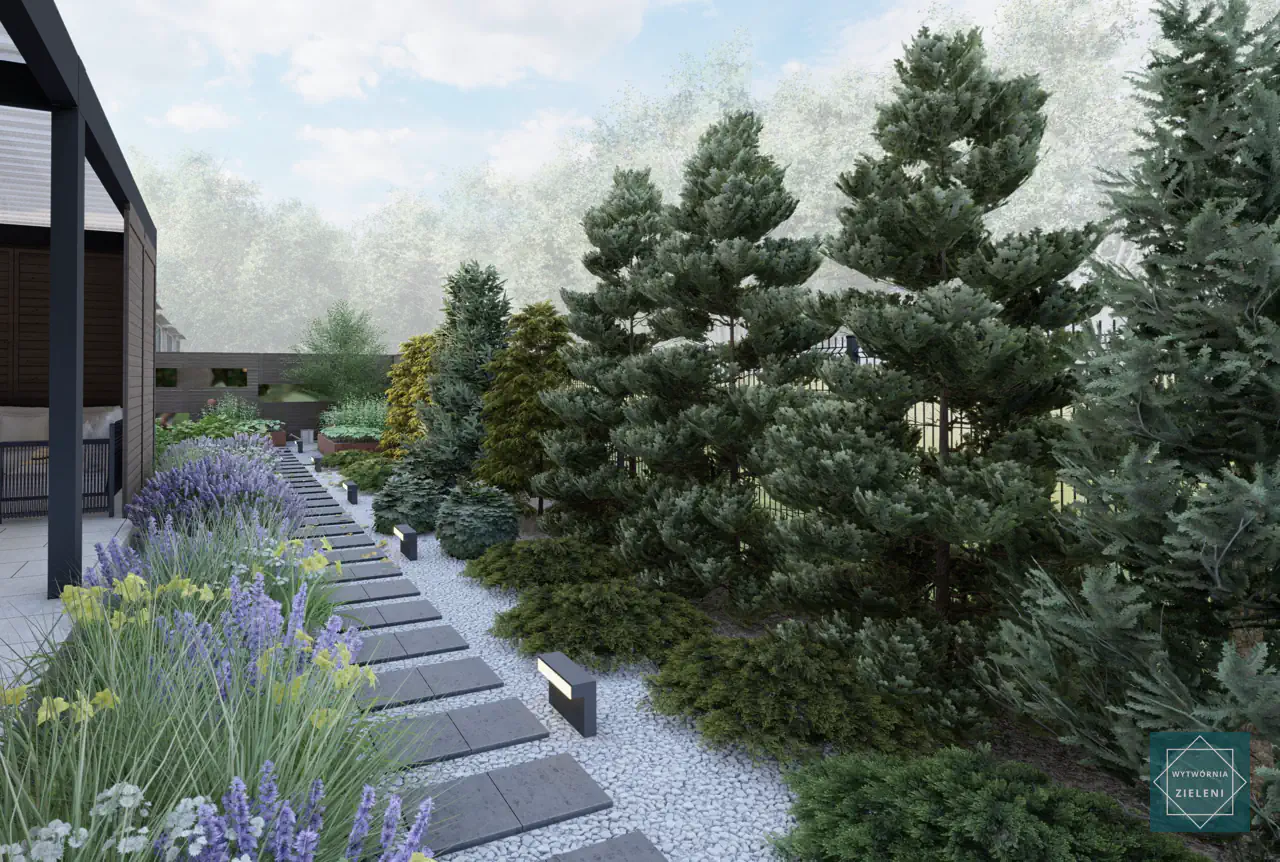
What to Consider When Choosing Garden Hedge Shrubs
A good hedge idea starts with the proper plant selection. Before you begin planting, it's worth considering the characteristics that will be crucial for your garden and its conditions.
- Species - Species choice is fundamental – depending on the variety, shrubs differ in appearance, size, growth rate, and requirements, so it's worth matching them to your needs and maintenance capabilities.
- Leaves or needles - Evergreen hedging from juniper or yew maintains its dark green color year-round, while deciduous shrubs can bloom beautifully, change colors seasonally, and introduce dynamism to the garden.
- Site and soil - Soil conditions and sunlight affect how plants develop – some thrive in shade, others need full sun. For example, juniper grows excellently even in poorer soil, while other plants may require fertile and moist earth. Use our soil calculator to determine the right amount of soil amendments needed for optimal hedge establishment.
- Functions - Hedge shrubs should be chosen depending on whether they're meant to provide shade, divide space, serve protective functions, or simply be ornamental. Formal hedges work well when you prioritize aesthetics and order.
- For comprehensive guidance on selecting the right plants for your specific needs, consider professional landscape design services to ensure your hedge complements your overall garden design.
- Garden space - With limited space, it's worth choosing slow-growing and compact species that won't spread too widely or take over the entire garden bed. Small gardens require careful planning to maximize every square foot effectively. Learn more about small garden design ideas to make the most of your available space.
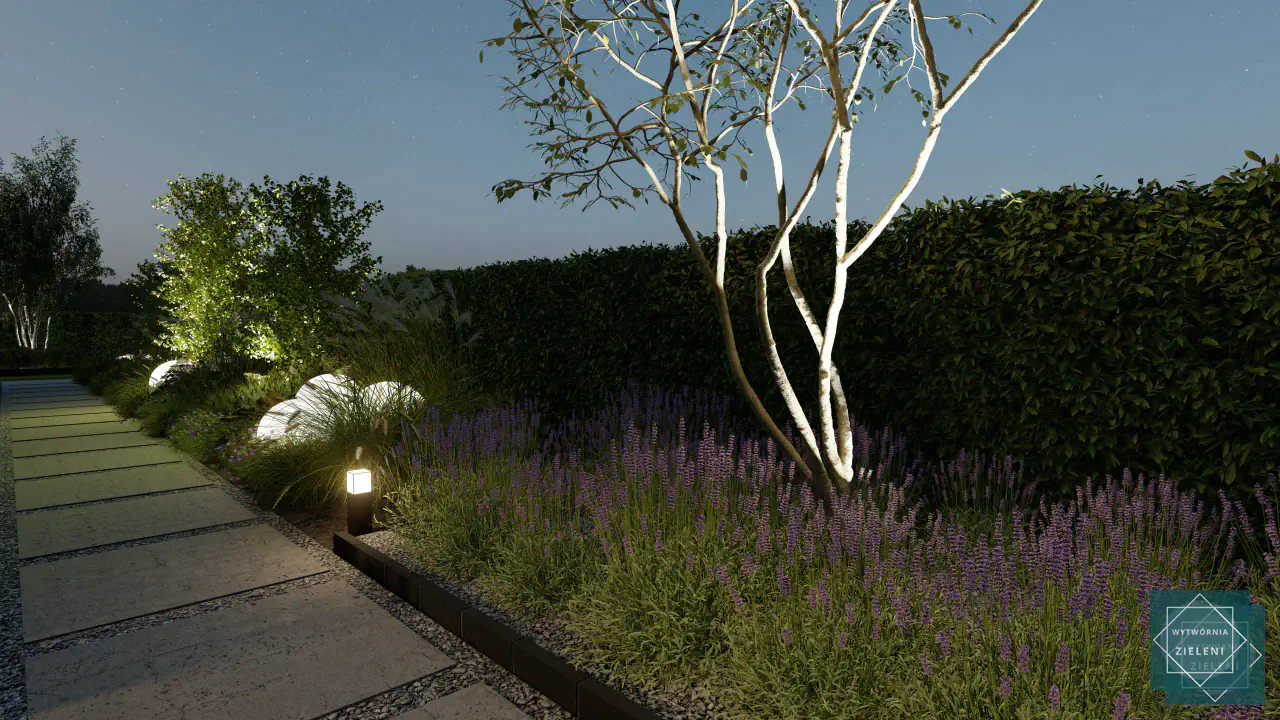
What to Choose for Hedging?
Plant hedges can take various forms – everything depends on garden style, available maintenance time, and the function they're meant to fulfill. When planning your landscape, consider how hedges will integrate with other garden design elements to create a cohesive overall appearance. It's worth choosing a form that best matches your expectations.
Formal Hedge
Perfect for those who like order and precision – regularly trimmed, creating even lines and geometric shapes. Requires systematic care, often even twice per season, but rewards with an elegant appearance year-round.
Natural Hedge
Looser and more free-form, doesn't require frequent cutting. Composed of diverse species, it can bloom, attract insects and birds, while maintaining green color year-round if we use evergreen plants. Natural hedges work particularly well in front yard garden design, where they can soften the boundary between public and private spaces while maintaining an attractive street-facing appearance.
Which Plants to Choose for Hedging?
Hedges can be deciduous and evergreen, and can also consist of grasses or evergreen deciduous plants. For those interested in incorporating native species, explore our comprehensive guide on selecting appropriate garden beds that complement your chosen hedging plants. Below are several examples of popular solutions.

Popular Deciduous Shrubs for Hedging
- Common Privet (Ligustrum vulgare)
- European Beech (Fagus sylvatica)
- European Hornbeam (Carpinus betulus)
- Border Forsythia (Forsythia × intermedia)
- Japanese Spiraea (Spiraea japonica)
- Common Snowberry (Symphoricarpos albus)
- Japanese Barberry (Berberis thunbergii)
- Alpine Currant (Ribes alpinum)
- Red-barked Dogwood (Cornus alba)
- Common Lilac (Syringa vulgaris)
See more deciduous plant species in our post 👉 deciduous hedge plants.
Evergreen Hedges
- Eastern Arborvitae (Thuja occidentalis)
- English Yew (Taxus baccata)
- Norway Spruce (Picea abies)
- Common Juniper (Juniperus communis)
- Lawson Cypress (Chamaecyparis lawsoniana)
- European Larch (Larix decidua)
- European Silver Fir (Abies alba)
- Austrian Pine (Pinus nigra)
- Blue Spruce (Picea pungens)
- Western Red Cedar (Thuja plicata)
See more evergreen species in our post 👉 Evergreens for hedging.
Deciduous Plants for Evergreen Hedging
- Common Boxwood (Buxus sempervirens)
- Cherry Laurel (Prunus laurocerasus)
- Meserve Holly (Ilex × meserveae)
- Oregon Grape (Mahonia aquifolium)
- Wintergreen Barberry (Berberis julianae)
- Scarlet Firethorn (Pyracantha coccinea)
- California Privet (Ligustrum ovalifolium)
- Fraser Photinia (Photinia × fraseri)
- Catawba Rhododendron (Rhododendron catawbiense)
- Fortune's Spindle (Euonymus fortunei)
Grasses for Hedging
- Chinese Silver Grass (Miscanthus sinensis) – e.g., 'Gracillimus', 'Zebrinus', 'Malepartus'
- Switchgrass (Panicum virgatum) – e.g., 'Northwind', 'Cloud Nine'
- Feather Reed Grass (Calamagrostis × acutiflora) – e.g., 'Karl Foerster'
- Chinese Fountain Grass (Pennisetum alopecuroides) – e.g., 'Hameln'
- Pampas Grass (Cortaderia selloana) – e.g., 'Pumila'
- Japanese Blood Grass (Imperata cylindrica) – e.g., 'Red Baron'
- Japanese Forest Grass (Hakonechloa macra) – e.g., 'All Gold'
- Blue Fescue (Festuca glauca)
- Leatherleaf Sedge (Carex buchananii)
- Japanese Sweet Flag (Acorus gramineus)
See more grass species in our post 👉 grasses for hedging.
Climbing Plants for Hedging
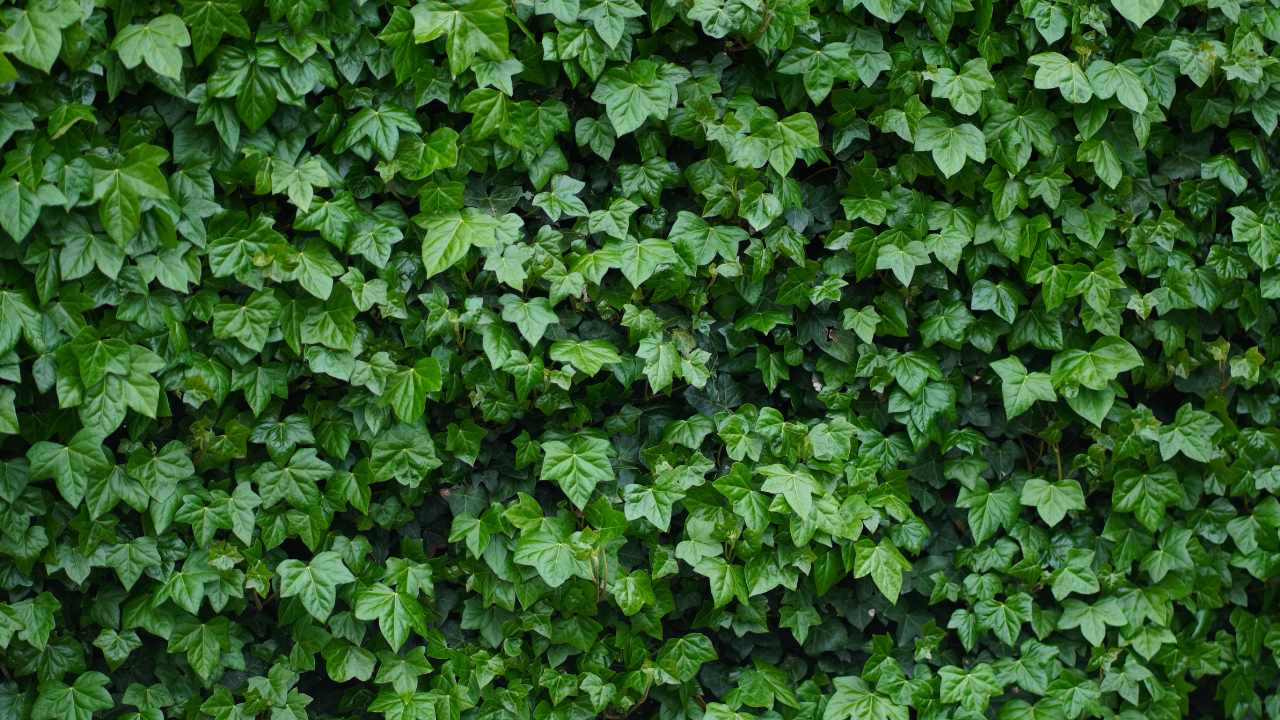
- Virginia Creeper (Parthenocissus quinquefolia)
- Trumpet Vine (Campsis radicans)
- English Ivy (Hedera helix)
- Honeysuckle (Lonicera periclymenum)
- Large-flowered Clematis (Clematis)
- Japanese Wisteria (Wisteria floribunda)
- Russian Vine (Fallopia baldschuanica)
- Hardy Kiwi (Actinidia arguta)
- Common Hop (Humulus lupulus)
- Climbing Rose (Rosa sp.)
See more climbing species in our post 👉 garden climbers.
What Functions Can a Hedge Serve?
Plant hedges are more than just decorative garden boundaries – they serve many important functions. Primarily, they act as natural barriers protecting against wind, dust, and noise, as well as from passersby's or neighbors' views. They create a cozy microclimate, retain snow in winter, and provide shade in summer. The right hedge can also reduce garden costs – provided appropriate plants are chosen. For budget planning, check our landscape design pricing guide to understand the investment required for professional hedge installation.

Low Hedges
Low hedges, those about 40–80 cm high, most often serve decorative and space-organizing functions in the garden. They're worth using as borders for flower beds, vegetable gardens, or paths. When planning these elements, consider using our mulch calculator to determine the right amount of mulch needed around your hedge plantings. Choosing low-growing plants like boxwood, lavender, or dwarf barberries can achieve a neat effect that simultaneously won't block views and introduces elegance.
Medium Hedges
Their height usually ranges from 1 to 1.5 meters. They work excellently for separating individual garden zones or property boundaries in less frequented areas. It's worth choosing hedge plants that are easy to maintain, like common privet, spiraea, or evergreen cherry laurel. They maintain density and tolerate cutting well, and some maintain green color year-round.
Tall Hedges
Reaching even 2–3 meters, they excellently replace fencing and serve important protective functions. It's worth choosing arborvitae, yews, hornbeam, and beech, which over time create a dense, impenetrable wall of greenery. Moreover, plant hedges of this type protect well against noise, wind, and dust – while being beautiful garden ornaments.
How to Create a Hedge?
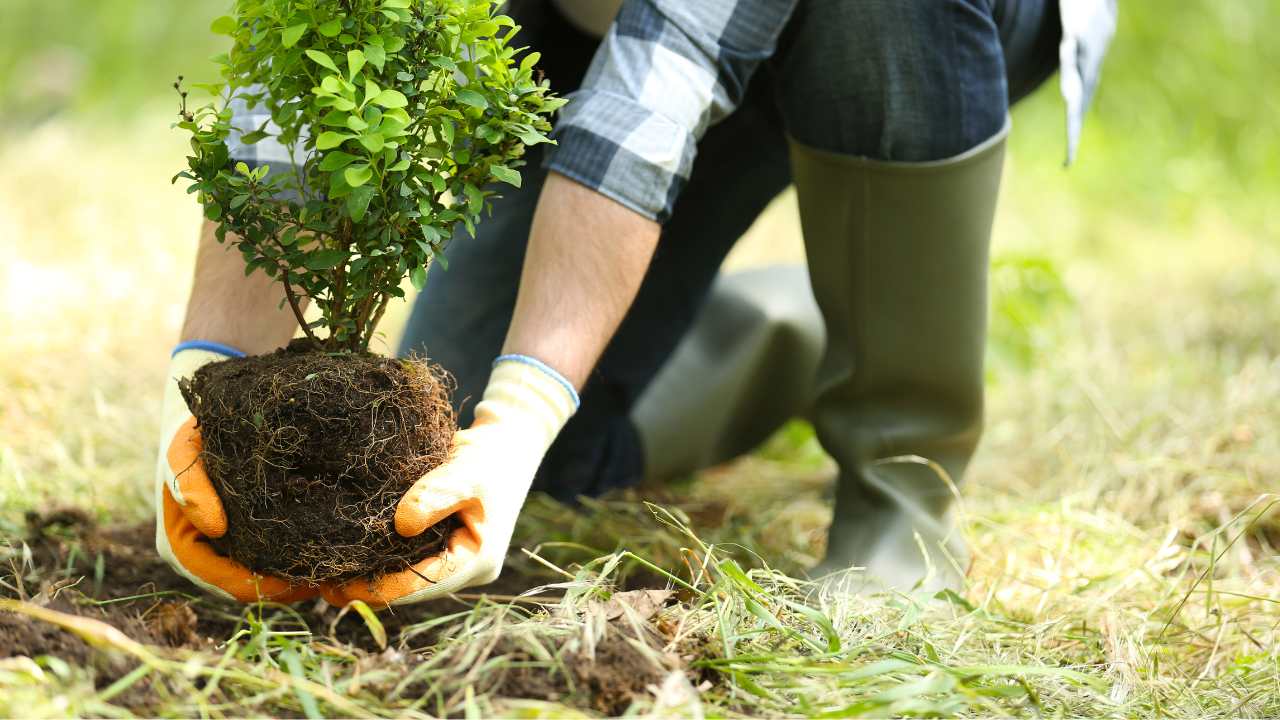
- Establishing a hedge is one of the most important tasks in garden arrangement – well-planned, it can serve for years as natural cover, decoration, and property boundary. To achieve the best effect, proper preparation and plant selection are crucial. Understanding how to design a garden step by step will help ensure your hedge integrates seamlessly with your overall landscape plan
- The first step is defining the purpose – whether it should be an ornamental hedge serving decorative functions, or rather functional, protecting against wind or neighbors' views. It's worth choosing plants appropriate for site conditions – considering soil type, sunlight, and available space. For comprehensive project planning, consider professional landscape design project services to ensure optimal plant selection and placement.
- Next, prepare the location – dig the soil, remove weeds, and enrich the earth with compost. Plant at even intervals – usually every 30–80 cm, depending on species. After planting, water thoroughly and mulch the ground, which will limit weed development and maintain moisture.
- In the first years, systematic watering and shaping are most important – the hedge should be lightly trimmed right after planting so it bushes out from the base. For formal hedges, cutting is usually done twice per season, in spring and summer, while natural hedges require less work but develop more slowly.
Remember – a well-established hedge is an investment in garden aesthetics and functionality for years to come. For inspiration and examples of successful hedge installations, browse our landscape design examples to see how professional hedging can transform outdoor spaces.
Transform Your Garden with Professional Hedging Solutions
The right hedge plants can completely transform your outdoor space, providing year-round privacy, natural beauty, and increased property value. Whether you prefer fast-growing evergreens, seasonal deciduous varieties, or ornamental grasses, proper selection and placement are key to long-term success.
Ready to create your perfect hedge? Contact us for a professional garden design consultation and discover how expert planning can bring your landscaping vision to life.
Frequently Asked Questions About Hedge Plants
What are the best fast-growing hedge plants?
Fast-growing hedge plants include common privet, cherry laurel, Leyland cypress, and arborvitae varieties like 'Green Giant'. These can grow 2-4 feet per year in ideal conditions, providing quick privacy screening. For more detailed information about rapid-growth landscaping solutions, check our guide on modern garden design trends.
Which hedge plants are evergreen?
The best evergreen hedge plants include yew, boxwood, cherry laurel, holly, arborvitae, and juniper. These maintain their foliage year-round, providing constant privacy and garden structure.
How far apart should I plant hedge plants?
Spacing depends on the plant species and desired density. Generally, plant hedge plants 2-4 feet apart. For quick coverage, space closer together; for long-term growth, allow more room.
When is the best time to plant hedging?
The optimal planting times are spring (March-May) and fall (September-November) when temperatures are moderate and rainfall is adequate for establishment.
How do I care for newly planted hedge plants?
Water regularly during the first growing season, apply mulch to retain moisture, and prune lightly to encourage bushy growth from the base. Avoid heavy fertilizing in the first year.
What's the difference between formal and informal hedges?
Formal hedges are regularly trimmed to geometric shapes and require more maintenance. Informal hedges grow naturally with minimal pruning, offering a relaxed, wildlife-friendly appearance.
Which hedge plants work best for privacy?
For maximum privacy, choose dense-growing evergreen plants like Leyland cypress, arborvitae, cherry laurel, or yew. These create thick barriers that screen views year-round.
How often should I trim hedge plants?
Most hedges need trimming 1-2 times per year. Fast-growing varieties may require more frequent maintenance, while slow-growing species need less pruning.
What hedge plants are drought tolerant?
Drought-tolerant options include juniper, barberry, privet, and native species adapted to your region. These require less water once established.
Can I plant different hedge plants together?
Yes, mixed hedges using complementary species can create diverse, wildlife-friendly boundaries. Choose plants with similar growth rates and maintenance needs for best results.
Fast-Growing Hedge Plants
The best are common privet, European hornbeam, forsythia, ninebark, and some cherry laurel varieties. They grow quickly, thicken well, and are easily shaped.
What to plant instead of arborvitae?
What for hedging instead of thuja? Instead of arborvitae, it's worth choosing English yew, juniper, cherry laurel, holly, or barberry – they're equally durable, often more resistant, and give more interesting visual effects.
How to trim a hedge?
Formal hedges should be trimmed twice per season – first in spring, second in summer. Cutting should be light, starting from sides and finishing on top, maintaining a slight slope (wider at the base).
What are the best plants for evergreen hedging?
Wondering what for evergreen hedging? The best include yew, cherry laurel, holly, boxwood, and some junipers. Evergreen plants provide cover and decoration year-round, including winter.
Which hedge plants are fast-growing?
The fastest-growing hedge plants include primarily common privet, Brabant arborvitae, purple willow, and Turkestan elm. These species can grow even 50–70 cm annually in favorable conditions. When choosing fast-growing plants, remember proper fertilizing and trimming – only then will you maintain desired shape and hedge density.
What's cheapest for hedging?
If you're looking for an economical solution, consider common privet, which is cheap to purchase and propagates very easily. Another option is willows and dogwoods, which can be obtained even from cuttings taken from wild-growing specimens. The cheapest plants cost just a few dollars each, and with some knowledge, you can root them yourself.
Which plant is best for hedging?
There's no one "best" plant – everything depends on your expectations. European hornbeam belongs to classics – it tolerates cutting well, is dense and resistant. If you want an evergreen effect, Emerald arborvitae is reliable. Want something more natural? Choose beech or cherry laurel. The best plant is one that suits climate, soil, and garden style.
What instead of thuja by the fence?
Instead of thuja, consider cherry laurel, holly, boxwood, Serbian spruce, or English yew. These plants are more disease-resistant, less demanding in cutting, and some offer additional values – e.g., fruits, flowers, or thorny leaves deterring intruders.
What's the cheapest way to plant a hedge?
The least expensive method is buying young bare-root seedlings planted in autumn or early spring. You can also propagate shrubs yourself through layering or cuttings, reducing cost to almost zero, though this requires time and patience.
Which evergreen shrub grows fastest?
The fastest-growing evergreen shrubs include cherry laurel – it can grow even 40–60 cm annually. It handles partial shade well, has glossy leaves, and is very decorative. Another option is Brabant arborvitae, which also quickly builds compact green structure year-round.
What fast and cheap hedge can be made?
An excellent compromise between price and growth rate is privet, Turkestan elm, or white dogwood. They cost little, establish easily, and grow quickly. Additionally, they can be shaped or left in natural form, depending on garden style.
How far apart to plant cherry laurel for hedging?
Standard spacing for cherry laurel is 60–80 cm. If you want quick green wall effect, they can be planted even every 50 cm. Remember that over time these shrubs spread significantly, so wider spacing means less future trimming.
What grows fastest on fences?
If you want express growth, choose clematis, English ivy, Virginia creeper, or Russian vine. These climbers can cover entire fencing in one season, but remember they require guidance and sometimes limiting their expansion.
Which hedges are easy to maintain?
The easiest to care for include boxwood, privet, barberry, and also unformed hedges from wild rose or mock orange. Simply trim them once or twice yearly, they don't have high water requirements, and are resistant to most diseases.
What makes the fastest hedge?
The greatest growth rate is shown by Brabant arborvitae, Turkestan elm, willows, and privet. These plants can create full-sized barriers in 2–3 years if regularly fertilized and watered.
What to plant by chain-link fence?
Ideal solutions are climbers: Virginia creeper, wisteria, clematis, and also evergreen English ivy. They climb quickly and create natural screens. You can also plant espaliers of climbing roses or cherry plum if you want color.
Which shrubs grow quickly?
Among fast-growing shrubs, mention willows, dogwoods, spiraeas, barberries, mock oranges, privet, and potentillas. All are easy to grow, tolerate cutting well, and spread quickly.
What for year-round green hedging?
Evergreen classics are Emerald arborvitae, cherry laurel, Meserve holly, boxwood, yew, and ivy. They maintain color even in winter and provide privacy regardless of season.
What's best for evergreen hedging?
The best choice is cherry laurel – dense, glossy, and resistant. It handles our climate well and doesn't require intensive care. Alternatively, consider arborvitae, yew, boxwood, or holly.
Which garden plants are green year-round?
Year-round green plants are primarily evergreens: arborvitae, spruces, yews, and evergreen deciduous like cherry laurel, boxwood, holly, and also ivy and Japanese pachysandra as groundcover.
Which are fast-growing evergreen ornamental shrubs?
The most interesting suggestions are cherry laurel, Brabant arborvitae, scarlet firethorn, evergreen barberry, and Japanese pieris. Besides growth rate, they also offer beautiful leaves, flowers, and sometimes fruits.
When's best to plant hedging?
The best times are spring (March–May) and autumn (September–November). Soil is moist then, and temperatures favor rooting. Avoid planting in heat waves and frosts.
What cheap and fast-growing hedge can I make?
Choose privet, white dogwood, Turkestan elm, or willows. These are plants that grow rapidly, are inexpensive, and tolerate urban conditions well.
When to plant cherry laurel?
Cherry laurel is best planted in spring or early autumn when soil is still warm. Avoid planting during frosts and heat waves – young seedlings are particularly sensitive to stress then.
What for year-round hedging?
Year-round hedging is provided by evergreen plants like arborvitae, yews, cherry laurels, boxwood, and ivy. Thanks to them, the garden will look attractive 365 days yearly, and you'll gain constant privacy from neighbors.

Wojciech Kazimierowicz – Author of the Article
Co-owner of Wytwórnia Zieleni and an expert in garden design and landscaping with over 13 years of experience. He specializes in creating modern, functional green spaces tailored to the budget and needs of homeowners.

Find Out How Much Your Garden Design Will Cost!
Take a quick quiz and discover the estimated cost of a custom garden design tailored to your needs. No strings attached – it takes just 2 minutes!


Wytwórnia Zieleni | Garden Design
KRS 0001107384 NIP 6452587627 REGON 528715049 St. Strzelców Bytomskich 51/1 42-600 Tarnowskie Gory, Poland
Resources
© Wytwórnia Zieleni 2026


