Flower Beds – Inspiration, Designs and Planting Ideas for a Beautifu
Well-planned garden beds structure the entire garden, define its style, and improve maintenance efficiency. Thoughtful bed design is essential for homeowners who want cohesive planting, controlled costs, and year-round visual impact without chaos.
TL;DR
- Garden beds form the structural framework of a garden and typically occupy 20–40% of green space.
- Proper planning prevents common mistakes such as overcrowding, poor plant selection, and lack of seasonality.
- Layered planting with trees, shrubs, perennials, and grasses creates depth and long-term stability.
- Bed shape, sunlight exposure, soil conditions, and maintenance access must guide design decisions.
- Mulching materials like bark or gravel improve aesthetics, reduce weeds, and support soil health.
Published
15 May 2026
Share this article


 Copied
TOC
- Garden Beds: Why Planning Them is Essential
- What is a garden bed?
- What to consider when planning garden beds?
- Shape and style of garden beds
- What to use under plants in a garden bed?
- How to plan a garden bed step by step?
- Garden bed design - what to choose?
- Garden bed inspirations
- Front garden beds - how to plan?
- Front garden bed in sun – best plants and layout
- Narrow bed along the fence – how to maximize space?
- Garden bed designs with ornamental grasses – modern garden beds
- Transform Your Garden Vision Into Reality
- FAQ - Garden Beds
- How to prepare soil for a garden bed?
- Which perennial flowers to choose for beds?
- How to make a bed where grass won't grow?
- Which bed blooms all summer?
- When is the best time to establish a garden bed?
- What to plant in front of the house under the window?
- What should be the width of a bed along the fence?
- How to fill beds to make them look impressive?
- How densely should plants be planted in a bed?
- How to combine flowers in a garden bed?
- How to select plants for a bed?
Garden Beds: Why Planning Them is Essential
Garden beds are not just flowers and plantings – they form the skeleton of your garden, giving it shape and function. Many homeowners feel frustrated when their plantings look chaotic and lack a coherent garden design.

Why is proper garden bed planning important?
- It helps plan all garden functions.
- Allows better garden cost planning for garden installation.
- Organizes space and gives it a harmonious appearance.
- Increases convenience of daily garden, lawn, and plant maintenance.
- Helps better adapt plantings to soil conditions and sunlight.
- Facilitates step-by-step garden implementation.

In this post, you'll find the most important information to consider when planning garden beds in a modern garden and beyond. We'll guide you step by step through the entire process of creating a garden bed – from concept to implementation – and show you plenty of inspiration to help you create a unique space in your garden.
What is a garden bed?
A garden bed is a distinct part of the garden designated for planting both ornamental and functional plants. It often serves not only a decorative purpose but also becomes an element of various garden zones, such as relaxation areas, entrances, or vegetable gardens.

In our garden designs, beds usually occupy 20-40% of the green space through careful backyard garden planning. It's worth remembering that they are generally more expensive to implement than lawns, but they bring much more aesthetic and functional value to the space. These dimensions can vary in the case of smaller and large gardens.
Most common mistakes when planning beds and gardens:
- Lack of clear planting plan and garden division
- Chaos in composition and lack of stylistic consistency
- Overlooking seasonality and changes throughout the year
- Poorly matched plants for site conditions
- Not considering mature plant sizes
These common garden design mistakes can thwart your plan for a functional and beautiful garden. In this post, we'll show you how to create garden beds step by step that will delight year-round – thoughtful, aesthetic, and perfectly tailored to your needs.

What to consider when planning garden beds?
To create beautiful garden arrangements, start by defining the style and function of garden beds. Choosing the right layout depends on:
- Garden style – modern garden, naturalistic, rustic, formal – style determines form and plant selection.
- Size and shape of space – narrow beds, corner beds, fence beds, or terrace arrangements are planned differently.
- Sunlight exposure – beds in shade, partial shade, or full sun require different species based on soil and sunlight conditions.
- Plant color scheme – a cohesive color palette affects aesthetics and composition harmony. Seasonality and variability – plan the bed to look attractive for most of the year.
- Bed function – decorative, screening, insect-attracting, space-dividing – each serves a different role.
- Accessibility and maintenance – bed layout should facilitate watering, fertilizing, and pruning plants.

When planning beds, many factors must be considered – a properly thought-out arrangement of garden zones ensures that our plantings will be well-conceived and adapted to needs, style, and expectations. AI garden design tools - use modern solutions to make planning garden beds easier.
Shape and style of garden beds
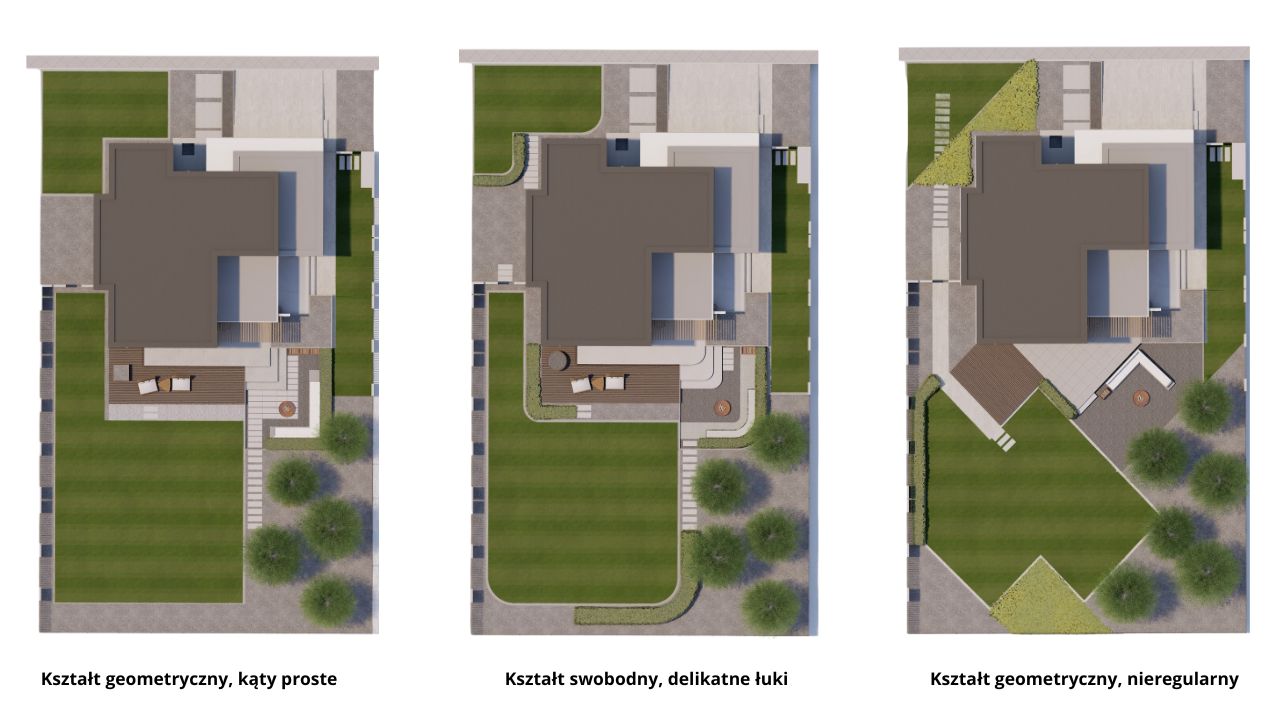
Types of garden beds
The types of beds differ not only in location but also in function and arrangement style. Choosing the right type allows better use of garden space and adapting the composition to the plot layout.

- Center bed – an exposed composition placed on the lawn or in a representative spot. Requires carefully selected plants with an impressive habit visible from all sides, e.g., solitary trees, low shrubs, grasses, and perennial flowers.
- Fence bed – arrangement along the fence through strategic fence line landscaping, often serving as a background for the garden or a screen from neighbors. Tall and dense plants work well here, such as arborvitae, miscanthus, hydrangeas, and other hedge plants that form compact hedges.
- House bed – a bed by the building facade should be low, aesthetic, and harmonizing with the architecture through proper front garden design. Dwarf shrubs, lavender, hostas, and seasonal accents in containers are ideal.

Ornamental plants for garden beds
Selecting appropriate ornamental plants is crucial for creating an effective and harmonious bed. It's worth combining different plant groups so the bed is attractive throughout the season and has a varied structure.
- Ornamental trees – low-growing varieties, such as Japanese maple or eastern redbud, introduce height and an interesting accent in the bed. Consider our selection of ornamental trees for modern landscapes.
- Shrubs – hydrangeas, barberries, spiraeas, or butterfly bushes give the bed volume and color, and many bloom for a long time. Explore our guide to ornamental shrubs for contemporary gardens.
- Perennials – classic bed plants such as coneflowers, black-eyed Susans, sedums, or hostas provide blooming at different stages of the season. Discover modern perennials that work well in contemporary designs.
- Ornamental grasses – blue fescue, fountain grass, or miscanthus add lightness, movement, and natural dynamics to the bed. Learn more about ornamental grasses for your garden.
- Bulbs – tulips, daffodils, ornamental alliums, and lilies give a strong color effect in spring and early summer.
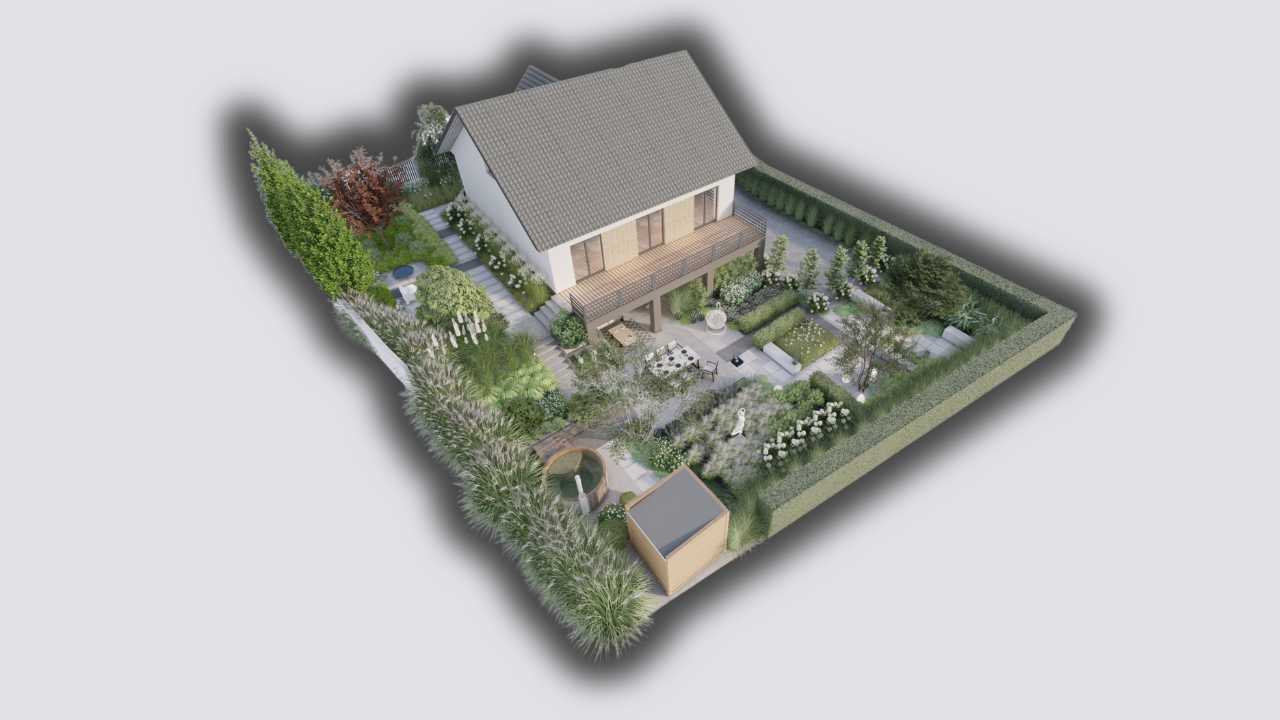
Skillful selection of trees, shrubs, perennials, grasses, and bulbs is one of the most important stages of garden design.
What to use under plants in a garden bed?
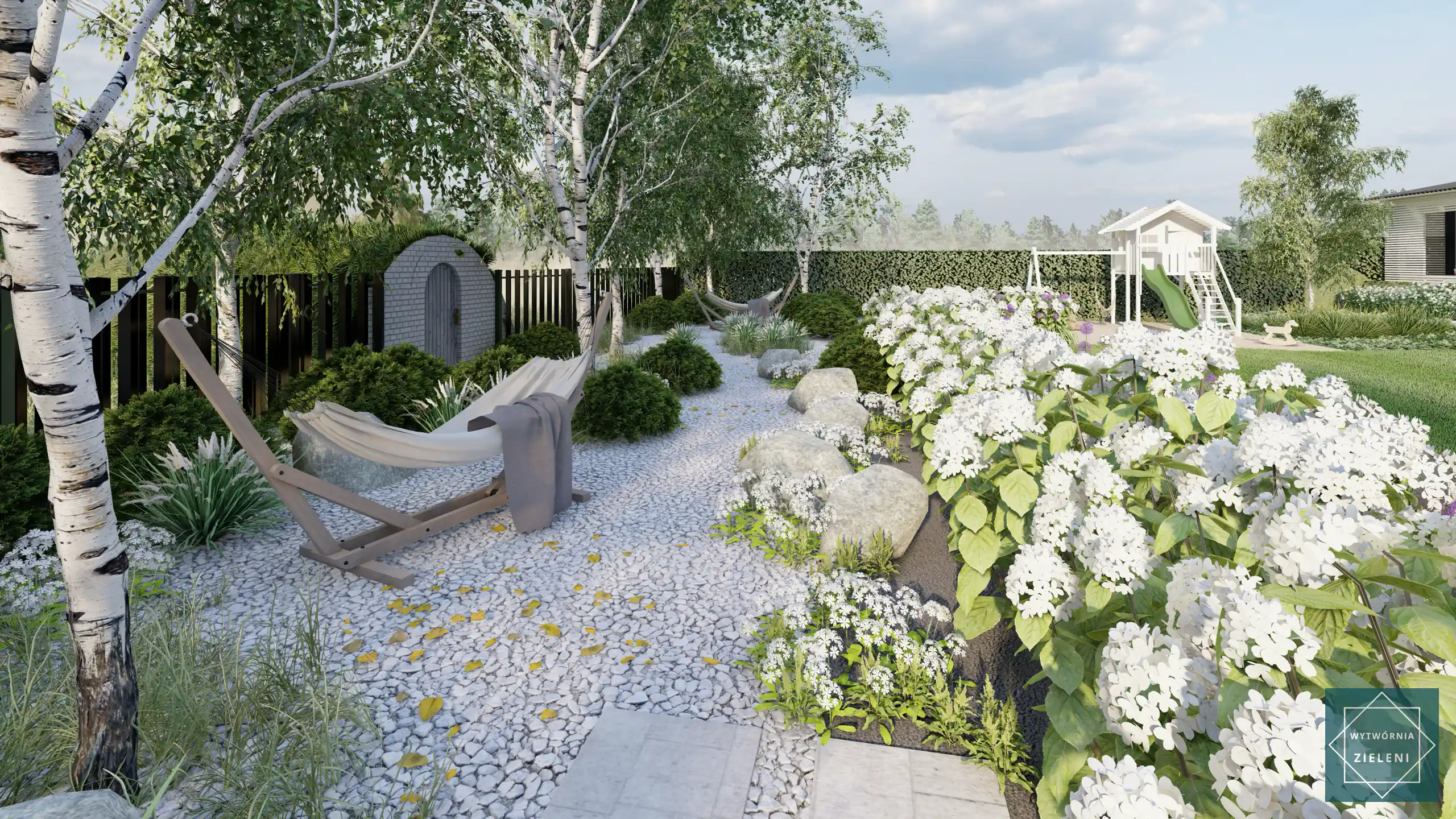
Choosing the right material under plants affects not only the aesthetics of the bed but also the ease of maintenance and growing conditions. Depending on the garden style and type of plantings, you can consider several options:
- Wildflower meadow, natural lawn – ideal for naturalistic gardens, supports biodiversity and attracts pollinating insects.
- Ground cover plants – create a natural cover that limits weed growth and protects soil from drying out.
- Pine bark – available in various fractions, aesthetic and natural, improves soil structure and reduces water evaporation.
- Decorative gravel and stone – durable and impressive, suit modern arrangements and complement geometric beds well.
- Wood chips – ecological and decorative, work well in gardens with a forest or country character. Use our soil coverage calculator to determine the right amount.
For beds with bark, gravel, or chips, it's worth using landscape fabric or special mulching mats from quality landscaping materials that effectively limit weed growth and make maintenance easier. Check our mulch calculator if you're wondering how much bark or stone per square meter you need for your garden.
How to plan a garden bed step by step?
A well-planned bed is one that meets your needs and matches the style of the entire garden. The best practice for planning beds is to create a garden design concept so that when designing beds, you consider the entire plot, not just a small section.
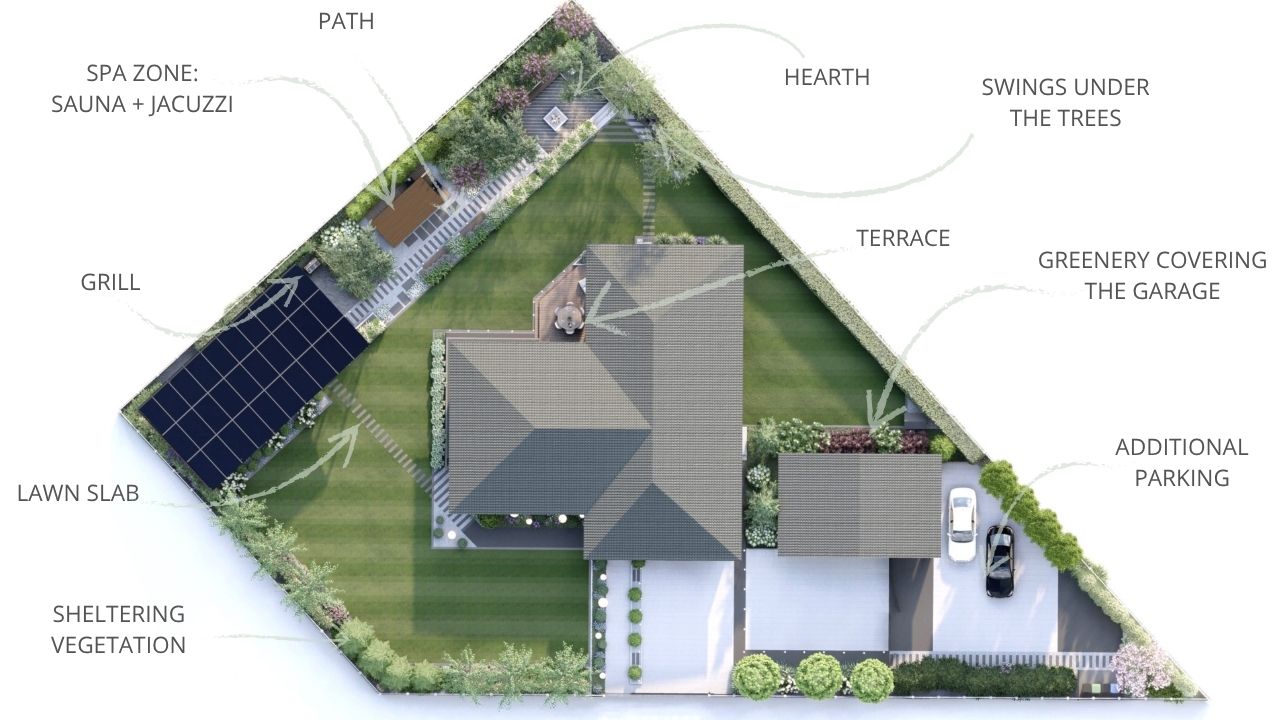
Here's an action plan to help you create a cohesive and functional composition:
- Define the needs and functions of the bed – consider what you want to place on it, what character it should have through proper garden project planning: decorative, screening, or eye-catching. Do you want to shield yourself from neighbors, roads, tall buildings, or maybe have space for growing vegetables or children's play?
- Preliminarily plan the shape, size, and layout of beds - in your bed design, consider the size of other functional zones in the garden, e.g., playground, terrace, or vegetable boxes. So that zones and beds form a whole and are cohesive.
- Divide the bed into smaller parts – it will be easier to select plants and create a cohesive composition when each part has its function or style, e.g., bed around the terrace, screening bed along the fence, decorative garden beds in front of the house, or annual flower bed.
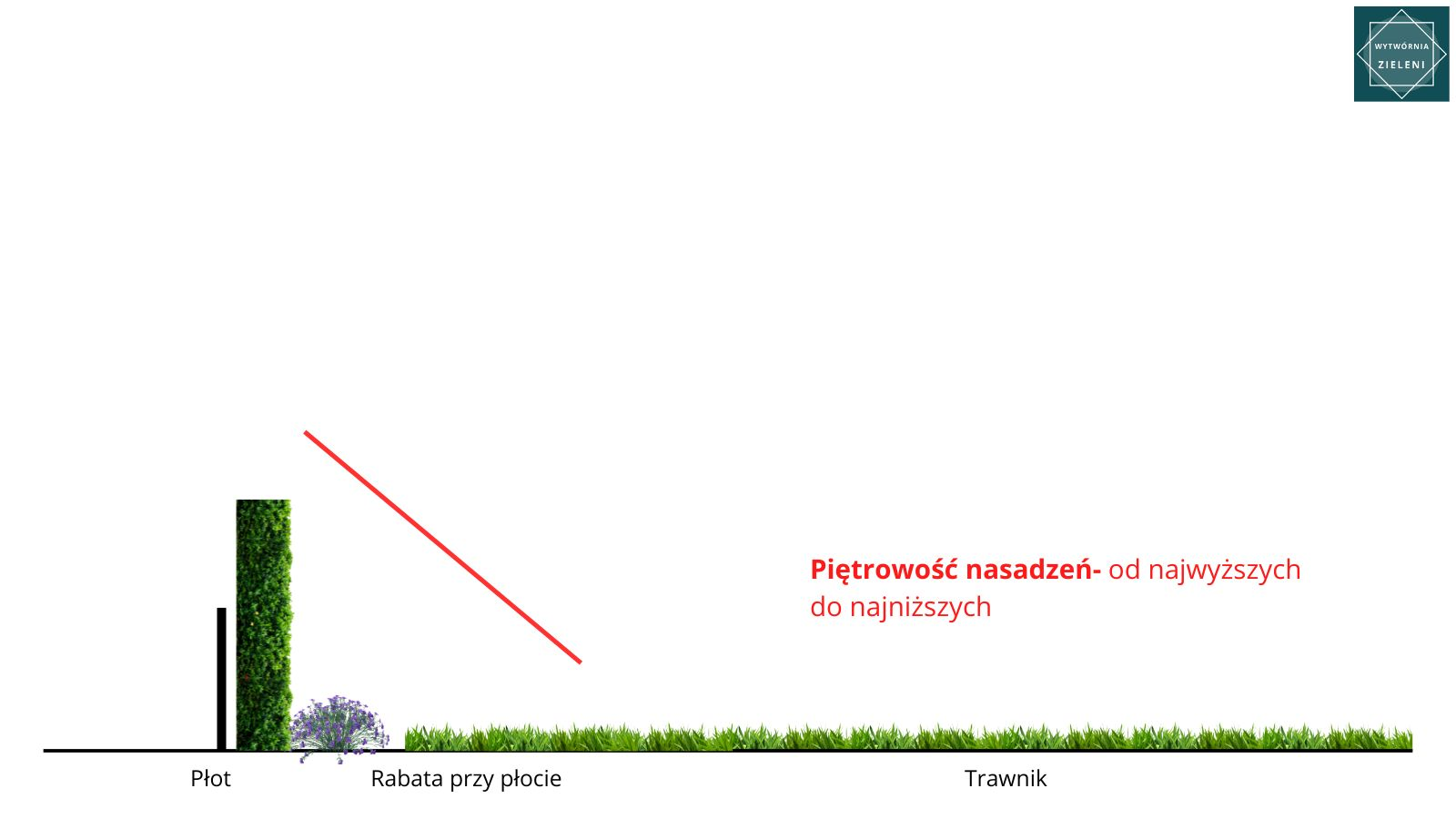
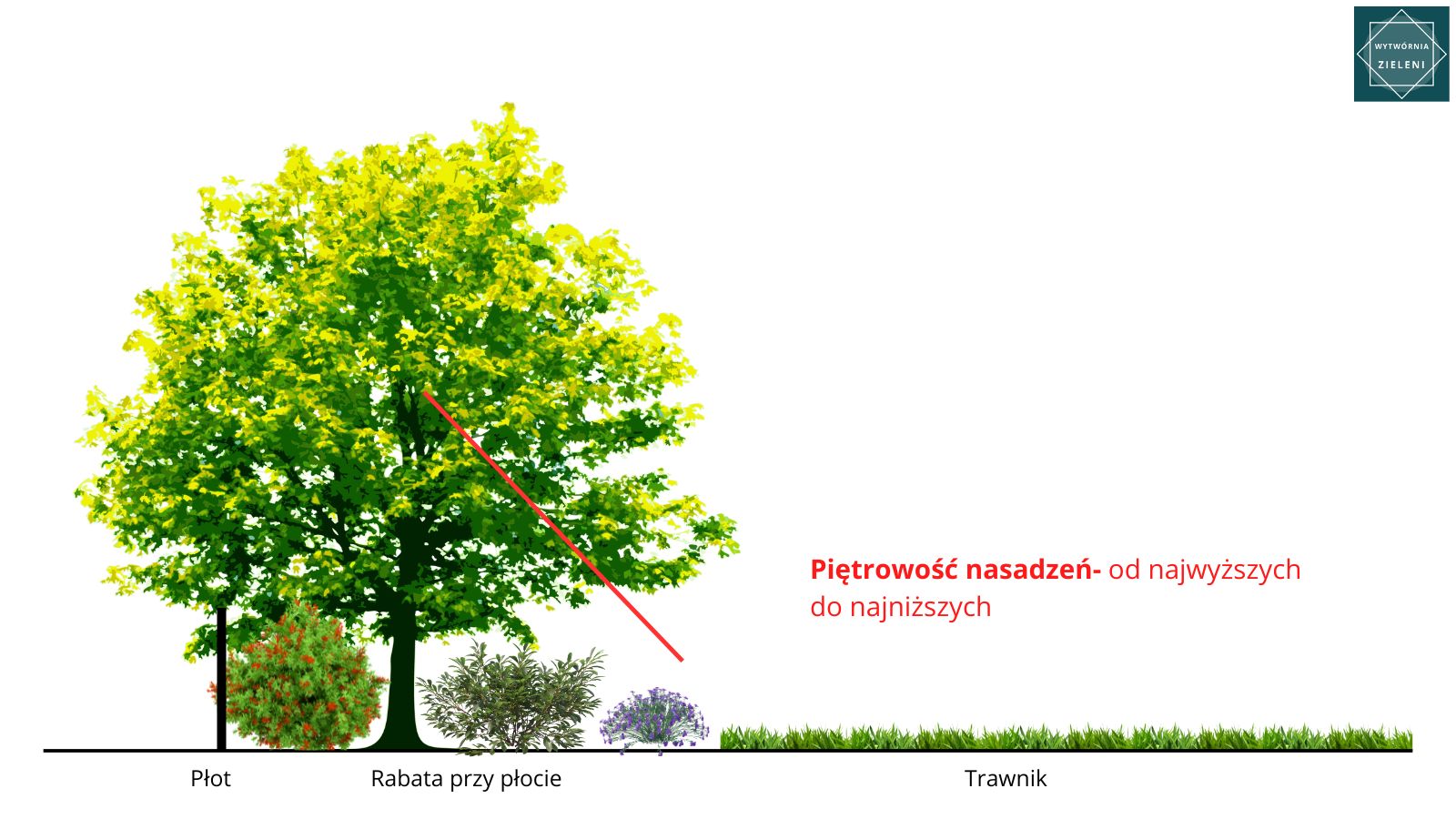
- Select plants in layers – start with the largest plants (e.g., trees, tall shrubs, or ornamental grasses) that will form the skeleton of the bed. Then add medium-sized plants, and finally lower ground cover or seasonal plants.
- Include decorative elements – plan space for decorative accents: containers, boulders, climbing plant supports, or other small architectural elements.
- Decide on bed finishing – choose a mulching material (e.g., bark, gravel, stones) that will emphasize the bed style and help maintain order.
- Create a simple design or sketch – you can make a hand-drawn sketch or use garden design software to help you better visualize the final effect.
With this approach, you'll plan a bed that not only looks beautiful but also works well day-to-day. Would you like me to recommend a specific design program?


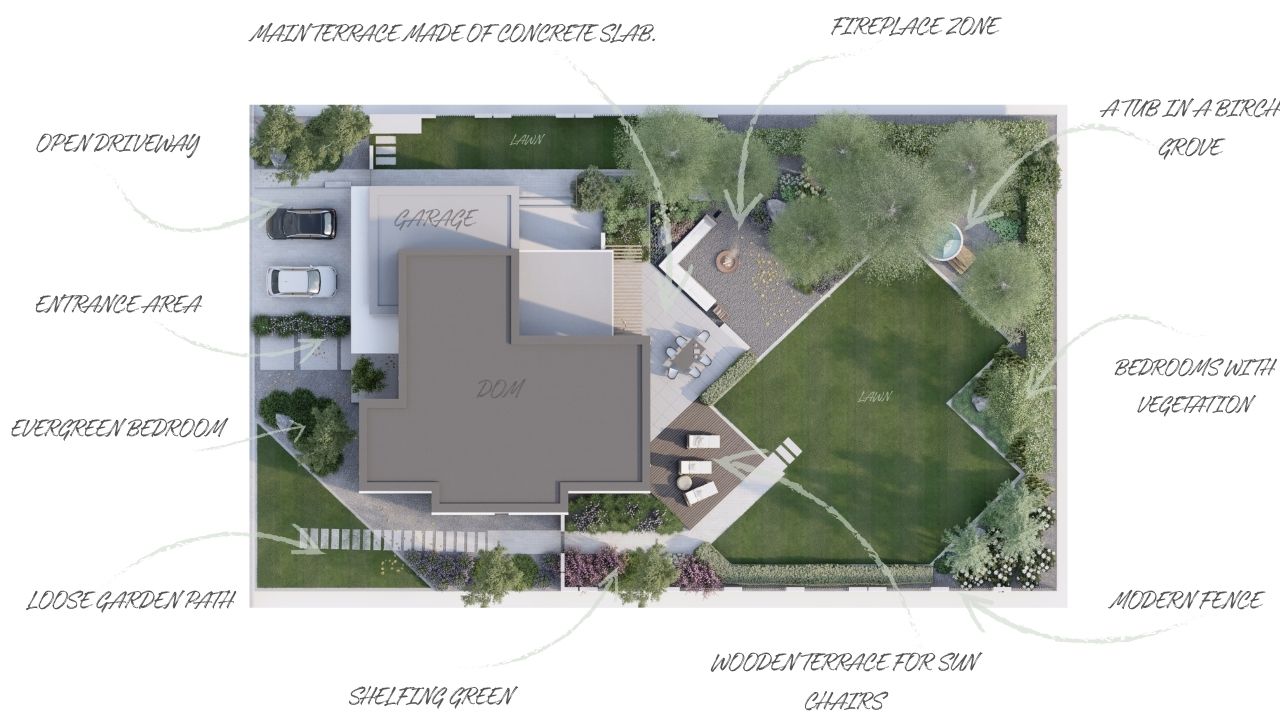
Garden bed design - what to choose?
Depending on available time and budget, there are several ways to implement plantings in the garden – from DIY work to comprehensive delegation to contractors.
DIY garden bed design
DIY garden bed design is an excellent choice for those who want full control over the appearance of their garden, aren't afraid of challenges, and are willing to spend time acquiring gardening knowledge. Check our landscape design examples and get inspired by ready-made arrangements.
Ready-made bed designs – when to use them?
Ready-made bed designs are something between DIY design and an architect's project. They're an ideal solution for those who want to quickly achieve an impressive result without having to plan planting layouts themselves. Ready-made bed designs (with code "BLOG-WZ" save 50%!) and for a fraction of the price design your garden with impressive plantings!
Individual garden and bed design
Ordering an individual garden and beds design is the best solution for those who expect a professional effect and perfect adaptation to the conditions and aesthetics of the plot. Find out garden design cost at Wytwórnia Zieleni.
Garden bed inspirations
Below are some inspirations from our e-books. Adapt ready-made bed designs like puzzle pieces – choose, combine, and enjoy your garden without guesswork!

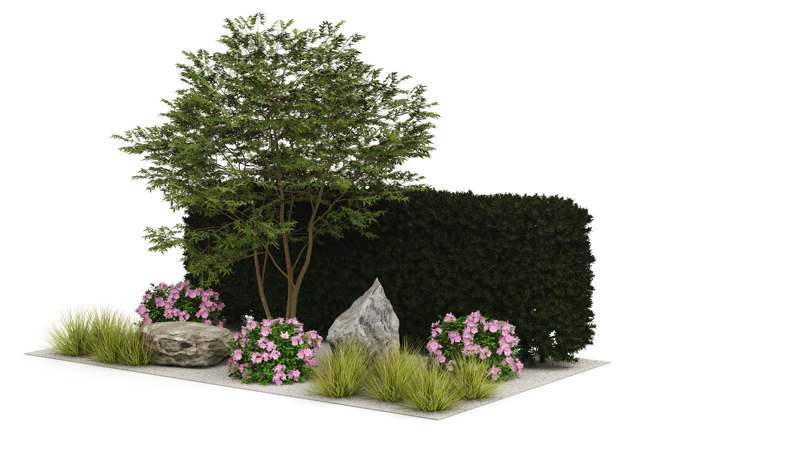
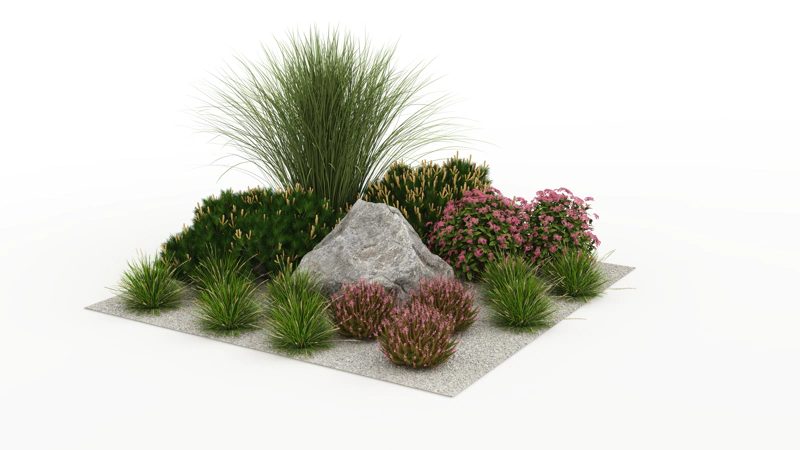
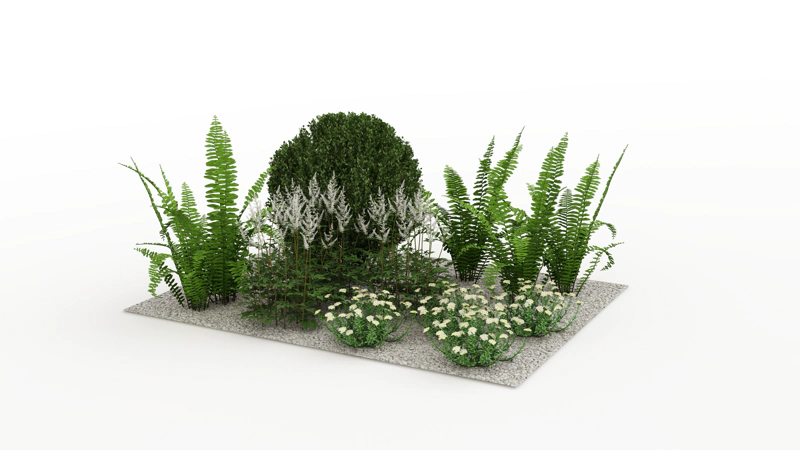
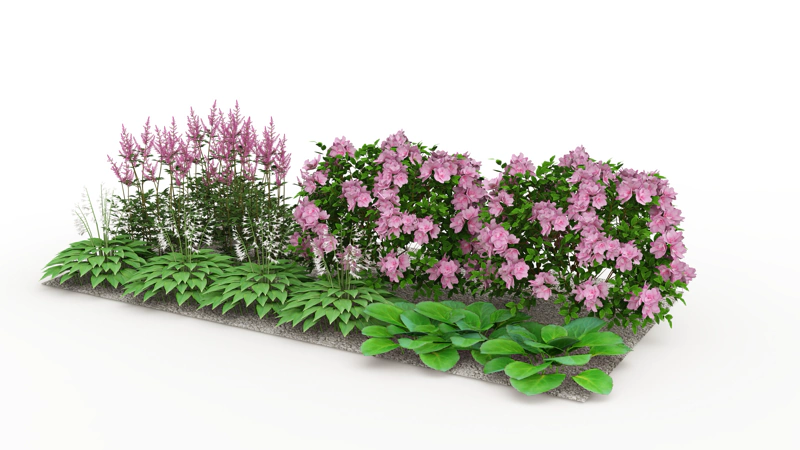
Garden bed inspirations
Below are some inspirations from our e-books. Adapt ready-made bed designs like puzzle pieces – choose, combine, and enjoy your garden without guesswork!
Front garden beds - how to plan?
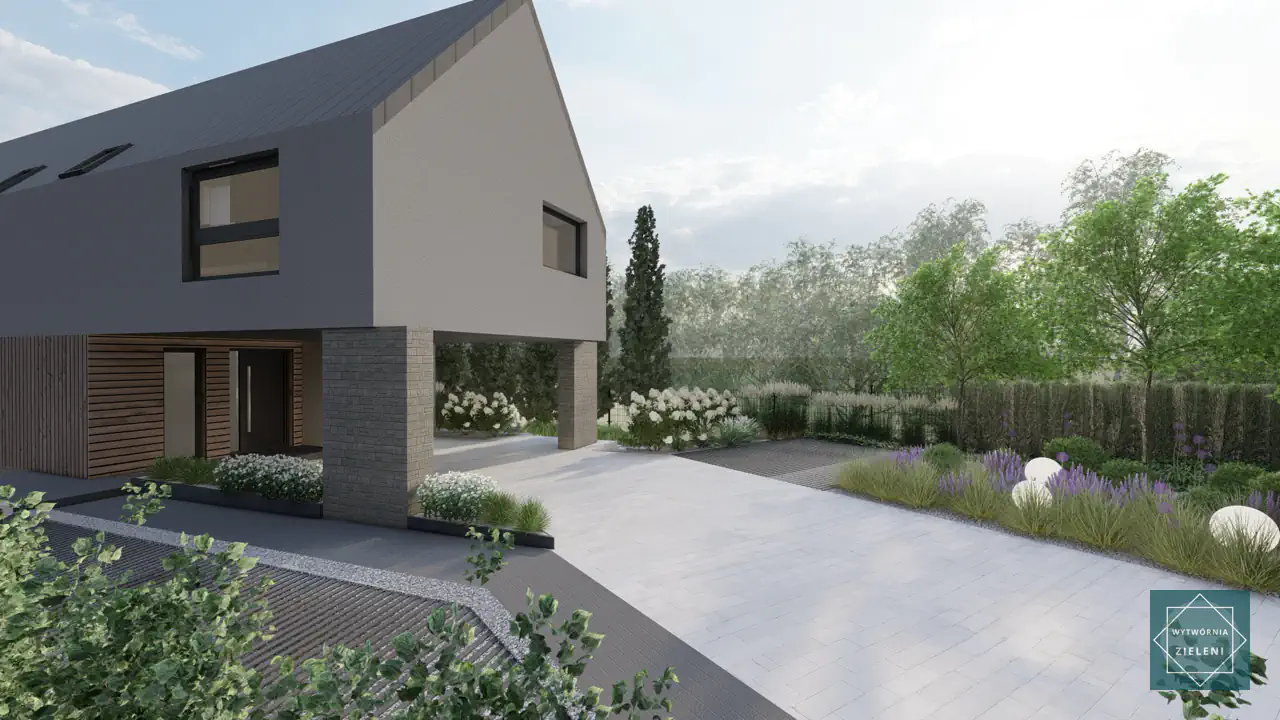
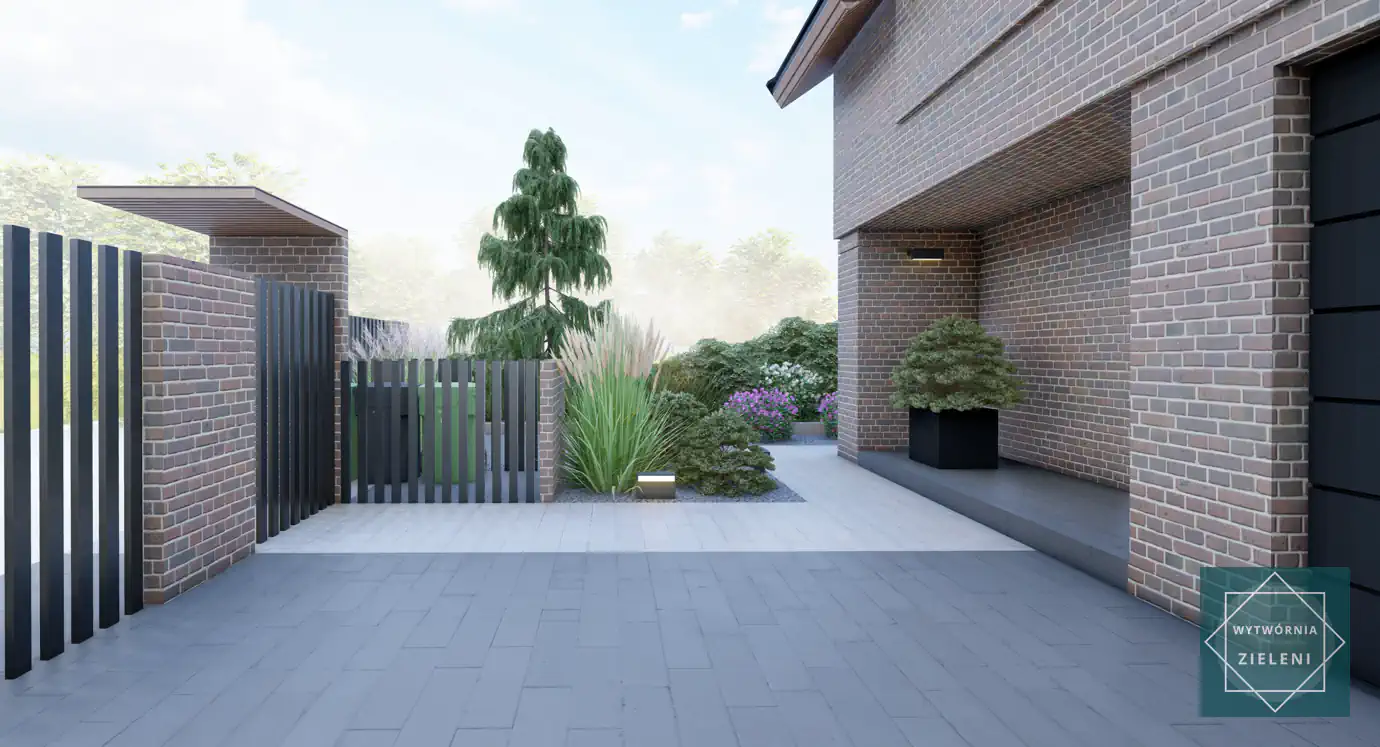
The arrangement of the garden in front of the house should not only be functional but also serve as an impressive decoration of the space through effective front yard landscaping. A carefully designed bed in front of the house creates the first impression of the entire garden and influences the perception of the house from the threshold. Here are some practical tips on how to arrange it:
- Choose low ornamental plants that won't cover windows or dominate the facade – lavender, coral bells, ornamental grasses, or dwarf hydrangea varieties work great.
- Use containers as additional decorative elements – ceramic or concrete containers with dwarf trees, grasses, or seasonal flowers will introduce interesting color accents and changeability of arrangements. Calculate the right amount of soil with our planter soil calculator.
- Add layers – the bed should have depth: lower species at the front (e.g., heather, sedum), medium in the middle (e.g., hostas, salvias), and taller grasses or small shrubs at the back.
- Apply decorative elements – small garden architecture and other ornaments that enhance the appearance of your garden front.



Front garden bed in sun – best plants and layout
A front garden bed with southern or western exposure requires carefully selected species resistant to intense sunlight, following the proper planting schedule. Perennial plants that not only bloom beautifully but also tolerate drought and high temperatures work best here.


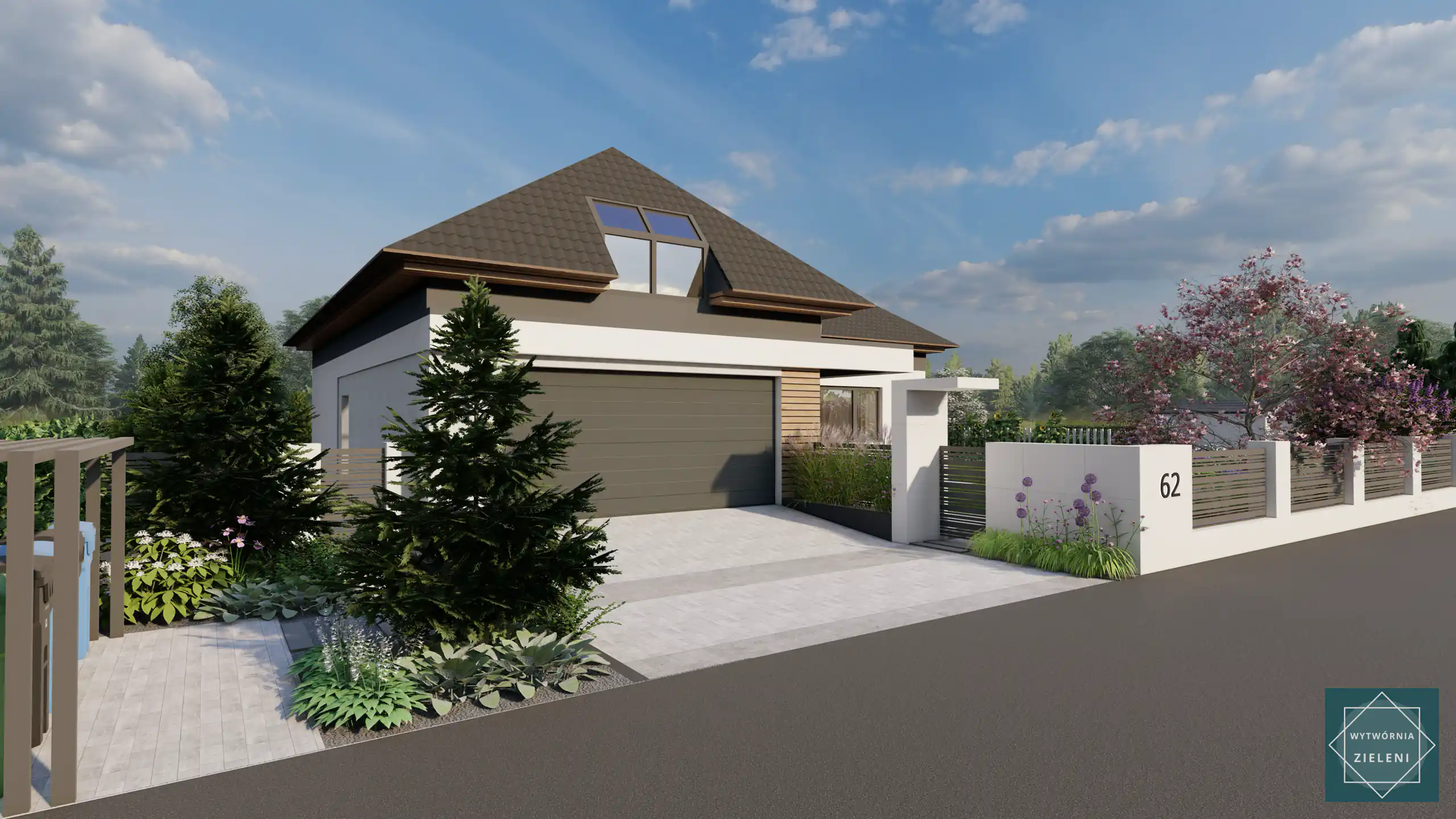
Examples of ideal plants for a sunny bed:
- Lavender – resistant to sun and drought, long-blooming.
- Sedum – decorative leaves and impressive late blooming.
- Purple coneflower – strong flower heads and long blooming period.
- Salvia – distinctive colors, attractive to pollinating insects.
- Black-eyed Susan – intensely yellow flowers, easy to grow.
- Daylilies – drought-resistant, flowering even in difficult conditions.
- Ornamental grasses – e.g., blue fescue or Chinese miscanthus.
- Pine in various varieties
Narrow bed along the fence – how to maximize space?
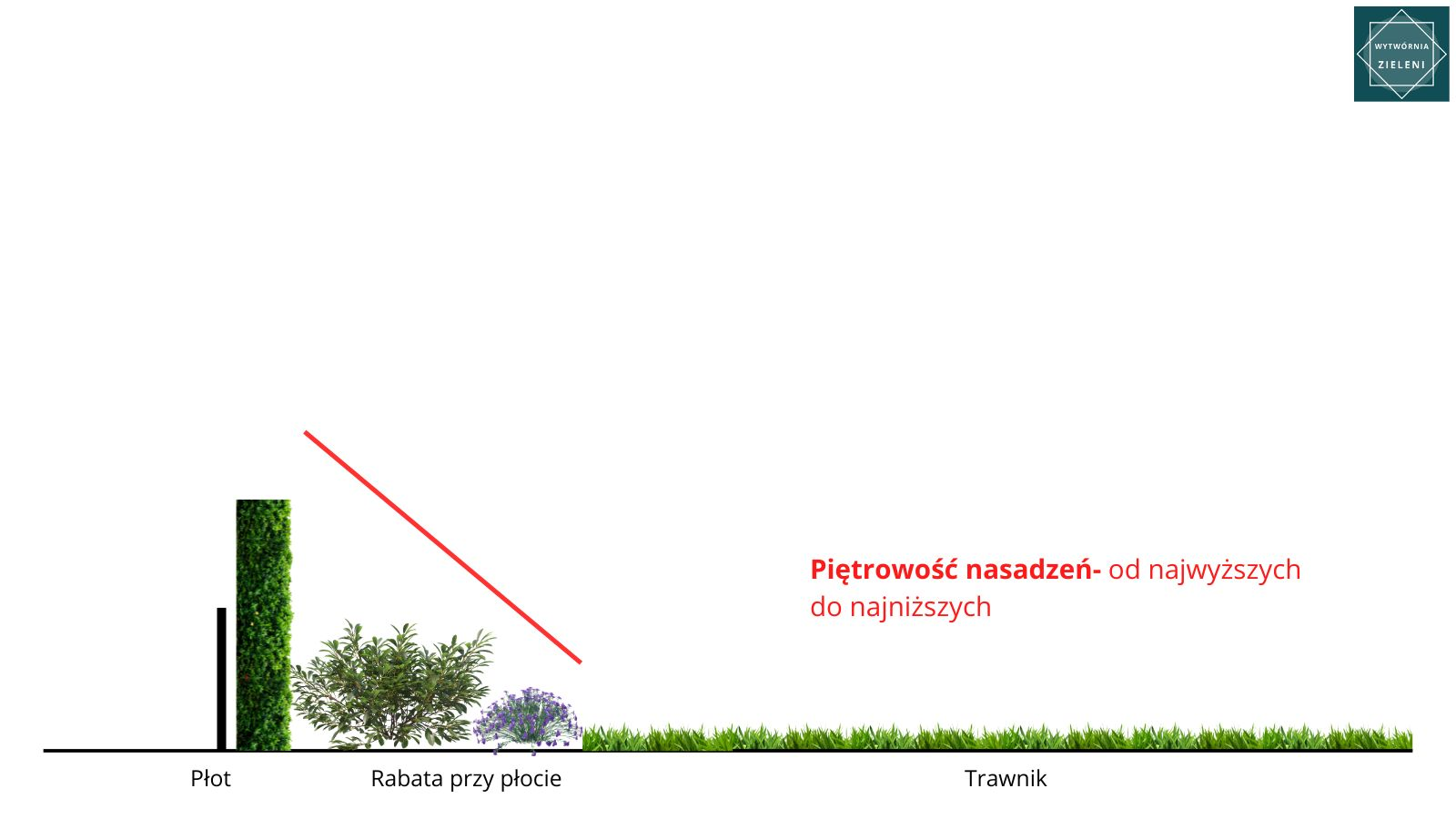
A narrow bed along the fence is a great way to effectively use limited space and organize the property boundary through small garden ideas. The key to success is proper plant selection – low ornamental grasses, perennials, and dwarf shrubs that don't shade or overwhelm the surroundings work best here.
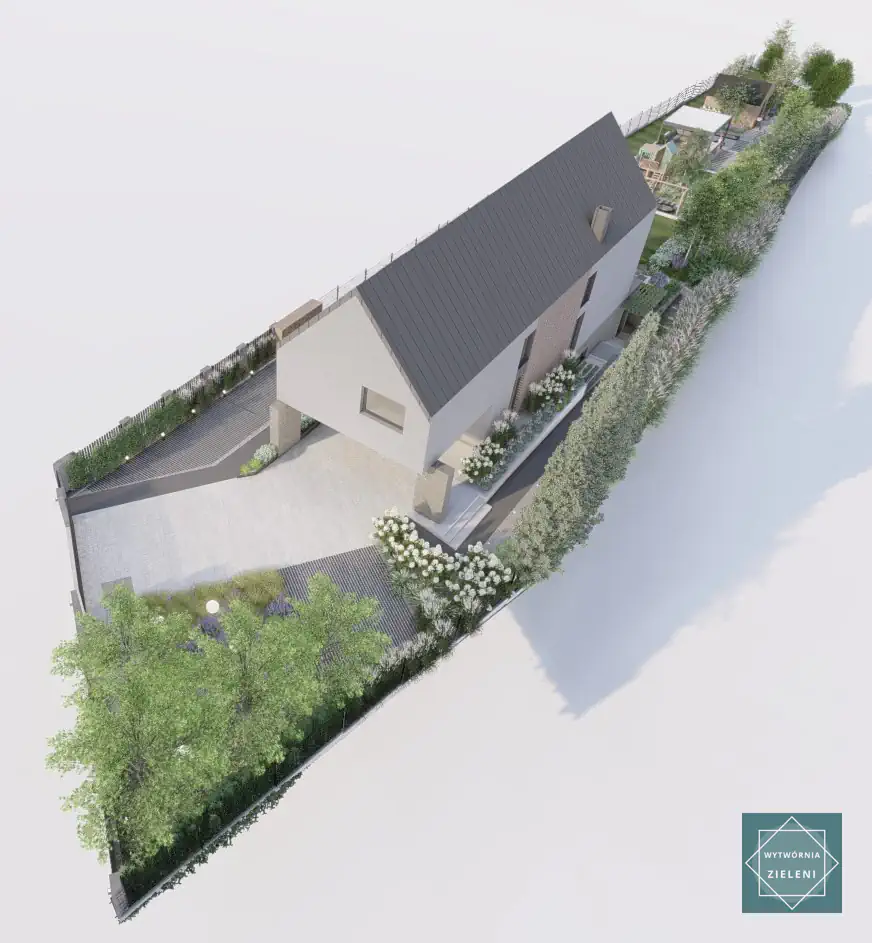
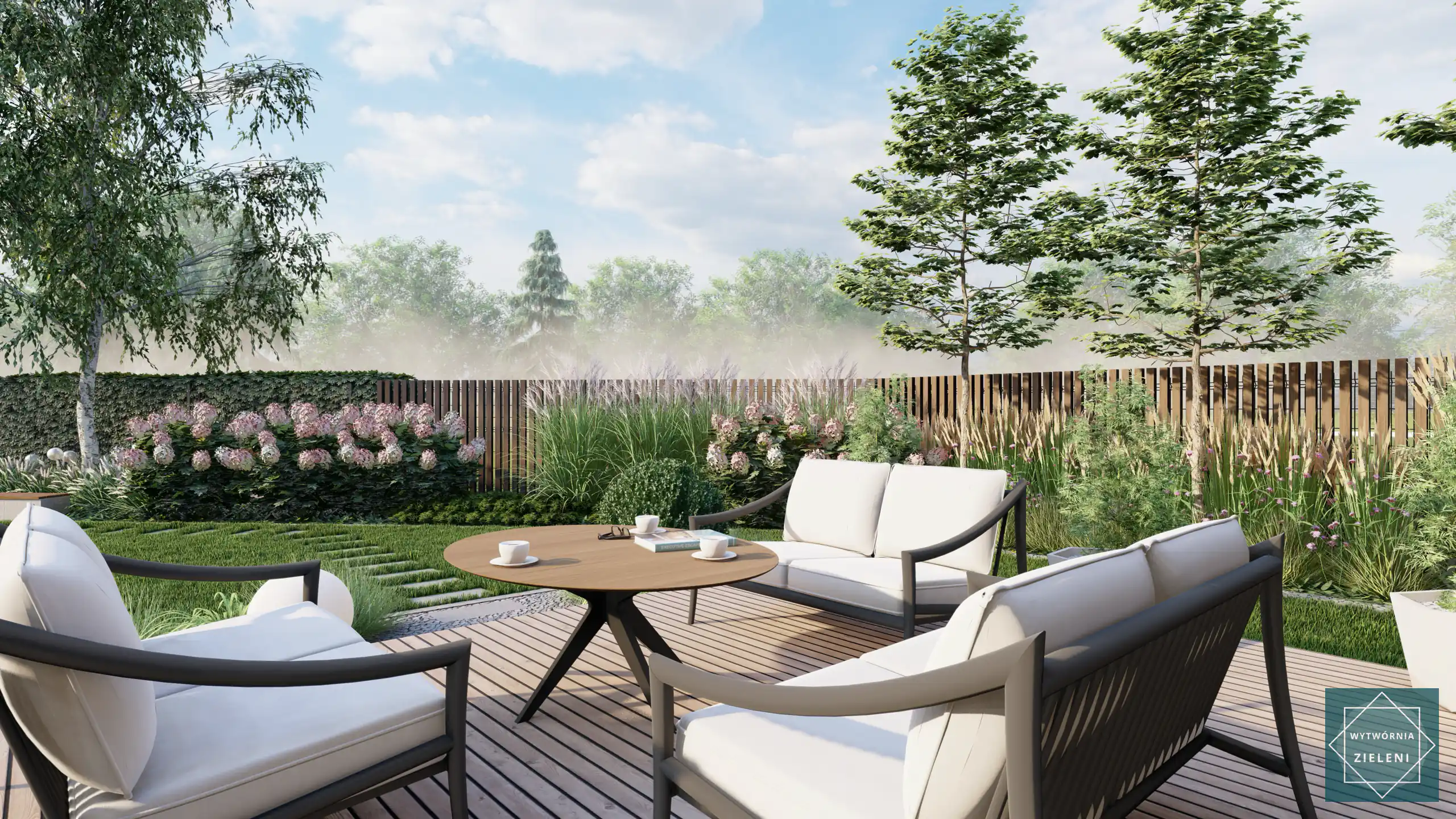

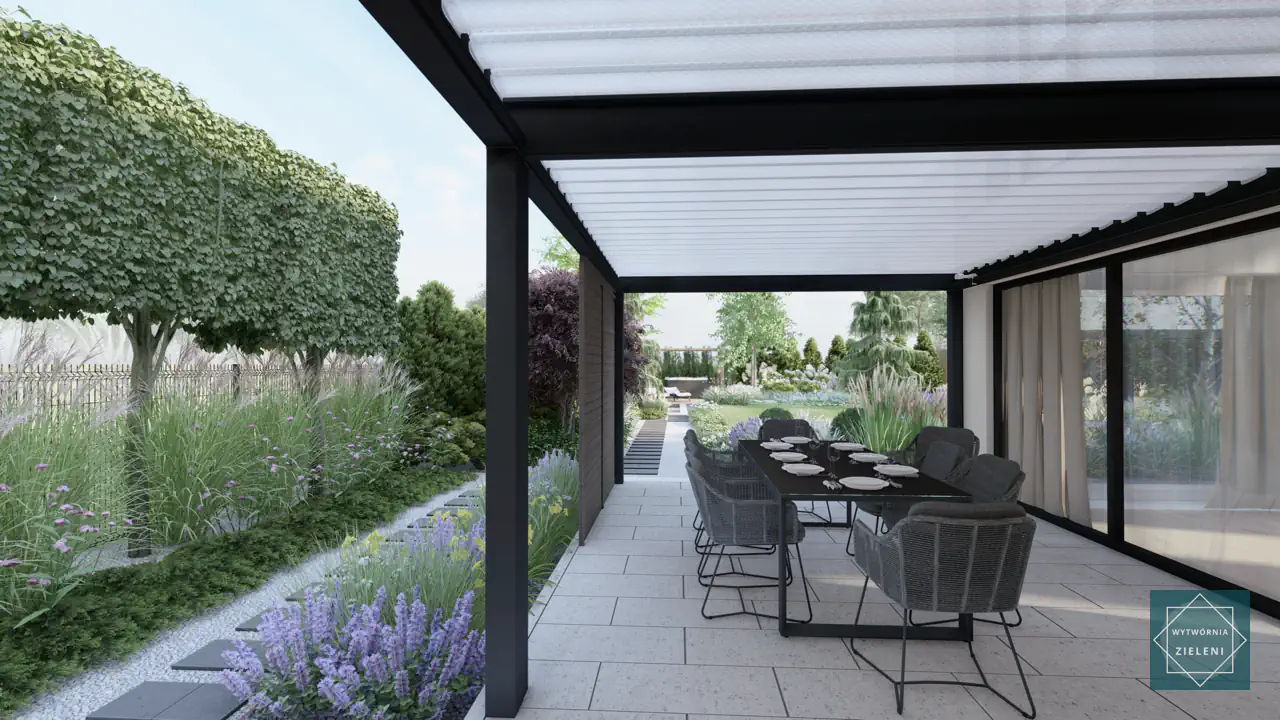

When designing a narrow bed, remember the layering principle: taller grasses or narrow shrubs at the back (e.g., columnar barberry), and trailing plants or flowering perennials at the front. This way, even a small strip of land will turn into an organized and decorative part of the garden.
Garden bed designs with ornamental grasses – modern garden beds
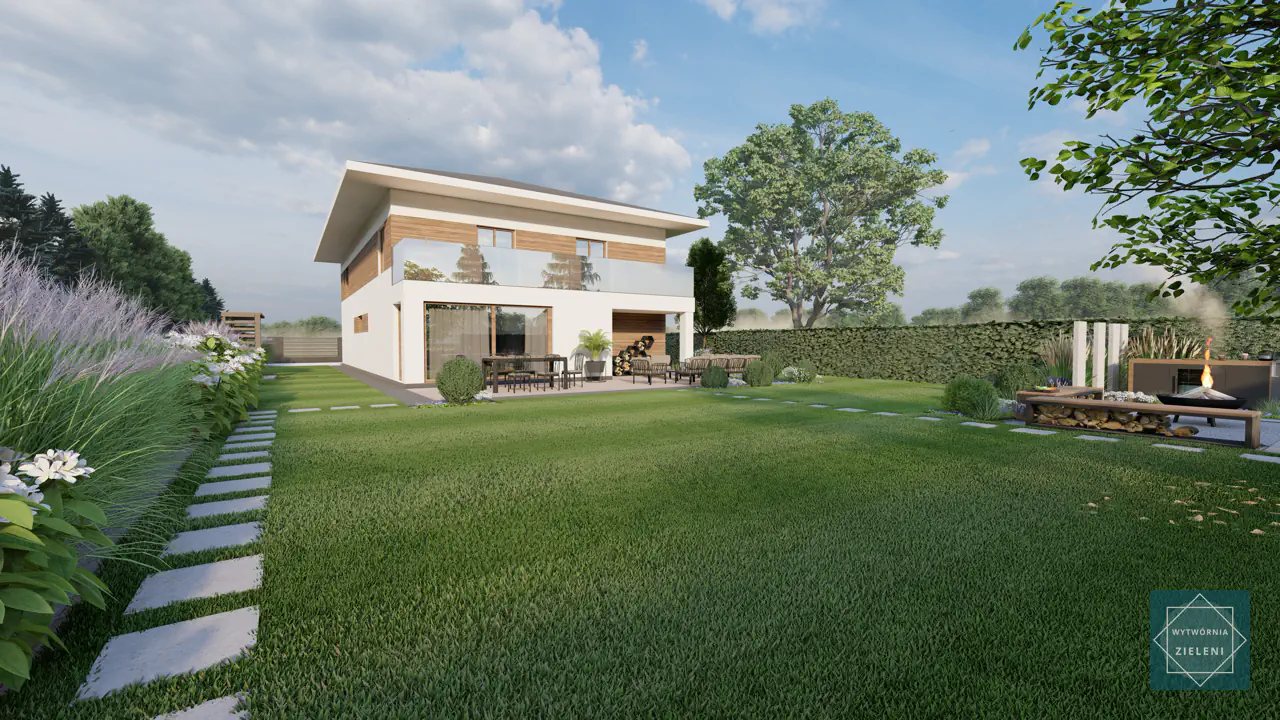
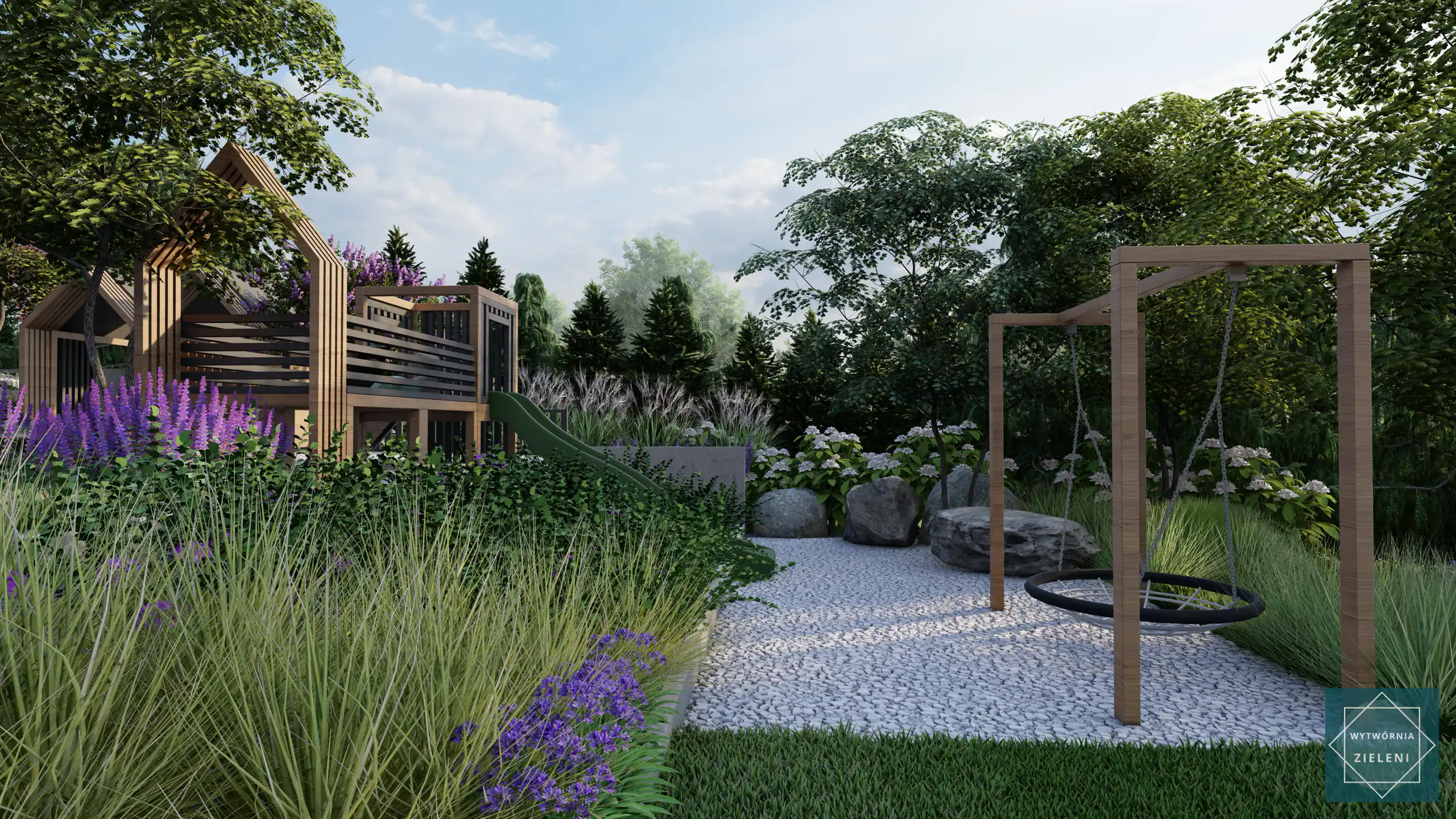
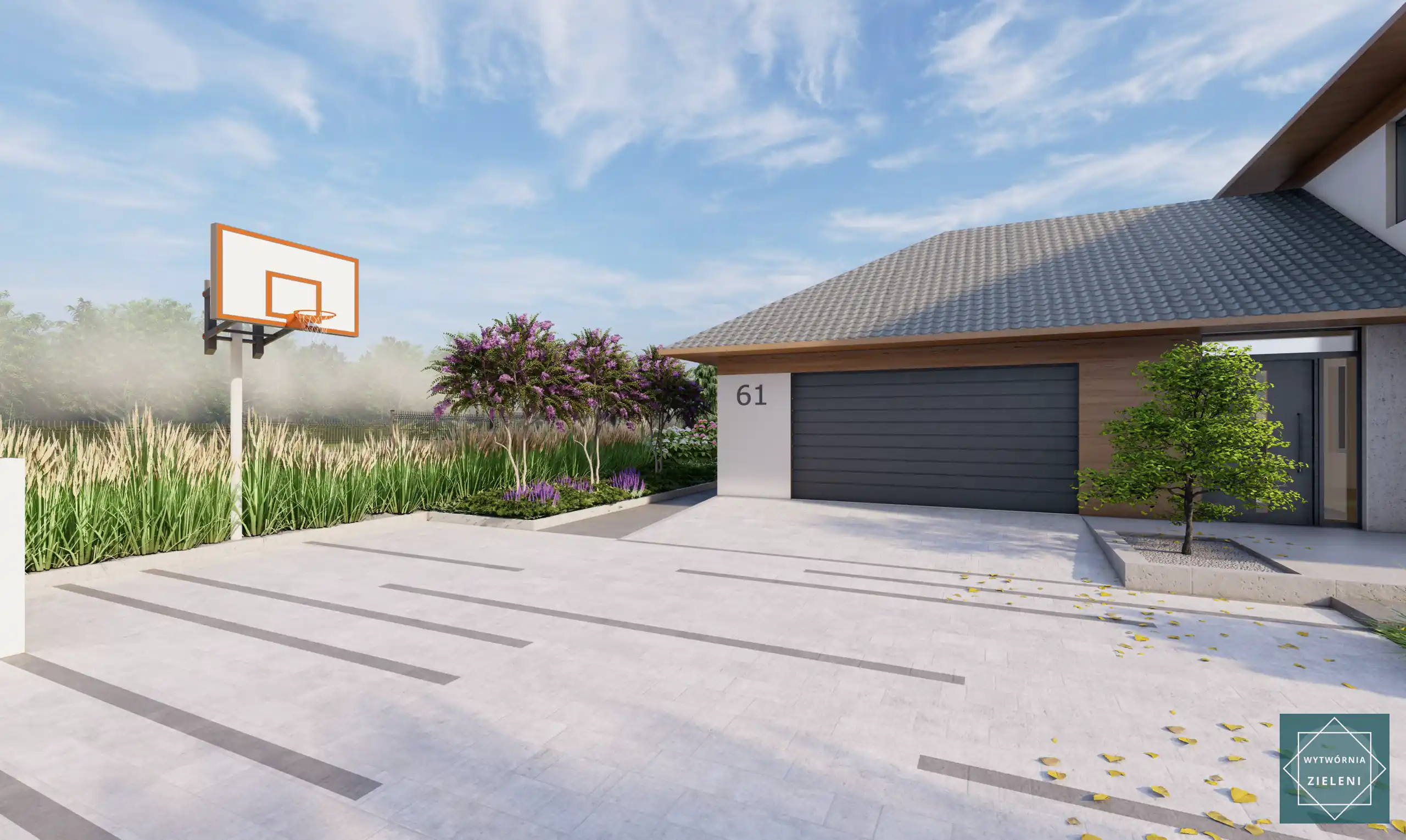
Garden beds with ornamental grasses are becoming increasingly popular due to their lightness, modern character, and low maintenance requirements. Flower bed designs are often enriched with grasses that add dynamics and elegance to the composition.


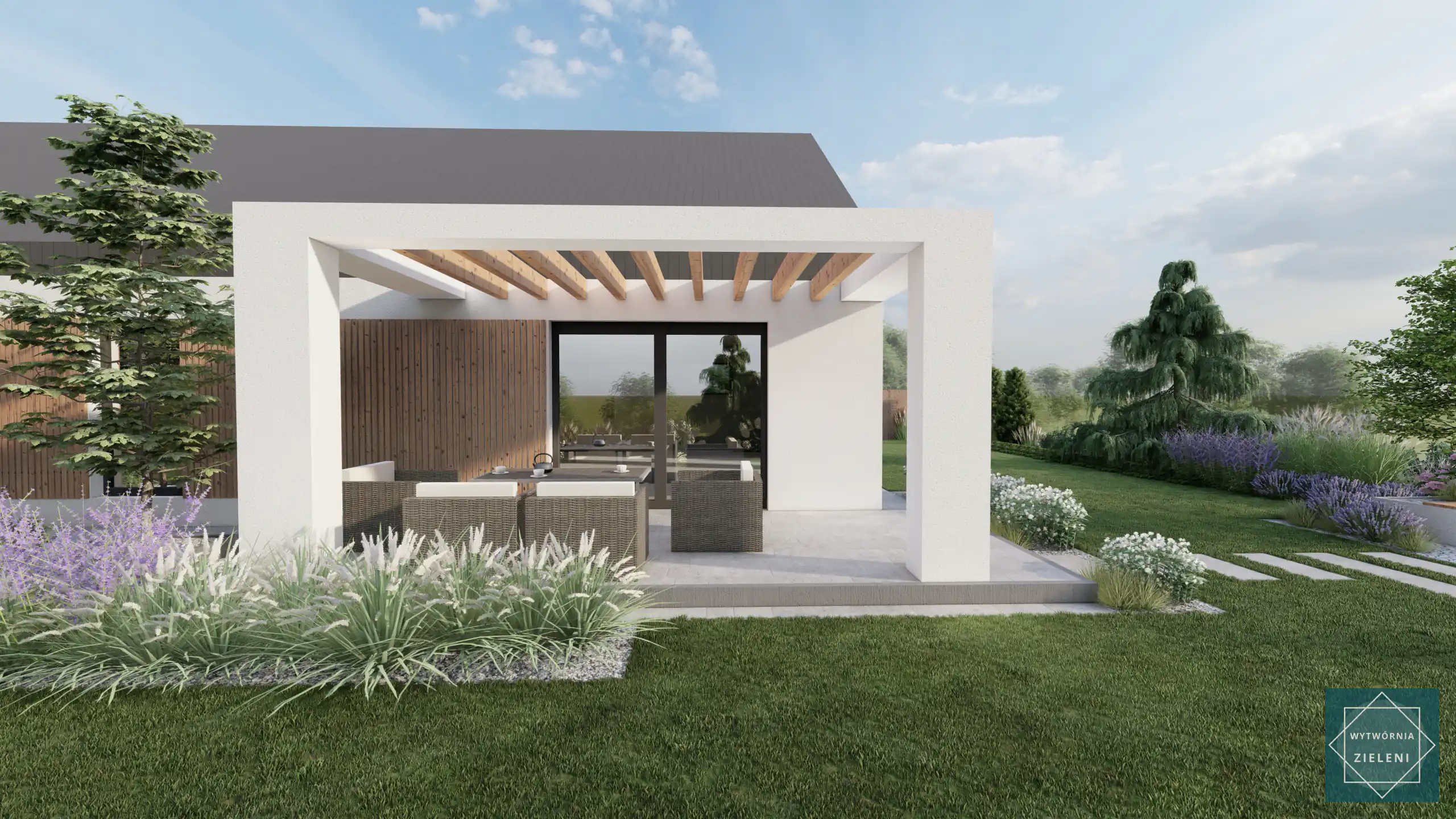
Points to consider when designing a bed with ornamental grasses:
- Select appropriate species – e.g., Chinese miscanthus, Japanese fountain grass, blue fescue.
- Combine grasses with flowers – they complement well with coneflower, black-eyed Susan, or sedum.
- Provide space – grasses need room to fully develop their habit.
- Consider seasonal variability – ornamental grasses are decorative even in winter.
- Use repetition – plant grasses in groups to achieve a cohesive, rhythmic effect.
Flower bed designs in the garden – colorful arrangements throughout the season
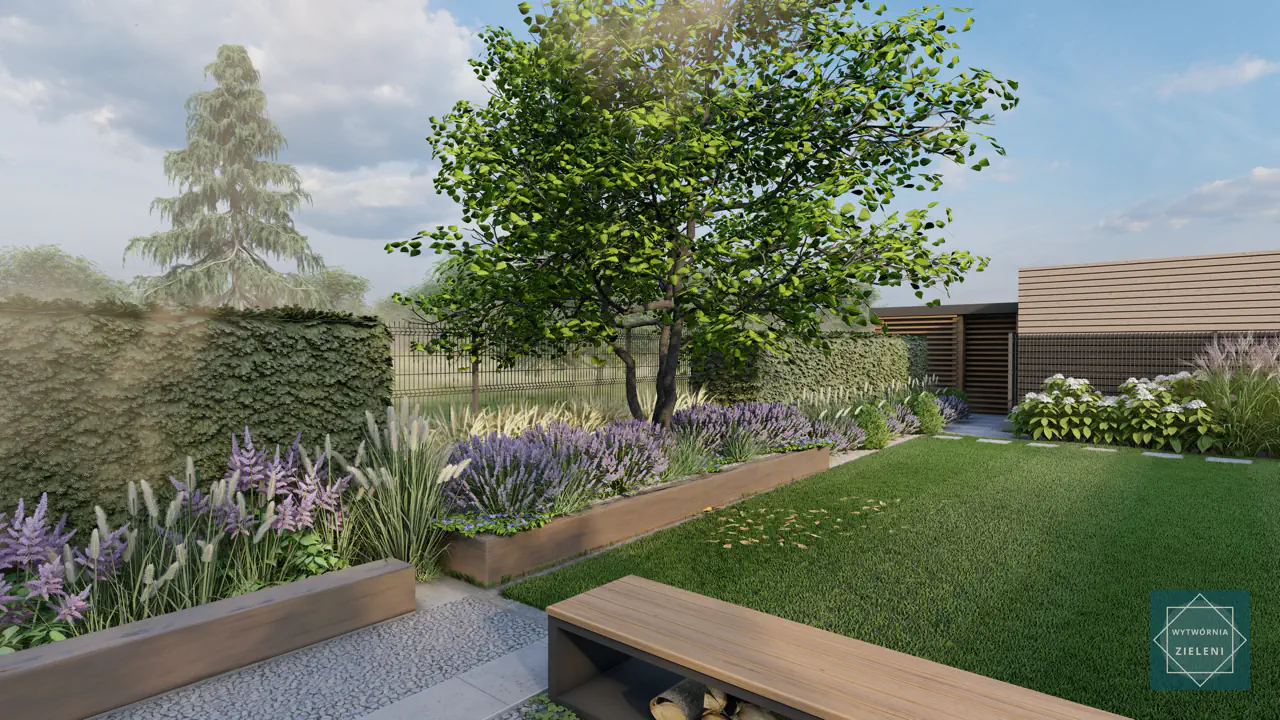
Colorful bed arrangements make the garden vibrant throughout the season. A good flower bed design considers not only color scheme but also blooming period and plant height. The right combination of species allows you to enjoy flowers from early spring to late fall.
Tips for designing a flower bed:
- Embrace diversity – combine plants flowering at different times of the year.
- Include durable species – e.g., daylilies, which are reliable and impressive.
- Create layered arrangements – plant lower species at the front, taller in the background.
- Use color repetition – for harmony and cohesion of the composition.
- Remember plants with decorative foliage – e.g., hostas or coral bells.


Transform Your Garden Vision Into Reality
Creating beautiful garden beds requires careful planning, proper plant selection, and understanding of design principles. Well-designed beds form the foundation of any successful landscape, providing year-round interest and enhancing your outdoor living space. Ready to bring your garden dreams to life?

Get a professional garden design consultation and discover how expert planning can bring your landscaping vision to life.
FAQ - Garden Beds
How to prepare soil for a garden bed?
To provide plants with proper growing conditions, the soil should be cleared of weeds, dug up, and enriched with compost or organic fertilizer. Proper preparation also includes analyzing the soil and climatic conditions of the planting site.
Which perennial flowers to choose for beds?
For beds, it's best to choose hardy perennial plants such as perennials and ornamental plants. Popular planting species include lavender, coneflower, sedum, black-eyed Susan, and asters, which provide color and structure throughout the season.
How to make a bed where grass won't grow?
To protect your garden bed from grass and weeds, use landscape fabric and appropriate mulch, such as bark or gravel. Proper plant spacing and regular maintenance will further reduce the problem of bed overgrowth. However, remember that no method is 100% effective in avoiding weeds.
Which bed blooms all summer?
Beds blooming from spring to fall are created with flowering plants such as black-eyed Susan, coneflower, lavender, and asters. Well-selected species ensure the bed blooms throughout the season, guaranteeing beauty without interruptions in flowering.
When is the best time to establish a garden bed?
The best time to establish a spring bed is early spring or fall. This allows plants to establish better and adapt to soil and weather conditions, increasing their chances for healthy development.
What to plant in front of the house under the window?
In front of the house under the window, it's best to plant ornamental plants such as boxwood, barberry, lavender, or hydrangeas. Species selection depends on sunlight exposure, but it's always worth focusing on aesthetic and low plantings.
What should be the width of a bed along the fence?
The width of a bed along the fence should be between 50 and 120 cm. In small spaces, a narrow bed or garden box will work well, allowing for an organized arrangement without taking up excess space.
How to fill beds to make them look impressive?
To create impressive beds, it's worth using mulch made of bark, gravel, or decorative stones. This solution not only ensures a spectacular appearance but also protects the soil from drying out and weed growth.
How densely should plants be planted in a bed?
Planting density depends on the requirements of individual species. Usually, plants are planted every 20-50 cm. It's worth considering plant requirements to provide them with adequate space for development without excessive competition.
How to combine flowers in a garden bed?
Combining different plant species in a bed requires knowledge of composition principles and plant arrangement. It's worth using minimalist layouts, harmonizing colors, shapes, and habitat needs for a cohesive effect.
How to select plants for a bed?
Plant selection for a bed is the foundation of an aesthetic and durable garden. Below are a few key principles:
- Consider light and water needs of different plant species.
- Combine plants with similar soil and climate requirements.
- Plan plantings in layers: from low at the front to tall at the back.
- Ensure color variability and seasonal flowering.
- Choose species resistant to local conditions and easy to maintain.
Careful selection of various plants allows you to create a bed that will delight throughout the season and won't cause maintenance difficulties.

Wojciech Kazimierowicz – Author of the Article
Co-owner of Wytwórnia Zieleni and an expert in garden design and landscaping with over 13 years of experience. He specializes in creating modern, functional green spaces tailored to the budget and needs of homeowners.

Find Out How Much Your Garden Design Will Cost!
Take a quick quiz and discover the estimated cost of a custom garden design tailored to your needs. No strings attached – it takes just 2 minutes!


Wytwórnia Zieleni | Garden Design
KRS 0001107384 NIP 6452587627 REGON 528715049 St. Strzelców Bytomskich 51/1 42-600 Tarnowskie Gory, Poland
Resources
© Wytwórnia Zieleni 2026


