How to plan garden electrical installation - complete guide
Elektrykę w ogrodzie należy zaplanować już na etapie projektu, określając strefy funkcjonalne, zapotrzebowanie na moc oraz trasy prowadzenia kabli w gruncie. Pozwala to uniknąć późniejszych przeróbek, zapewnia bezpieczeństwo użytkowania i zwiększa funkcjonalność przestrzeni.
TL;DR
- Instalację elektryczną należy powiązać z podziałem ogrodu na strefy, takie jak komunikacja, wypoczynek i technika.
- W ogrodzie planuje się oświetlenie, gniazda zewnętrzne oraz zasilanie urządzeń o większej mocy.
- Kable ziemne powinny być prowadzone w osłonach i zakopane na odpowiedniej głębokości zgodnie z normami.
- Instalacja musi być zabezpieczona wyłącznikiem różnicowoprądowym oraz ochroną przeciwprzepięciową.
- Projektowanie elektryki na wczesnym etapie ogranicza koszty i eliminuje konieczność późniejszych prac ziemnych.
Published
17 February 2026
Share this article


 Copied
TOC
- Types of electrical installation in gardens
- How to plan electrical installation in your garden
- Safety first in outdoor electrical installation
- Benefits of well-planned garden electrical systems
- Transform your outdoor space with professional electrical planning
- Frequently asked questions
- What permits do I need for garden electrical installation?
- How deep should electrical cables be buried in gardens?
- Can I install garden electrical systems myself?
- What's the best time to install garden electrical systems?
- How much does garden electrical installation cost?
- What IP rating do outdoor electrical outlets need?
- How do I maintain garden electrical systems?
- Can solar lights replace traditional electrical installation?
Types of electrical installation in gardens
When planning garden electrical installation, you need to consider several key areas that most commonly require power access. Lighting serves both aesthetic and practical functions. It's worth dividing it into several sections:
- Pathway and walkway lighting – lanterns, solar lights, or LED fixtures will highlight main circulation routes and improve safety.
- Recreational area lighting – subtle lamps or wall sconces above terraces create ambiance for evening gatherings.
- Plant and decoration spotlights – LED reflectors that highlight the beauty of your garden's most important elements.

For comprehensive guidance on creating beautiful outdoor lighting effects, explore our detailed guide on how to plan garden lighting.
Outdoor electrical outlets

Electrical outlets are essential in many garden locations. Here are application examples:
- Powering equipment such as lawn mowers, pressure washers, or water feature pumps.
- Seasonal decoration power like Christmas lights or holiday displays.
- Powering electric grills or heaters in recreational zones for year-round outdoor entertainment.
Garden electrical outlets should be placed in waterproof enclosures, protected against moisture and dust (IP protection class). Professional outdoor electrical installation ensures safety and longevity.
Powering larger equipment
If you're planning to install large equipment in your garden, such as irrigation system pumps, pool heaters, or pool lighting, you'll need to plan appropriate cables and safety measures. In such cases, it's worth consulting with a qualified electrician for proper outdoor electrical installation.
How to plan electrical installation in your garden
Step 1: Define needs and functional zones
Start by carefully dividing your garden into functional zones. If you're creating a comprehensive garden project, it's worth including electrical planning in your initial landscape design plans.

Understanding your outdoor electrical requirements early in the design process helps avoid costly modifications later. Consider how you'll use each area during different seasons and times of day.
Step 2: Choose the right cable types
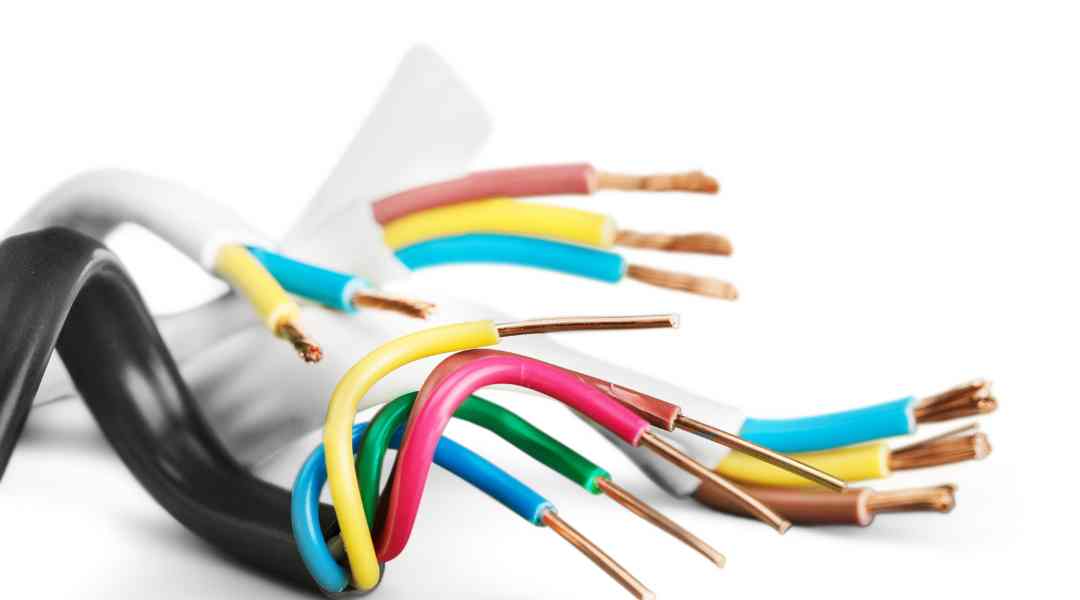
Garden cables should be properly protected against moisture, mechanical damage, and frost. The best choice is underground cables with reinforced insulation placed in protective conduits.
For outdoor electrical installation, use cables specifically rated for direct burial or those installed in appropriate protective conduits. This ensures safety and prevents costly repairs due to cable damage.
Step 3: Plan cable routes
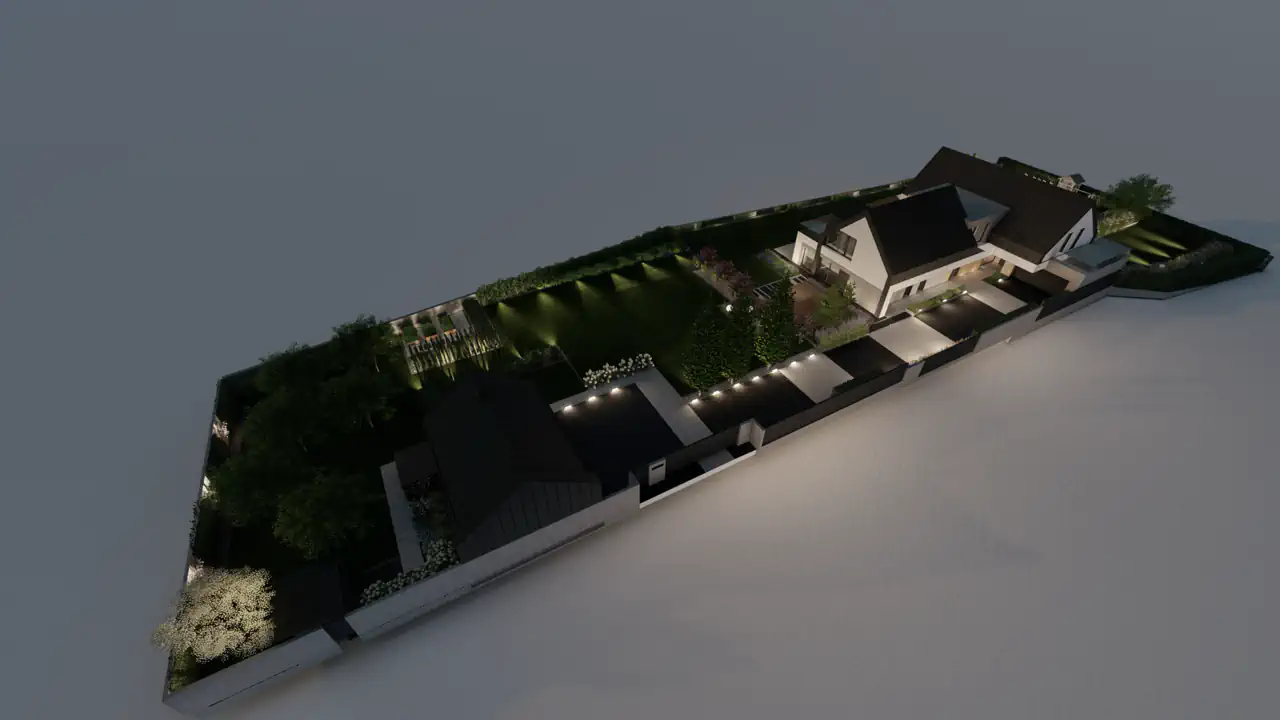
Cables should be installed in appropriate protective conduits and buried at least 24 inches (60 cm) deep. It's also worth marking the cable route on your garden plan to avoid future problems during landscaping or maintenance work.
Professional garden electrical planning includes detailed documentation of all cable routes, making future maintenance and modifications much easier.

Safety first in outdoor electrical installation
Garden electrical systems require appropriate safety measures. Every installation must include:
- Ground fault circuit interrupters (GFCI) that prevent electrical shock hazards.
- Surge protection to protect equipment during storms and electrical surges.
- Waterproof enclosures for outlets and electrical boxes (IP44 rating or higher).
Always use certified electrician services for outdoor electrical installation
Professional installation ensures compliance with local electrical codes and safety standards. For detailed information about cable specifications and installation methods, check our guide on outdoor electrical cables. Never attempt complex electrical work without proper qualifications.
Benefits of well-planned garden electrical systems
A properly executed electrical installation allows you to fully utilize your garden space while enhancing its functionality and aesthetic appeal. With appropriate placement of light sources and electrical outlets, you can organize evening parties, illuminate your garden's most beautiful corners, and use electrical equipment without unnecessary extension cords.

Well-planned garden electrical installation also increases property value and provides flexibility for future landscaping modifications or additions. For comprehensive planning guidance, explore our detailed garden design guide to ensure your electrical system integrates seamlessly with your overall landscape vision.
Transform your outdoor space with professional electrical planning
Expert garden electrical planning creates the foundation for a truly functional outdoor living space. Professional installation ensures safety, reliability, and aesthetic integration with your landscape design.

Ready to enhance your garden with proper electrical infrastructure? Contact our professional garden design consultation and discover how expert planning can bring your landscaping vision to life.

Frequently asked questions
What permits do I need for garden electrical installation?
Most outdoor electrical installations require permits from your local building authority. Contact your municipal office or hire a licensed electrician who can handle permit applications and ensure code compliance.
How deep should electrical cables be buried in gardens?
Electrical cables should be buried at least 24 inches (60 cm) deep in most areas. However, under driveways or high-traffic areas, cables may need to be buried deeper - up to 36 inches (90 cm). Always check local electrical codes for specific requirements.
Can I install garden electrical systems myself?
While simple tasks like connecting outdoor lights might be manageable for experienced DIY enthusiasts, complex electrical installations should always be performed by licensed electricians. This ensures safety and code compliance.
What's the best time to install garden electrical systems?
The best time is during initial landscaping or major garden renovations. Installing electrical systems after landscaping is complete can be more expensive and disruptive to established plantings.
How much does garden electrical installation cost?
Costs vary significantly based on complexity, distance from power source, and local labor rates. Basic installations start around $500-1000, while comprehensive systems can cost $3000-8000 or more. For accurate planning, use our garden cost calculator to estimate your electrical installation budget. Get quotes from multiple licensed electricians.
What IP rating do outdoor electrical outlets need?
Outdoor electrical outlets should have a minimum IP44 rating for basic weather protection. For areas with high moisture exposure, consider IP65 or higher ratings for maximum protection.
How do I maintain garden electrical systems?
Regular maintenance includes checking outlet covers, testing GFCI devices monthly, inspecting visible wiring for damage, and having annual professional inspections. Keep electrical box locations marked and accessible.
Can solar lights replace traditional electrical installation?
Solar lights work well for basic pathway lighting and accent lighting, but they can't power equipment or provide consistent bright illumination. They're best used as supplements to traditional electrical systems rather than replacements.

Wojciech Kazimierowicz – Author of the Article
Co-owner of Wytwórnia Zieleni and an expert in garden design and landscaping with over 13 years of experience. He specializes in creating modern, functional green spaces tailored to the budget and needs of homeowners.

Find Out How Much Your Garden Design Will Cost!
Take a quick quiz and discover the estimated cost of a custom garden design tailored to your needs. No strings attached – it takes just 2 minutes!


Wytwórnia Zieleni | Garden Design
KRS 0001107384 NIP 6452587627 REGON 528715049 St. Strzelców Bytomskich 51/1 42-600 Tarnowskie Gory, Poland
Resources
© Wytwórnia Zieleni 2026


