Complete Guide to Outdoor Garden Furniture & Design Solutions
Published
16 February 2026
Share this article


 Copied
TOC
- Your ultimate guide to outdoor garden furniture
- Essential types of outdoor garden furniture
- Materials and construction considerations
- Design principles for outdoor spaces
- Maintenance and care strategies
- Transform your outdoor space with professional expertise
- Frequently asked questions
- What types of outdoor garden furniture are most durable?
- How do I choose the right outdoor garden furniture set for my space?
- What's the best way to protect outdoor garden furniture during winter?
- How often should I clean and maintain my outdoor garden furniture?
- Can I mix different styles of outdoor garden furniture?
- What size outdoor dining set do I need for entertaining?
- How do I secure outdoor garden furniture against wind and theft?
- What's the difference between teak and aluminum outdoor garden furniture?
- How do I arrange outdoor garden furniture for optimal use?
- When is the best time to buy outdoor garden furniture?
Your ultimate guide to outdoor garden furniture
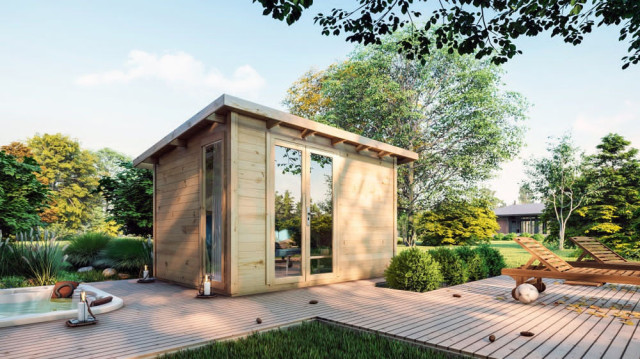
Outdoor garden furniture transforms any backyard, patio, or garden space into a comfortable and stylish outdoor living area. From cozy seating arrangements to functional dining sets, the right furniture pieces create inviting spaces for relaxation, entertainment, and outdoor dining. Whether you're planning a complete backyard planning project or simply adding a few key pieces, understanding your options will help you make informed decisions that enhance your outdoor lifestyle.
Essential types of outdoor garden furniture
Outdoor dining sets and tables
Outdoor dining furniture serves as the centerpiece of many garden spaces. Available in various sizes from intimate bistro sets for two to expansive tables accommodating twelve guests, these pieces range from compact folding options perfect for small patio spaces to substantial permanent installations. Materials commonly include weather-resistant teak, powder-coated aluminum, and synthetic rattan, each offering different aesthetic and maintenance requirements.
Lounge and relaxation furniture
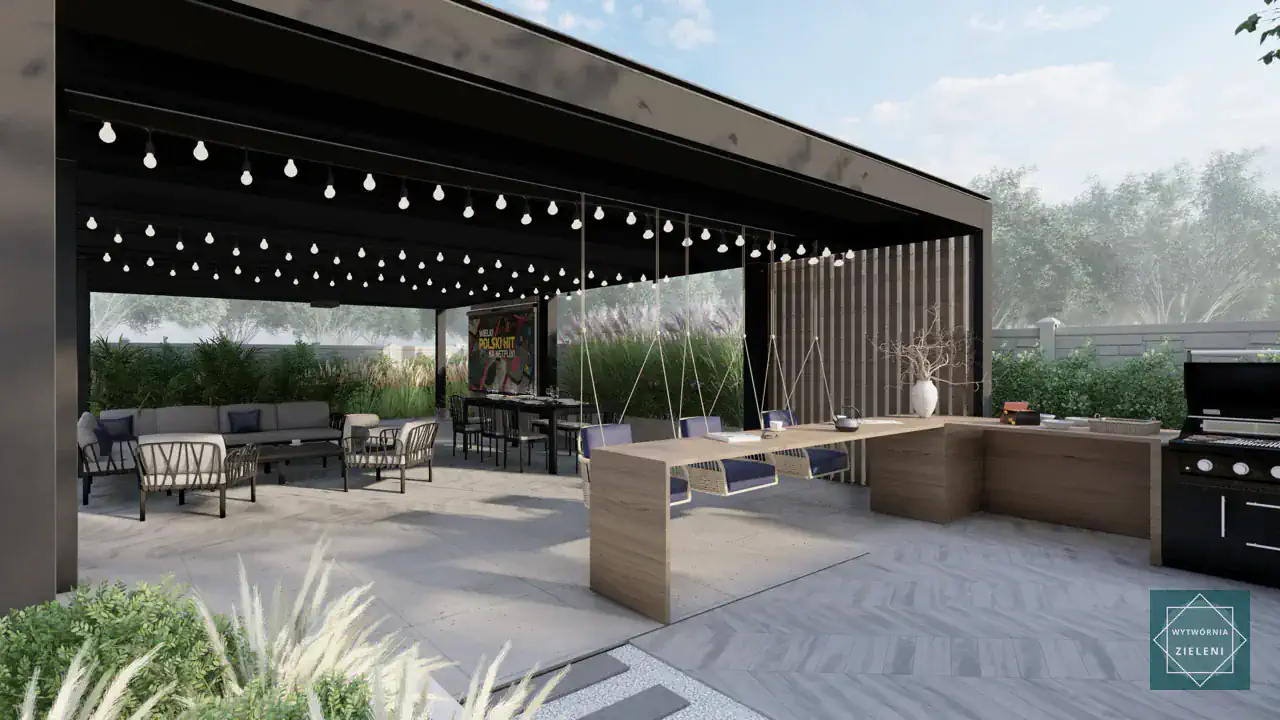
Garden lounge furniture creates comfortable spaces for casual relaxation and socializing. This category encompasses deep-seating sofas, sectional arrangements, individual armchairs, and ottomans designed to withstand outdoor conditions. Creating dedicated relaxation areas with modular systems offers flexibility in arrangement, while built-in storage options provide practical solutions for cushion and accessory storage during inclement weather.
Specialty seating solutions
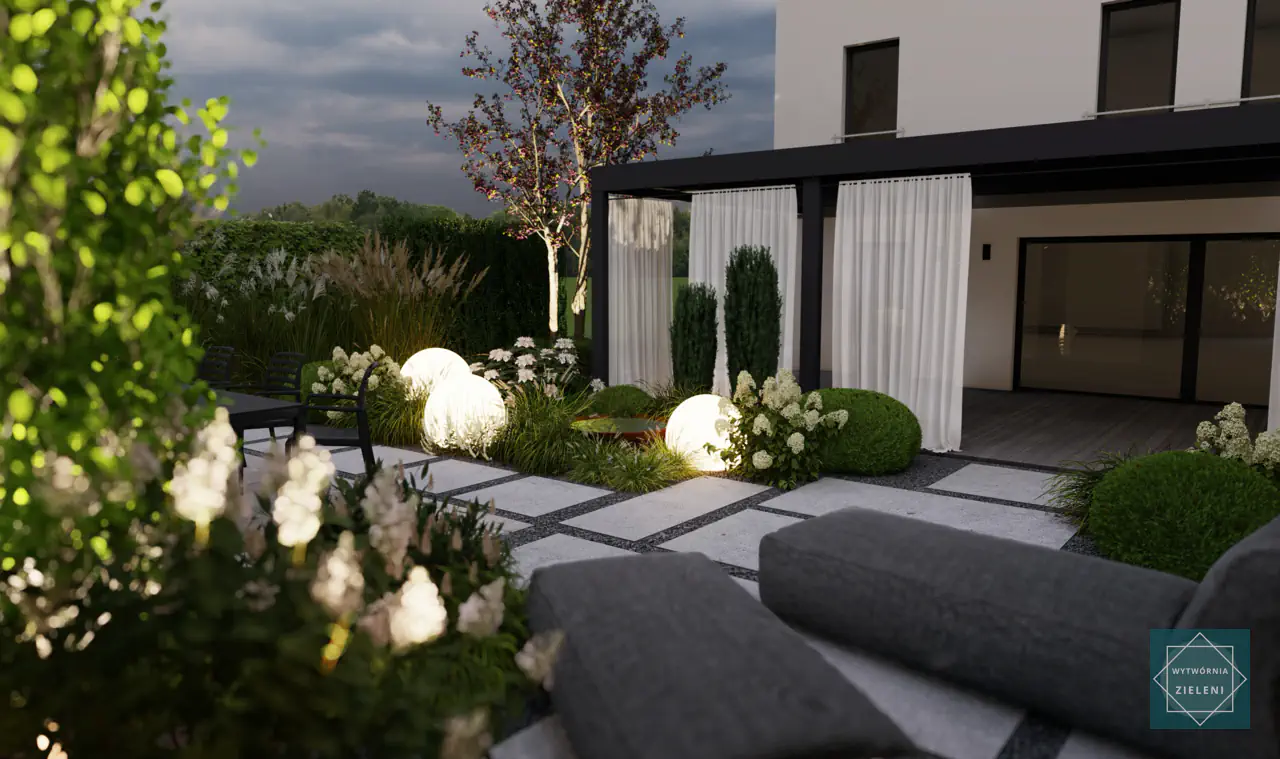
Beyond traditional dining and lounge options, specialty seating includes swings, hammocks, hanging chairs, and built-in bench seating. These pieces often serve as focal points while providing unique comfort experiences. Many incorporate weather-resistant hardware and quick-drying materials to ensure durability and comfort in various weather conditions.
Storage and organizational furniture
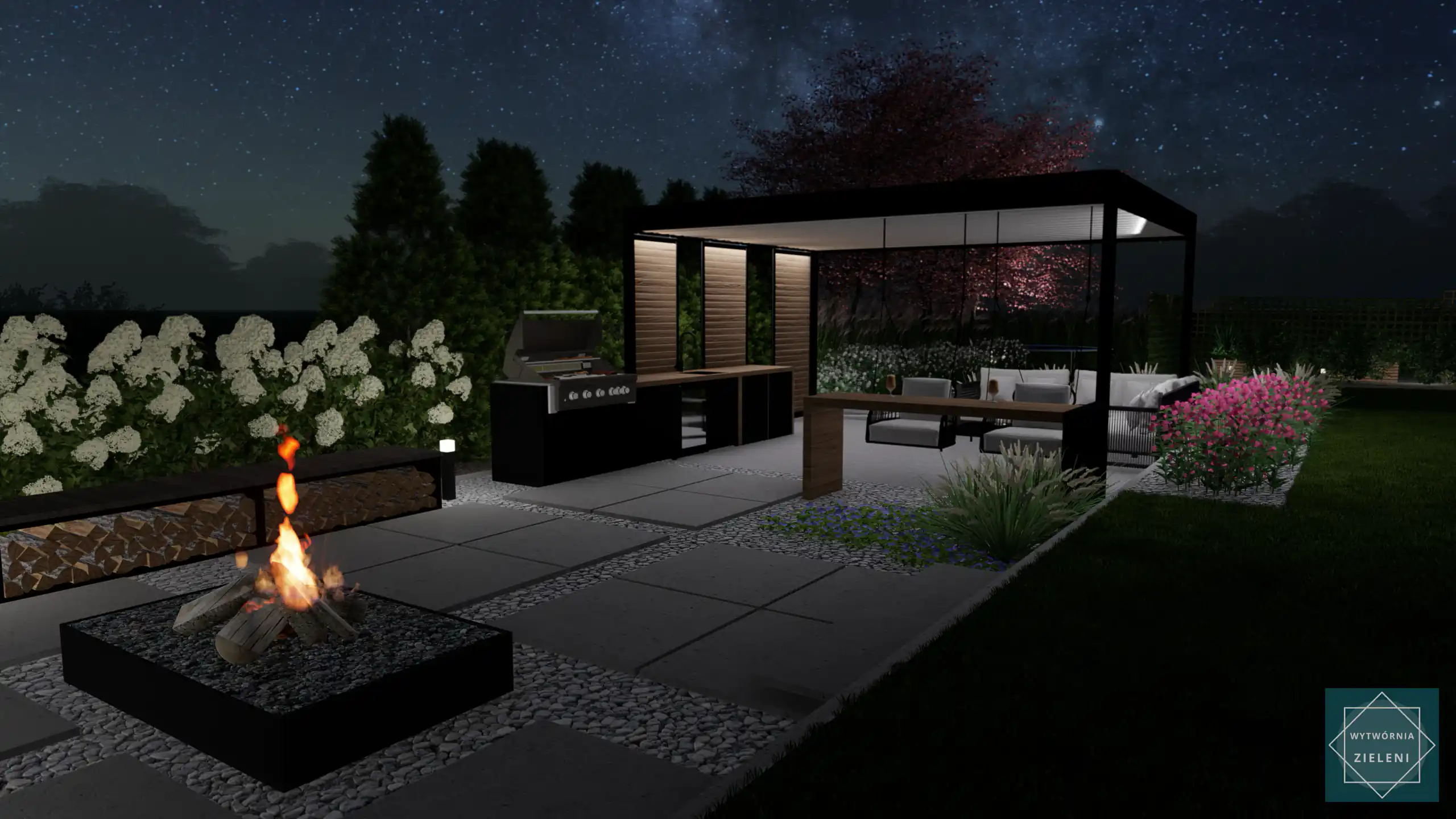
Outdoor storage furniture combines functionality with style, offering solutions for cushions, garden tools, toys, and outdoor accessories. Storage benches double as seating while hiding clutter, while dedicated storage boxes and cabinets keep outdoor spaces organized. Weather-resistant construction ensures contents remain dry and protected year-round.
Shade and shelter structures
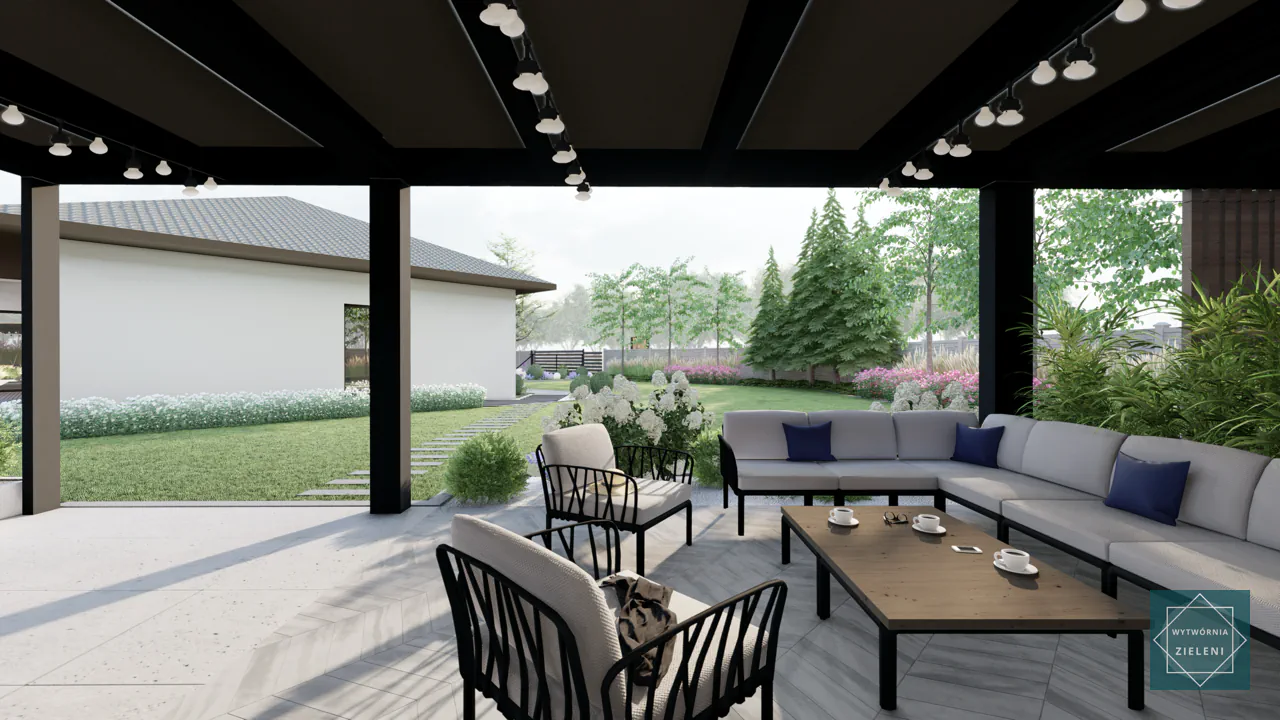
Umbrellas, pergolas, gazebos, and shade sails provide essential protection from sun and light rain while defining outdoor spaces. These structures often integrate with existing outdoor garden furniture arrangements, creating comfortable microclimates for extended outdoor enjoyment. Modern pergola designs include adjustable canopies and retractable systems for ultimate flexibility, while wooden pergola options offer natural warmth and traditional appeal.
Accent and decorative pieces
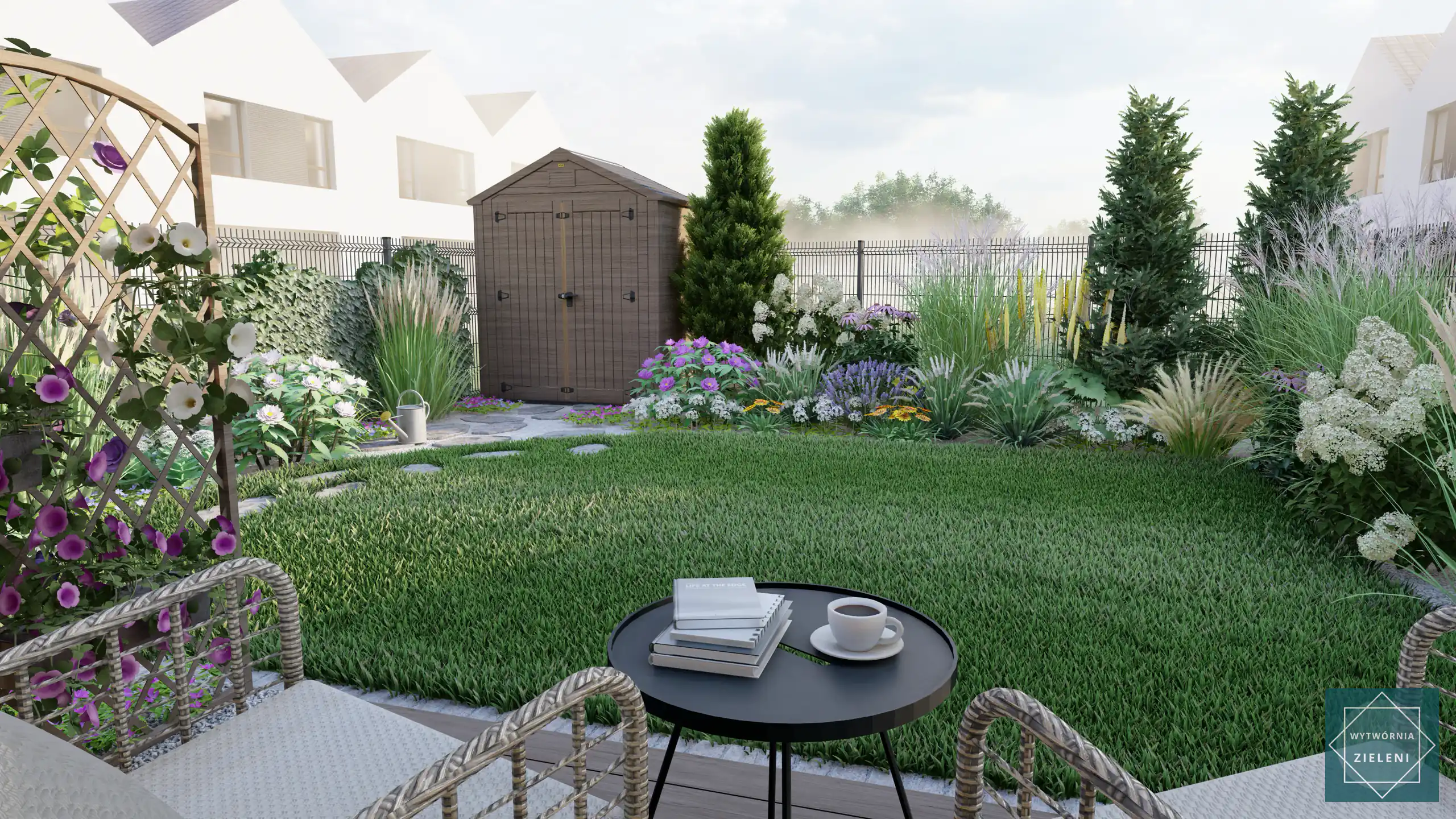
Side tables, plant stands, outdoor bars, and decorative elements complete outdoor furniture arrangements. These smaller pieces provide surfaces for drinks, books, and decorative objects while contributing to the overall design aesthetic. Integrating proper outdoor lighting planning with accent furniture creates cohesive evening ambiance. Weather-resistant finishes and materials ensure these accent pieces maintain their appearance throughout multiple seasons.
Materials and construction considerations

Natural wood options
Teak remains the premium choice for outdoor garden furniture due to its natural oils that resist moisture, insects, and weathering. Other hardwoods like eucalyptus and acacia offer similar benefits at lower price points but may require more maintenance. Proper care extends wood furniture life significantly, with annual cleaning and periodic oiling maintaining appearance and durability.
Metal framework advantages
Aluminum provides lightweight strength with excellent corrosion resistance, making it ideal for frequently moved pieces. Steel offers superior strength for stationary installations but requires powder coating or other protective finishes. Wrought iron delivers classic aesthetics with substantial weight that resists wind displacement but needs regular maintenance to prevent rust.
Synthetic material benefits
High-quality synthetic rattan and resin wicker provide the appearance of natural materials with superior weather resistance and lower maintenance requirements. These materials resist fading, cracking, and moisture damage while maintaining flexibility and comfort. Modern manufacturing techniques create increasingly realistic textures and colors that complement various design styles.
Fabric and cushion technologies
Outdoor fabrics now feature advanced treatments for UV resistance, water repellency, and stain resistance. Solution-dyed acrylic fabrics maintain color vibrancy for years, while quick-dry foam cores prevent moisture retention and mold growth. Removable covers simplify cleaning and seasonal storage, extending the life of outdoor garden furniture cushions.
Design principles for outdoor spaces
Scale and proportion
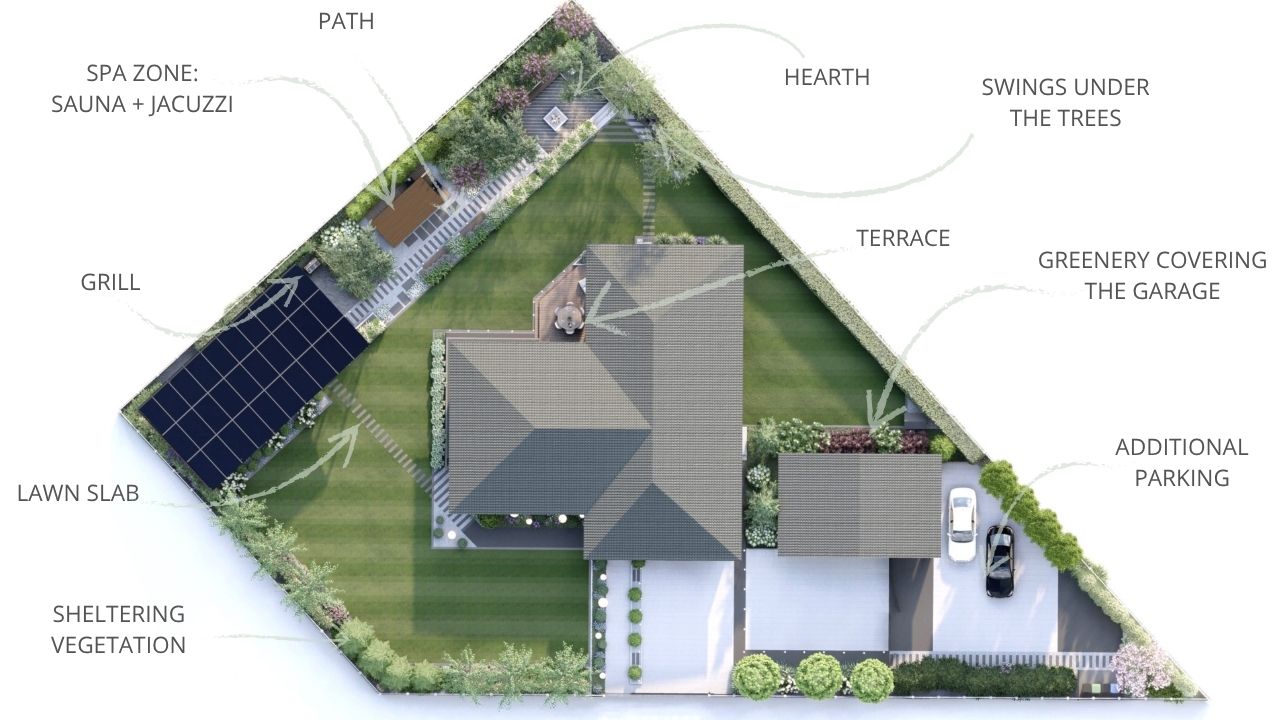
Proper scaling ensures outdoor garden furniture fits comfortably within available space while allowing adequate circulation. Oversized pieces can overwhelm small patios, while undersized furniture may appear lost in large gardens. Understanding garden design principles helps in measuring spaces carefully and allowing at least 3-4 feet (0.9-1.2 meters) of clearance around major furniture pieces for comfortable movement.
Style consistency and mixing
While matching sets create cohesive looks, mixing complementary styles can add visual interest and personality. Maintain consistency through color palettes, material choices, or design themes rather than identical pieces. Pairing contemporary furniture with modern garden plants creates sophisticated outdoor environments. Transitional styles often work well in outdoor settings, bridging formal and casual elements to create inviting, versatile spaces.
Functional zone creation
Effective outdoor furniture arrangements create distinct functional garden zones for dining, lounging, cooking, and entertaining. Define these areas through furniture placement, lighting, and decorative elements rather than physical barriers. This approach maintains the open feeling that makes outdoor spaces appealing while providing purposeful functionality for different activities like entertainment spaces and outdoor grilling areas.
Climate and weather considerations
Regional climate significantly impacts furniture material choices and arrangement strategies. Areas with intense sun exposure benefit from fade-resistant materials and integrated shade solutions. Wet climates require superior drainage and quick-drying capabilities, while windy locations need heavier pieces or secure anchoring systems.
Maintenance and care strategies

Seasonal maintenance schedules
Establish regular maintenance routines that align with seasonal changes. Spring preparation includes deep cleaning, inspection for damage, and protective treatment application. Summer maintenance focuses on regular cleaning and cushion care. Fall preparation involves thorough cleaning before storage and protective covering application.
Cleaning techniques by material
Different materials require specific cleaning approaches for optimal results. Natural wood benefits from gentle soap solutions and periodic oil treatments. Metal pieces respond well to mild detergents and immediate drying to prevent water spots. Synthetic materials typically require only soap and water but benefit from UV protectant applications.
Storage solutions and protection
Proper storage and protection significantly extend outdoor garden furniture life. Waterproof covers designed for specific pieces provide superior protection compared to generic options. Indoor storage offers maximum protection but isn't always practical. Well-ventilated outdoor storage with proper elevation prevents moisture damage and extends furniture life.
Transform your outdoor space with professional expertise
Creating the perfect outdoor living environment requires thoughtful planning that balances functionality, style, and maintenance requirements. Professional landscape design ensures optimal furniture placement, material selection, and integration with existing garden features. Use our garden cost calculator to estimate your project budget and explore garden design examples for inspiration. Expert guidance helps avoid costly mistakes while maximizing your investment in quality outdoor garden furniture.

Ready to design your ideal outdoor space? Schedule a professional garden design consultation and discover how proper planning transforms ordinary gardens into extraordinary outdoor living experiences. Our professional garden design services combine expertise with creativity to deliver outstanding results.

Frequently asked questions
What types of outdoor garden furniture are most durable?
The most durable outdoor garden furniture options include teak wood, aluminum, and high-quality synthetic rattan. Teak offers natural weather resistance, while aluminum provides lightweight durability. For cushioned pieces, look for fade-resistant, water-repellent fabrics that maintain their appearance season after season.
How do I choose the right outdoor garden furniture set for my space?
Consider your available space, intended use, and style preferences. Measure your patio or deck area first, leaving room for comfortable movement. For small spaces, opt for compact or foldable sets. For larger areas, modular outdoor garden furniture allows flexibility in arrangement and entertaining capacity.
What's the best way to protect outdoor garden furniture during winter?
Use weatherproof covers specifically designed for each piece, or store furniture in a shed or garage if possible. For pieces that remain outside, ensure proper drainage and ventilation around covers. Clean furniture thoroughly before covering to prevent mold and mildew growth during storage months.
How often should I clean and maintain my outdoor garden furniture?
Clean outdoor garden furniture monthly during active seasons with mild soap and water. Deep clean quarterly, including cushion washing or replacement. Apply protective treatments like teak oil or metal sealants annually. Regular maintenance extends furniture life significantly and maintains appearance.
Can I mix different styles of outdoor garden furniture?
Yes, mixing styles can create an eclectic, personalized look. Maintain cohesion through consistent colors, materials, or design elements. For example, combine modern metal chairs with a rustic wooden table, united by similar cushion colors or architectural lines that complement your overall garden design.
What size outdoor dining set do I need for entertaining?
For regular family dining, a 4-6 person set works well. For frequent entertaining, consider 8-10 person capacity or modular pieces that expand. Round tables (4-6 feet diameter) suit smaller groups, while rectangular tables (6-8 feet long) accommodate larger gatherings and fit well in most garden layouts.
How do I secure outdoor garden furniture against wind and theft?
Use furniture anchors, weights, or tie-downs for wind protection. For theft prevention, consider lockable storage, security chains, or furniture that's difficult to move. Some homeowners use decorative planters as natural weight anchors, combining security with aesthetic appeal in their garden design.
What's the difference between teak and aluminum outdoor garden furniture?
Teak offers natural beauty, warmth, and incredible durability but requires regular maintenance and higher initial investment. Aluminum provides lightweight strength, rust resistance, and low maintenance but may lack the classic appeal of natural wood. Both materials excel in different garden design contexts and personal preferences.
How do I arrange outdoor garden furniture for optimal use?
Create conversation zones with seating facing each other, ensure clear traffic paths, and position furniture to take advantage of views and shade. Leave 3-4 feet between pieces for comfortable movement. Consider wind patterns, sun exposure throughout the day, and proximity to your home for convenience.
When is the best time to buy outdoor garden furniture?
End-of-season sales (late summer/early fall) offer the best prices but limited selection. Early spring provides full selection at regular prices. For specific styles or custom pieces, order 6-8 weeks before needed. Consider off-season purchases for significant savings on quality outdoor garden furniture sets.

Wojciech Kazimierowicz – Author of the Article
Co-owner of Wytwórnia Zieleni and an expert in garden design and landscaping with over 13 years of experience. He specializes in creating modern, functional green spaces tailored to the budget and needs of homeowners.

Find Out How Much Your Garden Design Will Cost!
Take a quick quiz and discover the estimated cost of a custom garden design tailored to your needs. No strings attached – it takes just 2 minutes!


Wytwórnia Zieleni | Garden Design
KRS 0001107384 NIP 6452587627 REGON 528715049 St. Strzelców Bytomskich 51/1 42-600 Tarnowskie Gory, Poland
Resources
© Wytwórnia Zieleni 2026


