Wooden Terrace Pergola: Modern Garden Design Solutions
Pergola tarasowa drewniana to naturalne zadaszenie, które tworzy funkcjonalną strefę wypoczynku i harmonijnie łączy się z zielenią ogrodu. Sprawdza się u osób, które oczekują estetycznego, budżetowego rozwiązania z możliwością dopasowania do stylu domu i tarasu.
TL;DR
- Drewniana pergola zapewnia cień i częściową ochronę przed deszczem.
- Naturalne drewno dobrze komponuje się z roślinnością i architekturą ogrodu.
- Konstrukcja może pełnić funkcję altany, zadaszenia tarasu lub podpory dla pnączy.
- Koszt pergoli drewnianej jest zwykle niższy niż modeli aluminiowych.
- Wymaga regularnej impregnacji i konserwacji dla zachowania trwałości.
Published
30 October 2026
Share this article


 Copied
TOC
- Wooden Terrace Pergola: Modern Garden Design Solutions
- Wooden pergola - why choose it?
- Wooden pergola as garden architecture element
- How to use wooden pergolas in your garden
- Wooden pergola color schemes – matching your garden and home
- Wooden pergola installation – simple and convenient
- Lattices, pergolas and fences – perfect combination
- Disadvantages of wooden pergolas – what to know
- Transform your outdoor space with perfect pergola design
- Frequently asked questions
- What is the best wood type for outdoor pergolas?
- How much does a wooden pergola cost to install?
- Do wooden pergolas require building permits?
- How often should wooden pergolas be maintained?
- What climbing plants work best with wooden pergolas?
- Can wooden pergolas withstand strong winds?
- What's the difference between pergolas and gazebos?
- How long do wooden pergolas last?
- Can I install a wooden pergola myself?
- What size pergola do I need for my space?
Wooden Terrace Pergola: Modern Garden Design Solutions
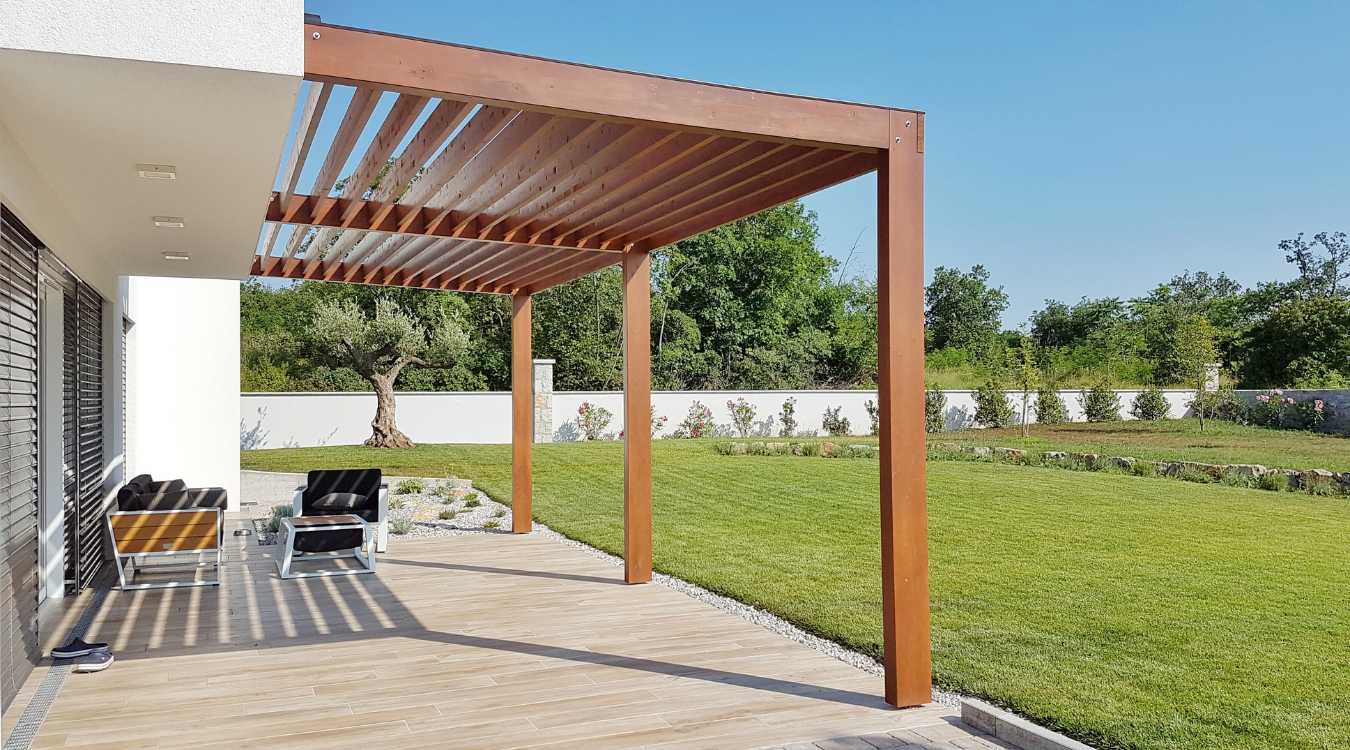
A terrace pergola is a practical and aesthetic solution that creates a comfortable space in your garden. This wooden structure adds elegance and harmoniously complements the greenery around it.
- Protection and comfort – provides shade, shelter from rain, and a cozy atmosphere.
- Durability and aesthetics – made from solid wood, fits both modern and classic arrangements.
- Functionality – can serve as roofing over a terrace or as a garden pavilion.
- Natural material – wooden construction adds elegance and harmoniously blends with garden greenery.
Wooden pergola - why choose it?
Wooden garden pergolas are not only functional but also decorative. Their natural aesthetics make enhancing your garden space simple, and the effect is stunning. Additionally, garden pergolas introduce a unique atmosphere that's difficult to achieve with other materials. Increasingly, these solutions are used in various garden zones. Here are several key elements:
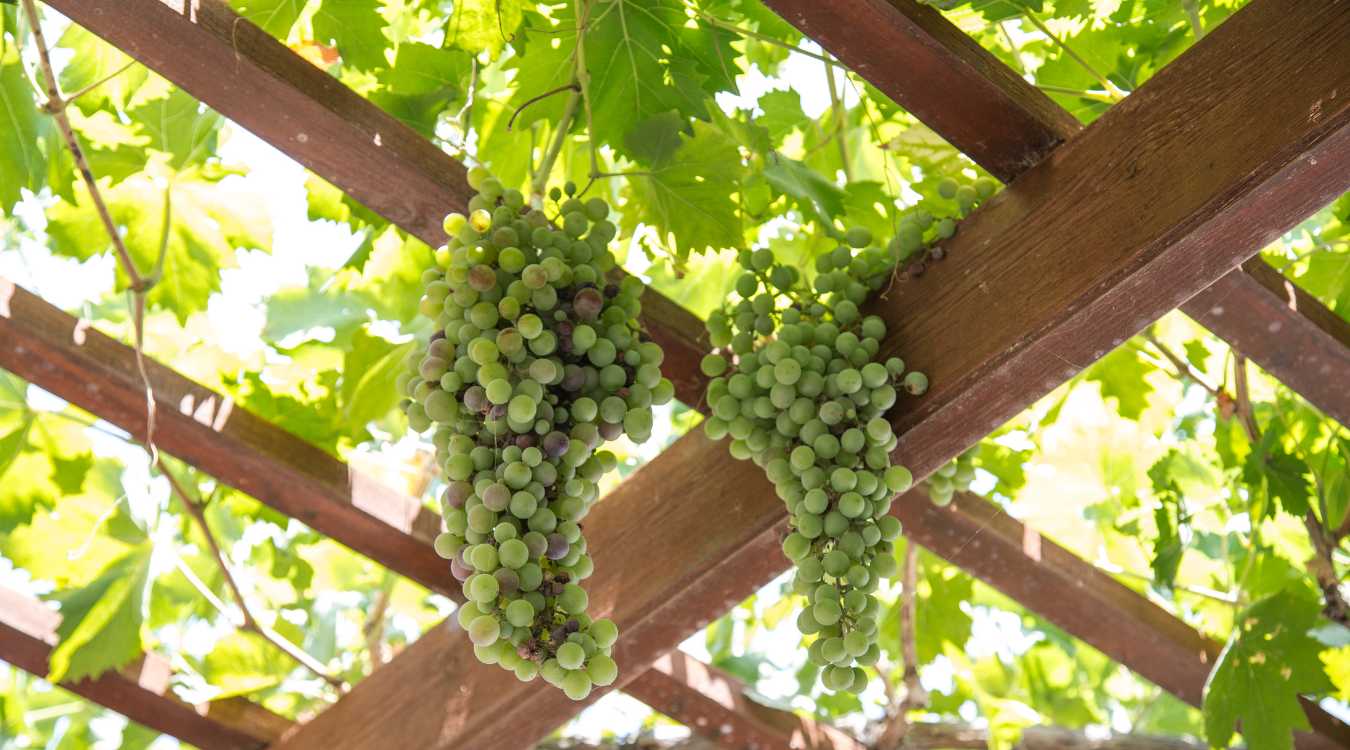
- Support for climbing plants – Works excellently as support for climbing plants and garden vines such as ivy, grapevines, or roses. Climbing plants create decorative natural shade while protecting from excessive sun exposure.
- Protection from sun and rain – Wooden pergolas can be equipped with additional roofing that protects from sun and light rain. This makes them a comfortable resting place regardless of weather conditions.
- Style adaptability – Wooden pergolas offer complete flexibility, allowing them to match your garden's style. Whether you prefer rustic, classic, or modern ambiance, a pergola will be an excellent choice.
- Budget-friendly solution – Wooden pergolas are an economical alternative to structures made from other materials like aluminum or steel. They combine durability, functionality, and aesthetics at lower installation costs. Such solutions can be several times cheaper than aluminum pergolas.
When providing garden design services, we often include various decorative elements and structures like wooden pergolas in our arrangements – they are an interesting and stylish garden enhancement.
Wooden pergola as garden architecture element
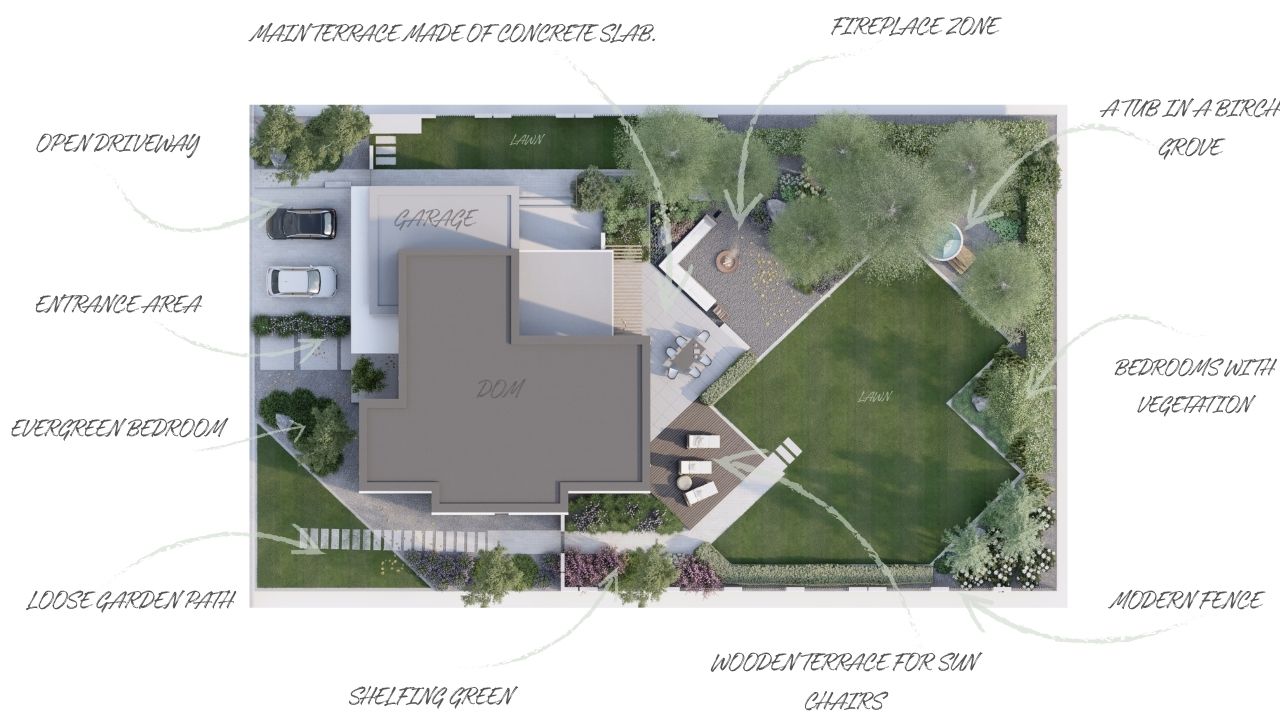
Wooden pergolas constitute a key element of garden architecture, combining functionality and aesthetics. Thanks to them, you can easily arrange garden space, creating a unique relaxation corner. For inspiration and professional guidance, explore our landscape design examples showcasing various pergola implementations.
- Modular wooden pergola - multiple sizes available
- Custom wooden pergola, many options available
- Custom pergolas - Modern design options
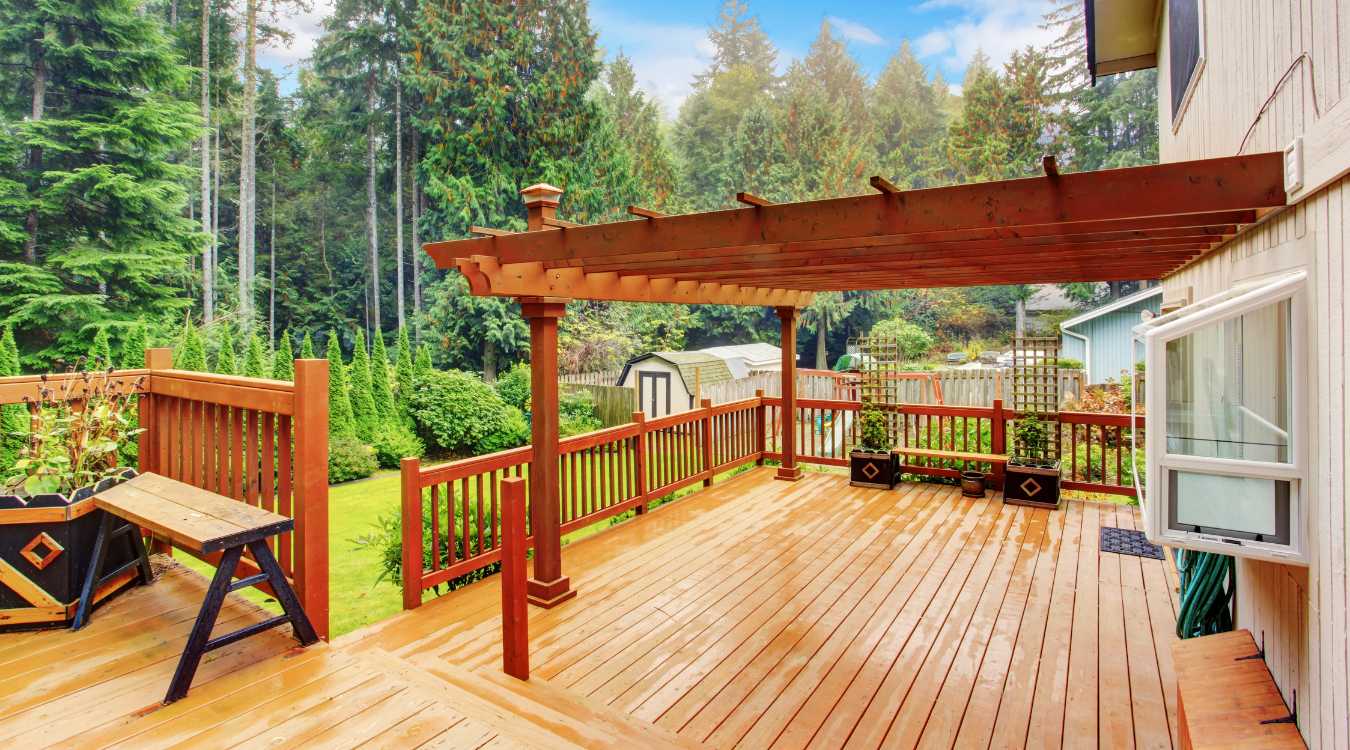
Garden lattices and pergolas serve both decorative and practical functions, providing ideal support for climbers. They work wonderfully with fencing, creating a cohesive space arrangement.
How to use wooden pergolas in your garden
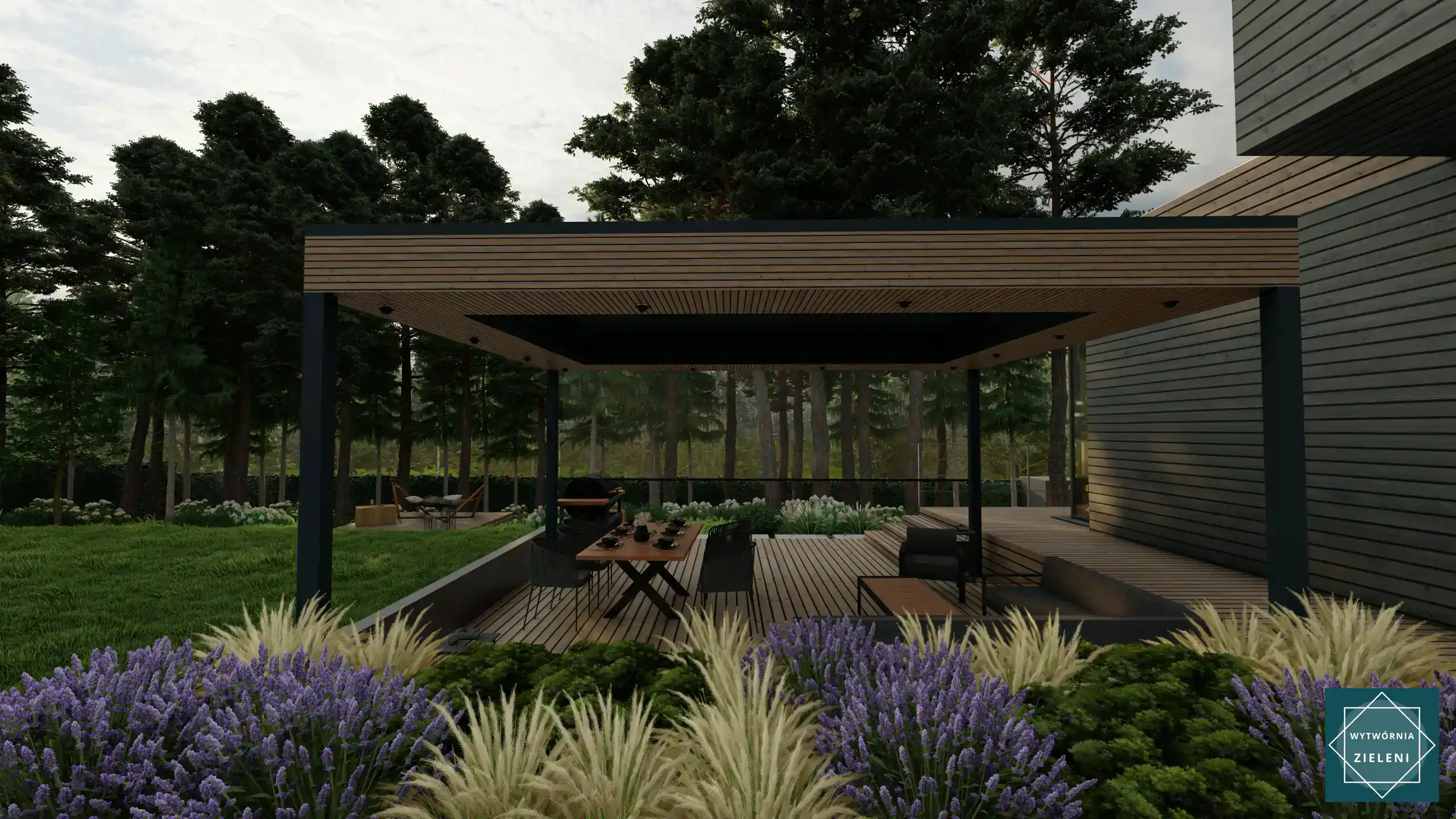
- Modern terrace pergola: Provides an excellent resting place in a modern garden design. The combination of wood with vegetation creates a unique atmosphere.
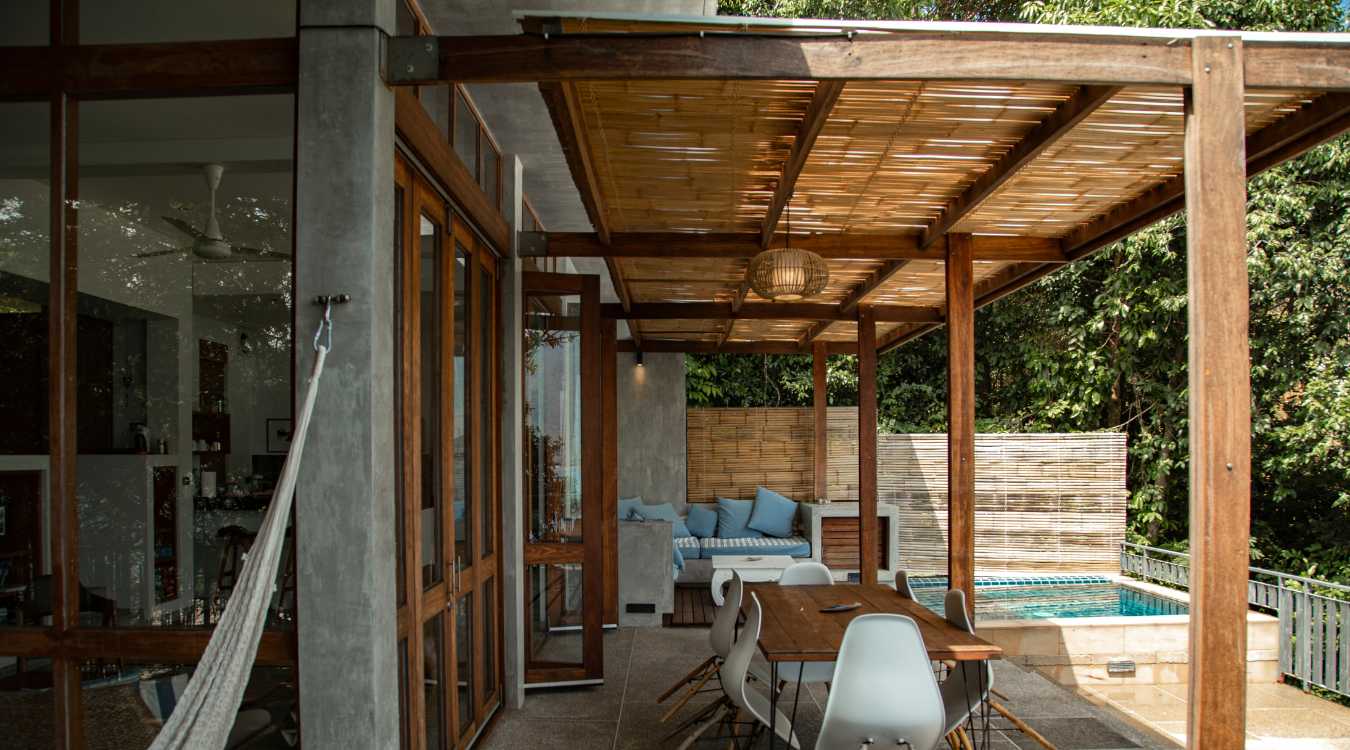
- Garden pergola as pavilion: Ideal as a cozy place for family meals or gatherings with friends in dedicated outdoor dining areas.
- Covered pergola: Adding roofing makes the structure even more functional and protects from sun.
Wooden pergola color schemes – matching your garden and home
Wooden pergolas can be painted in any color from the RAL palette, using high-quality Tikkurila Pinja Pro paints. This allows the pergola to be perfectly matched to your garden style, terrace, and other garden architecture elements. Choosing the right shade creates a cohesive and aesthetic outdoor space element, while Tikkurila paints additionally protect wood from weather conditions and extend the structure's durability.
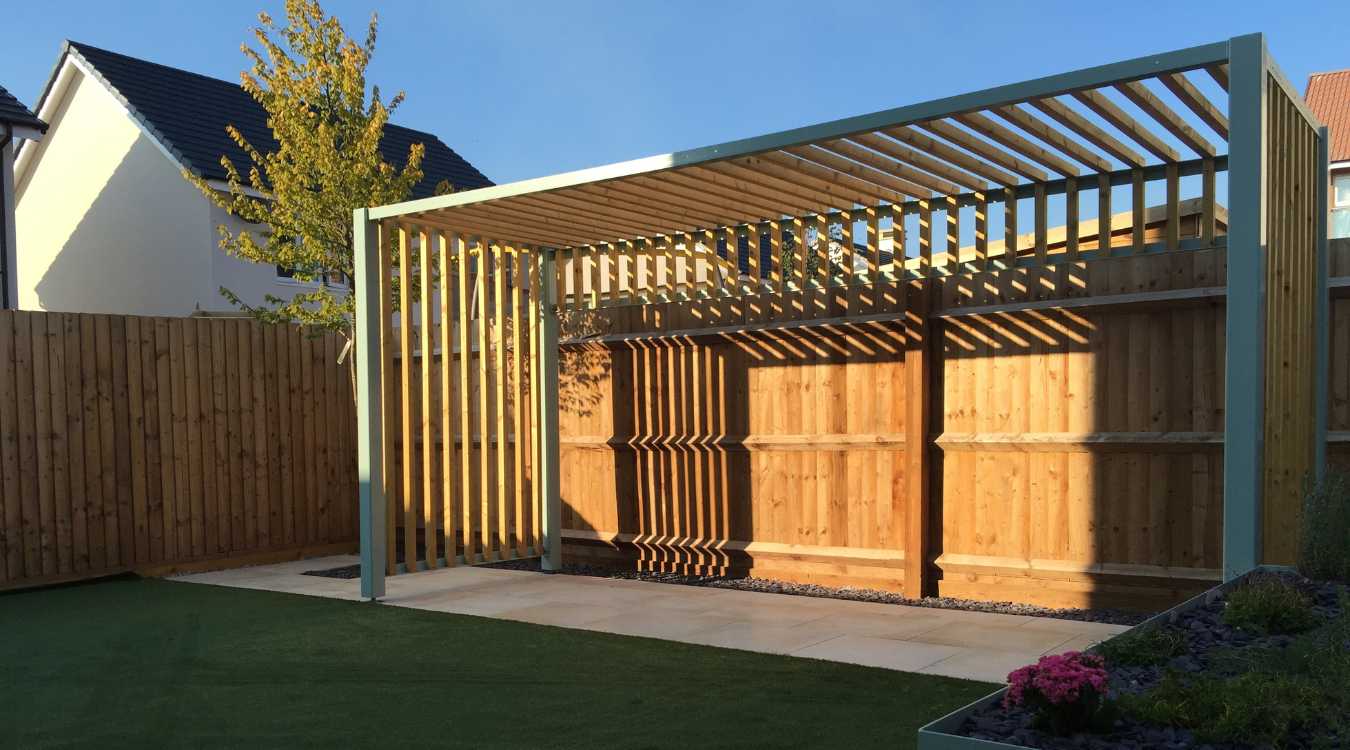
Popular shades such as RAL 1015, RAL 7016, or RAL 3011 emphasize both classic and modern pergola character, offering wide arrangement possibilities. To calculate material costs for your pergola project, use our garden cost calculator for accurate estimates.
Wooden pergola installation – simple and convenient
Wooden pergolas are available in DIY installation variants, making their setup quick and convenient. This allows you to easily create your own relaxation zone on the terrace or in the garden.

Lattices, pergolas and fences – perfect combination
At Wytwórnia Zieleni, we often introduce elements such as garden lattices, wooden fences, and pergolas, which allows for arranging interesting outdoor space. Such combinations will diversify your garden, and the pergola will become its central point. For comprehensive planning guidance, explore our backyard design guide to create cohesive outdoor living spaces.
Disadvantages of wooden pergolas – what to know
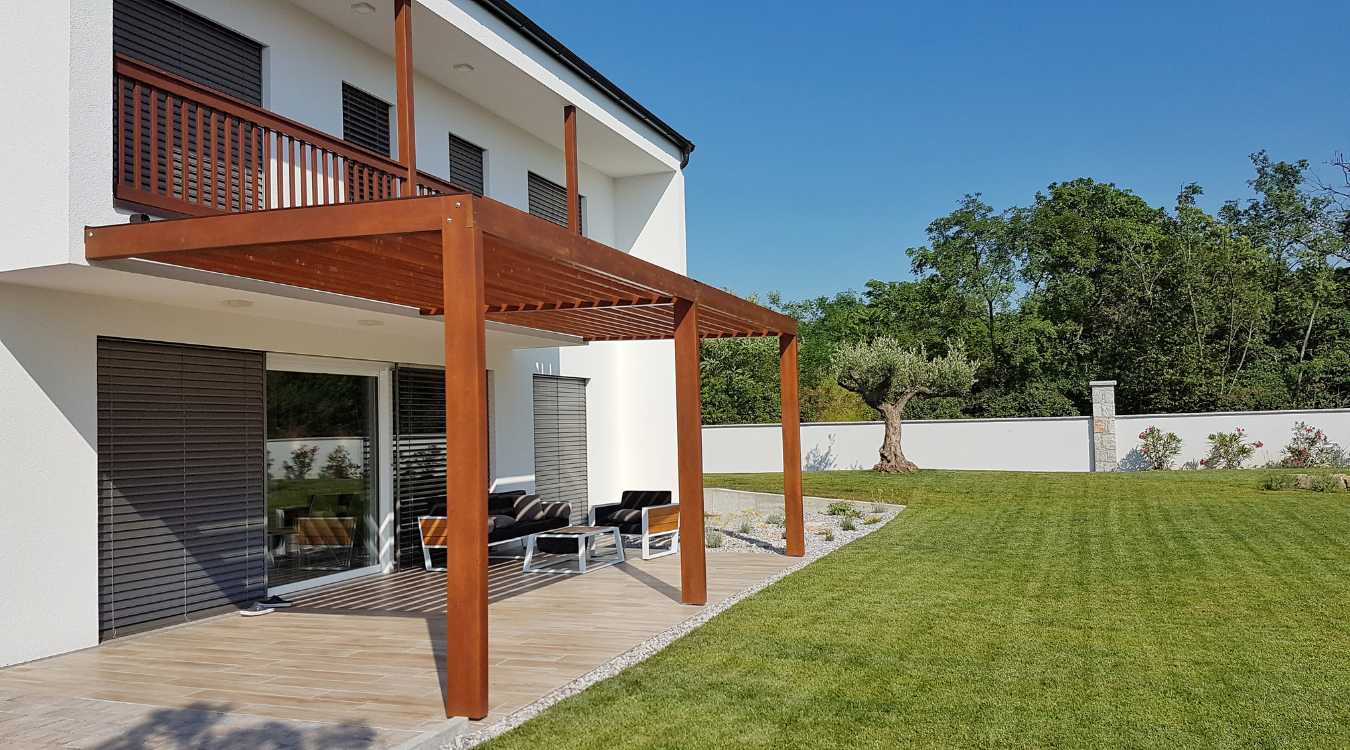
Although wooden pergolas are aesthetic and natural, they also have certain disadvantages worth considering before purchase:
- Regular maintenance required – Wood is exposed to weather conditions such as rain, sun, and moisture. To maintain pergola durability and appearance, impregnation and painting every few years (or more frequently in extreme cases) is necessary. Learn more about proper care in our garden building materials guide.
- Susceptibility to pests and fungi – Wood, if not properly protected, can become a target for insects, mold, or fungi. This requires using appropriate protective preparations.
- Lower resistance to mechanical damage – Compared to aluminum or steel pergolas, wood is more susceptible to scratches and damage.
- Shorter lifespan than metal pergolas – Despite proper care, wooden pergola may wear over time, which shortens its lifespan compared to modern aluminum solutions.
Being aware of these aspects, you can properly care for your pergola to enjoy its charm for many years.
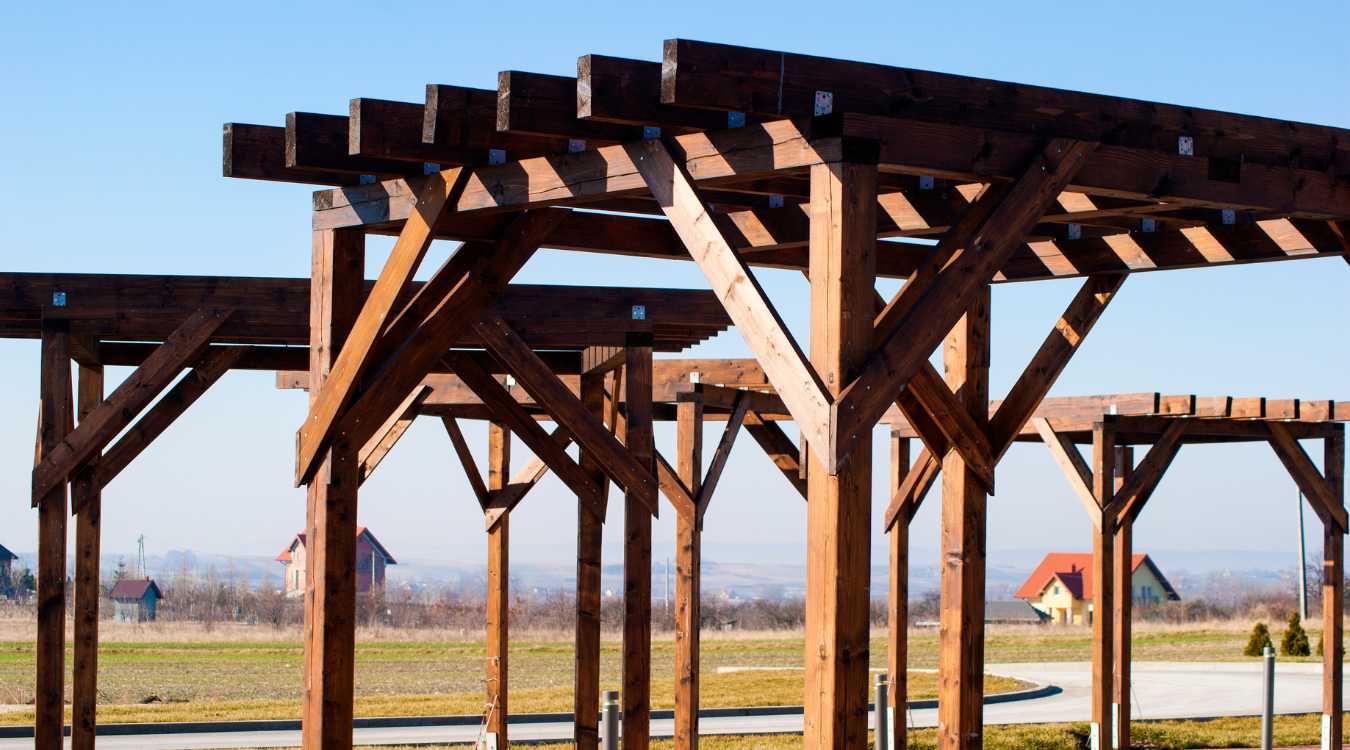
Transform your outdoor space with perfect pergola design
Ready to create your dream garden? Modern wooden pergolas offer the perfect blend of natural beauty, functional shade, and architectural interest for any outdoor space. Whether you're looking to enhance your patio dining area, create a cozy reading nook, or support climbing plants, a well-designed pergola brings lasting value to your home.

Start planning your professional garden design consultation and discover how expert planning can bring your landscaping vision to life.

Summary – why choose a wooden pergola
Modern wooden pergola with slatted design providing dappled shade over contemporary outdoor seating area enhanced with strategic lighting
- Decorative and natural appearance – Creates beautiful focal point in any garden setting
- Ideal support for climbing plants – Perfect framework for roses, vines, and other climbers
- Protection from sun and light rain – Provides comfortable outdoor shelter year-round
- Style adaptability – Matches any garden design from rustic to contemporary
- Easy installation and durable construction – DIY-friendly with lasting structural integrity
For evening ambiance, consider incorporating outdoor lighting to maximize your pergola's usability throughout the day.
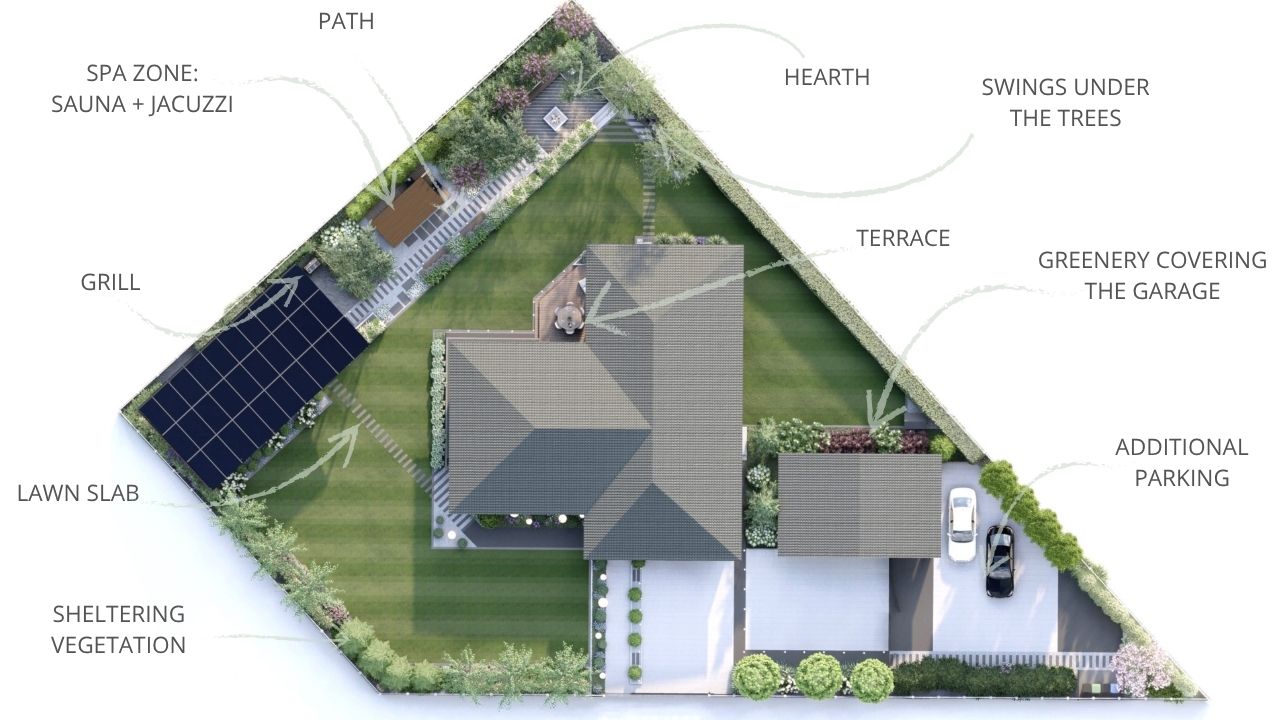
Thanks to a wooden garden pergola, your terrace or garden will become a unique place that will serve for years. Want to design a functional and modern garden? Contact our landscape architecture firm – we'll create a space tailored to your needs!
Frequently asked questions
What is the best wood type for outdoor pergolas?
Cedar and pressure-treated pine are the most popular choices for wooden pergolas. Cedar naturally resists decay and insects, while pressure-treated pine offers excellent durability at a lower cost. Both options require regular maintenance to preserve their appearance and extend lifespan.
How much does a wooden pergola cost to install?
Wooden pergola costs vary significantly based on size, wood type, and installation complexity. DIY kits range from $1,200-$4,000, while custom installations can cost $3,000-$8,000 or more (10-26 feet / 3-8 meters). Use our pergola cost calculator to estimate your project expenses. Factors affecting price include foundation requirements, roofing additions, and local labor costs.
Do wooden pergolas require building permits?
Permit requirements vary by location and pergola size. Freestanding structures under 200 square feet (18.5 square meters) typically don't require permits, but attached pergolas often do. Always check with your local building department before installation to avoid compliance issues. For detailed project planning assistance, review our garden project planning guide.
How often should wooden pergolas be maintained?
Wooden pergolas require annual inspection and maintenance every 2-3 years. This includes cleaning, checking for damage, and applying protective stain or sealant. In harsh climates, more frequent maintenance may be necessary to prevent weathering and extend the structure's lifespan.
What climbing plants work best with wooden pergolas?
Excellent climbing plants for pergolas include wisteria, climbing roses, grape vines, clematis, and jasmine. Choose plants based on your climate zone and desired coverage. Fast-growing options like Virginia creeper provide quick coverage, while flowering vines like roses add seasonal color and fragrance.
Can wooden pergolas withstand strong winds?
Properly installed wooden pergolas can handle moderate wind loads when built with appropriate post anchoring and structural bracing. Wind resistance depends on design, materials, and installation quality. For structural guidance and professional installation, consult our technical garden planning experts for areas with frequent high winds.
What's the difference between pergolas and gazebos?
Pergolas feature open sides and partial roof coverage with slatted beams, while gazebos have enclosed sides and complete roof protection. Pergolas provide filtered light and air circulation, making them ideal for outdoor dining spaces and plant support. Both structures can be enhanced with proper garden lighting planning to extend usability into evening hours.
How long do wooden pergolas last?
Well-maintained wooden pergolas typically last 15-25 years, depending on wood type, climate, and maintenance frequency. Cedar pergolas often outlast pine structures due to natural weather resistance. Regular maintenance significantly extends lifespan compared to neglected structures.
Can I install a wooden pergola myself?
Many wooden pergola kits are designed for DIY installation with basic tools and construction skills. However, complex designs, attached structures, or installations requiring concrete footings may benefit from professional installation. Consider your skill level and local building codes before deciding. For comprehensive garden design ideas and installation tips, explore our detailed guides.
What size pergola do I need for my space?
Pergola size depends on intended use and available space. For dining areas, allow 3-4 feet (1-1.2 meters) clearance around furniture. Standard sizes range from 8x8 feet (2.4x2.4 meters) for intimate spaces to 12x16 feet (3.6x4.9 meters) for larger outdoor entertainment areas. Calculate ground coverage needs with our mulch calculator when planning surrounding landscaping.

Wojciech Kazimierowicz – Author of the Article
Co-owner of Wytwórnia Zieleni and an expert in garden design and landscaping with over 13 years of experience. He specializes in creating modern, functional green spaces tailored to the budget and needs of homeowners.

Find Out How Much Your Garden Design Will Cost!
Take a quick quiz and discover the estimated cost of a custom garden design tailored to your needs. No strings attached – it takes just 2 minutes!


Wytwórnia Zieleni | Garden Design
KRS 0001107384 NIP 6452587627 REGON 528715049 St. Strzelców Bytomskich 51/1 42-600 Tarnowskie Gory, Poland
Resources
© Wytwórnia Zieleni 2026


