How to Plan Fence Line Landscaping for Privacy and Beauty
Rośliny przy płocie planuje się od funkcji i warunków miejsca, a dopiero potem dobiera gatunki i układ piętrowy, żeby rabata była spójna, łatwa w utrzymaniu i dawała prywatność. Najlepiej sprawdzają się kompozycje warstwowe: najwyższe rośliny przy ogrodzeniu, średnie w środku i niskie z przodu.
TL;DR
- Zamiast tui: cis pospolity, świerk serbski, laurowiśnia 'Rotundifolia', grab pospolity (zamienniki o różnym tempie wzrostu i pielęgnacji)
- Szybko rosnące: wierzba purpurowa, ligustr pospolity, tuja Brabant (50–100 cm/rok)
- Zimozielone: Ilex crenata 'Convexa' (zastępca bukszpanu), cis, ostrokrzew Meservy, laurowiśnia
- Do cienia: cis pospolity, laurowiśnia 'Rotundifolia', mahonia, paprocie, hosty (bylina)
- Wąska rabata (30–60 cm): Ilex crenata, lawenda, trzcinnik 'Karl Foerster' — gatunki o wąskim pokroju
- Koszty 30 mb: grab 1 500 zł / ligustr 500 zł / tuja Brabant 2 100 zł / cis 3 000 zł / Ilex crenata 5 850 zł
Published
15 May 2026
Share this article


 Copied
TOC
- How to Plan Fence Line Landscaping for Privacy in your garden
- Why Invest in Privacy Screening Plants Along Your Fence?
- Fence Line Landscaping Design Principles
- How to Screen Your Garden from Neighbors and Passersby
- Examples of Fence Line Landscaping
- Fast Growing Privacy Plants
- What to Plant Along Your Fence?
- Fence Line Landscaping - Alternative to Arborvitae
- What to Plant Along Fence in Shade? Landscaping in Less Sunny Areas
- Climbing Plants - Creating Natural Fence Screening with Vines
- What to Plant to Limit Weeds Along Fencing?
- Summary: Which Plants to Choose for Fence Gardens and How to Plant Them?
- FAQ - What to Plant Near Fences?
- What plants to choose along fence for quick screening and greenery?
- Which plants for borders ensuring privacy?
- What to plant along fencing from neighbor's side?
- Which plants along fence from street or busy property side?
- Evergreen and year-round plants - how to choose fence shrubs?
- What are the fastest-growing conifers?
- What instead of arborvitae? Which shrubs to plant along fence?
- Which bulb plants for fencing?
- How to landscape lower fence sections?
- How to combine perennials and seasonal plants along fencing?
- Which perennial plants work best along fences?
- How to arrange plants along fencing?
How to Plan Fence Line Landscaping for Privacy in your garden
Fence line landscaping can completely transform the space around your home. Instead of looking at a boring boundary, you can enjoy beautiful privacy screening plants and functional outdoor areas. Many homeowners don't know how to utilize this section of their property effectively, often missing opportunities to create stunning modern garden ideas that enhance both privacy and curb appeal.

What you'll find in this article:
- Ideas for fence line landscaping design
- Review of the best shrubs for privacy and screening
- Tips on how fence plantings can become a natural barrier
- Inspiration to make your fence an integral garden element
- Examples of fence line landscaping arrangements
With the right design approach, your fence line will become an aesthetic and cozy part of your home landscape. For comprehensive guidance on creating beautiful outdoor spaces, consider consulting with a professional landscape architecture firm to ensure your vision comes to life. Discover the best inspiration and practical tips in our comprehensive guide.

Why Invest in Privacy Screening Plants Along Your Fence?
Carefully planned fence line landscaping can completely transform your garden's character and improve its functionality. Why should you invest in privacy screening plants along your boundary?
- Visual Appeal - Proper fence line landscaping improves your entire property's appearance and gives the space a cohesive, well-maintained character.
- Privacy Enhancement - Privacy screening plants along fences function as natural barriers, effectively separating your garden from neighbors' and passersby' view. When properly designed, these garden zones create intimate outdoor spaces perfect for relaxation.
- Noise Reduction - Dense evergreen shrubs for privacy along the fence can reduce street noise, increasing comfort for outdoor relaxation.
- Wind Protection - Wind protection plants along fencing help create a green barrier that shields garden beds and patio areas from strong winds.
- Weed Suppression - Thoughtful fence line landscaping compositions densify the space, making it harder for weeds to develop along the boundary.
- Microclimate Improvement - Border garden design positively affects microclimate—plants humidify the air, provide shade, and support biodiversity.
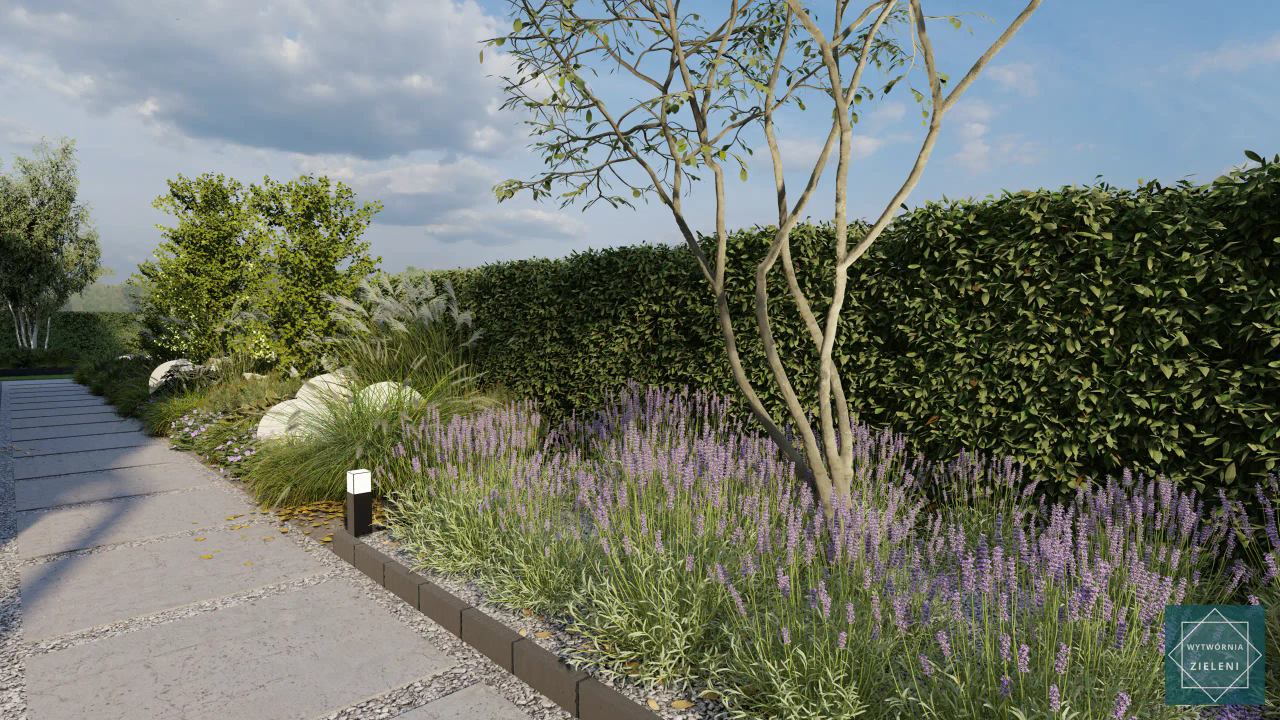
The fence line area should be landscaped deliberately—with functionality and cohesive appearance of the entire property in mind. Professional garden design services can help ensure your fence line landscaping integrates seamlessly with your overall landscape design. Proper fence line landscaping makes the entire garden cohesive, decorative, and functional.

A well-maintained garden area along the fence can completely transform your property's appearance. Through thoughtful garden design, it can serve multiple functions—becoming decoration, protection, and natural screening simultaneously. Understanding proper landscape design concepts helps ensure your fence line becomes an asset rather than an afterthought.

Fence Line Landscaping Design Principles
Fence line landscaping is more than just an aesthetic way to close off your property. Regardless of garden style, well-planned space with appropriate garden zones can become its greatest asset. Below are the main principles to follow for fence line landscaping.
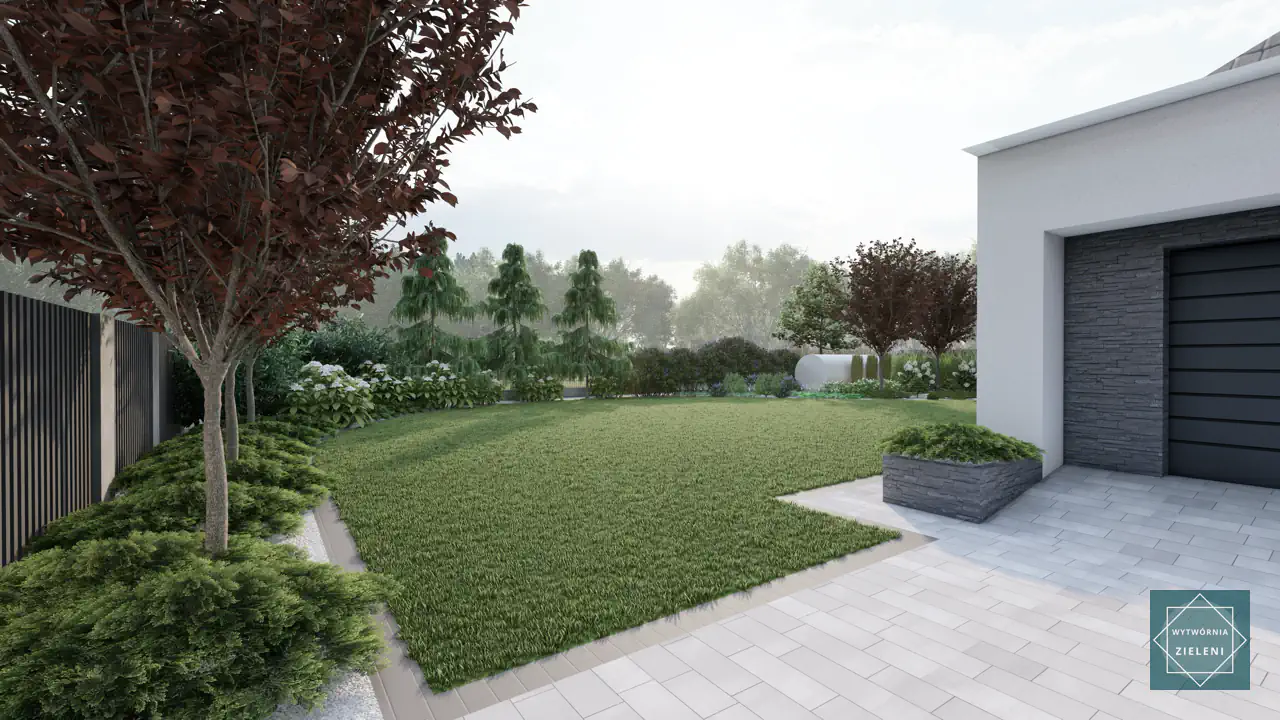
Key Principles for Fence Plantings:
Properly selected fence line landscaping creates an aesthetic screen and improves your entire property's appearance. Here are key principles to consider:
- Available Space - Determine how much space you can dedicate to fence line landscaping
- Plant Width - Choose species with appropriate width that won't overshadow other plants or encroach on pathways
- Target Plant Height - Decide whether you want to create low borders or tall privacy hedge plants
- Layered Plantings - Arranging plants from shortest in front to tallest at the fence increases composition depth
- Maintenance Requirements - Consider whether you want plants requiring pruning or slow-growing, natural forms
- Natural vs. Formal Hedge - Choose between free-flowing, wild shrubs or regularly trimmed lines
- Planting Color Scheme - Select plants in cohesive tones or contrasting combinations
- Plant Types - Decide between flowering ornamental plants, evergreens, or deciduous shrubs
- Space Function - Screening, decoration, backdrop for the rest of the garden, attracting beneficial insects, etc.
It's valuable to create at least a garden concept that helps determine the above information. This provides significant and invaluable assistance when planning your landscape. For those starting their garden journey, learning how to design garden layouts step-by-step can make the process much more manageable.
How to Screen Your Garden from Neighbors and Passersby
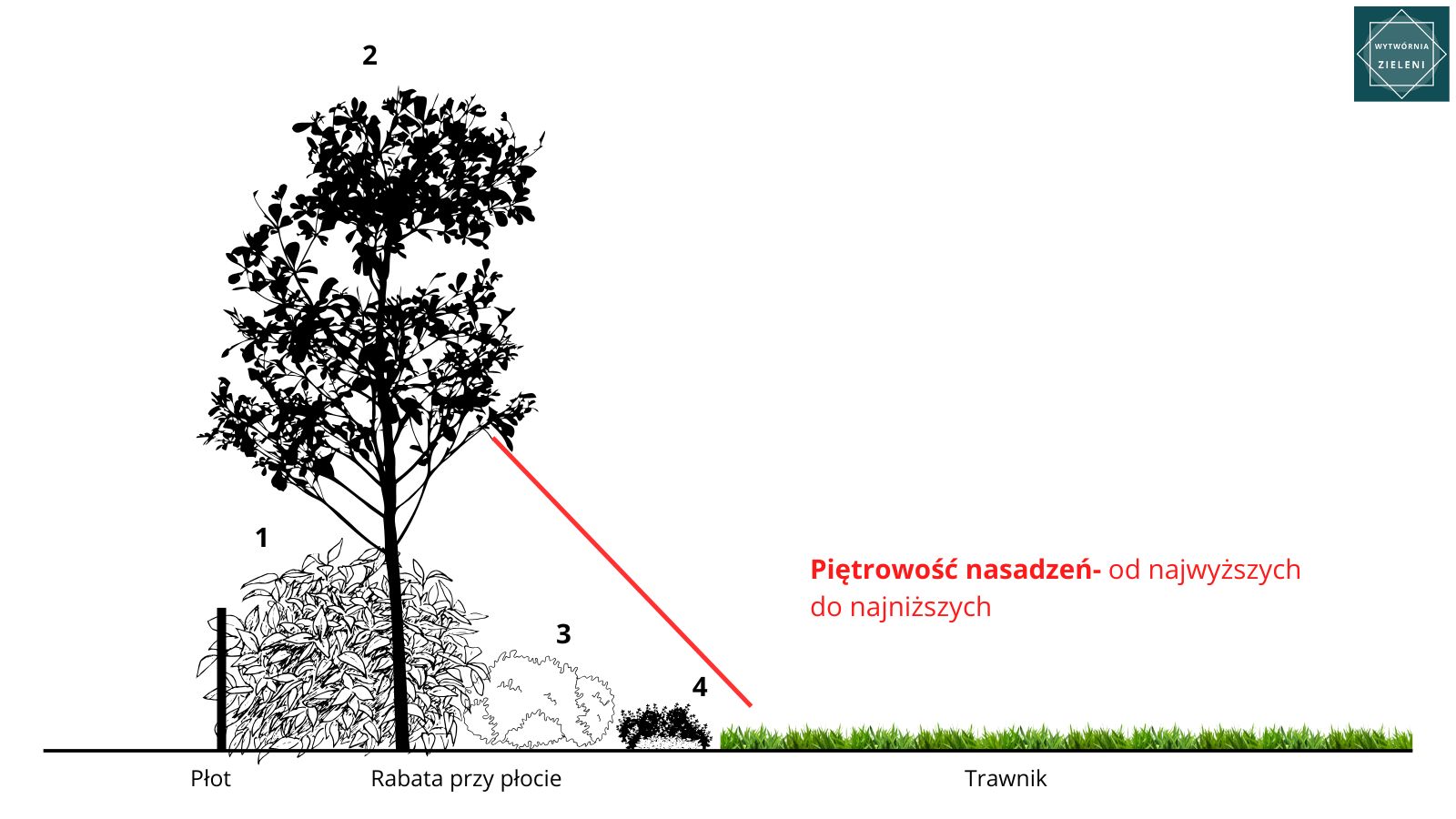
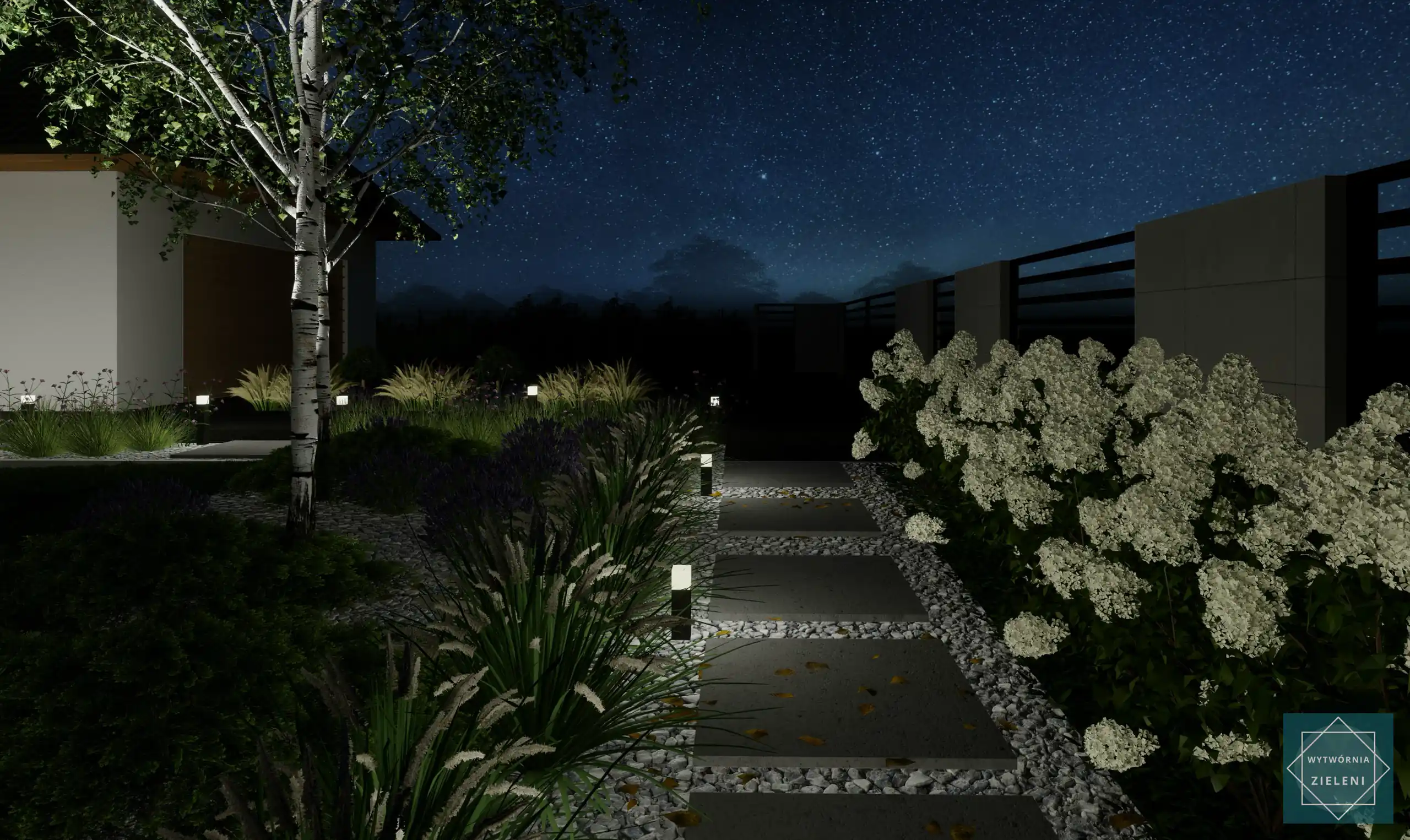
Fence line landscaping design is best accomplished following these steps:
- Plant the tallest specimens directly against the fence - these can be dense ornamental shrubs, evergreen conifers, perennial ornamental grasses, or climbing plants that effectively screen the garden from passersby' view.
- On larger properties, you can plant ornamental trees between them to create a barrier at eye level and above.
- In front, plan medium-height deciduous shrubs or larger flowering perennials that will soften the planting line and add color.
Layered planting from tallest to shortest species is an effective way to protect your property from neighbors' or passersby' view. This approach not only increases privacy but also creates an attractive, multi-dimensional garden that delights throughout the year. For inspiration on creating beautiful borders, explore various front yard landscaping ideas that can be adapted to your fence line.
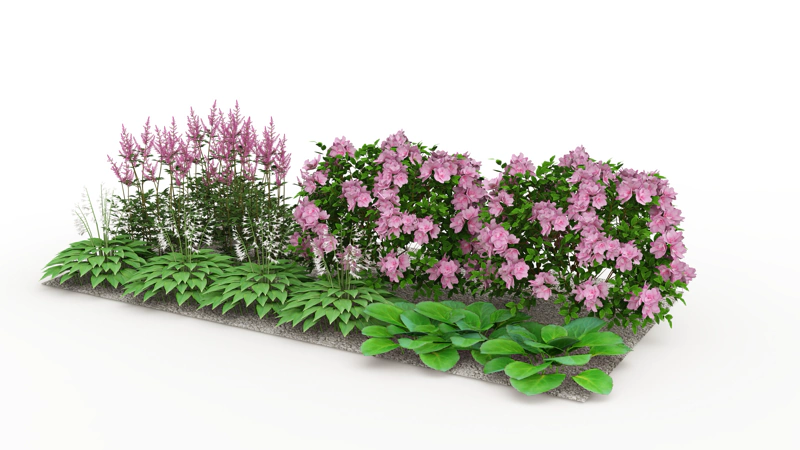
Examples of Fence Line Landscaping
If you want to effectively screen yourself from neighbors' view and curious passersby' glances, properly planned fence line landscaping can become a green, aesthetic barrier. Well-selected layered compositions not only ensure privacy but also beautify the entire property.
Very Narrow Border Along Fence
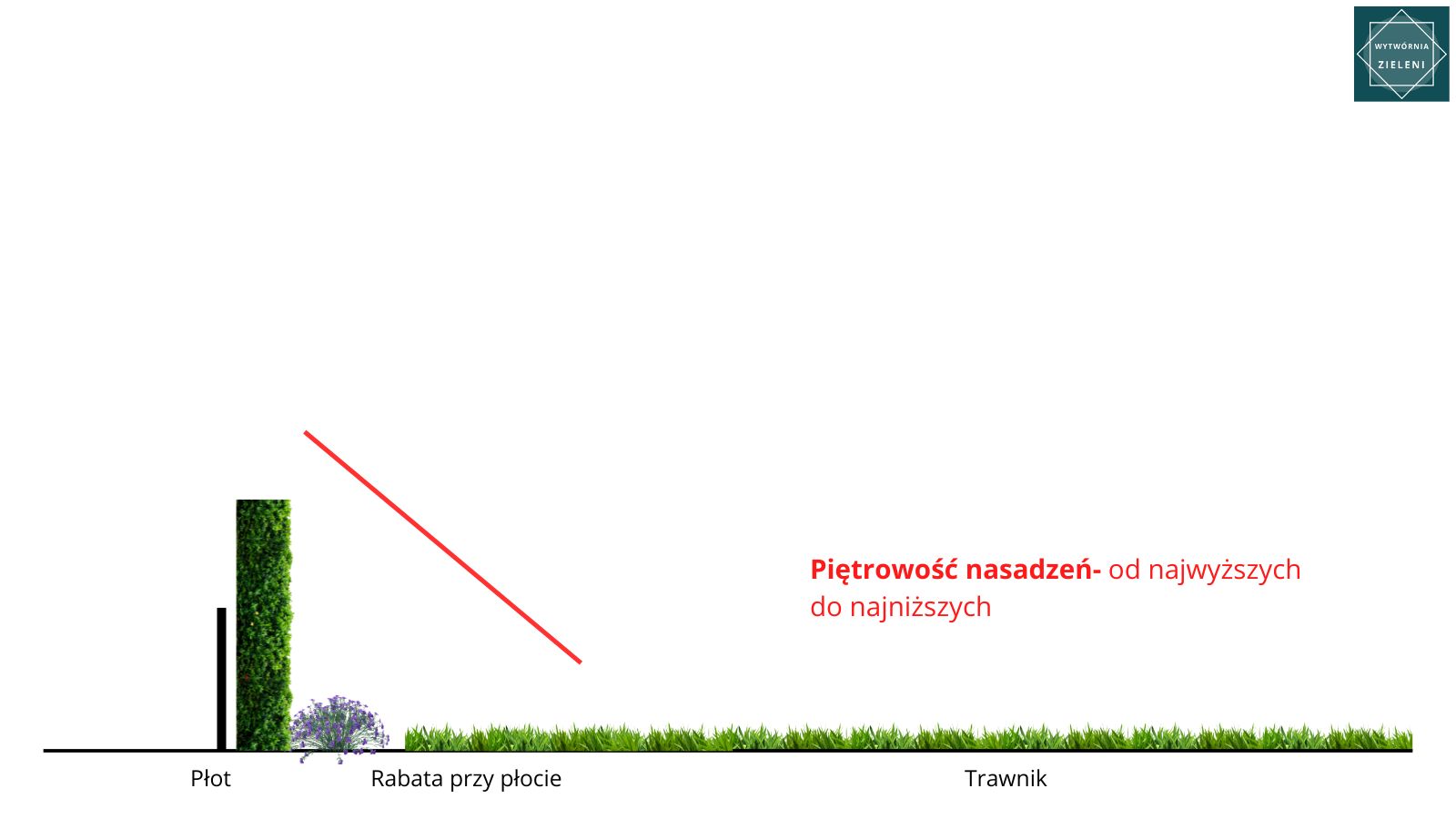
- Formal hedge
- Perennials and low shrubs 0.1-0.5m
This type of narrow border is often seen in small garden arrangements where space is very limited.
Narrow Fence Border
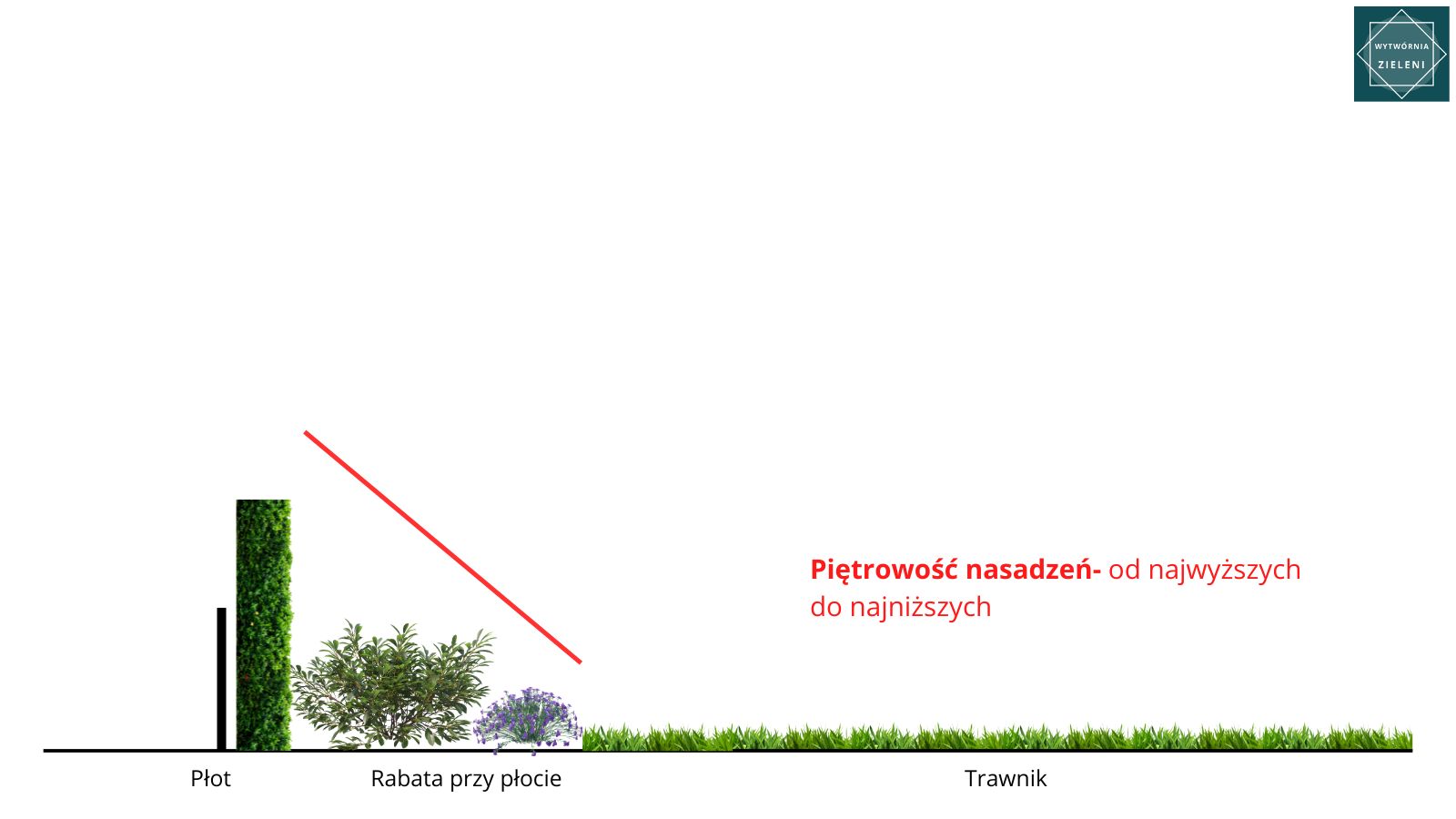
- Formal hedge
- Medium shrubs 1-1.5m
- Perennials - medium and low 0.1-0.5m
Medium Border with Tall and Medium Shrubs and Perennials
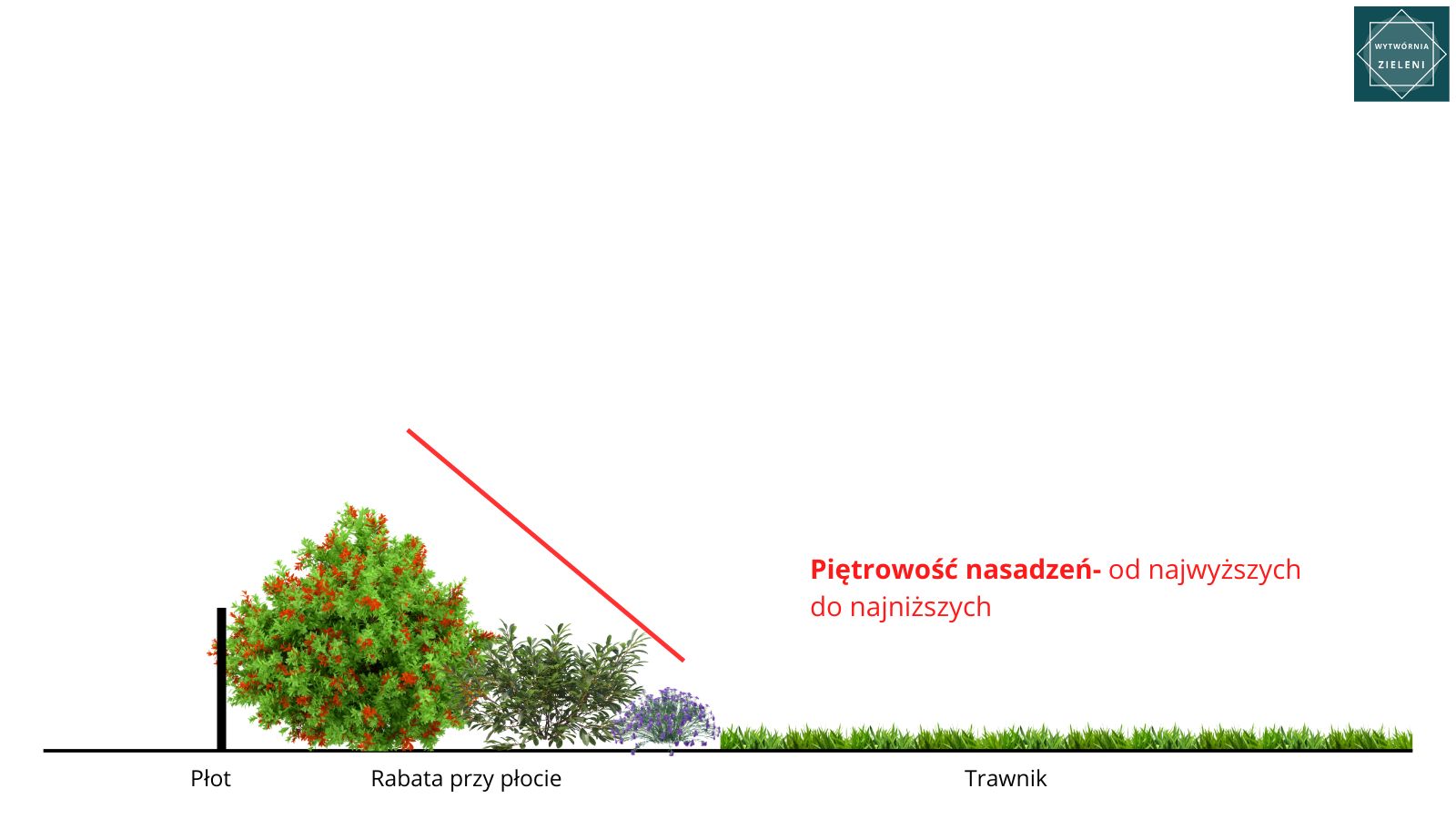
- Tall shrubs 1.5-3m
- Medium shrubs 1-1.5m
- Low shrubs 0.5-1m
- Perennials - medium and low 0.1-0.5m
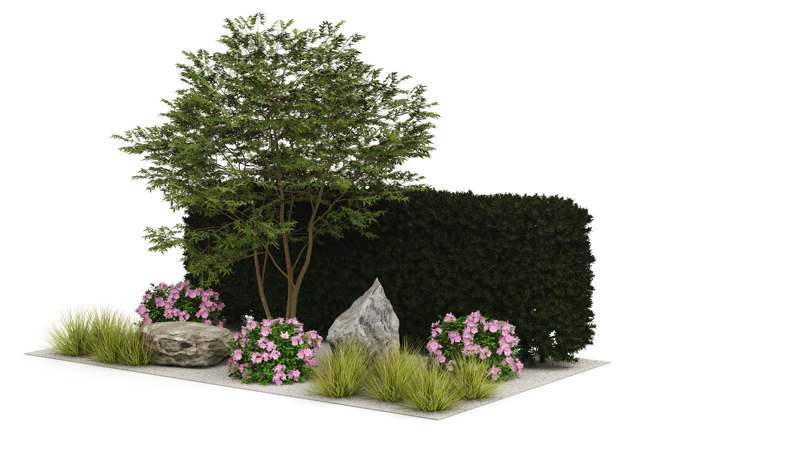
Wide Border with Tree, Tall and Medium Shrubs and Perennials
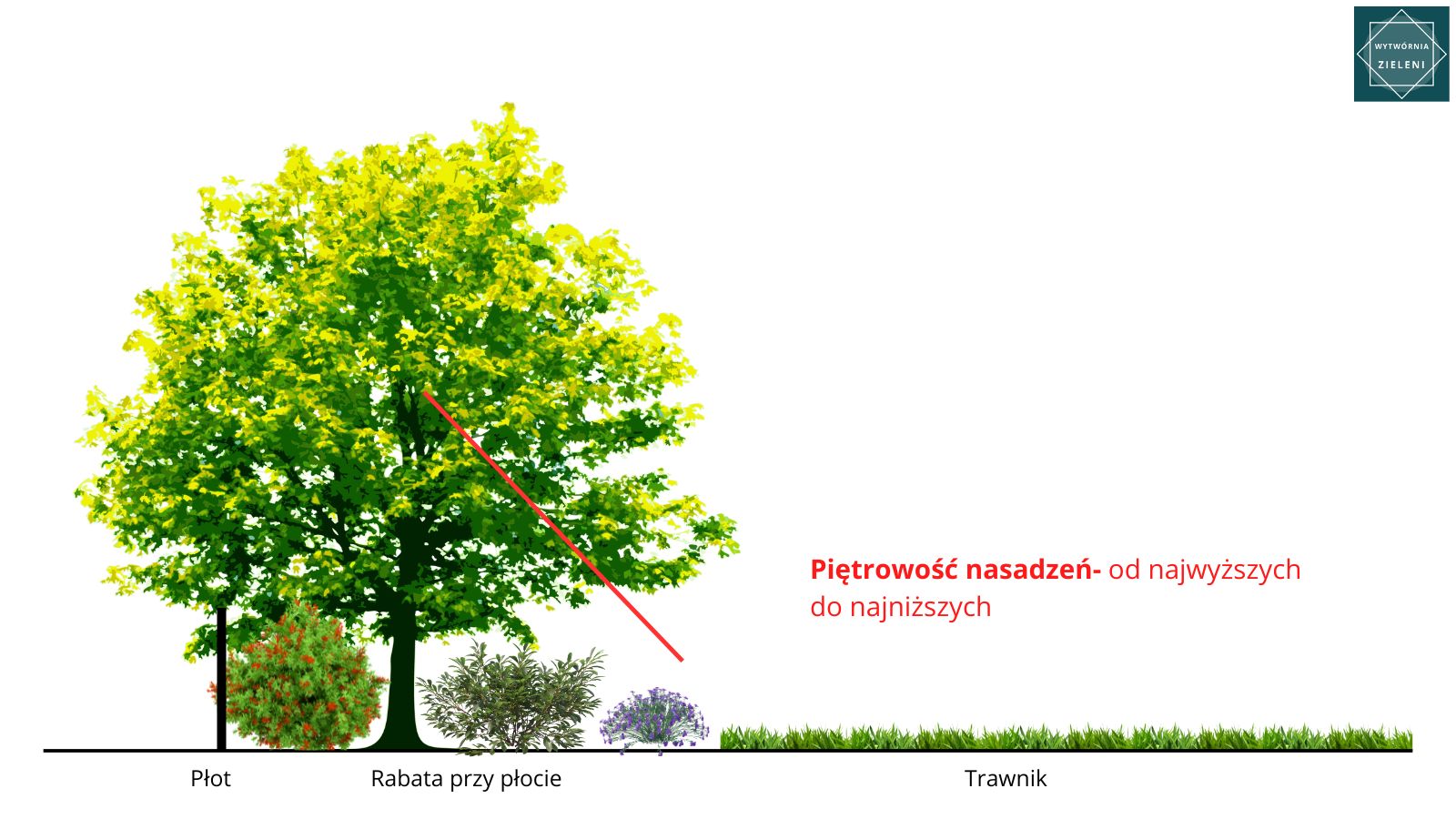
- Tree as screening element 3-10m
- Tall shrubs 1.5-3m
- Medium shrubs 1-1.5m
- Low shrubs 0.5-1m
- Perennials - medium and low 0.1-0.5m
Fast Growing Privacy Plants

Wondering what fast growing privacy plants to install along your fence to quickly gain privacy and greenery? Properly selected fast-growing species will create natural screening without needing additional structures. When planning your plantings, using a mulch calculator can help determine how much organic matter you'll need to support healthy, rapid growth. If you need greenery "immediately," there are several options:
- You can plant tall specimens that quickly fill space and create a cozy atmosphere—e.g., 'Smaragd' or 'Brabant' arborvitae, which are easily available at affordable prices.
- You can use fast growing screening plants like wisteria, honeysuckle, or trumpet vine, which can achieve several feet of growth per year.
- You can choose ready-made plant screens, e.g., beech, hornbeam, ivy, or invest in espalier trees—though this option can be more expensive.
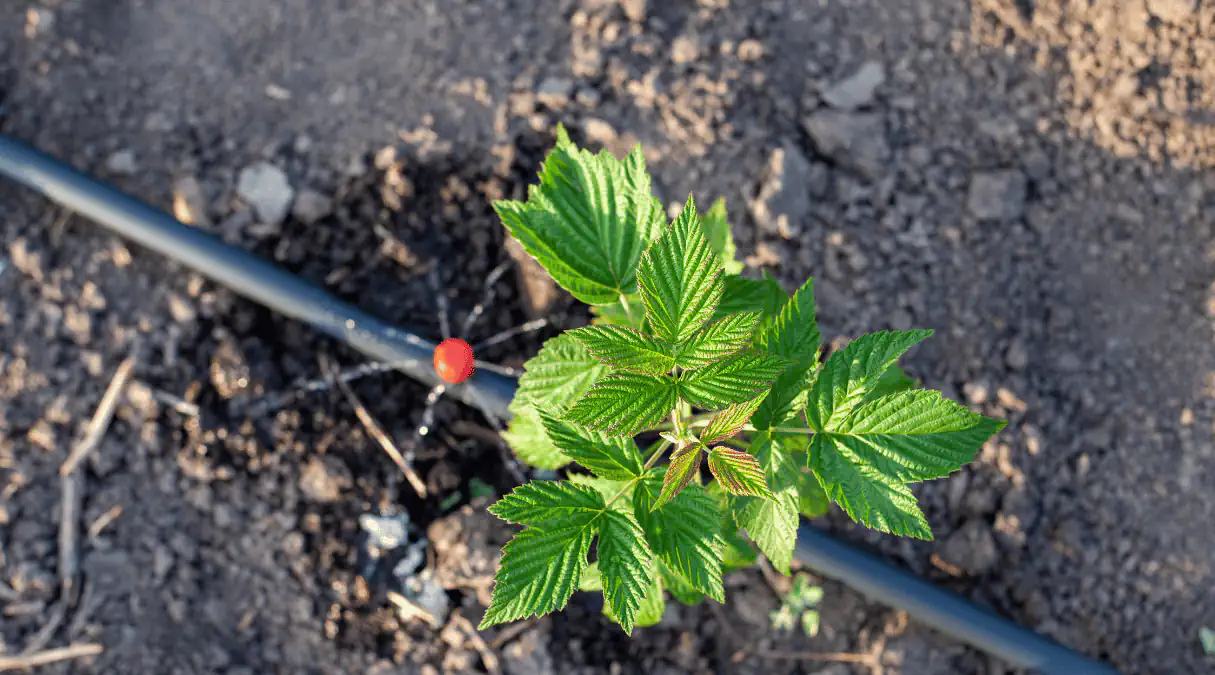
Proper care and garden irrigation are also crucial. Plants that don't receive adequate water grow several times slower than plants with appropriate drip irrigation systems. Using a garden water cost calculator can help you budget for proper irrigation that will accelerate plant growth. You can achieve the desired effect in 1-3 years instead of waiting 5-10 years without proper watering.
What to Plant Along Your Fence?
Evergreen Coniferous Hedge
- Western Arborvitae - Thuja occidentalis (e.g., 'Smaragd', 'Brabant')
- Common Yew - Taxus baccata
- Norway Spruce - Picea abies
- Lawson Cypress - Chamaecyparis lawsoniana
- Common Juniper - Juniperus communis (columnar forms)
Deciduous Hedge Plants
- Common Hornbeam - Carpinus betulus
- Common Beech - Fagus sylvatica
- Red-osier Dogwood - Cornus sanguinea
- Common Privet - Ligustrum vulgare
- Blackthorn - Prunus spinosa
Evergreen Broadleaf Hedge
- Cherry Laurel - Prunus laurocerasus
- Photinia (e.g., 'Red Robin') - Photinia × fraseri
- English Holly - Ilex aquifolium
- Common Boxwood - Buxus sempervirens
- Ebbinge's Silverberry - Elaeagnus ebbingei

When selecting privacy screening plants, pay attention to growth rate, density, and weather resistance. It's worth planting resistant, attractive, and easy-care species—especially where you want quick results. In many gardens, combining flowering and colorful plants with year-round evergreens works excellently—creating an effective and functional barrier. For more detailed guidance, check out our comprehensive garden design guide for beginners.
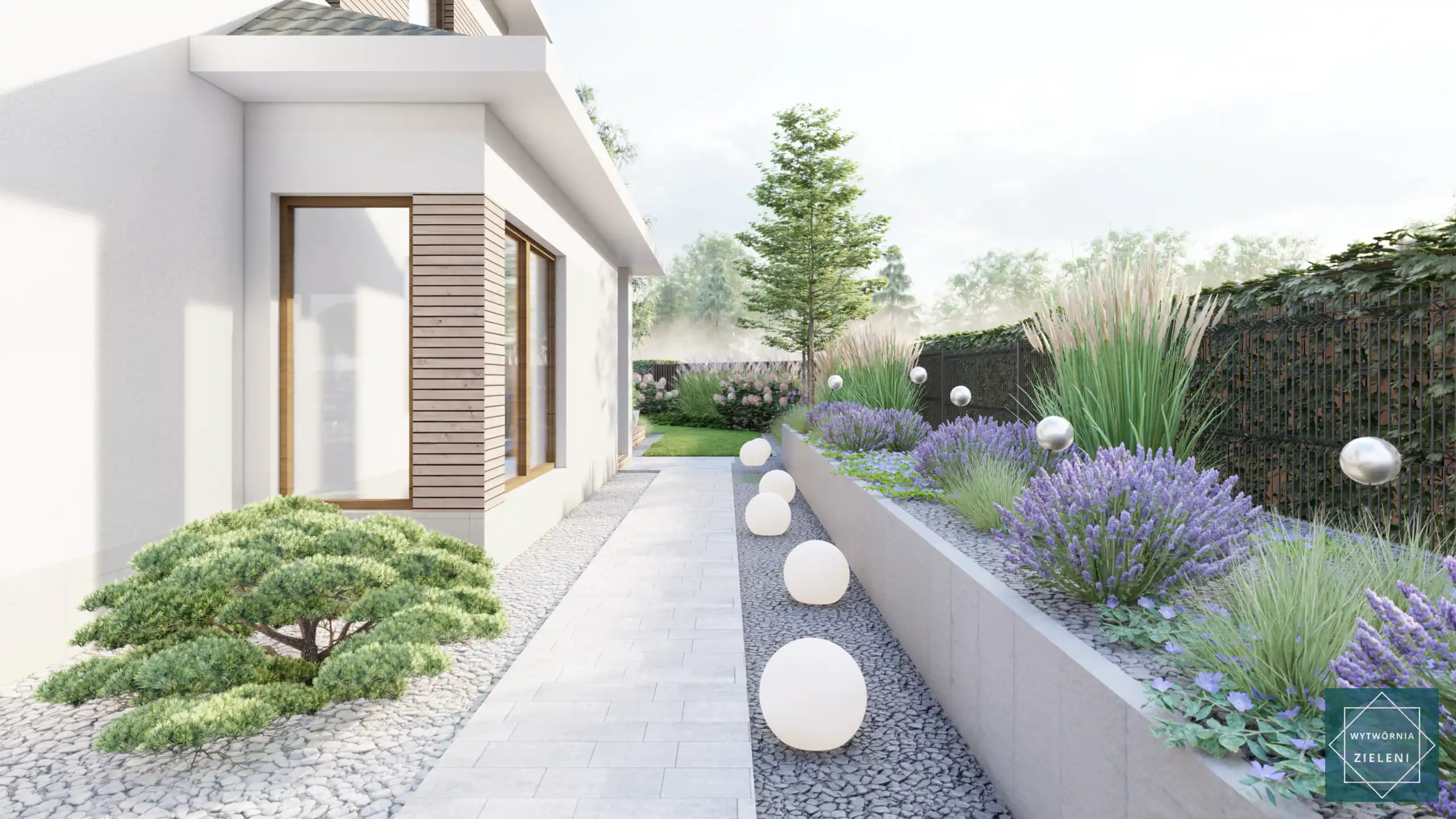
Garden planning preceded by proper design will save you time and wasted money. This way you'll avoid costly mistakes that many amateur gardeners make. Learn about common pitfalls in our guide to garden design mistakes that can derail your fence line landscaping project.
Fence Line Landscaping - Alternative to Arborvitae
While arborvitae have many advantages—fast growth, low maintenance requirements, evergreen needles, and good weather resistance—increasingly you hear voices that "they're everywhere." If you dream of more original fence line landscaping, we have several interesting suggestions.

- Instead of arborvitae, consider planting shrubs that, besides screening function, also serve decoratively. Privet is an excellent choice—dense, resistant to cutting, and fast-growing. In more natural gardens, hornbeam works perfectly, turning warm autumn colors and creating a hedge with changing appearance throughout the year.
- For more ornamental compositions, flowering shrubs like hydrangeas are ideal—lush, romantic, and long-blooming. For intense color lovers, we recommend barberry—this attractive shrub offers red or yellow leaves while being easy to grow.
- If you prefer lightness and modern garden style, choose ornamental grasses—especially miscanthus, which reaches impressive height and waves beautifully in the wind. They combine perfectly with aromatic lavender clumps that attract bees and provide summer fragrance.
- Alternative hedging doesn't have to be boring—with diverse shrubs, ornamental grasses, privet, barberry, hydrangeas, or lavender, you can create space along your fence that delights and provides privacy. When planning these alternatives, consider working with a landscape architecture company to ensure proper plant selection and placement.
Proper planning helps estimate garden establishment costs, avoiding surprises. Check our garden cost calculator to better estimate all expenses for your fence line landscaping project.

What to Plant Along Fence in Shade? Landscaping in Less Sunny Areas
Evergreen plants are an excellent choice for fence line landscaping. They're the ideal solution for those wanting to maintain privacy and garden aesthetics year-round. Their biggest advantage is not losing leaves in winter, so they screen the property even on the coldest days. This solution works especially well directly along fencing, where permanent green barriers are needed. For optimal soil preparation, use a soil calculator to determine how much quality soil amendment you'll need for healthy evergreen growth.
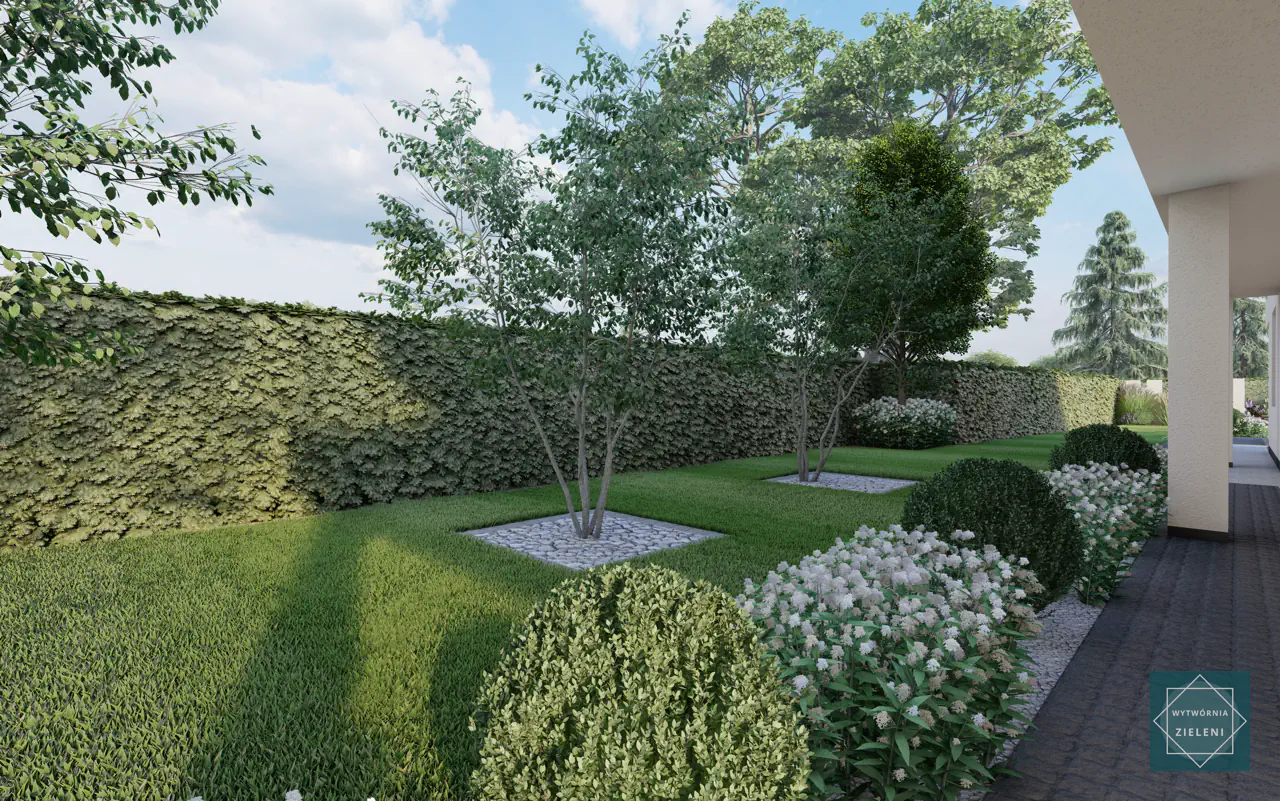
Evergreen Plant Suggestions for Gardens:
- Common Yew - resistant, easy to shape, ideal for hedging
- Boxwood - slow-growing but exceptionally elegant
- Cherry Laurel - large, glossy leaves, tolerates cutting well
- Oregon Grape - evergreen with yellow early spring flowers
- Various coniferous trees - e.g., spruce, pine, fir - offer different heights and textures
- Chinese Juniper - columnar habit, ideal for narrow spaces
- Growing these plants is usually undemanding—most tolerate frost and average soil conditions well.
Evergreen compositions along fencing provide year-round screening and green framing for your garden, regardless of season. Using appropriate plants creates beautiful landscapes.

Climbing Plants - Creating Natural Fence Screening with Vines
If you dream of green, natural screening that not only blocks the garden but adds charm to fencing, climbing plants are the ideal solution. These unique plants climb fences, pergolas, or trellises, creating dense, decorative screens. Climbing plants for fences work well in both sunny and shaded locations, and their diversity allows matching any garden style. For those interested in incorporating fire features alongside their fence plantings, explore backyard fire pit ideas that complement natural screening.
10 Popular Climbing Plants Ideal for Fences:
- Common Ivy - evergreen, shade-tolerant
- Climbing Roses - romantic and striking
- Clematis - huge range of colors and varieties
- Honeysuckle - fragrant and insect-attracting
- Trumpet Vine - exotic, trumpet-shaped flowers
- Wisteria - impressive, hanging flower clusters
- Virginia Creeper - fast growth, turns red in autumn
- Climbing Hydrangea - flowers in shade, slower but striking
- Common Hops - vigorous, fast, and edible
- Dutchman's Pipe - large leaves, fast growth, provides shade
Well-selected climbing plants can not only hide an unattractive fence but become striking decoration for the entire garden. For more plant ideas and inspiration, visit our comprehensive garden design blog featuring seasonal planting guides and maintenance tips.
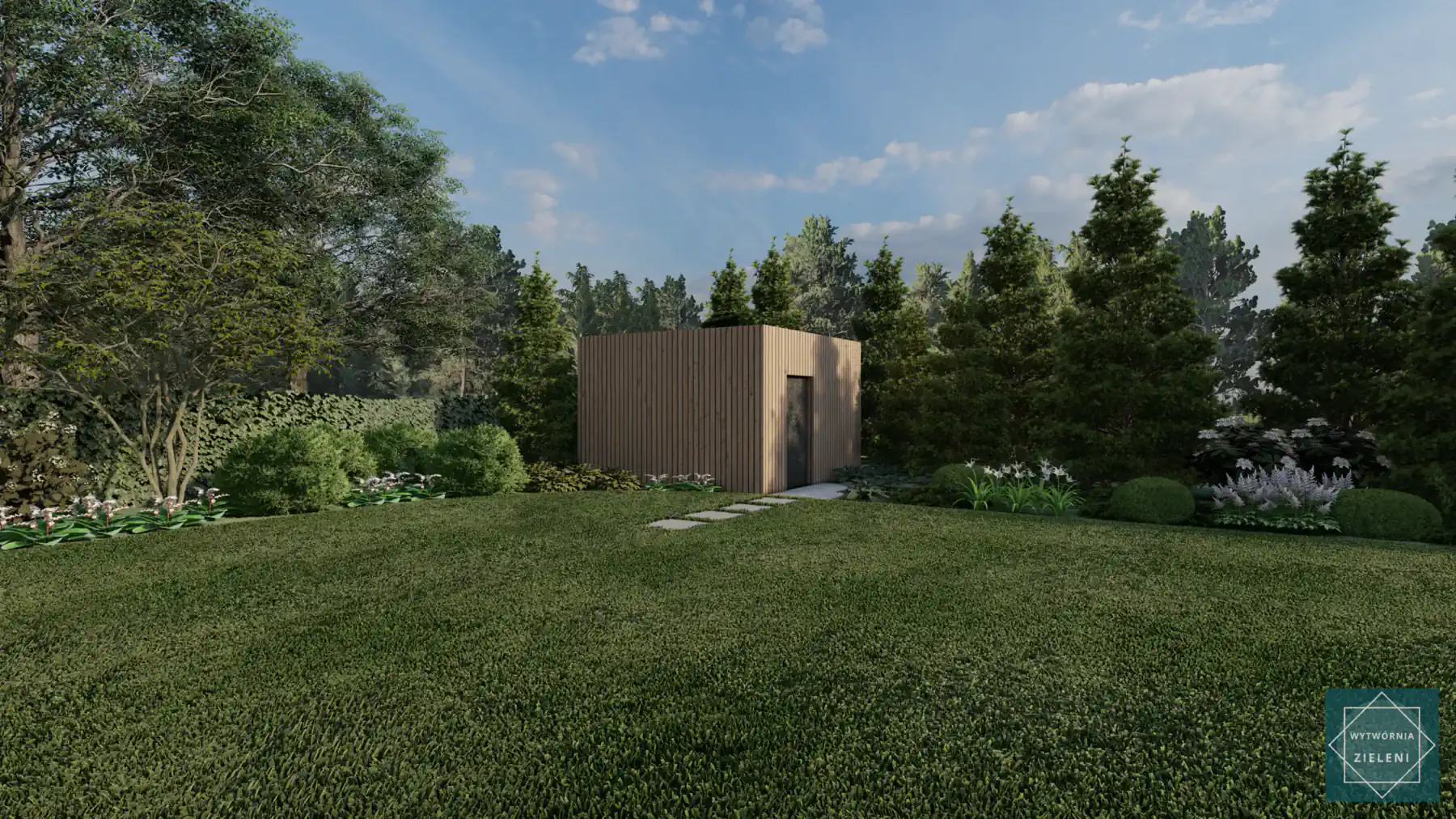
What to Plant to Limit Weeds Along Fencing?
Wondering what you can plant so weeds don't grow along your fence? While no method completely eliminates unwanted plants, you can effectively limit their development using proven solutions and appropriate plantings.
- Start by applying landscape fabric as the first mechanical barrier that stops weed growth while allowing water and air to reach soil.
- On top, you can lay decorative mulch—bark, stone mulch, or ornamental stone work well, protecting against weeds while giving fencing an aesthetic appearance.
- Appropriate plants are also crucial. Dense plantings of perennials, shrubs, or creeping ground covers can effectively shade soil, blocking unwanted weed development.
- For fence borders, plant in layers—taller in back, shorter in front—to maximize surface coverage. Densely planted borders not only limit weed growth but create organized, attractive space.
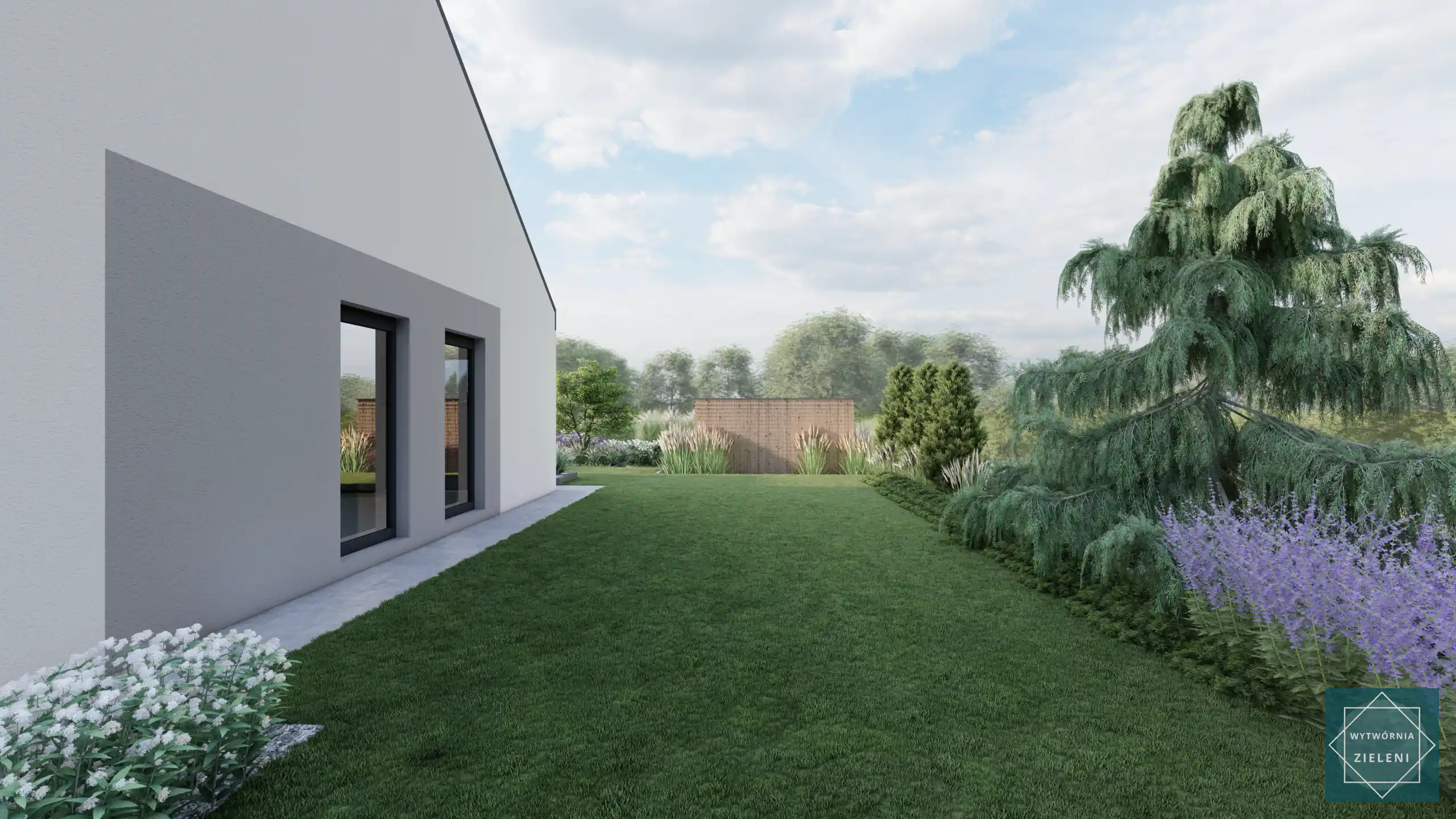
Remember—even the best methods don't guarantee complete weed absence. Regular maintenance and thoughtful plantings are key to healthy, well-maintained garden borders that weeds won't dominate. Understanding landscape design pricing can help you budget for professional maintenance services if needed.
Summary: Which Plants to Choose for Fence Gardens and How to Plant Them?
When considering what to plant along your fence, remember that well-selected species can simultaneously provide privacy, serve decorative functions, and effectively limit weeds. If you want to plant something more than standard arborvitae along fencing, choose flowering plants, perennials, ornamental grasses, or evergreens. Such fence line landscaping can be both practical and aesthetic year-round. For those seeking professional guidance, consider requesting a landscape design project to ensure optimal plant selection and placement.

It's important to plant along fences in layers—from taller in back to shorter in front—creating interesting arrangements that enliven your garden and attract beneficial insects. Annual flowers can be planted in seasonal spots as fillers and colorful accents. For inspiration on completed projects, browse our landscape design examples to see how professional fence line landscaping transforms outdoor spaces.
FAQ - What to Plant Near Fences?
What plants to choose along fence for quick screening and greenery?
Good choices include dense hedges like privet, hornbeam, or spruce that quickly create green barriers.
Which plants for borders ensuring privacy?
Fence borders work well with plants like hydrangeas, miscanthus, and tall perennials like asters.
What to plant along fencing from neighbor's side?
Use fence space by planting ornamental shrubs like spirea, forsythia, or dogwood.
Which plants along fence from street or busy property side?
From street side, pollution-resistant plants work well like barberry, arborvitae, or yews—such greenery can also serve as acoustic barriers.
Evergreen and year-round plants - how to choose fence shrubs?
Evergreen shrubs like cherry laurel, boxwood, or holly are good year-round garden choices.
What are the fastest-growing conifers?
Fastest-growing conifers include Norway spruce, Austrian pine, and larch—they'll certainly create natural screening along fences in several seasons.
What instead of arborvitae? Which shrubs to plant along fence?
Arborvitae alternatives include deciduous shrubs: ninebark, elderberry, or viburnum—plantable individually or in groups.
Which bulb plants for fencing?
Spring bulb plants like tulips, daffodils, or ornamental alliums add color to fence areas.
How to landscape lower fence sections?
Lower fence areas should be planted with ground covers or low perennials like geraniums—as lower plants, they'll fill empty spaces.
How to combine perennials and seasonal plants along fencing?
For long blooming effects along fencing, use combinations of perennials and annuals like coneflowers with cosmos or black-eyed susans with marigolds.
Which perennial plants work best along fences?
For fence plantings, choose perennials not requiring annual renewal like ornamental grasses, irises, and hostas.
How to arrange plants along fencing?
Create layered compositions and diverse arrangements using shrubs, grasses, and seasonal plants for aesthetic and functional results.

Wojciech Kazimierowicz – Author of the Article
Co-owner of Wytwórnia Zieleni and an expert in garden design and landscaping with over 13 years of experience. He specializes in creating modern, functional green spaces tailored to the budget and needs of homeowners.

Find Out How Much Your Garden Design Will Cost!
Take a quick quiz and discover the estimated cost of a custom garden design tailored to your needs. No strings attached – it takes just 2 minutes!


Wytwórnia Zieleni | Garden Design
KRS 0001107384 NIP 6452587627 REGON 528715049 St. Strzelców Bytomskich 51/1 42-600 Tarnowskie Gory, Poland
Resources
© Wytwórnia Zieleni 2026


