How to plan garden lighting for your outdoor space: complete guide
Published
09 February 2026
Share this article


 Copied
TOC
- How to Plan Garden Lighting?
- Step 1: Analyze your garden space
- Step 2: Define your lighting needs and goals
- Step 3: Choose the right types of lights
- Step 4: Select appropriate light sources
- Working with top lighting manufacturers
- Step 5: Installation principles – key guidelines
- Lighting and illumination projects – professional approach
- Transform your outdoor space with expert lighting design
- Frequently asked questions
- What are the best types of lights for garden pathways?
- How deep should electrical cables be buried for garden lighting?
- What's the difference between LED and halogen garden lights?
- Can I install garden lighting myself or do I need an electrician?
- How much does professional garden lighting installation cost?
- What IP rating should I look for in outdoor garden lights?
- How do I choose between solar and wired garden lighting?
- What color temperature is best for garden lighting?
- How can I reduce energy costs with garden lighting?
- What maintenance do garden lights require?
How to Plan Garden Lighting?
Garden lighting is not just about aesthetics, but also about safety and functionality. A well-designed outdoor lighting installation will enhance your space's beauty while providing comfortable conditions for use after dark.
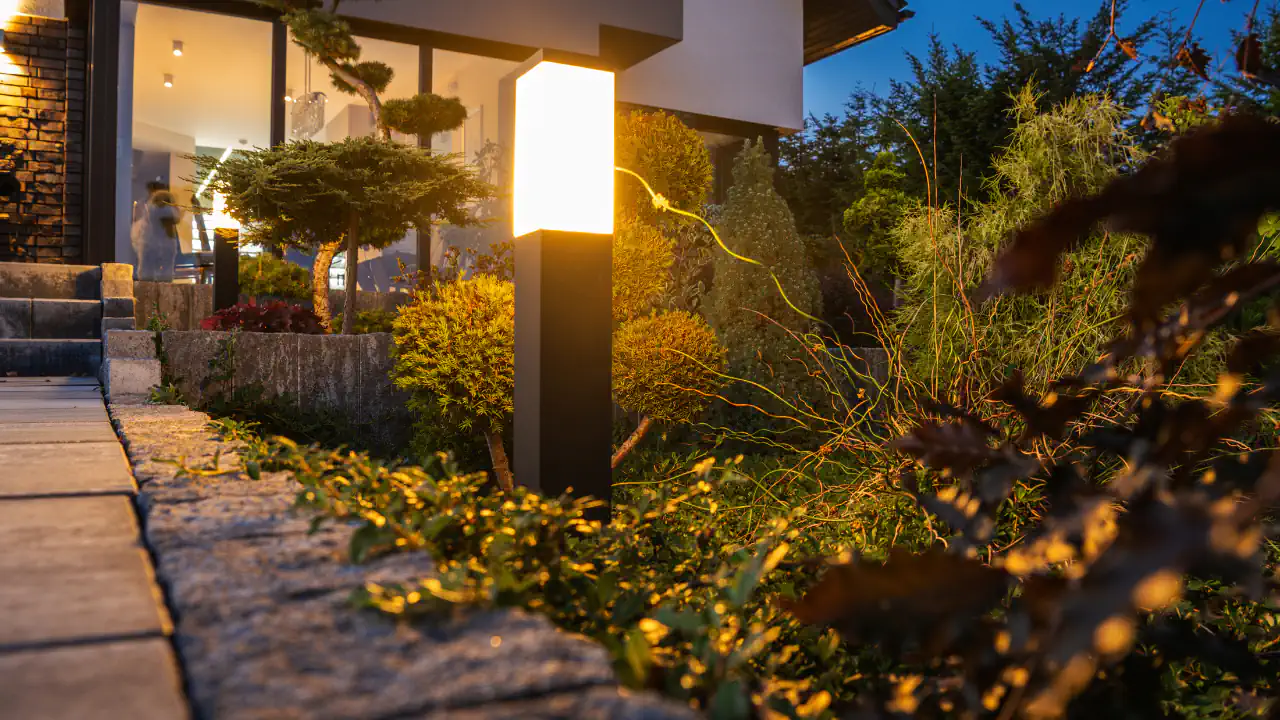
In this comprehensive guide, we present a detailed step-by-step approach to designing and implementing perfect garden lighting, covering light selection, installation principles, and working with renowned manufacturers.
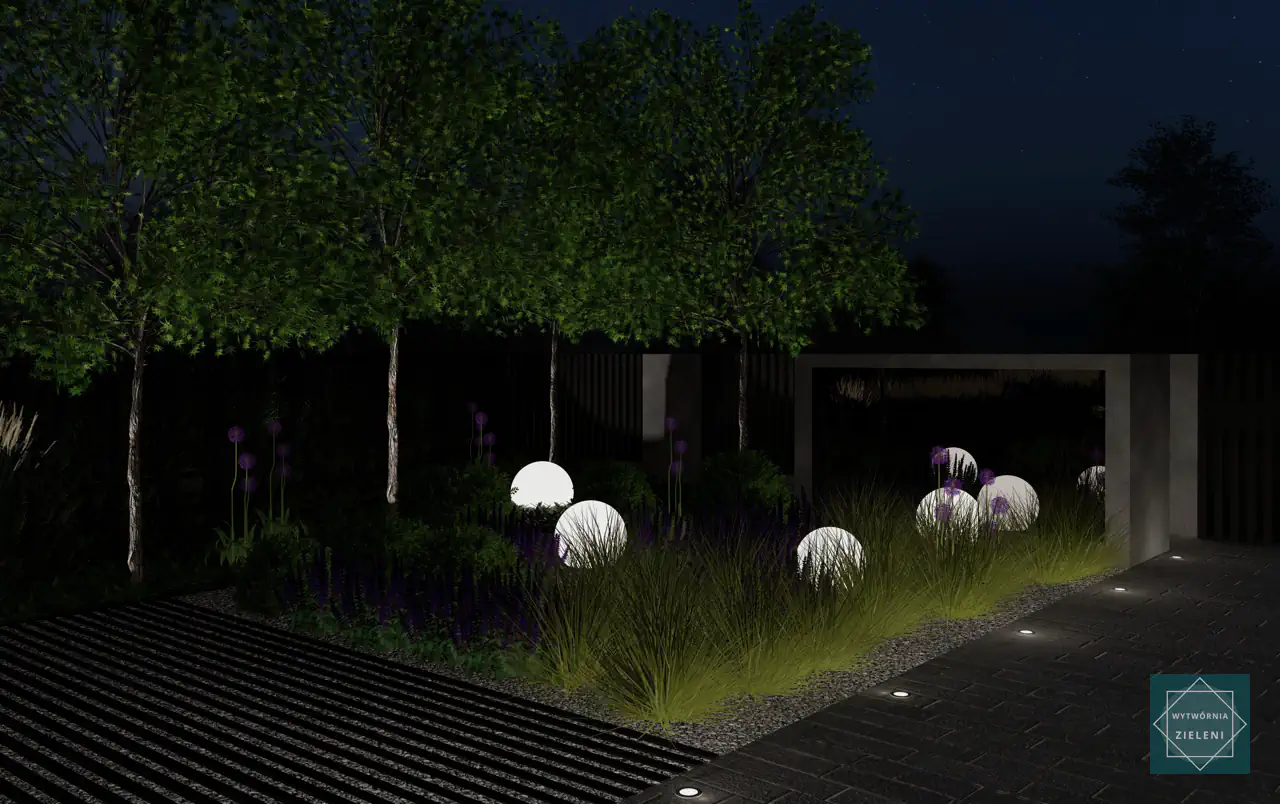
When planning any outdoor project, working with a professional landscape architecture firm ensures your lighting design integrates seamlessly with your overall landscape vision.
Step 1: Analyze your garden space
The first step is conducting a thorough garden analysis. Pay attention to key areas that require outdoor lighting:
- Functional zones: pathways, stairs, driveways, and home entrances that need safe navigation after dark.
- Relaxation areas: gazebos, patios, or benches that deserve subtle accent lighting to create ambiance.
- Decorative elements: water features, sculptures, trees, or flowering beds that can become stunning focal points with proper landscape lighting.
Understanding how to effectively plan different garden zones will help you better coordinate your lighting layout with your overall landscape design. It's also important to consider dark spots that may require additional illumination for both safety and convenience.
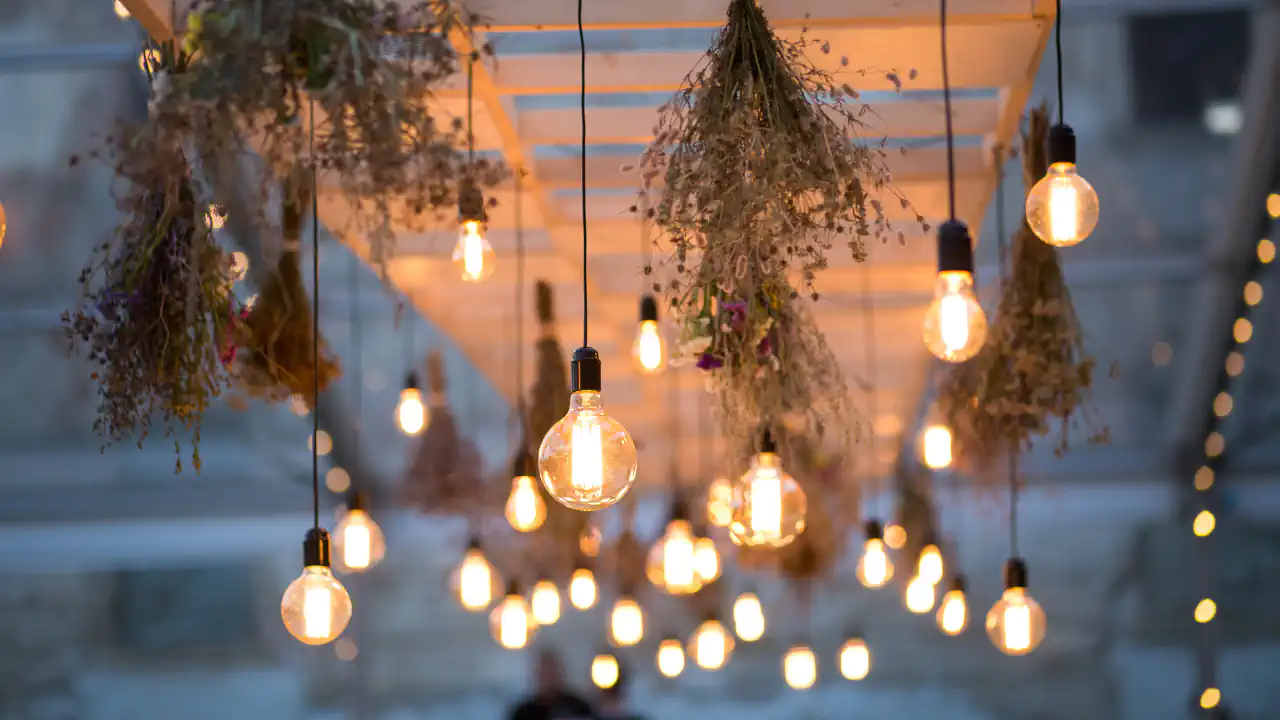
Step 2: Define your lighting needs and goals
To ensure your garden lighting serves its purpose effectively, determine what you expect from your outdoor lighting system:
- Do you want to ensure safety in key areas with security lighting?
- Are you focused on creating a cozy atmosphere in relaxation zones with ambient lighting?
- Do you plan to highlight the aesthetic qualities of plants or architecture with accent lighting?
For complete success, consider a comprehensive garden project planning approach that takes all your needs into account. This methodology ensures a cohesive concept and precise project execution from planning to installation.
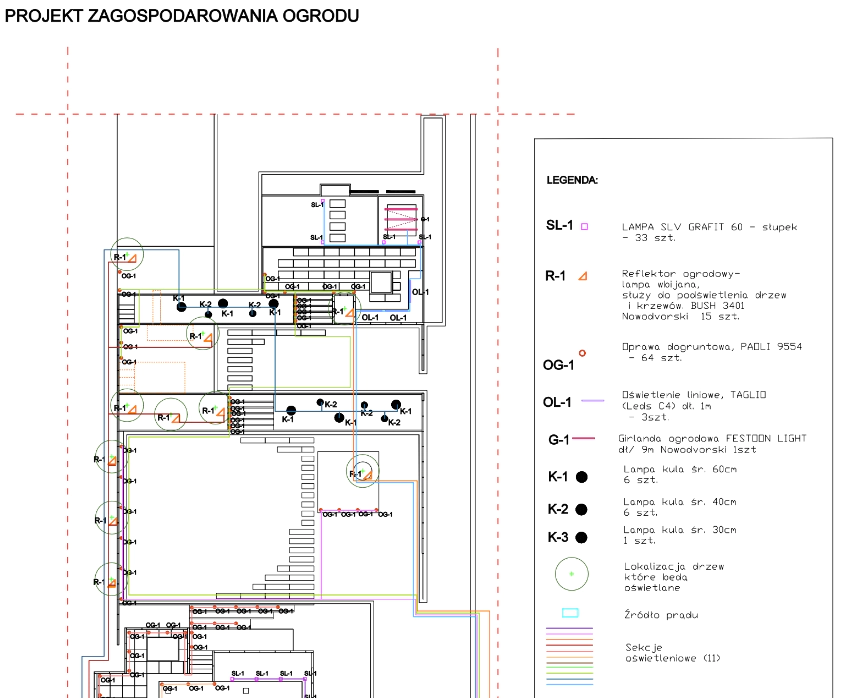
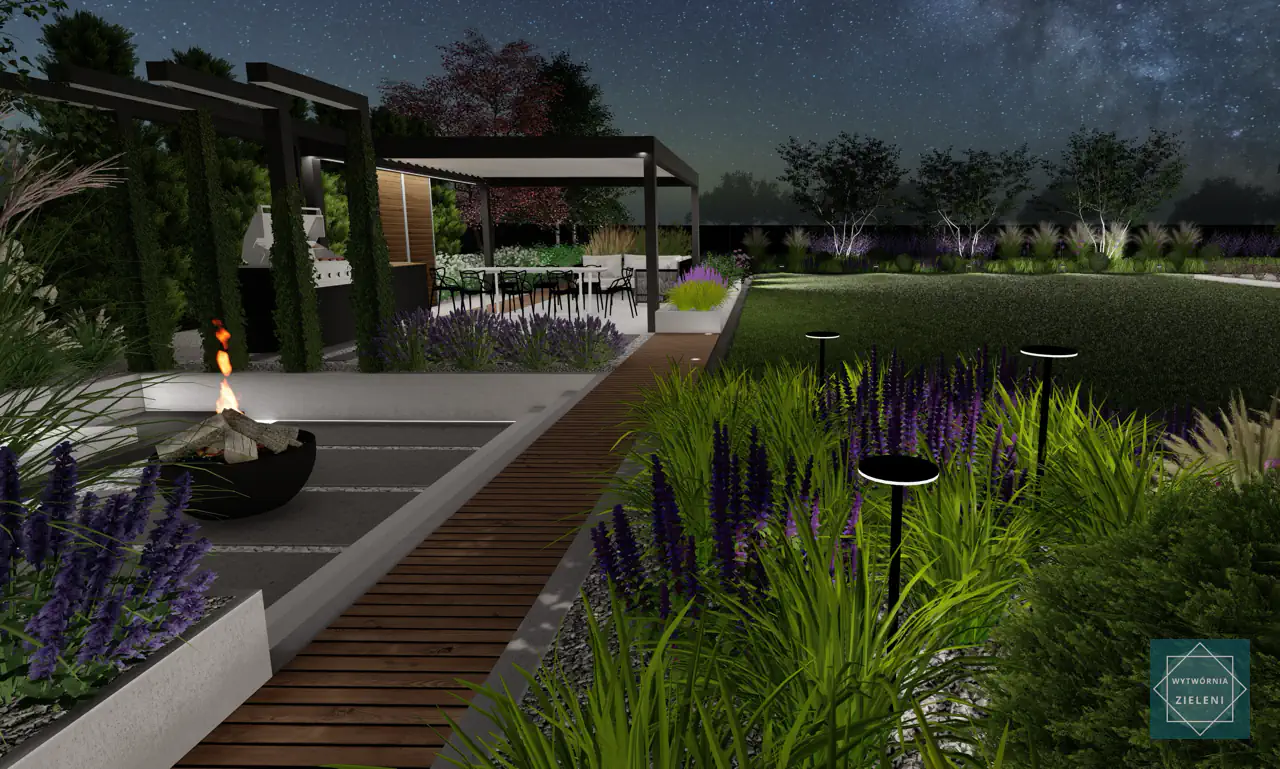
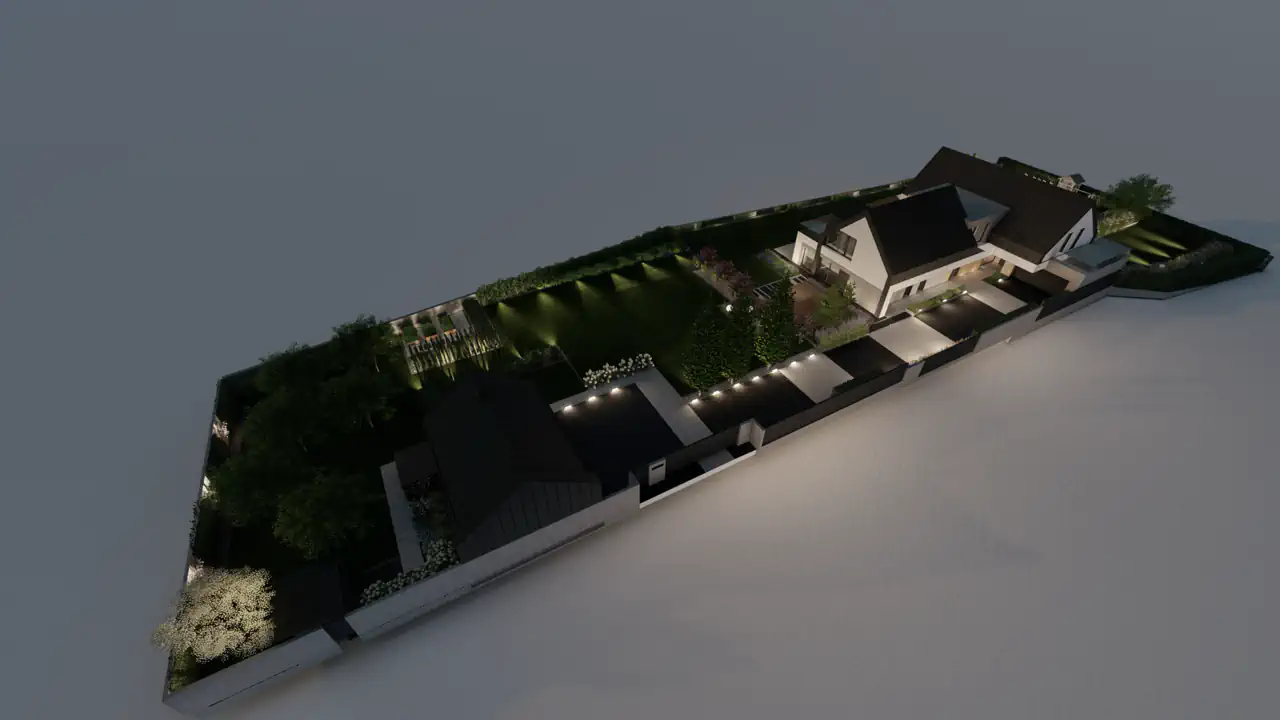
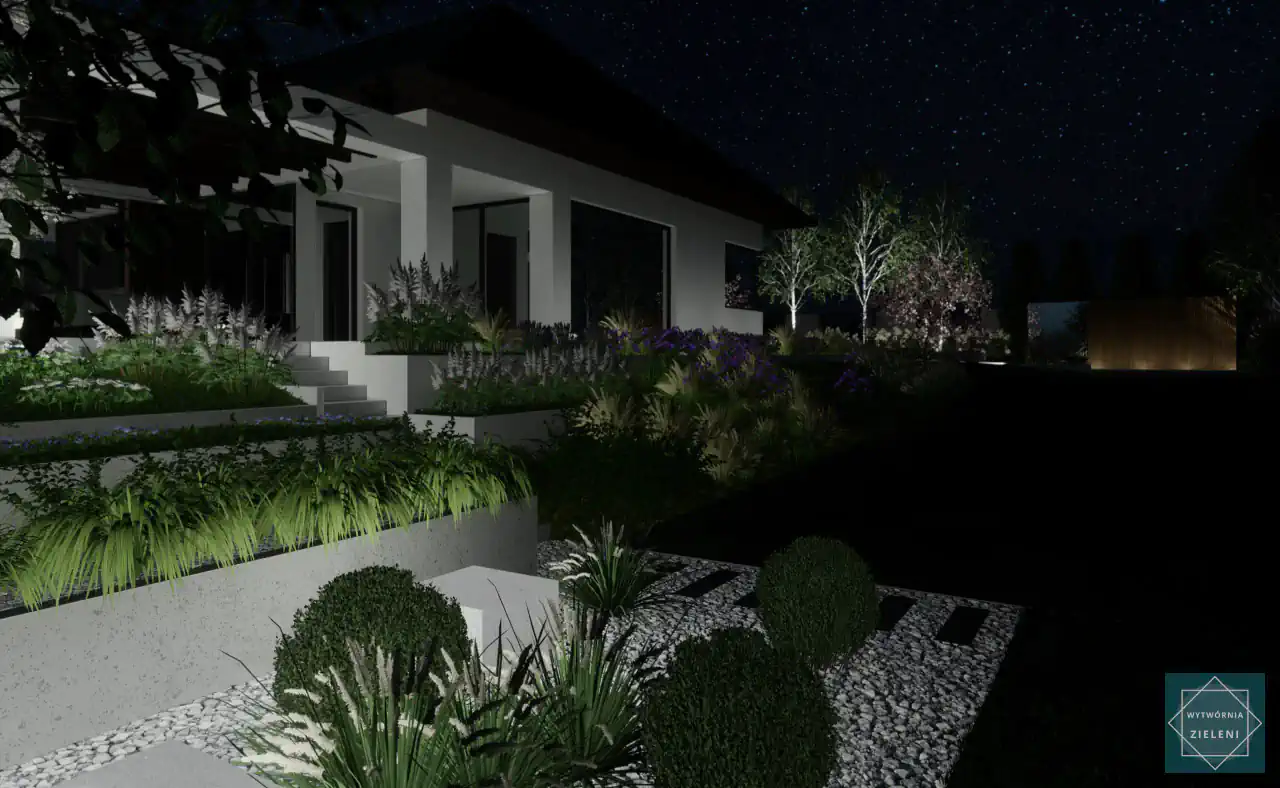
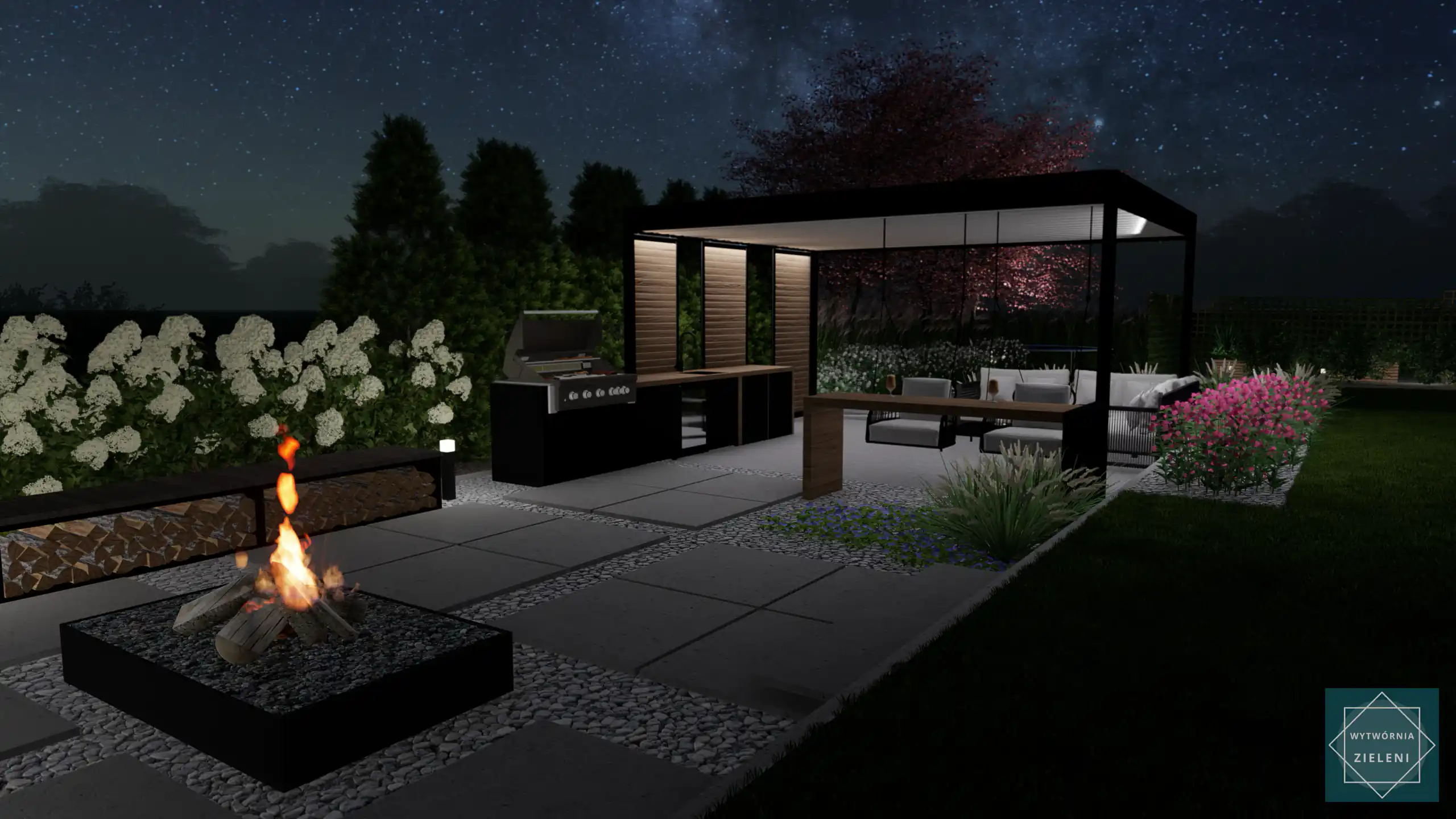
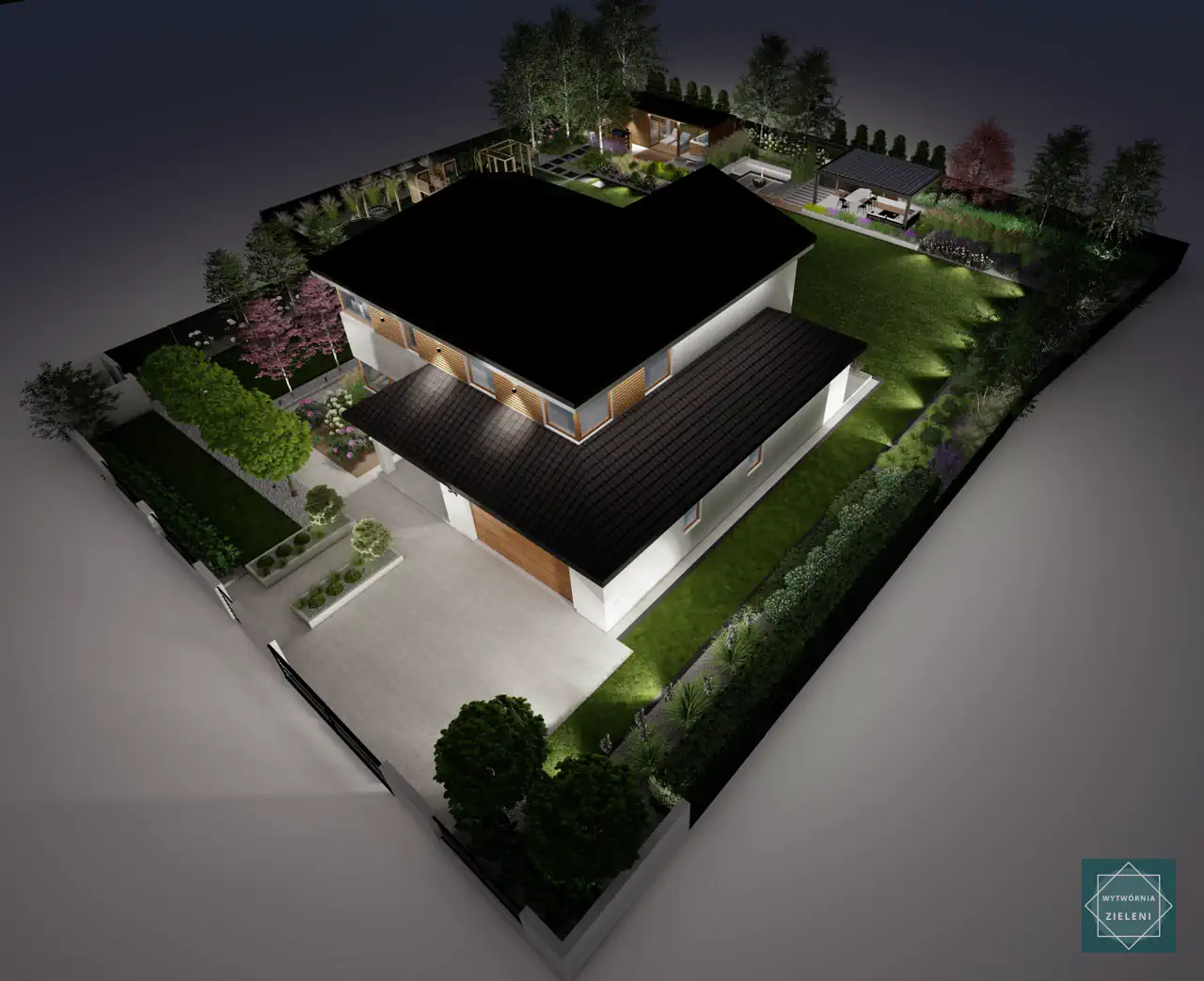
Study this comprehensive garden lighting system to understand how strategic illumination extends garden usability into evening hours. The lighting design highlights key features, ensures pathway safety, and creates atmospheric ambiance across multiple functional zones.
Step 3: Choose the right types of lights
Selecting appropriate fixtures is a crucial element of your landscape lighting design. Each type has its specific application:
- Portable lights: Ideal for creating temporary mood lighting, especially during outdoor gatherings. Their mobility allows easy adjustment of positioning as needed.
- Ceiling lights: Perfect for gazebos and covered patios. They combine functionality with elegance while illuminating larger outdoor spaces effectively.
- Wall lights: Excellent for highlighting building details and illuminating entrances and patios, enhancing both safety and curb appeal.
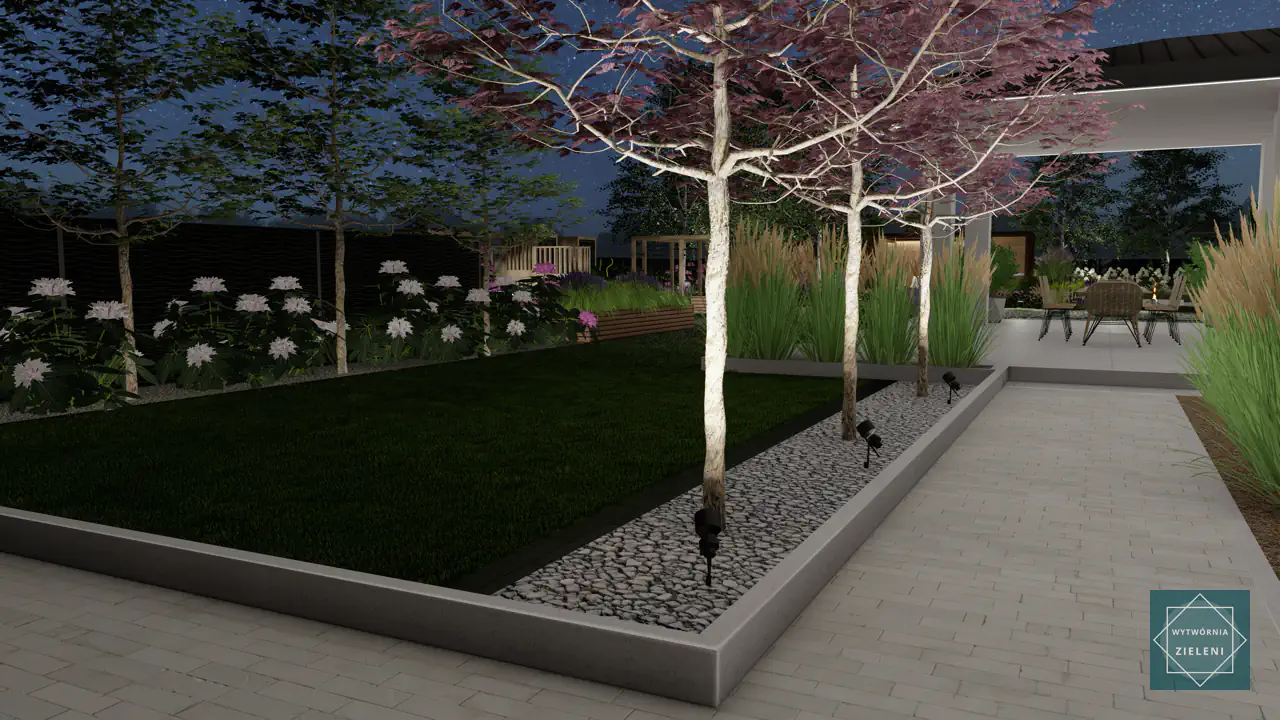
- Stake lights: Practical and easy to install, these work well for highlighting vegetation and pathways with targeted illumination.
- Recessed driveway lights: Ideal for driveways and walkways. They're characterized by high durability and resistance to weather conditions and vehicle traffic.
- Street-style lighting: Designed for larger gardens or recreational areas, providing optimal illumination coverage for extensive outdoor spaces.
- Bollard lights: Universal solution for pathways, entrance areas, and spaces around patios, offering 360-degree lighting distribution.
If you're looking for inspiration, explore professional landscape design examples that showcase various lighting applications in real outdoor settings.

Step 4: Select appropriate light sources
Choosing the right light sources is the next step in creating a cohesive outdoor lighting installation:
- LED bulbs: Energy-efficient, durable, and versatile – ideal for every type of garden lighting application with superior longevity.
- Solar lights: Eco-friendly and easy to install, these make excellent decorative solutions with zero operating costs and automatic operation.
- Halogen lights: Provide powerful illumination, suitable for large spaces such as driveways, though they consume more energy than LED alternatives.
Working with top lighting manufacturers
At Wytwórnia Zieleni, we collaborate with renowned lighting manufacturers to ensure our clients receive the highest quality products:
- Nowodvorski – Affordable garden lighting solutions, including wall lights, recessed driveway lights, and ceiling fixtures with reliable performance.
- Azzardo – Economical lighting solutions and accessories that combine style with functionality for various outdoor applications.
- King LED – Specialist in LED strips and weatherproof outdoor fixtures, offering energy-efficient solutions for modern garden lighting.
- LLD Light – Italian manufacturer of premium LED lights, perfect for luxury lighting design projects requiring sophisticated aesthetics and superior performance.
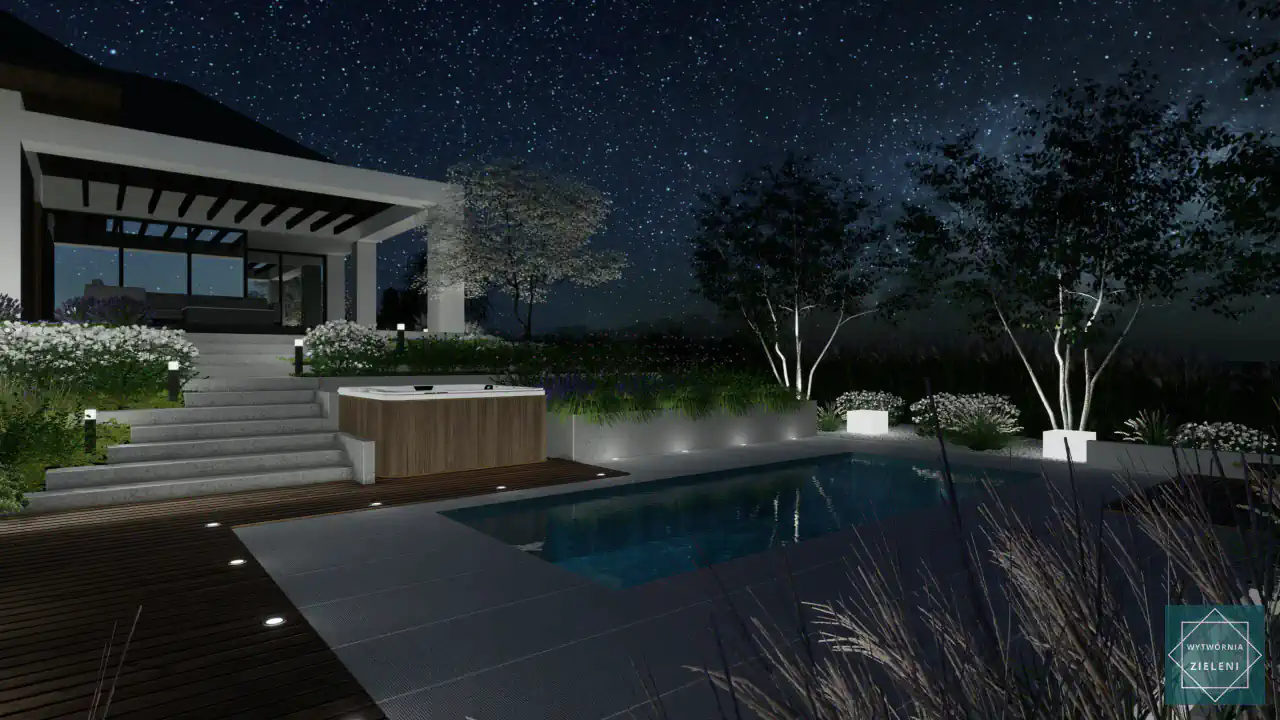
Choosing appropriate products from trusted suppliers guarantees durability, performance, and high aesthetic standards for your outdoor lighting investment. For those interested in exploring different fixture options, our guide to outdoor lighting fixtures provides detailed comparisons of various styles and applications.
Step 5: Installation principles – key guidelines
Proper installation of garden lighting affects both durability and safety of the entire system. Before beginning any electrical work, it's essential to understand garden electrical planning principles. Here are the most important installation guidelines:
- Electrical cables should be installed using underground cables that are moisture-resistant and suitable for direct soil contact. Learn more about selecting the right garden electrical cables for your specific installation requirements.
- Place cables in protective conduits that will safeguard them from mechanical damage and environmental factors.
- Cable depth should be approximately 28 inches (70 cm), in accordance with electrical safety regulations and local building codes.
- Execute all cable connections in waterproof junction boxes, preferably sealed with epoxy resin for maximum protection against moisture infiltration.

Installation should be performed by a licensed electrician to ensure compliance with electrical codes and safety standards. When selecting contractors, our guide on choosing landscaping company provides valuable insights for finding qualified professionals.
For comprehensive project planning, consider using our garden cost calculator to budget your entire outdoor lighting project effectively.
Lighting and illumination projects – professional approach
Planning garden lighting is a complex process that requires consideration of many aspects – from space analysis, through appropriate fixture selection, to professional installation. Whether you're starting a garden from scratch or enhancing an existing landscape, well-designed outdoor lighting not only enhances your garden's aesthetics but also increases its functionality and security for year-round enjoyment.
Professional garden lighting design should also consider energy efficiency and ongoing operational costs. Use our garden water cost calculator to understand utility planning for integrated landscape features that complement your lighting design.
Transform your outdoor space with expert lighting design
Professional garden lighting transforms ordinary spaces into extraordinary outdoor environments. Expert planning ensures optimal placement, energy efficiency, and long-lasting performance.

Comprehensive garden design services can help integrate lighting seamlessly with your landscape architecture. Contact us for a professional garden design consultation and discover how expert planning can bring your landscaping vision to life.
Frequently asked questions
What are the best types of lights for garden pathways?
LED pathway lights, bollard lights, and low-voltage stake lights are ideal for illuminating garden paths. They provide adequate illumination while being energy-efficient and safe for outdoor use. Solar-powered options are also excellent for areas without electrical access.
How deep should electrical cables be buried for garden lighting?
Electrical cables for garden lighting should be buried at least 28 inches (70 cm) deep according to safety regulations. Always use underground-rated cables and protective conduits to prevent damage from moisture, freezing, and accidental digging.
What's the difference between LED and halogen garden lights?
LED lights are more energy-efficient, last longer (up to 25,000 hours), and produce less heat than halogen lights. While halogen lights provide powerful illumination, LEDs offer better long-term value with lower energy costs and reduced maintenance requirements.
Can I install garden lighting myself or do I need an electrician?
While some low-voltage and solar lighting can be installed as DIY projects, any hardwired electrical connections should be installed by a licensed electrician to ensure safety and code compliance. This is especially important for 120V systems and complex installations. For detailed guidance on how to plan garden lighting safely, consult professional resources.
How much does professional garden lighting installation cost?
Garden lighting installation costs vary based on the number of fixtures, cable runs, and complexity of the design. Factors include fixture quality, electrical requirements, and site accessibility. Understanding landscape design cost factors helps in budgeting for professional installation and design services.
What IP rating should I look for in outdoor garden lights?
For outdoor garden lighting, look for fixtures with at least IP65 rating for general outdoor use. For areas with direct water exposure or submersible applications, choose IP67 or IP68 rated fixtures to ensure proper protection against moisture infiltration.
How do I choose between solar and wired garden lighting?
Solar lights are ideal for decorative applications and areas without electrical access, offering easy installation and zero operating costs. Wired lighting provides more consistent brightness and reliability, making it better for security and primary illumination needs.
What color temperature is best for garden lighting?
Warm white (2700K-3000K) is typically best for garden lighting as it creates a welcoming atmosphere and enhances the natural colors of plants and hardscaping. Cool white (4000K+) works well for security lighting and modern architectural features.
How can I reduce energy costs with garden lighting?
Use LED fixtures, install timers or motion sensors, and consider solar options where appropriate. LED lights use up to 80% less energy than traditional bulbs, and smart controls ensure lights operate only when needed, significantly reducing electricity costs. Incorporate these energy-efficient features into your outdoor dining area and outdoor entertainment area lighting designs.
What maintenance do garden lights require?
Regular maintenance includes cleaning fixtures to remove dirt and debris, checking for damaged cables or connections, replacing burned-out bulbs, and trimming vegetation that may block light output. LED fixtures require minimal maintenance compared to traditional lighting systems. Understanding proper landscape design elements helps ensure your lighting fixtures integrate well with plant growth and seasonal changes.

Wojciech Kazimierowicz – Author of the Article
Co-owner of Wytwórnia Zieleni and an expert in garden design and landscaping with over 13 years of experience. He specializes in creating modern, functional green spaces tailored to the budget and needs of homeowners.

Find Out How Much Your Garden Design Will Cost!
Take a quick quiz and discover the estimated cost of a custom garden design tailored to your needs. No strings attached – it takes just 2 minutes!


Wytwórnia Zieleni | Garden Design
KRS 0001107384 NIP 6452587627 REGON 528715049 St. Strzelców Bytomskich 51/1 42-600 Tarnowskie Gory, Poland
Resources
© Wytwórnia Zieleni 2026


