Beautiful Climbing Plants to Add Height and Structure
Climbing plants are fast-growing vertical plants that cover fences, pergolas, and walls while saving ground space and improving privacy. They are ideal for homeowners who want quick screening, seasonal flowers, or evergreen coverage in gardens, balconies, and patios.
TL;DR
- Climbing plants maximize vertical space and provide fast privacy screening.
- Choose species based on growth habit, sun exposure, and support structure.
- Fast-growing options like wisteria and trumpet vine create rapid coverage.
- Shade-tolerant climbers such as ivy and climbing hydrangea thrive in low light.
- Balcony climbers in containers offer compact vertical greenery solutions.
Published
15 May 2026
Share this article


 Copied
TOC
- Best Climbing Plants for Gardens – Complete Guide to Vertical Growing
- Why Choose Ornamental Climbing Plants for Your Garden?
- Ornamental Climbing Plants – What to Consider?
- Flowering Garden Climbers – For Fences and Beyond
- Fast-Growing Climbing Plants – Perfect for Screening Fences
- Ornamental Climbing Plants for Shade
- Climbing Plants for Balconies
- Transform Your Garden with Expert Climbing Plant Selection
- Beautiful Garden Climbing Plants – Summary
- FAQ – Most Common Questions About Popular Garden Climbing Plants
- What are the best perennial climbing plants for gardens?
- Which climbing plants have the most beautiful flowers?
- Which climbing plants climb best on supports?
- What should you pay attention to when growing climbing plants?
- What are fast-growing perennial climbing plants?
- Which climbing plant is grown as an ornamental plant?
- What are beautiful flowering climbing plants?
- What climbing plants bloom instead of wisteria?
- Which climbing plants don't shed leaves in winter?
- Which climbing plants grow fastest?
- When do we plant climbing plants in the ground?
- What to plant for fast growth?
- Which evergreen climbing plants grow fastest?
- Which climbing plants grow quickly on pergolas?
- Which climbing plant for full sun?
- Which ornamental shrub grows fastest?
Best Climbing Plants for Gardens – Complete Guide to Vertical Growing
Do you have limited space in your garden but dream of a lush, flowering wall? Or perhaps you want to cover an unattractive fence in big garden while saving space for other landscaping elements? Climbing plants are the perfect solution – they grow quickly, delight with flowers, and effectively screen from neighbors' view.
From this article, you'll discover:
- What climbing plants are and why they're worth incorporating into your garden
- What to consider when choosing the right climbing plant
- Which species are truly fast-growing climbers, suitable for shade and balconies
Read on to discover climbing plants that will transform your garden, balcony, and patio into a green, atmospheric space. When planning your landscape, consider consulting with a landscape architecture firm to ensure proper plant selection and placement 🌿.

Why Choose Ornamental Climbing Plants for Your Garden?
Climbing plants for gardens are an excellent choice for those who want to quickly and effectively utilize vertical space. Thanks to their ability to climb various supports such as pergolas, fences, or building facades, they create green walls that please the eye, work as hedge plants, improve microclimate, and provide shade on hot days. Professional garden design services can help you integrate these vertical elements seamlessly into your overall landscape plan. Here are several advantages that make climbing plant varieties so popular:
- They allow you to utilize every centimeter of space, even in small gardens
- Many species delight with beautiful flowers that enliven the garden and attract butterflies
- They effectively mask unsightly garden elements like old fences or sheds
- They provide the desired screening and decorative effect in a short time
For privacy screening, many gardeners combine climbing plants with strategic fence line landscaping to create complete visual barriers.
Introducing ornamental climbing plants to your garden is a simple way to create an atmospheric, cozy place full of greenery and colors. They are an essential element of modern garden design and residential landscapes. To see how these vertical elements work in real projects, explore our landscape design examples for inspiration.
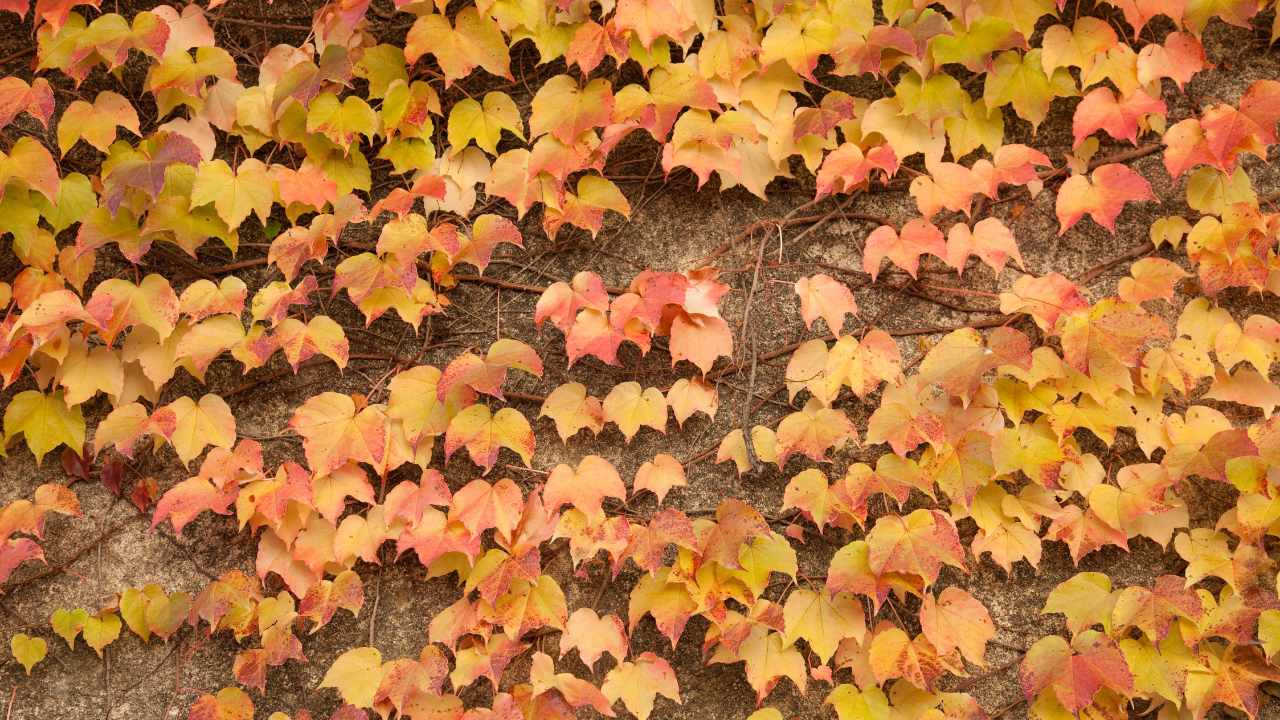
Ornamental Climbing Plants – What to Consider?
When deciding on climbing plants for your garden, it's worth carefully considering your choice so the plant not only grows well but also fulfills decorative and practical functions. Understanding how to design garden spaces effectively can help you make better plant choices. Here are several important aspects that will help you make the right choice for your garden arrangement:
- Check what type of growth habit the plant has – some attach themselves, others twine or need guidance. This is important to match the climbing plant to the structure it will climb.
- Vigorous or slow-growing – If you want quick garden greening, choose species that create large masses of greenery – perfect for shading gazebos, screening fences, or creating green walls. When planning your plant budget, use a landscape pricing calculator to estimate costs for different climbing plant options.
- Pay attention to showy flowers – some climbers like clematis or trumpet vine bloom exceptionally showily and for long periods, being the main garden ornament throughout the season.
- Growing conditions are fundamental – different plants have different requirements for sun and soil type, so it's good to match the species to the location.
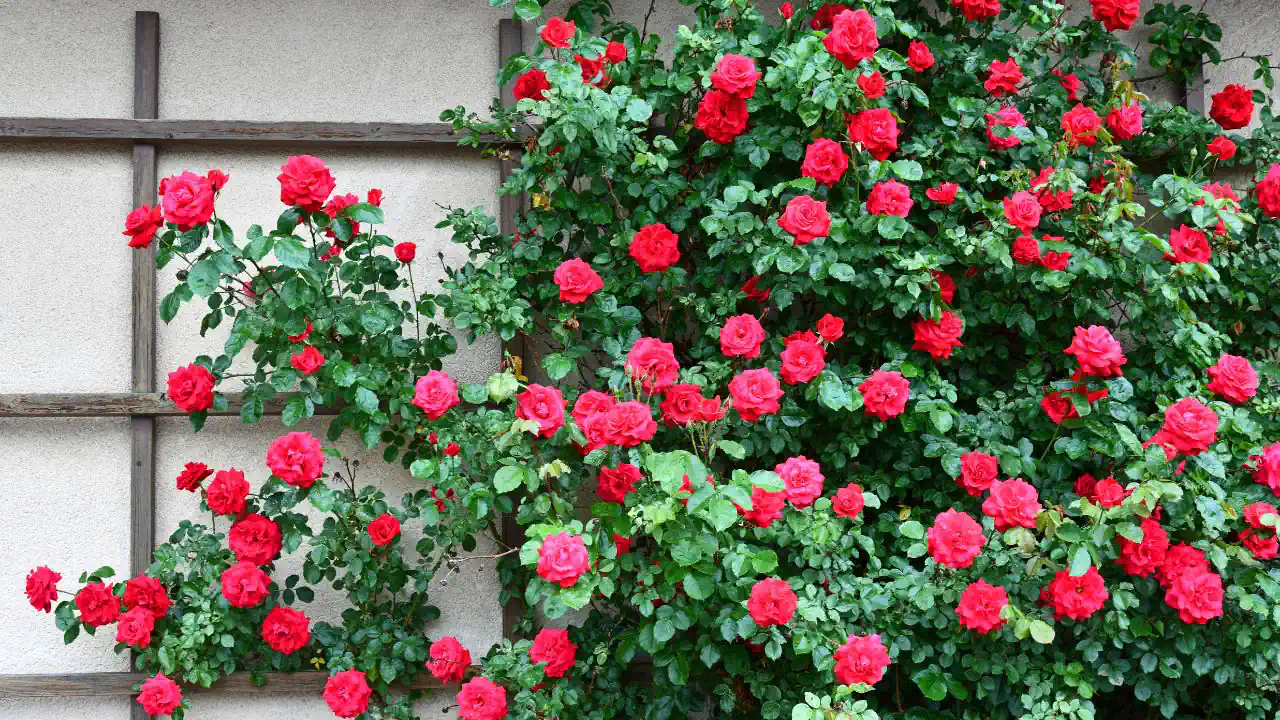
Well-chosen climbing plants will not only add charm to your garden beds, make garden establishment easier, help achieve the desired effect, be easy to maintain, and quickly reward you with vigorous growth. For comprehensive planning guidance, consider professional landscape garden design consultation.
Flowering Garden Climbers – For Fences and Beyond
If you dream of a garden full of colors and fragrances, flowering climbing plants are a perfect choice. These exceptional flowering plants not only climb effectively but also delight with diversity of forms and colors. Many gardeners combine these with climbing plants garden strategies for maximum visual impact.
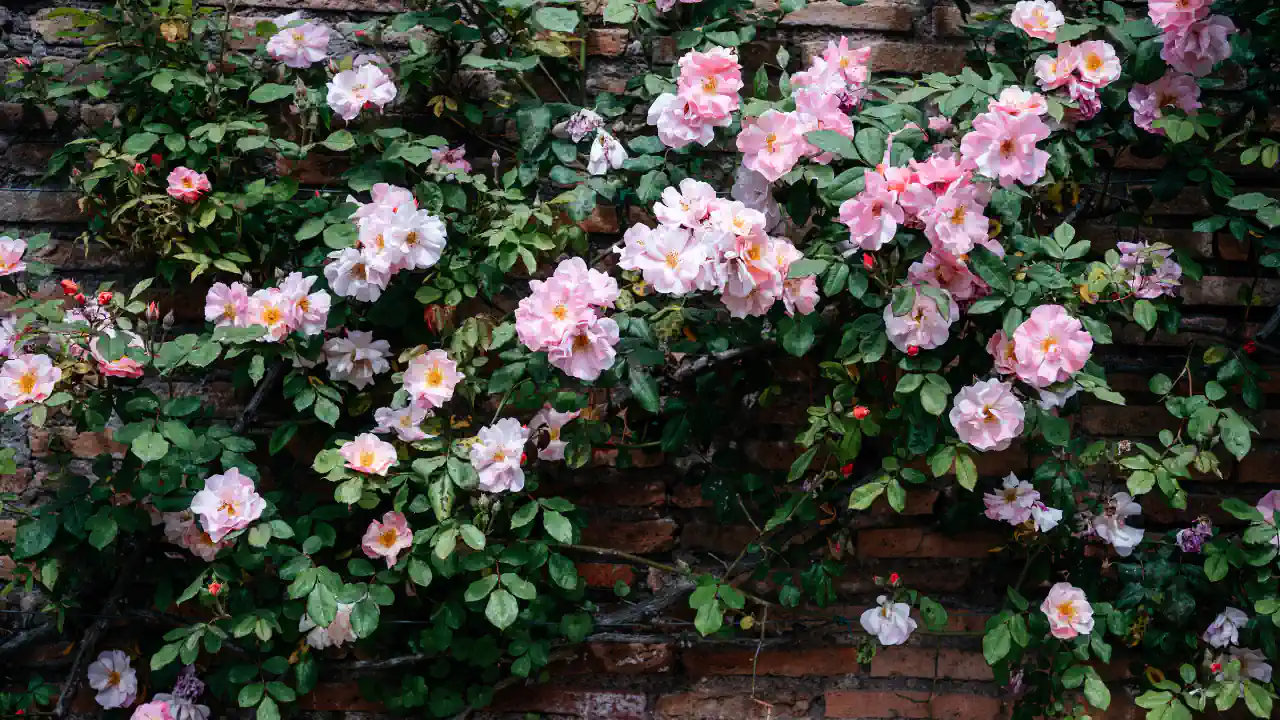
🌿 Clematis – Clematis spp.
Clematis are perennial climbers reaching 2 to 4 meters in height, depending on variety. They prefer sunny or partially shaded locations with shaded plant bases. They grow best in fertile, well-draining soil with neutral pH. The ornamental feature is large, colorful flowers of various shapes and colors that appear from spring to autumn. They require supports and regular watering and fertilizing.
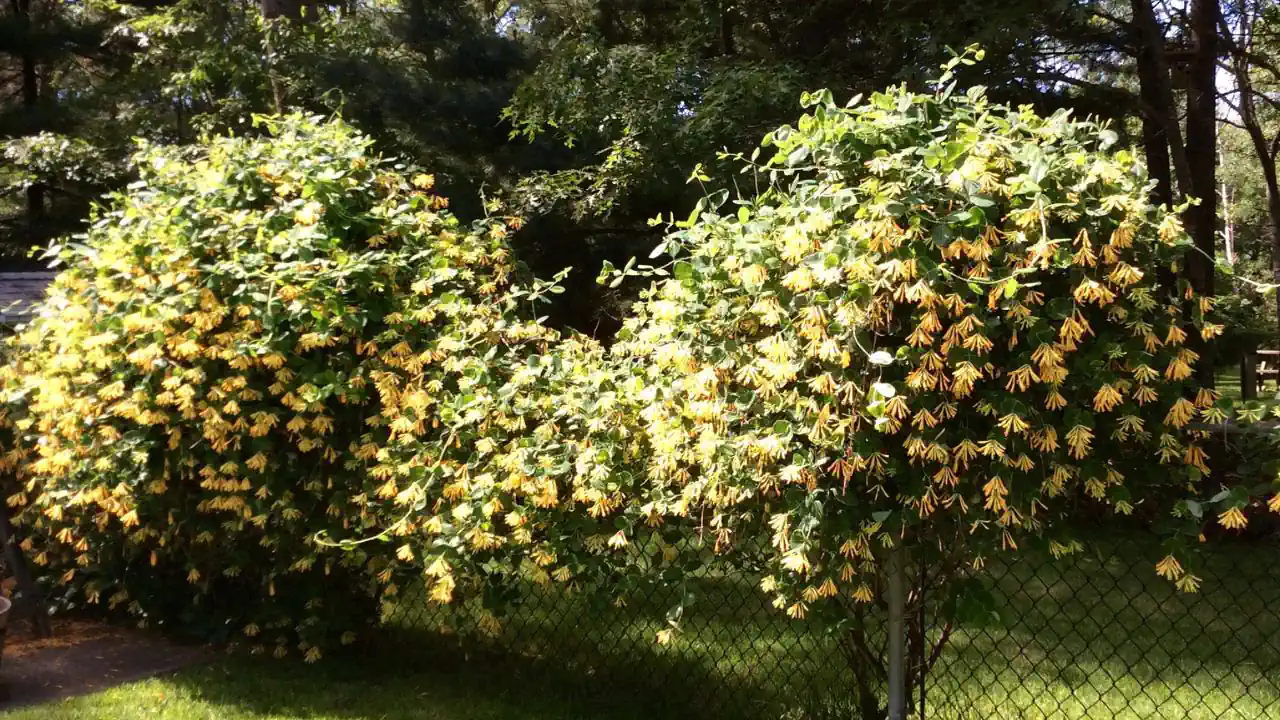
🌿 Honeysuckle – Lonicera caprifolium
Honeysuckle is a vigorously growing climbing plant reaching up to 6 meters in height. It grows best in sunny or partially shaded locations in fertile, well-draining soil with neutral or alkaline pH. The ornamental feature is tubular, fragrant flowers in shades of cream, yellow, and pink that appear from June to August. The plant is moderately frost-hardy, so in cooler regions it's worth planting in wind-sheltered locations.
🌿 Climbing Hydrangea – Hydrangea anomala subsp. petiolaris
Climbing hydrangea is a slow-growing, perennial climber reaching 10–20 meters in height. It prefers shaded or partially shaded locations and acidic, humus-rich, moist soils. The ornamental features are white, flat-topped flower clusters appearing from June to July and dark green leaves that turn yellow in autumn. The plant climbs using aerial roots and is completely frost-hardy.
🌿 Climbing Roses – Rosa spp.
Climbing roses are perennial shrubs reaching 2 to 4 meters in height. They grow best in sunny locations in fertile, well-draining soil with neutral pH. The ornamental feature is large, full flowers in various colors that appear from June to October. These plants require supports and regular pruning to maintain proper form and abundant flowering.
Fast-Growing Climbing Plants – Perfect for Screening Fences
When you need lightning-fast garden greening, it's worth choosing fast-growing plants that will quickly create dense screening or an effective green wall. Such climbing plants like trumpet vine are not only ornamental plants but also practical solutions when you need quick results. Understanding garden zoning principles helps determine the best placement for these vigorous growers. Check which fast-growing climbing plants work best in your space.
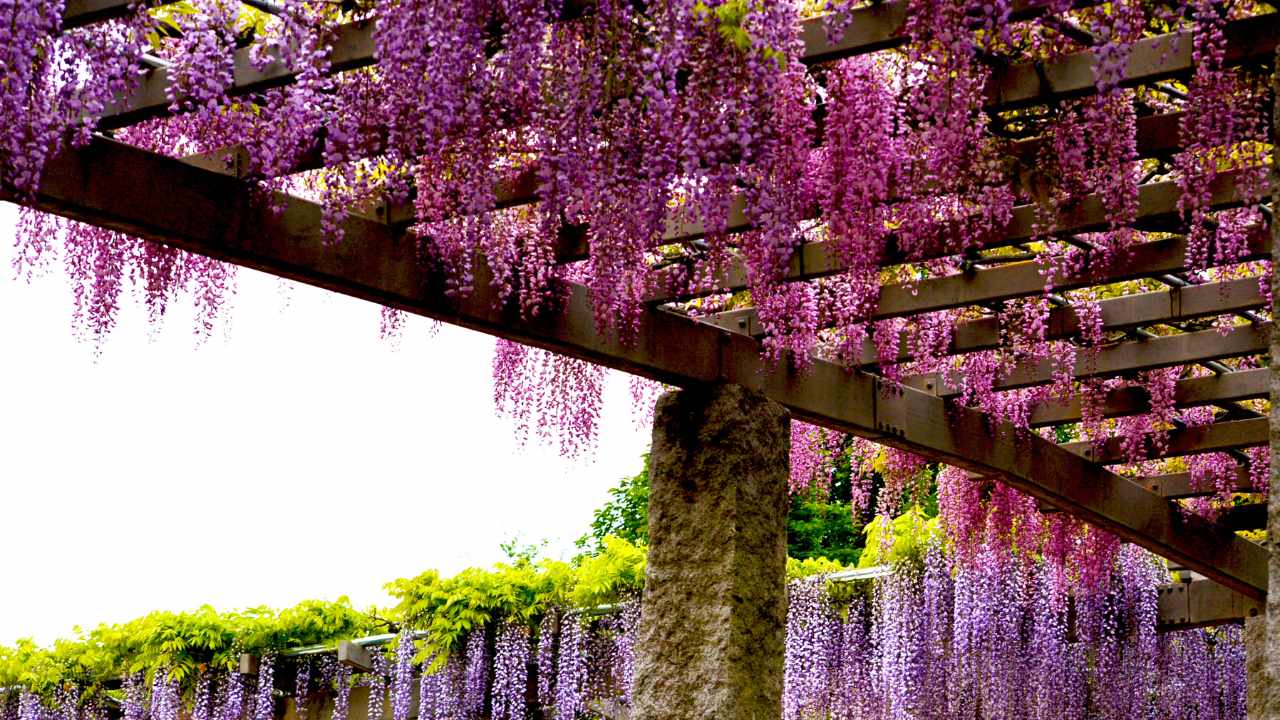
🌿 Chinese Wisteria (Wisteria sinensis)
A perennial climber with impressive growth, reaching 10–15 meters in length. It prefers sunny locations sheltered from wind, with fertile, well-draining, slightly acidic soil. The ornamental feature is spectacular, fragrant flowers in shades of purple, white, or pink gathered in hanging clusters. The plant requires strong supports and regular pruning to encourage flowering and control growth.
🌿 Trumpet Vine (Campsis radicans)
A vigorously growing climber reaching 6–10 meters. It grows best in sunny locations in fertile, humus-rich soil with clay content. The ornamental feature is large, trumpet-shaped flowers in shades of red and orange appearing from July to September. The plant is frost-resistant, but young specimens should be protected for winter.
🌿 Oriental Bittersweet (Celastrus orbiculatus)
A perennial climber reaching up to 12 meters in length. It prefers sunny or partially shaded locations and well-draining, moderately moist soils. The ornamental feature is decorative orange fruits appearing in autumn. However, it should be noted that Oriental bittersweet is an invasive species and its cultivation in Poland is prohibited.
🌿 Russian Vine (Fallopia baldschuanica)
The fastest-growing climbing plant in Poland, reaching up to 15 meters in length during one season. It grows best in sunny locations in fertile, moderately moist soil. The ornamental feature is small white flowers gathered in panicles appearing from August to October. The plant is moderately frost-resistant and requires root system protection for winter.
🌿 Common Hop (Humulus lupulus)
A perennial climber growing to 6–8 meters. It prefers sunny or partially shaded locations and fertile, well-draining, moderately moist soils. The ornamental feature is characteristic green cones appearing in summer. The plant is completely frost-hardy and easy to grow. When calculating soil amendments for hop cultivation, consider using a soil calculator to determine proper soil volumes needed.
🌿 Common Grape Vine (Vitis vinifera)
A vigorously growing climber reaching up to 20 meters in length. It prefers warm, sunny locations and fertile, well-draining soils. The ornamental feature is spherical fruits in shades of yellow, red, or dark blue ripening from September to November. The plant requires regular pruning to control growth and improve fruiting. Grape vine is perfect for covering pergolas, gazebos, or fences, creating effective green walls and adding charm to the space. For proper mulching around grape vine plantings, use a mulch calculator to determine coverage needs and maintain soil moisture.
Ornamental Climbing Plants for Shade
Not every garden is bathed in sunlight – fortunately, there are ornamental climbing plants for shade that cope excellently in less sunny corners. Such plants like climbing hydrangea or evergreen climbing plants look beautiful even in shade, creating green walls with decorative, heart-shaped leaves. These shade-tolerant options work particularly well in front yard landscaping where buildings create natural shade patterns. If you're looking for an effective climber that loves shade and is easy to grow – this section is for you.
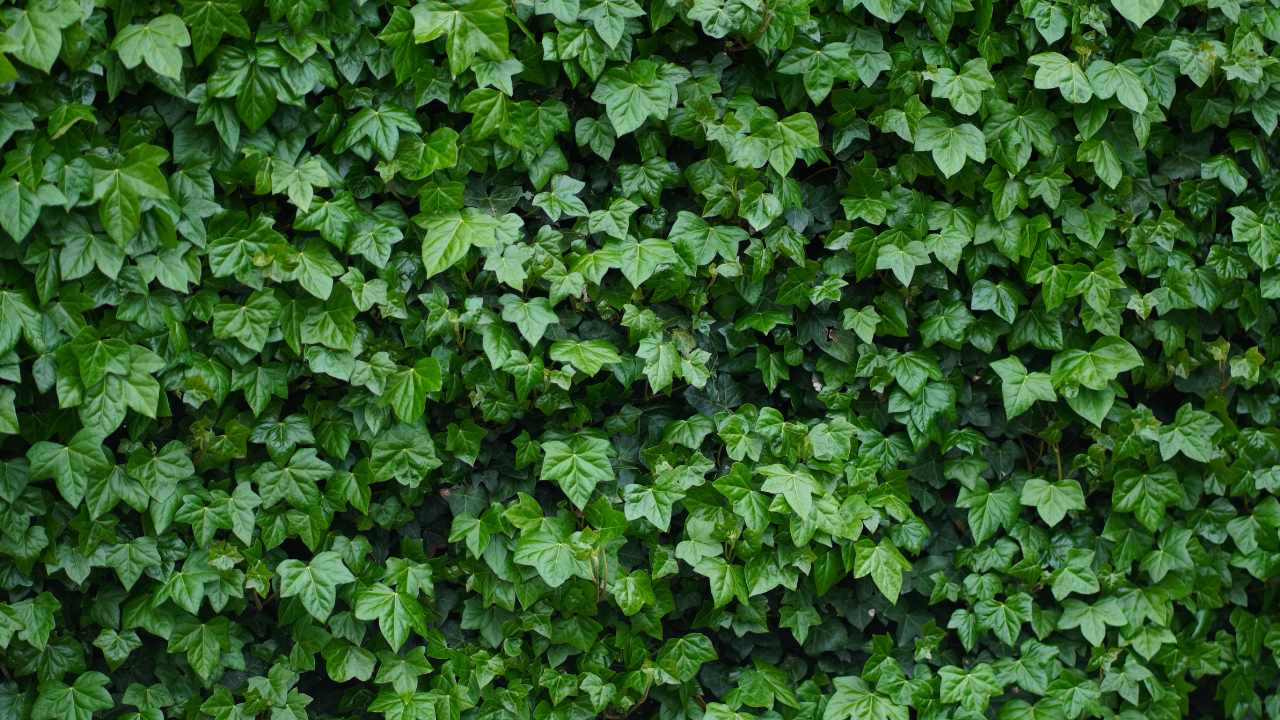
🌿 Common Ivy (Hedera helix)
A perennial, evergreen climber growing to 20–30 meters in length. It prefers shaded or partially shaded locations and fertile, humus-rich, moist soils. The ornamental feature is decorative, dark green leaves with characteristic shape. The plant is completely frost-hardy and perfect for covering walls, fences, or as ground cover.
🌿 Clematis (Clematis spp.)
A perennial climber reaching 2 to 4 meters in height depending on variety. It prefers sunny or partially shaded locations with shaded plant bases, and fertile, well-draining soils with neutral pH. The ornamental feature is large, colorful flowers of various shapes and colors appearing from spring to autumn. It requires supports and regular watering and fertilizing.
🌿 Japanese Hydrangea Vine (Schizophragma hydrangeoides)
A perennial climber growing to 4–6 meters in length. It prefers partially shaded or shaded locations and fertile, humus-rich, moist soils with acidic to neutral pH. The ornamental features are large, flat flower clusters resembling hydrangea flowers appearing from June to July, and decorative heart-shaped leaves that turn yellow in autumn. The plant climbs using aerial roots and is quite frost-resistant.
🌿 Henry's Honeysuckle (Lonicera henryi)
An evergreen climber growing to 3 meters in length. It prefers sunny or partially shaded locations and fertile, well-draining, moderately moist soils. The ornamental features are tubular purple flowers appearing from June to July and lanceolate, glossy leaves that don't fall in winter. The plant is frost-resistant and perfect for covering pergolas, gazebos, or fences.
Climbing Plants for Balconies
Want to create a green corner on your balcony or patio? Climbing plants are an excellent choice – they can climb, creating natural screening, shade, and amazing atmosphere. When designing outdoor entertainment areas, consider incorporating climbing plants alongside features like backyard fire pit ideas for year-round appeal. Exotic climbing plants in containers not only decorate the space but also fill it with beautiful fragrance, transforming your balcony into a cozy oasis.
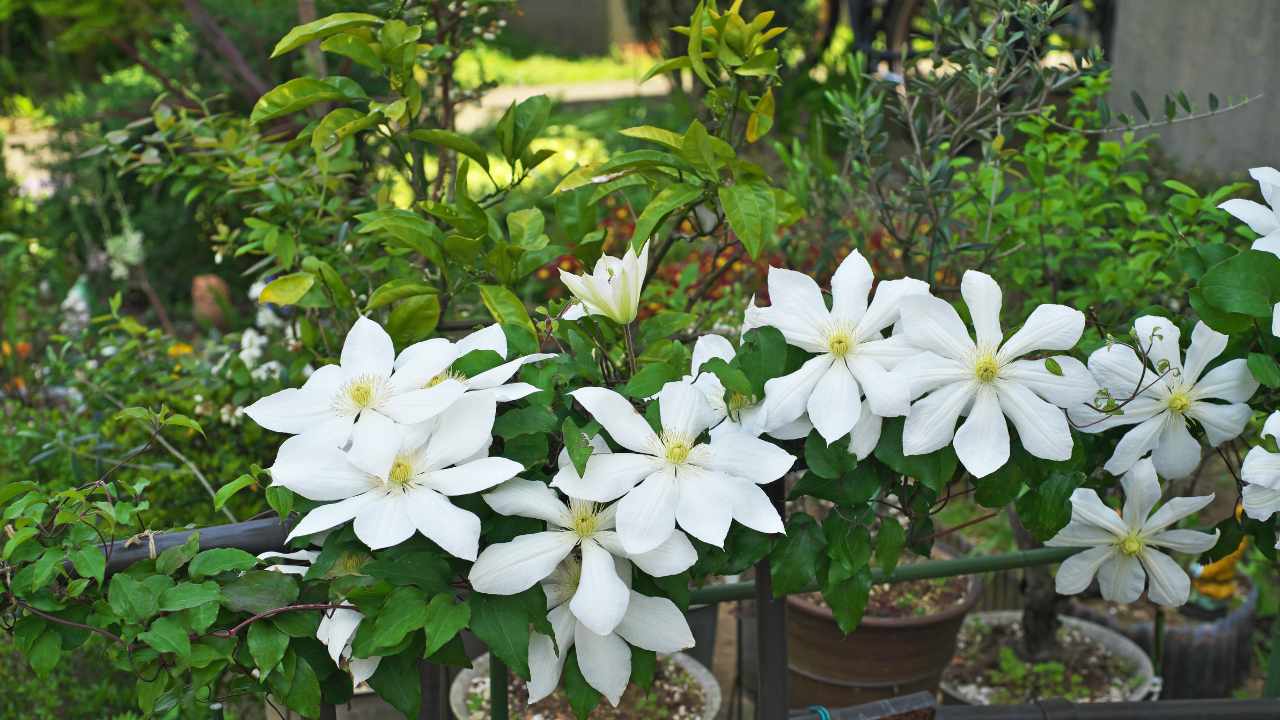
Clematis (Clematis spp.)
A perennial climber growing to 2–3 m. It prefers sunny or partially shaded locations. The ornamental feature is large, colorful flowers of various shapes and colors. It requires supports and fertile, well-draining soil.
Cup and Saucer Vine (Cobaea scandens)
An annual climber reaching 3–4 m in length. It likes sunny locations sheltered from wind. It's characterized by large, bell-shaped flowers in purple or white.
Black-Eyed Susan Vine (Thunbergia alata)
An annual climber growing to 1.5–2 m. It prefers sunny, warm locations. The ornamental feature is intensely orange or yellow flowers with dark centers.
Blue Passion Flower (Passiflora caerulea)
A perennial climber reaching up to 10 m in length. It likes bright places sheltered from direct sun. It's characterized by exotic blue-white flowers up to 10 cm in diameter.
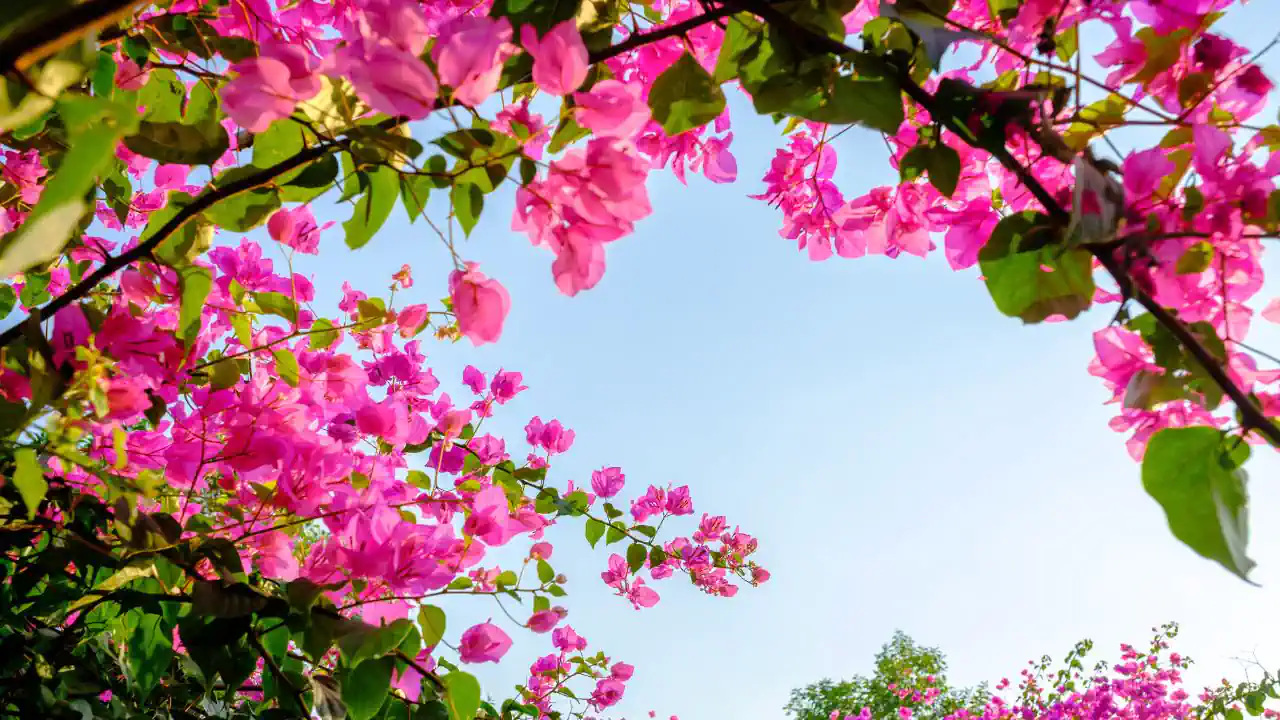
Bougainvillea (Bougainvillea glabra)
A perennial climber growing to 3–5 m. It prefers sunny, warm locations. The ornamental feature is intensely colored bracts in shades of pink, purple, red, or white.
Transform Your Garden with Expert Climbing Plant Selection
Creating the perfect vertical garden with climbing plants requires careful planning and expert knowledge of plant characteristics and growing requirements. Professional landscape architecture company expertise ensures optimal plant placement and long-term success. For detailed cost planning, review current landscape design cost information.

For personalized guidance on incorporating these beautiful climbers into your landscape design, consider a professional garden design consultation and discover how expert planning can bring your landscaping vision to life.
Beautiful Garden Climbing Plants – Summary
The most beautiful climbing plants are an excellent complement to any garden – they add lightness, color, and structure, perfectly composing with other flowers and ornamental shrubs. Whether you're planning to landscape a building wall, pergola, or fence, properly chosen climbing plants with ornamental values will enrich your garden's character. When choosing climbing plants, you can easily match something for every garden – both sunny and shaded. For more comprehensive planning guidance, explore our garden design blog for additional tips and inspiration.
FAQ – Most Common Questions About Popular Garden Climbing Plants
What are the best perennial climbing plants for gardens?
The most popular perennial climbers include common ivy, Virginia creeper, trumpet vine, honeysuckle, and clematis. They are hardy, spread quickly, and provide lasting decorative effect for many seasons.
Which climbing plants have the most beautiful flowers?
The most spectacular flowers are found on clematis, honeysuckle, trumpet vine, and wisteria. Their flowers are large, colorful, often fragrant, and remain on the plant for long periods.
Which climbing plants climb best on supports?
Plants that easily climb include ivy, Virginia creeper, honeysuckle, and hop. They have special tendrils, aerial roots, or twining stems that allow them to climb walls, trellises, and pergolas without problems.
What should you pay attention to when growing climbing plants?
Successful climbing plant cultivation depends on proper location, soil type, supports, and care. Most climbers require fertile, well-draining soil, regular watering and pruning, and some need wind protection. The structure the plant will climb is also important. To avoid common pitfalls, review these garden design mistakes before planting.
What are fast-growing perennial climbing plants?
The most popular fast-growing perennial garden climbers include trumpet vine, honeysuckle, Virginia creeper, and common ivy. Unlike annual climbers, they provide lasting effect and don't require yearly planting.
Which climbing plant is grown as an ornamental plant?
The most popular ornamental climbing plants are clematis, climbing roses, and trumpet vine. These are plants that beautifully decorate fences, pergolas, and walls, being true garden ornaments.
What are beautiful flowering climbing plants?
Beautiful flowering plants include clematis, honeysuckle, trumpet vine, and wisteria. These are flowering species that bloom abundantly for many weeks, giving the garden exceptional character.
What climbing plants bloom instead of wisteria?
Instead of wisteria, consider planting garden climbers like trumpet vine, clematis, grape vine, or honeysuckle. These are some climbing species that bloom equally effectively and are less demanding.
Which climbing plants don't shed leaves in winter?
Evergreen climbing plants like common ivy maintain their leaves year-round. Unlike most climbers, they don't lose foliage in winter and maintain their decorative function.
Which climbing plants grow fastest?
Fast-growing plants include trumpet vine, Virginia creeper, honeysuckle, and hop. Such climbing plants quickly cover pergolas and other garden structures.
When do we plant climbing plants in the ground?
Climbing plant seedlings are best planted in early spring when the soil is thawed and temperature is stable. It's best to choose locations with sun access and fertile soil. For comprehensive planting guidance, review landscape design basics to understand optimal timing and placement strategies.
What to plant for fast growth?
To achieve quick effect, consider planting climbing shrubs, ground cover plants, or ornamental shrubs that climb on supports. Perennial garden climbers are especially recommended. For detailed cost analysis of different options, consult landscape design pricing information to make informed decisions.
Which evergreen climbing plants grow fastest?
Among evergreen climbers, common ivy and Virginia creeper grow fastest. They work excellently on walls, fences, and pergolas.
Which climbing plants grow quickly on pergolas?
For covering pergolas and gazebos, trumpet vine, clematis, honeysuckle, and Virginia creeper are ideal. These are climbers that readily climb around supports and prefer sunny locations. When planning irrigation for pergola plantings, consider using a water usage calculator to estimate ongoing maintenance costs.
Which climbing plant for full sun?
For full sun, Virginia creeper, wisteria, trumpet vine, and clematis are recommended. They tolerate intense radiation well, bloom beautifully, and may change color in autumn.
Which ornamental shrub grows fastest?
The fastest-growing ornamental shrub includes climbing hydrangea, honeysuckle, or Virginia creeper. It creates large masses of greenery and looks effective throughout the season. For understanding broader design principles that incorporate fast-growing elements, explore landscape design concepts to create cohesive garden designs.

Wojciech Kazimierowicz – Author of the Article
Co-owner of Wytwórnia Zieleni and an expert in garden design and landscaping with over 13 years of experience. He specializes in creating modern, functional green spaces tailored to the budget and needs of homeowners.

Find Out How Much Your Garden Design Will Cost!
Take a quick quiz and discover the estimated cost of a custom garden design tailored to your needs. No strings attached – it takes just 2 minutes!


Wytwórnia Zieleni | Garden Design
KRS 0001107384 NIP 6452587627 REGON 528715049 St. Strzelców Bytomskich 51/1 42-600 Tarnowskie Gory, Poland
Resources
© Wytwórnia Zieleni 2026


