Planter Soil Calculator: Calculate the Perfect Amount and Cost of Potting Soil
Table of contents
Calculate the Perfect Amount and Cost of Potting Soil
Planning your container garden or raised bed project? Our soil calculator helps you determine exactly how much potting soil you need and estimate the total cost. Whether you're filling planters, raised beds, or individual pots, accurate potting soil calculations ensure healthy plant growth while preventing waste and overspending.

The planter soil calculator provides estimates based on simplified assumptions and serves informational purposes only. Results may vary from actual costs due to soil settling, root ball sizes, and substrate type variations. Calculate your garden soil needs using our additional garden soil calculator.
Why use a soil calculator?
Calculating the right amount of potting soil is crucial for successful container gardening. How much soil do I need is a question frequently asked by people beginning their gardening and plant cultivation adventures. Using precise calculations helps you avoid overspending on materials while ensuring your plants have adequate growing medium for optimal health.
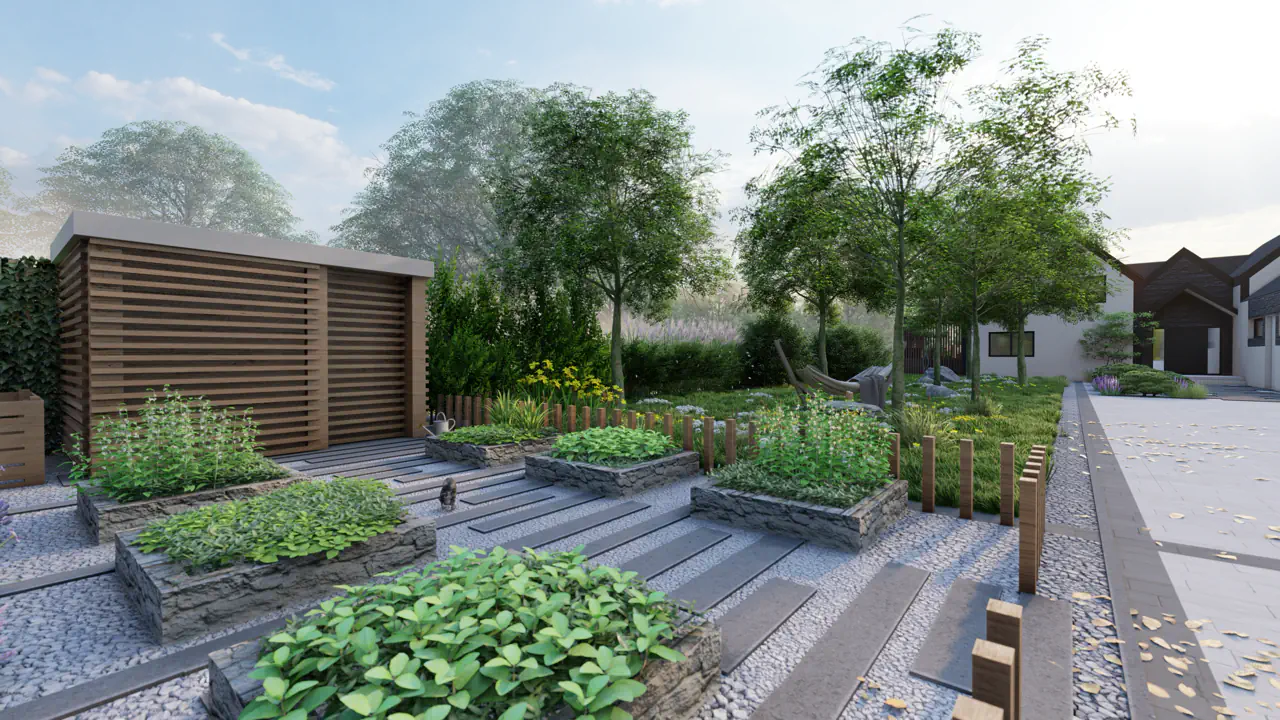
Key benefits of using a potting soil calculator:
- Prevents waste - Buy only the amount you actually need
- Saves money - Avoid overordering expensive potting mix
- Ensures plant health - Adequate soil volume for root development
- Improves drainage - Proper soil-to-drainage ratios
- Simplifies planning - Know exactly how many bags to purchase
Modern gardeners increasingly rely on container gardening soil for vegetables, herbs, and ornamental plants. This soil calculator allows you to measure the volume of soil needed for your container, whether you want to have a raised bed in your garden or rearrange your blooming balcony.
How to calculate soil volume for different container shapes
Understanding container geometry is essential for accurate soil calculations. Different planter shapes require specific mathematical formulas to determine their volume capacity using a garden soil calculator. Professional landscape design services often incorporate these calculations into comprehensive garden planning.
Rectangular planters and raised beds
Rectangular containers are the most common choice for vegetable gardens and herb growing. The raised bed soil calculator formula is straightforward:
Volume = Length × Width × Height
For example, a planter measuring 80cm × 40cm × 30cm requires: 80 × 40 × 30 = 96,000 cubic centimeters = 96 liters of soil
Let's assume you are using rectangle pots, 5 of them, to be precise. The dimensions of these pots are 24 cm, 18 cm, and 10 cm in length, width, and depth. Using this formula, each pot would need 4.32 liters of soil. For comprehensive garden planning that includes container layouts, explore our detailed garden design guide.
Circular pots and containers
Round containers require a different approach using the cylinder volume formula for the pot soil calculator:
Volume = π × (diameter ÷ 2)² × height
For a round pot with 30 cm radius and 10 cm depth, the amount of potting soil needed uses the volume of a cylinder formula. This plant soil calculator ensures accurate soil estimates for traditional flower pots and large circular planters.
Tapered and specialty containers
Many decorative pots have tapered sides, requiring the truncated cone formula for the container soil calculator:
Volume = (1/3) × π × depth × (r² + r × R + R²)
Where r = bottom radius and R = top radius. This potting mix calculator can select between three different shapes and finds the volume according to specific formulas for each container type. For more inspiration on integrating planters into your overall design, check our garden design examples.
Drainage considerations in soil calculations
Proper drainage is critical for container success, especially in raised beds and large planters. Most containers require a drainage layer at the bottom, which reduces the actual soil volume needed. Understanding drainage requirements is essential for successful garden beds design and planning.
Standard drainage layer thickness
- Small pots (under 30cm) - 3-5cm drainage layer
- Medium planters (30-60cm) - 5-10cm drainage layer
- Large raised beds (over 60cm) - 10-15cm drainage layer
Drainage materials and their impact
Common drainage materials include:
- Expanded clay pebbles - Lightweight, excellent drainage
- Gravel or stone - Heavy but effective, good for stability
- Broken pottery - Recycled option, variable drainage
- Pumice or perlite - Ultra-lightweight, professional grade
Use a garden fork or shovel to loosen the native soil to a depth of 6-10″. This will improve drainage and moisture retention in the raised beds. Proper drainage preparation is essential before adding your calculated soil volume. Consider using our mulch calculator to determine appropriate drainage materials.
Soil weight and transportation planning
Understanding soil weight helps plan transportation and structural support for your containers. To calculate the weight of a cubic yard of soil, you simply have to multiply the volume by its density using our soil volume calculator.
Typical soil weights per volume
- Dry potting mix - 400-600 kg per cubic meter
- Moist container gardening soil - 600-800 kg per cubic meter
- Wet/saturated soil - 800-1000 kg per cubic meter
- Standard garden soil - 1200-1500 kg per cubic meter
For container gardening, lightweight potting mixes are preferred as they reduce structural load while providing excellent drainage and aeration. Use our garden soil calculator to determine total weight requirements.
Cost estimation and budget planning
Accurate cost estimation helps budget your container gardening project effectively. Soil prices vary significantly based on quality, brand, and purchasing method. Use our comprehensive garden cost calculator to estimate your complete project expenses including containers, soil, and plants.
Factors affecting potting soil costs
- Soil quality - Premium organic mixes cost more than basic potting soil
- Purchase volume - Bulk purchases offer better per-liter pricing
- Brand reputation - Name brands typically cost 20-40% more
- Seasonal timing - Spring prices are often higher due to demand
- Geographic location - Shipping costs affect regional pricing
Bagged vs. bulk soil purchasing
Bagged soil advantages:
- Convenient for small projects
- Consistent quality and mixing
- Easy transportation and storage
- No minimum purchase requirements
Bulk soil advantages:
- Lower per-unit costs for large projects
- Less packaging waste
- Fresh mixing possible
- Delivery available for large quantities
If you'll be filling more than one raised bed, you may want to buy your soil in bulk — by the cubic foot or cubic yard. Use our raised bed soil calculator to determine when bulk purchasing becomes cost-effective for your container gardening soil needs. Professional comprehensive garden planning services can help optimize your soil purchasing strategy.
Soil mixing ratios for optimal plant growth
Creating the ideal growing medium requires understanding proper soil component ratios. Generally, a good proportion is 60% topsoil, 30% compost, and 10% potting mix if you are growing flowers, 20% compost and 70% topsoil if planting vegetables. For specific vegetable container layouts, consult our vegetable garden layout guide.
Container-specific soil mixes
Vegetable containers:
- 50% quality potting mix
- 30% aged compost
- 20% perlite or vermiculite
Flower planters:
- 60% premium potting soil
- 25% compost
- 15% drainage amendments
Herb gardens:
- 40% potting mix
- 30% compost
- 20% coarse sand
- 10% perlite
Drainage enhancement techniques
Improving soil drainage prevents root rot and promotes healthy growth:
- Add perlite - Increases aeration and drainage
- Include coarse sand - Improves drainage without adding weight
- Mix in bark chips - Provides long-term drainage improvement
- Use coconut coir - Sustainable drainage enhancement
Seasonal soil management and replacement
Container soils require more frequent attention than garden beds due to limited volume and faster nutrient depletion.
Annual soil refreshing
Yes, you can use the old soil in your pots, planters and raised beds. Just start the season with a special boost that ensures good results. Annual soil management includes:
- Remove spent plants and debris
- Add fresh compost - 20-30% by volume
- Mix in slow-release fertilizer - According to package directions
- Fluff existing soil - Break up compacted areas
- Top dress with new potting mix - 2-5cm fresh layer
Signs that soil needs replacement
- Poor drainage - Water pools on surface
- Compacted texture - Soil feels hard and dense
- Root circling - Plants become root-bound quickly
- Nutrient deficiency - Plants show yellowing despite fertilizing
- Pest problems - Soil-borne insects or diseases
Advanced container gardening techniques
Modern container gardening incorporates sophisticated techniques to maximize productivity and plant health. Working with an experienced landscape architecture firm ensures your container garden integrates seamlessly with your overall landscape design.
Sub-irrigation systems
Self-watering containers reduce maintenance while improving plant growth:
- Water reservoir - Built-in bottom chamber
- Wicking system - Draws water up to root zone
- Overflow drain - Prevents waterlogging
- Soil volume calculation - Accounts for reservoir space
Vertical growing considerations
Vertical planters and tower gardens require special soil considerations:
- Lightweight mixes - Reduce structural load
- Enhanced drainage - Prevents water accumulation
- Stable plant support - Soil must anchor plants securely
- Nutrient density - Concentrated fertilization needed
For outdoor lighting around your container garden, use our outdoor lighting calculator to plan illumination that showcases your plantings.
Succession planting in containers
Maximize harvest through strategic replanting:
- Soil volume planning - Calculate for multiple plantings
- Nutrient management - Sustained feeding through season
- Root space allocation - Adequate soil for plant maturity
- Companion planting - Optimize soil utilization
Consider incorporating seating areas near your containers using our outdoor seating area design ideas for a complete garden experience.
Transform your container garden with precise planning
Successful container gardening starts with accurate soil calculations and proper planning. Our planter soil calculator eliminates guesswork, ensuring your plants have the perfect growing environment while optimizing your garden budget.

Whether you're creating a productive vegetable garden, designing a decorative flower display, or establishing a sustainable herb collection, proper soil volume calculation is your foundation for success. Start planning your dream container garden today with confidence in your soil calculations.
For comprehensive garden planning that incorporates containers into your overall landscape design, get a professional garden design consultation and discover how expert planning can bring your container garden vision to life.
Frequently asked questions
How do I calculate the amount of soil needed for my planter?
To calculate soil volume, measure your planter's dimensions and multiply length × width × height for rectangular containers, or use π × (diameter ÷ 2)² × height for round pots. Our soil calculator allows you to measure the volume of soil needed for your container with automatic calculations for different shapes.
How much potting soil should I put in a planter box?
Fill planters to within 2-5cm of the rim, leaving space for watering and soil settling. For containers with drainage layers, subtract the drainage thickness from total height before calculating soil volume. The exact amount depends on your container size and plant requirements.
How do I calculate soil quantity for an 80cm planter box?
For an 80cm planter, you need all three dimensions. If it's 80cm × 40cm × 30cm, the soil calculator calculation is: 80 × 40 × 30 = 96,000 cubic centimeters = 96 liters of potting soil. Always subtract drainage layer thickness from the height dimension.
How many seedlings fit in a 40cm diameter planter?
For a 40cm diameter planter, you can typically plant 2-3 medium-sized plants, depending on their mature size and growth requirements. Space plants according to their adult spread rather than current size.
How much soil do I need for my container garden?
Soil needs depend on container size and quantity. Use the formula: Volume per container × Number of containers = Total soil needed. Our calculator is a flexible tool, so you can calculate everything the other way round: if you have a bag of soil and the size of your containers, you can estimate how many pots can be filled.
How much does a cubic meter of potting soil weigh?
The weight of 1 cubic meter of potting soil varies from 400-800kg depending on moisture content and composition. Dry potting mix weighs less than moist soil, and premium lightweight mixes weigh considerably less than standard potting soil.
Which plants prefer tight containers?
Some plants like orchids, succulents, and peace lilies can thrive in tight containers as long as their roots don't completely fill the space. These plants often prefer restricted root space and may bloom better when slightly pot-bound.
How do I prepare soil for container planting?
Prepare container soil by mixing quality potting mix with compost and drainage amendments. Most manufacturers offer ready-made mixtures that account for plant needs, or you can create custom blends based on your specific plants and growing conditions.
How many seedlings can I plant in a 60cm diameter container?
In a 60cm diameter planter, you can typically plant 3-5 seedlings, depending on their mature size and spacing requirements. Consider the plants' adult dimensions rather than their current seedling size when planning spacing.
Do succulents prefer tight containers?
Yes, succulents thrive in tight containers because restricted space supports their growth patterns and prevents overwatering. Use well-draining soil and containers that allow slight drying between waterings.
How should I prepare soil for container gardening?
Container soil should be enriched with nutrients like compost and drainage-improving materials such as perlite or coarse sand. Ensure the soil is adapted to your specific plant requirements and provides adequate drainage while retaining necessary moisture. For comprehensive container gardening techniques, explore our detailed container gardening guide.
How much does 20 liters of potting soil weigh?
Twenty liters of potting soil typically weighs 5-10 kg, depending on composition and moisture content. Lightweight potting mixes weigh less than standard garden soil due to their aerated structure and organic components.
What should I put under the soil in containers?
Place a drainage layer such as expanded clay, gravel, or broken pottery shards at the bottom of containers. You can also use inverted plastic pots as drainage material. This prevents waterlogging and improves overall soil health.
How many liters does a 40cm diameter pot hold?
A 40cm diameter pot typically holds 15-20 liters, depending on its height and shape. Use the cylinder volume formula (π × radius² × height) to calculate exact capacity for your specific container dimensions.
What can I use instead of potting soil?
Alternative growing media include coconut coir, expanded clay, or hydroponic mixtures suitable for specific plants. These alternatives work well for particular plant types but may require different nutrient management.
What can I substitute for perlite in containers?
Instead of perlite, use vermiculite, coarse sand, or fine gravel as drainage amendments. These materials provide similar aeration and drainage benefits while being more readily available in some regions. For more guidance on soil amendments and landscape design elements, consult professional resources.
How do I plant in containers without drainage holes?
For containers without drainage holes, create a substantial drainage layer using gravel or expanded clay. However, it's safer to drill drainage holes so water can freely escape, preventing root rot and soil saturation issues.
Don't wait, click below and find out how much a garden design costs!

Wytwórnia Zieleni | Garden Design
KRS 0001107384 NIP 6452587627 REGON 528715049 St. Strzelców Bytomskich 51/1 42-600 Tarnowskie Gory, Poland
Resources
© Wytwórnia Zieleni 2026


