Home vegetable garden design ideas for growing fresh produce
A home vegetable garden provides fresh produce, supports healthy habits, and creates a functional outdoor zone when properly planned. It is suitable for homeowners with access to sun, water, and basic infrastructure who want long-term food production and practical garden use.
TL;DR
- A home vegetable garden delivers fresh produce, education value, and outdoor family time.
- It can range from micro container setups to large 1,000–2,000 sq ft growing zones.
- Success depends on sun exposure, soil quality, water access, and proper layout planning.
- Raised beds, irrigation systems, composters, and greenhouses improve efficiency and yields.
- Even small gardens can support productive vegetable growing with smart space design.
Published
16 March 2026
Share this article


 Copied
TOC
- Home vegetable garden – is it right for you?
- Why is it worth having a home vegetable garden?
- What did the home vegetable garden give us?
- Types of vegetable gardens – from micro to large
- Plants ideal for vegetable garden
- What's worth having in a vegetable garden?
- Types of home vegetable gardens – characteristics
- How to plan space for home vegetable garden?
- Materials and finishes for vegetable zone – vegetable garden inspirations
- Start your home vegetable garden journey today!
- Frequently asked questions about vegetable gardens (FAQ)
- How much does building a vegetable garden cost?
- What are the types of vegetable gardens?
- How to make a vegetable garden in boxes?
- What plants for vegetable garden for beginners?
- How to build a pallet vegetable garden?
- What soil for vegetable garden is best?
- Does a small vegetable garden in a small garden make sense?
- Where to place vegetable garden in the garden?
- How does wooden vegetable garden differ from concrete?
- What are the best vegetable garden inspirations for small garden?
Home vegetable garden – is it right for you?
A home vegetable garden is an increasingly popular solution that combines the pleasure of working with greenery with practical benefits. Your own vegetable garden is not only a source of fresh, healthy vegetables, but also quality time spent together and a break from the television and phone screens. It's a design element that enhances the aesthetics of space and provides numerous benefits through modern garden design principles.

A modern vegetable garden can take various forms – from minimalist raised beds to extensive growing zones with greenhouses and composting areas. Thanks to thoughtful garden design guide, your home vegetable garden becomes a functional and beautiful part of the garden, where you can enjoy both relaxation and satisfaction from your own harvests.
Why is it worth having a home vegetable garden?
Your own home vegetable garden is an investment that brings numerous benefits for both health and household budget:
- Health and fresh produce – access to organic vegetables without pesticides and artificial fertilizers, full of natural nutrients.
- Relaxation and contact with nature – working in a home vegetable garden is an excellent form of relaxation and anti-stress therapy.
- Children's education – the opportunity to teach the youngest where food comes from and how to grow plants.
- Financial savings – reducing expenses on purchasing vegetables and fruits, especially during the summer season.

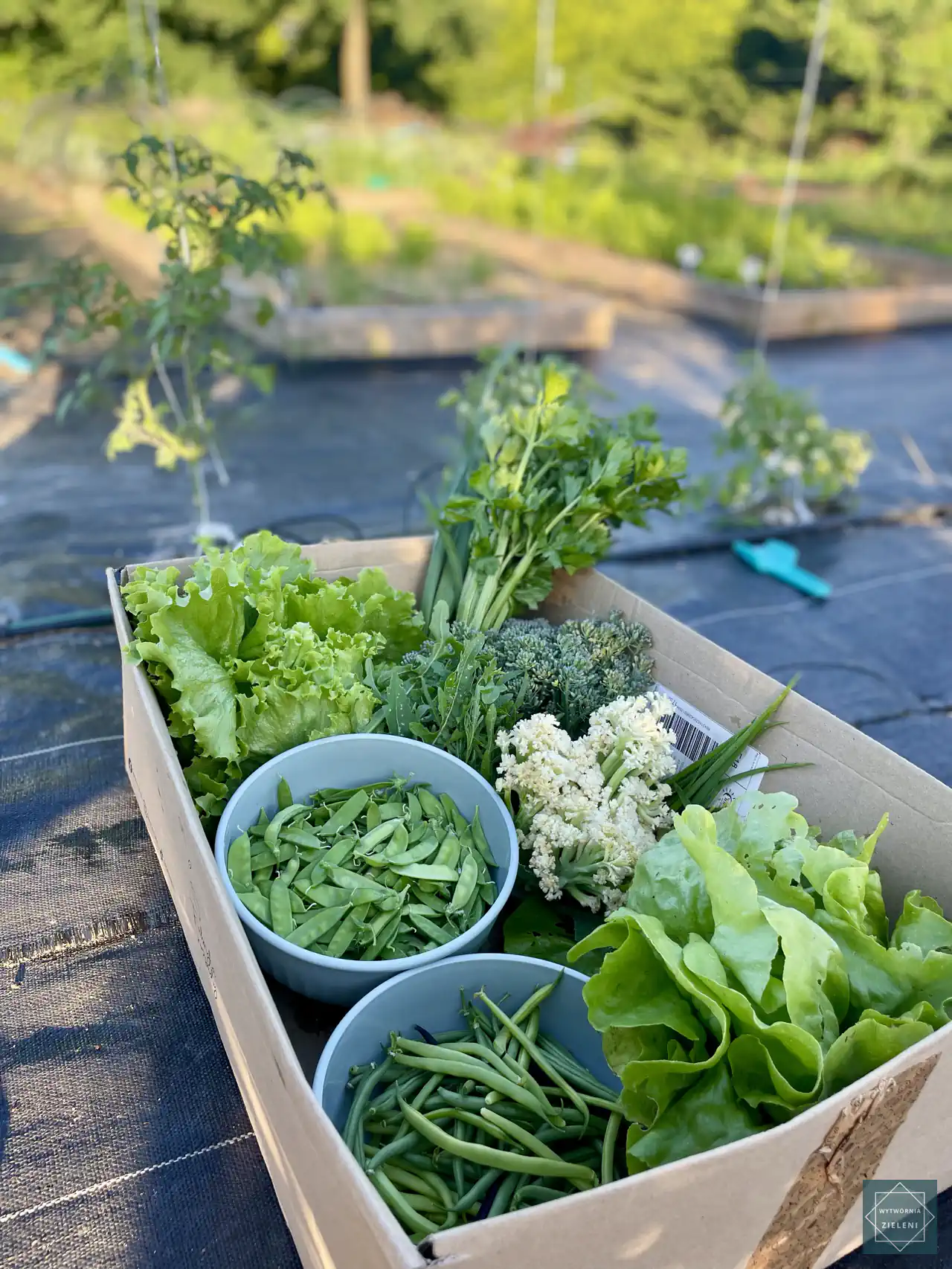
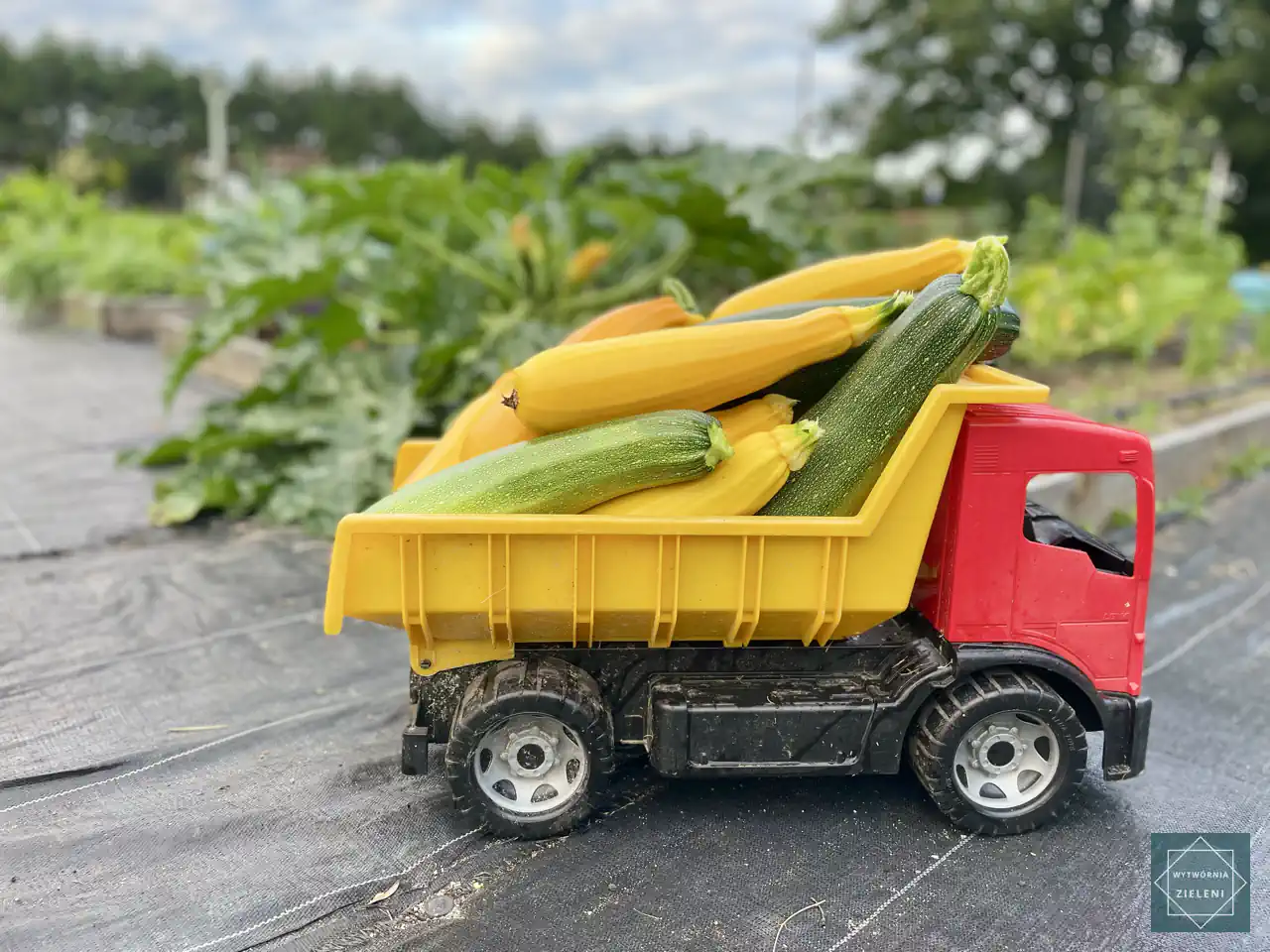
During the season, we harvest approximately 1,500-2,000 pounds of vegetables and fruits from our home vegetable garden. Abundant harvest display showing diverse vegetables and fruits from a productive home garden setup
What did the home vegetable garden give us?
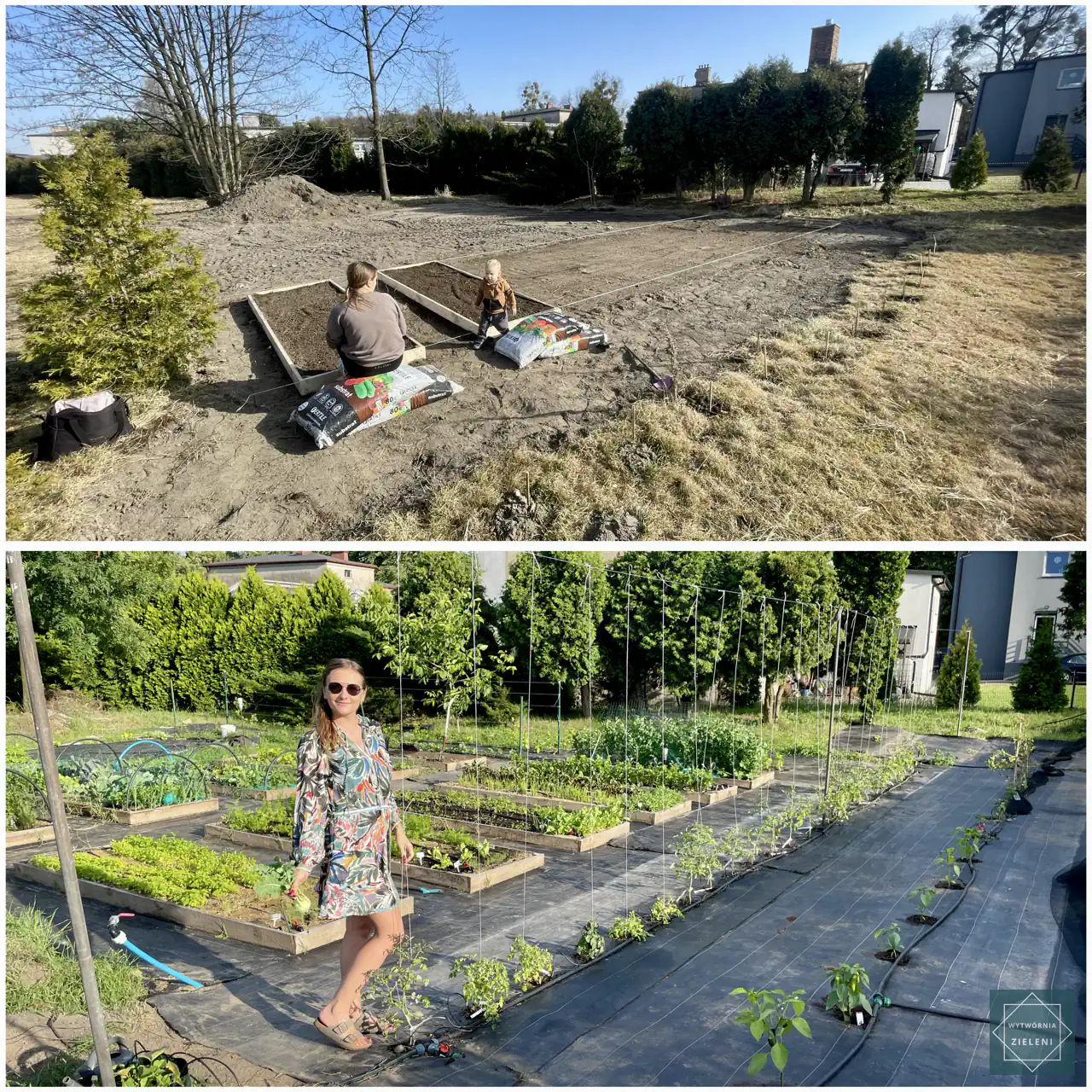
From our experience, already in the first year of running a vegetable garden from an area of approximately 1,000 sq ft of beds, you can harvest even 1,500–2,000 pounds of fresh produce (making many mistakes). With better crop planning, appropriate variety selection, skillful fertilization, and efficient use of space, a result of around 3,000 pounds/year seems most realistic.
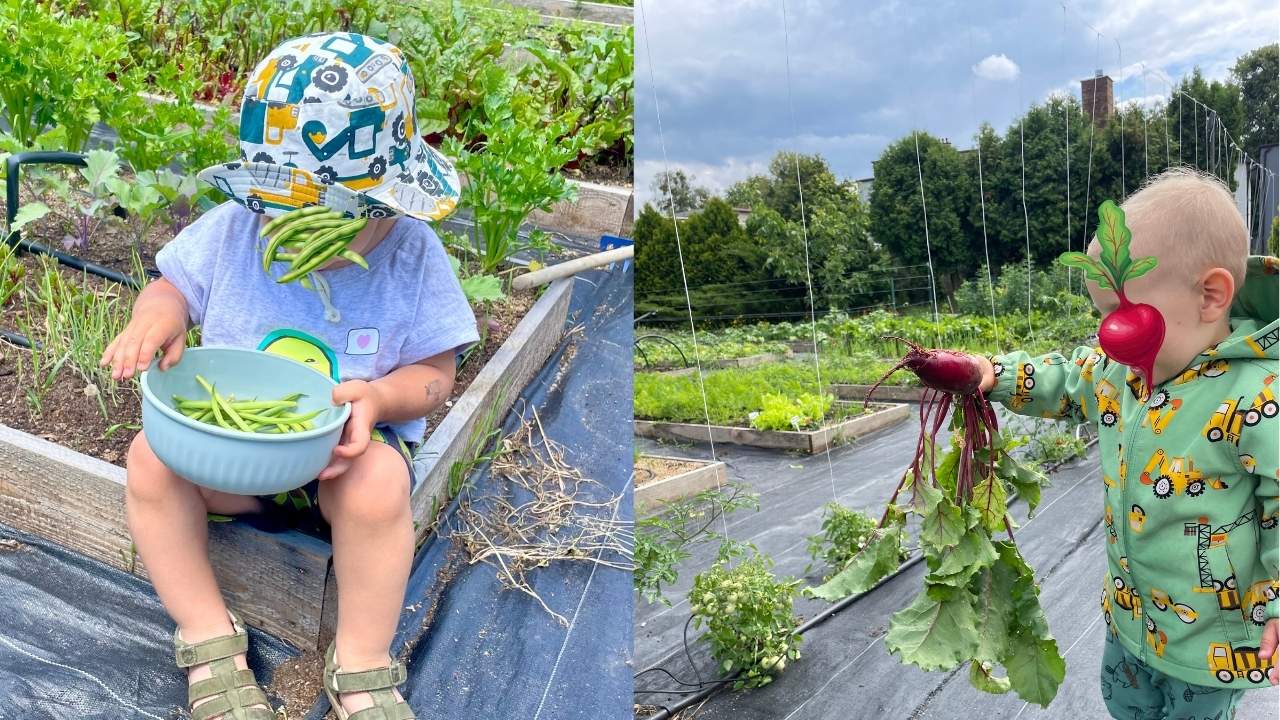
But a vegetable garden is not just about food. It's also time spent in fresh air, working together in the garden, and natural detachment from screens. Instead of scrolling through phones or watching another series episodes, we spend moments together – doing something useful, healthy, and satisfying.
Types of vegetable gardens – from micro to large
Micro vegetable garden – containers for small growing
A micro vegetable garden in containers is an ideal solution for balconies, terraces, or kitchens with garden access. It allows you to enjoy fresh herbs and salads even in the smallest space.
1–3 containers for vegetable garden set up close to the kitchen. Herbs: basil, thyme, mint, rosemary. Salads and fast-growing plants of "cut&come again" type, cherry tomatoes and cucumbers.
This is a compact option that ensures fresh herbs are always at hand.
Small vegetable garden – inspiration for small spaces

A small vegetable garden works well in small gardens or on terraces, where order and functionality matter. This type of vegetable garden is excellent inspiration for creating functional space in limited area.
- 2–4 boxes made of wood or Corten steel + small greenhouse (modern vegetable garden).
- Herbs: parsley, chives, basil, oregano. Additional plants: strawberries in box corners. Gravel paths facilitating access to each box.
- Possibility of incorporating vertical vegetable garden like climbing beans and peas.
This is a proposal for people who want to have a kitchen vegetable garden in an organized and aesthetic form, potentially connecting it with outdoor kitchen concepts.
Medium vegetable garden – growing zone in modern garden (up to 500 sq ft)
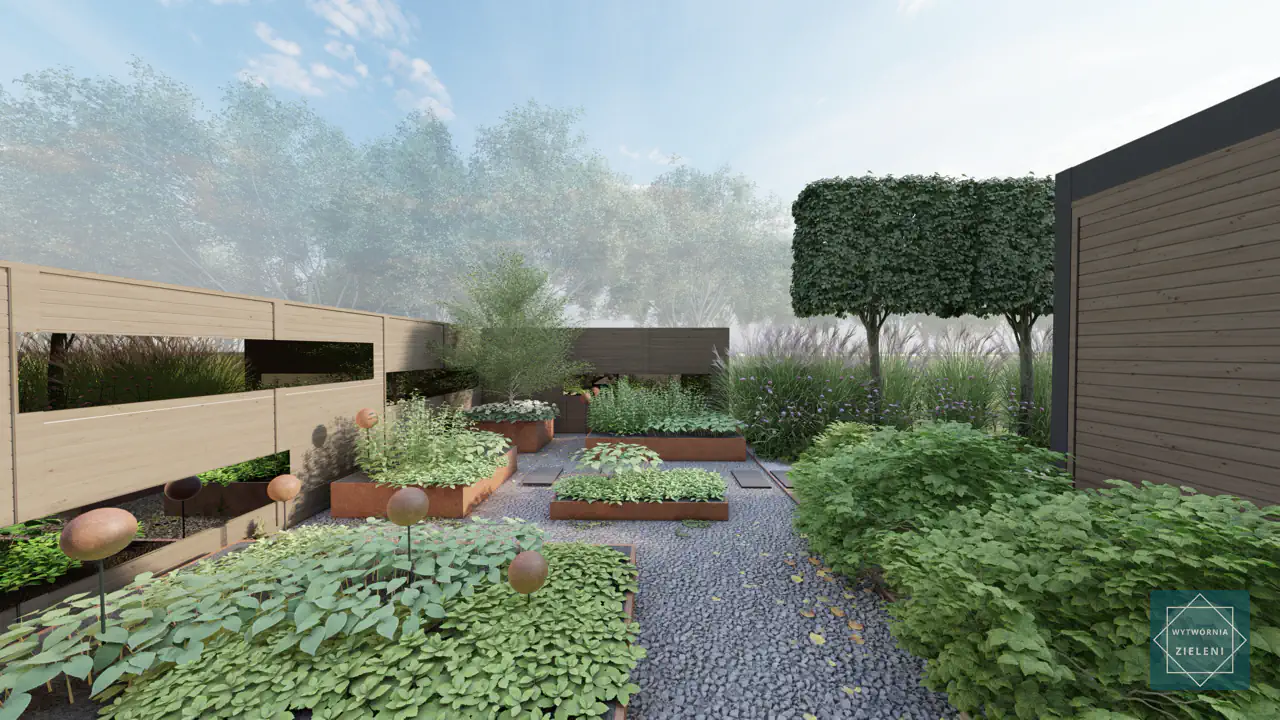
A medium-sized home vegetable garden is already a true growing zone that becomes an integral part of a modern garden. This is a choice for families who want to enjoy regular harvests throughout the season.
- Area up to 500 sq ft, layout of several boxes in axial system.
- Seasonal plants: tomatoes, cucumbers, carrots, zucchini.
- Mini-greenhouse or foil tunnel for seedlings. Automatic irrigation.
- Borders and trellises organizing the space.
This is the most universal format – convenient, effective, and easy to maintain in daily use.
Large vegetable garden – utility garden 1,000–2,000 sq ft
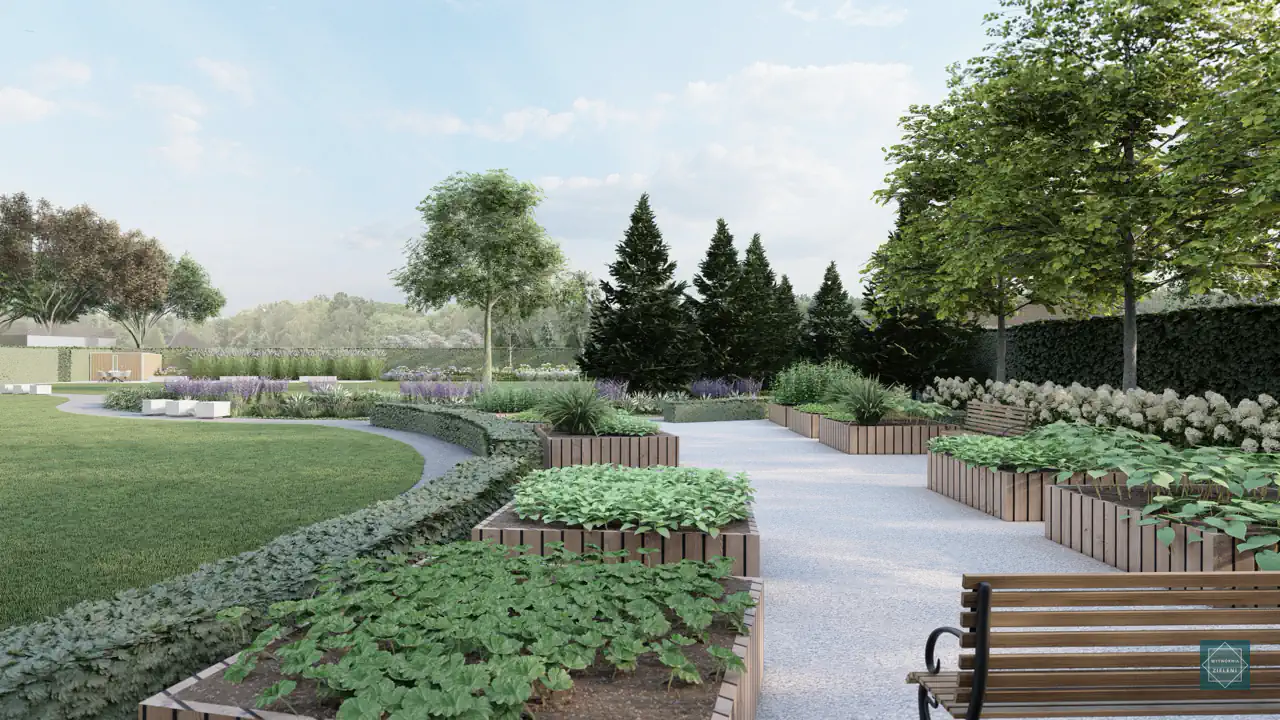
A large home vegetable garden is a solution for enthusiasts and families planning abundant harvests or preserves. Large area allows planning both beds and berry bushes.
- Area 1,000–2,000 sq ft (or more depending on needs) designated in a separate part of the plot.
- Mixed solutions: field beds + raised vegetable garden beds in boxes.
- Plants: full set of vegetables, herbs, raspberries, currants.
- Large greenhouse 130-320 sq ft as seedling center. Separate place for compost and tool storage.
This is a format for those who want to create a self-sufficient, fully functional growing zone.
Plants ideal for vegetable garden
Success of growing in a home vegetable garden depends on selecting plants adapted to conditions and gardener's experience.
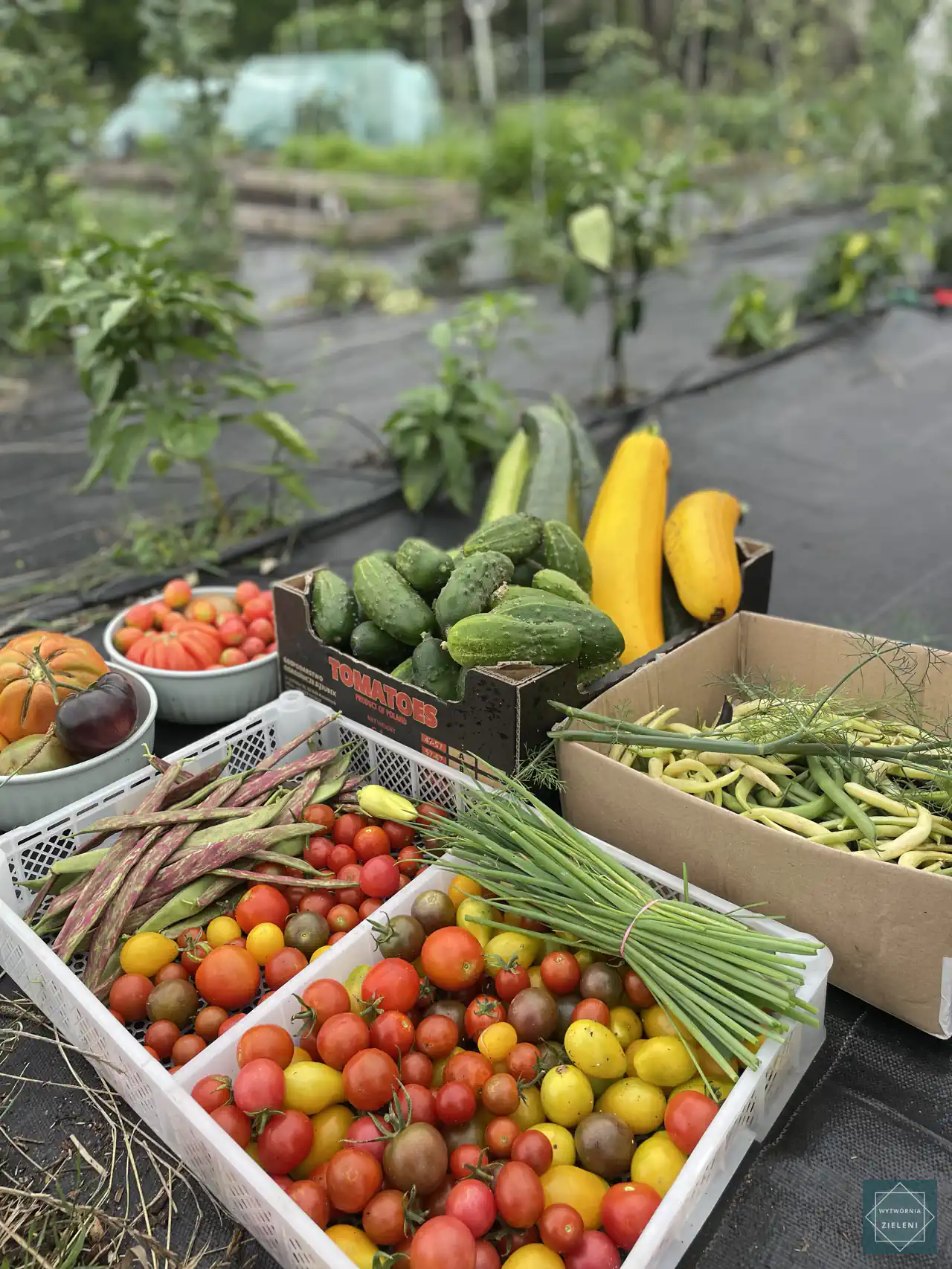
Easy-to-grow vegetables for beginners
Tomatoes, lettuce, radish, zucchini, green beans – these are vegetables that grow quickly and don't require specialist knowledge. Perfect for starting your adventure with vegetable gardening at home.
Aromatic herbs
Basil, thyme, rosemary, mint, parsley, chives – herbs can be grown in separate containers for vegetable garden or at the edge of beds. They introduce aroma and are a valuable addition to the kitchen.
Greenhouse or tunnel vegetables
Growing vegetables in a greenhouse or tunnel is a great way to extend the season and increase yields. Plants have guaranteed warmth, protection from rain, wind, and frost, and thanks to stable conditions, they grow faster and are less susceptible to diseases. This solution works particularly well in cooler climates or with earlier sowing.
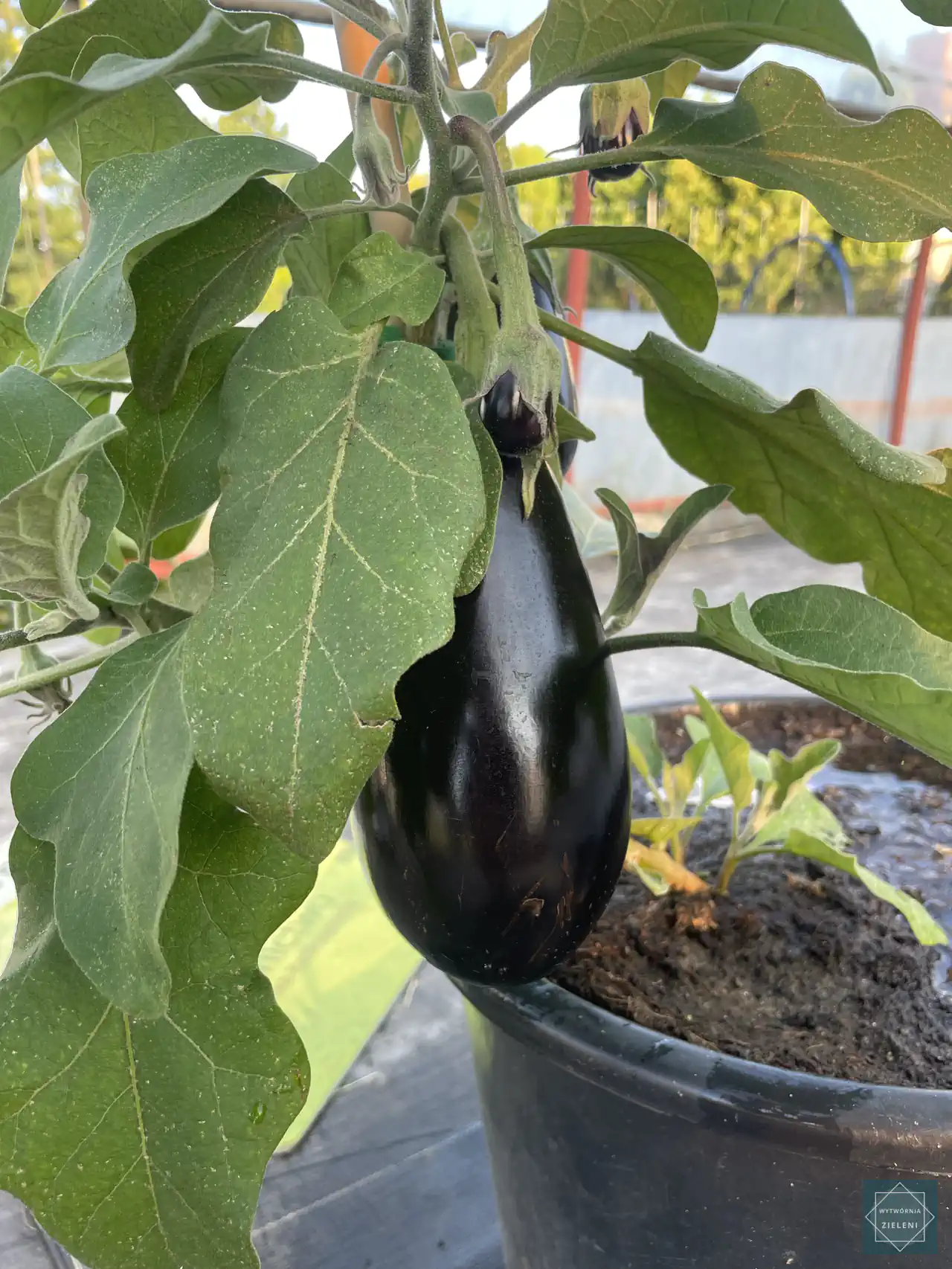
Best in greenhouse or tunnel grow:
- Tomatoes – ripen quickly and fruit abundantly.
- Peppers and chili – like high temperatures and protection from cold.
- Cucumbers – grow faster and give more fruits than in ground.
- Eggplants and zucchini – require warmth and constant moisture.
- Lettuce, spinach, arugula – can be sown very early and harvested long.
Thanks to a greenhouse, you can enjoy fresh vegetables much longer – often from early spring until late autumn.
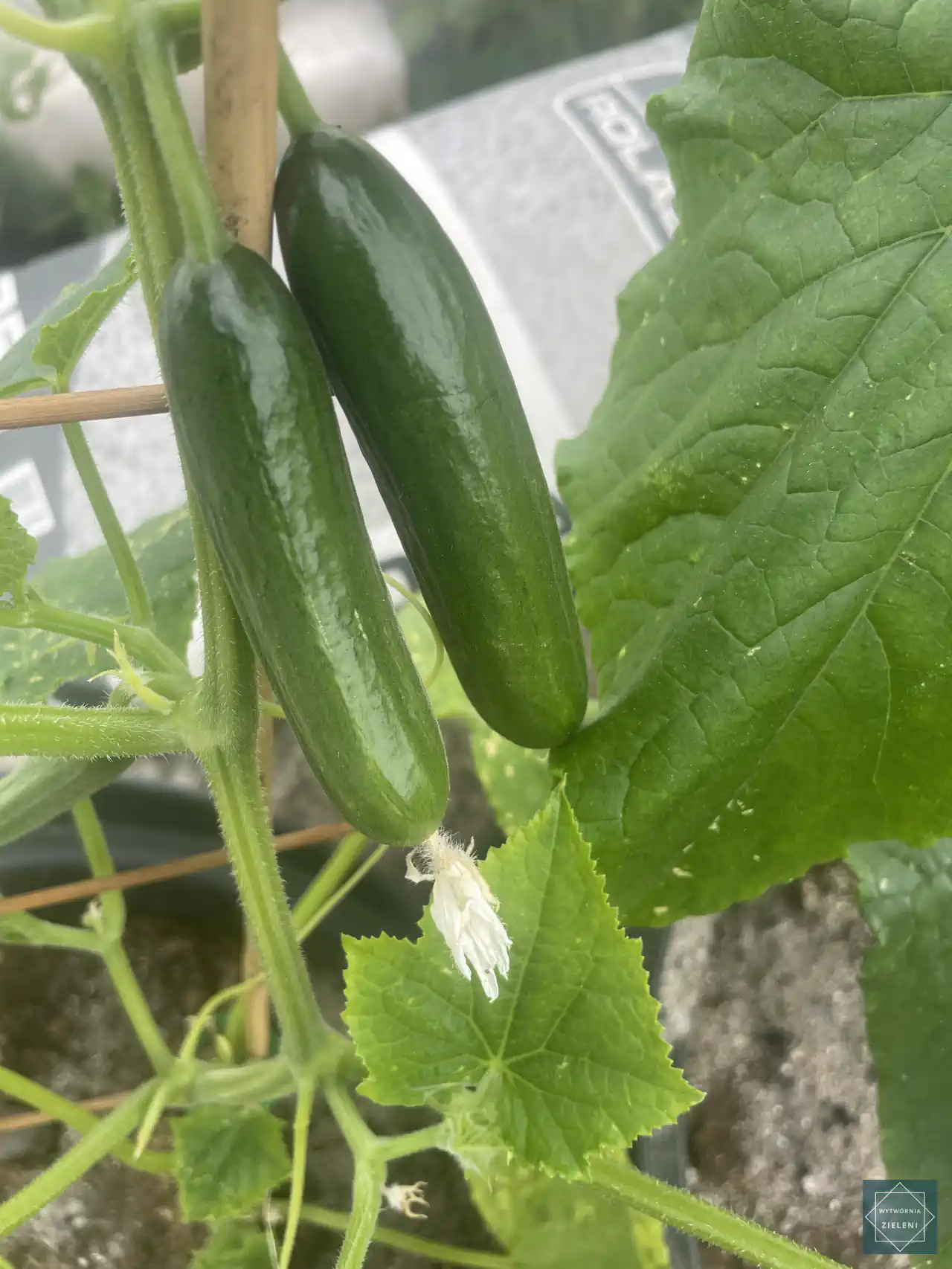
Fruiting vegetables for beds
Cucumbers, peppers, eggplant, pumpkin – these vegetables require more space and warmth, but reward with abundant harvests. Ideal for cultivation in raised vegetable garden or under covers.
Soft fruits
Strawberries, raspberries, blueberries, currants – berry bushes and strawberries can be included in the home vegetable garden, creating a diversified growing zone with thoughtful bed design principles.
What's worth having in a vegetable garden?
When planning your own home vegetable garden, it's worth thinking not only about plant selection, but also about elements that facilitate care, improve work comfort, and increase yields. Thanks to several practical solutions, the garden becomes more functional, organized, and friendly in daily use.
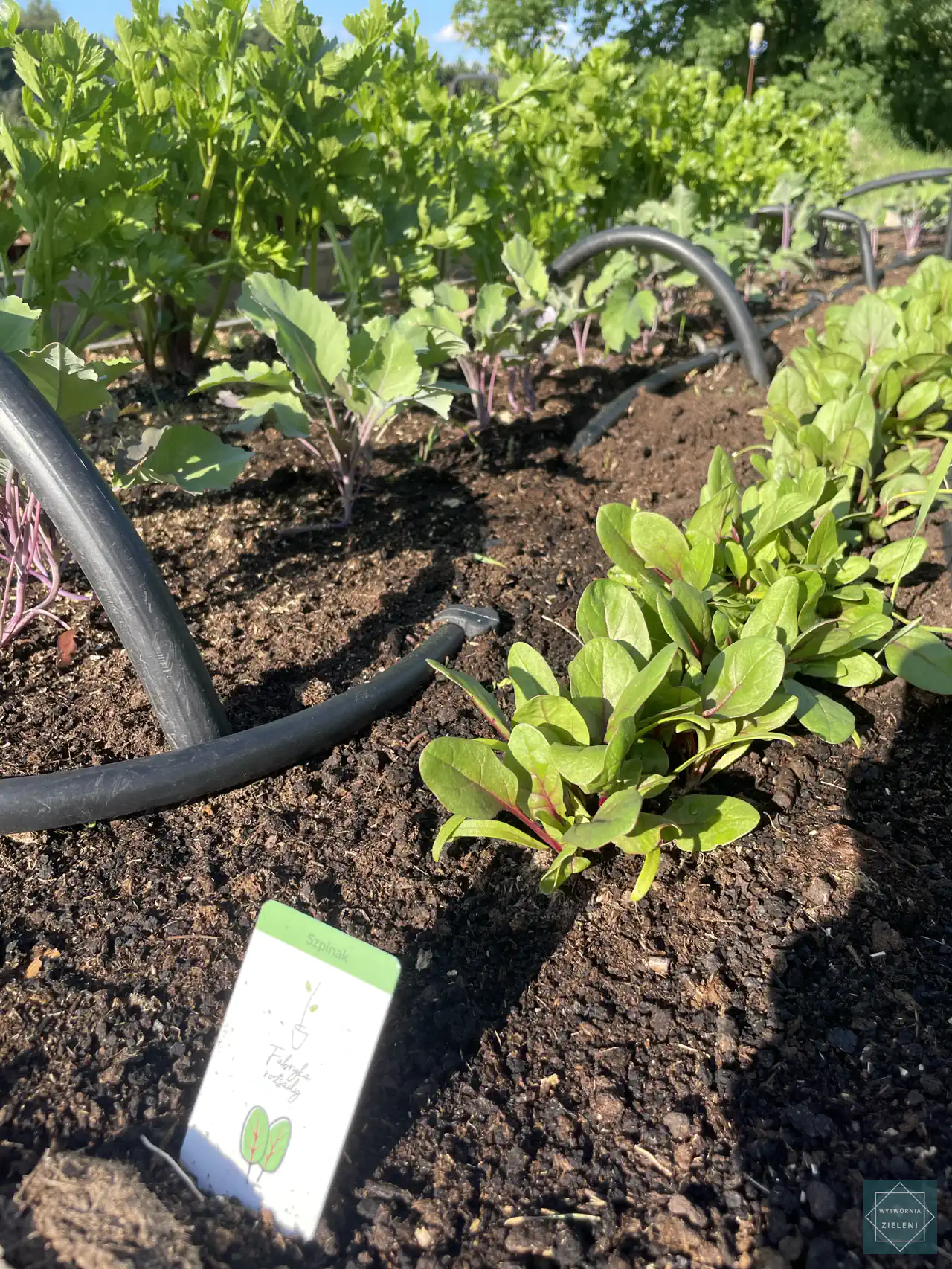
Most important vegetable garden elements:
- Raised boxes – allow cultivation without bending, limit weed growth, and enable control of substrate quality. They retain heat longer, which accelerates plant growth.
- Containers for vegetable garden – ideal for smaller spaces, balconies, or terraces. Great for herbs, salads, or cherry tomatoes. Can be easily moved to more sunny locations.
- Greenhouses and foil tunnels – essential for heat-loving plants like tomatoes, peppers, or cucumbers. Protect from frost and extend the growing season.
- Composter – source of natural fertilizer. Improves soil fertility and allows utilizing organic waste from home and garden.
- Utility zone – designated place for storing things, barrels or containers for fermenting nettle, horsetail, or other plant fertilizers.
- Irrigation system – drip irrigation hose or rainwater tank with connected hose significantly facilitates watering, especially on hot days.
- Additional water sources – best in the form of garden faucet or rainwater collection barrel placed close to beds. Additional irrigation line or watering cans for spot watering. This is convenience and time saving.
- Work surface or table – place for washing vegetables, transplanting plants, or preparing seedlings. Works great when located close to the vegetable garden.
- Supports and frames for climbers – structures made of wood, bamboo, or metal that support beans, peas, or cucumbers. Thanks to them, climbing plants grow vertically, saving space and facilitating harvest.
- Paths and borders – facilitate movement between beds and protect soil from trampling. Can be made from bark, stone slabs, or gravel.
- Tool storage place – even a small box or cabinet so all necessary things are at hand. Sun and wind protection – garden fabric or shade net protect sensitive plants from adverse conditions.
And most importantly! seating and rest area – bench, garden chair, or small table with chairs allow relaxation during work and admiring the effects of your efforts. It's also an ideal observation point for planning next actions in the garden and a place for morning coffee surrounded by greenery. Learn more about creating the perfect relaxation area in your garden.
Types of home vegetable gardens – characteristics
Choosing the type of home vegetable garden depends on area, user needs, and how you want to use the garden. Here are the most popular forms:
Ground-level vegetable garden – classic beds
Simple ground beds are the oldest and cheapest solution. However, they require fertile soil and regular weeding. This is an option for people appreciating tradition and larger cultivation areas.
Vegetable garden in boxes – flexibility and ergonomics

Vegetable garden in boxes is currently the most popular format. A vegetable garden in boxes facilitates care, allows substrate control, and works great even on terraces or small plots. Raised bed vegetable garden in boxes is an ideal combination of functionality and aesthetics.
Raised vegetable garden – comfort and healthy posture
Raised vegetable garden (on legs or high modules) is convenience for elderly people or those with back problems. Beds at 28–35 inch height facilitate maintenance work and provide plants with optimal substrate.
Vertical vegetable garden – space saving
For balconies and small gardens, vertical vegetable garden works well. Vertical structures allow growing herbs and salads on walls, pergolas, or special stands, maximizing space utilization with clever small garden ideas.
How to plan space for home vegetable garden?
Proper positioning of your home vegetable garden is crucial for growing success. Here are the most important aspects to consider.
Sun exposure – foundation of success
Most vegetables require at least 6-8 hours of sun daily. Choose a well-sunlit location, away from tall trees and buildings casting shade. Vegetables like tomatoes, peppers, or zucchini grow best in full sun.
Appropriate place and garden plan
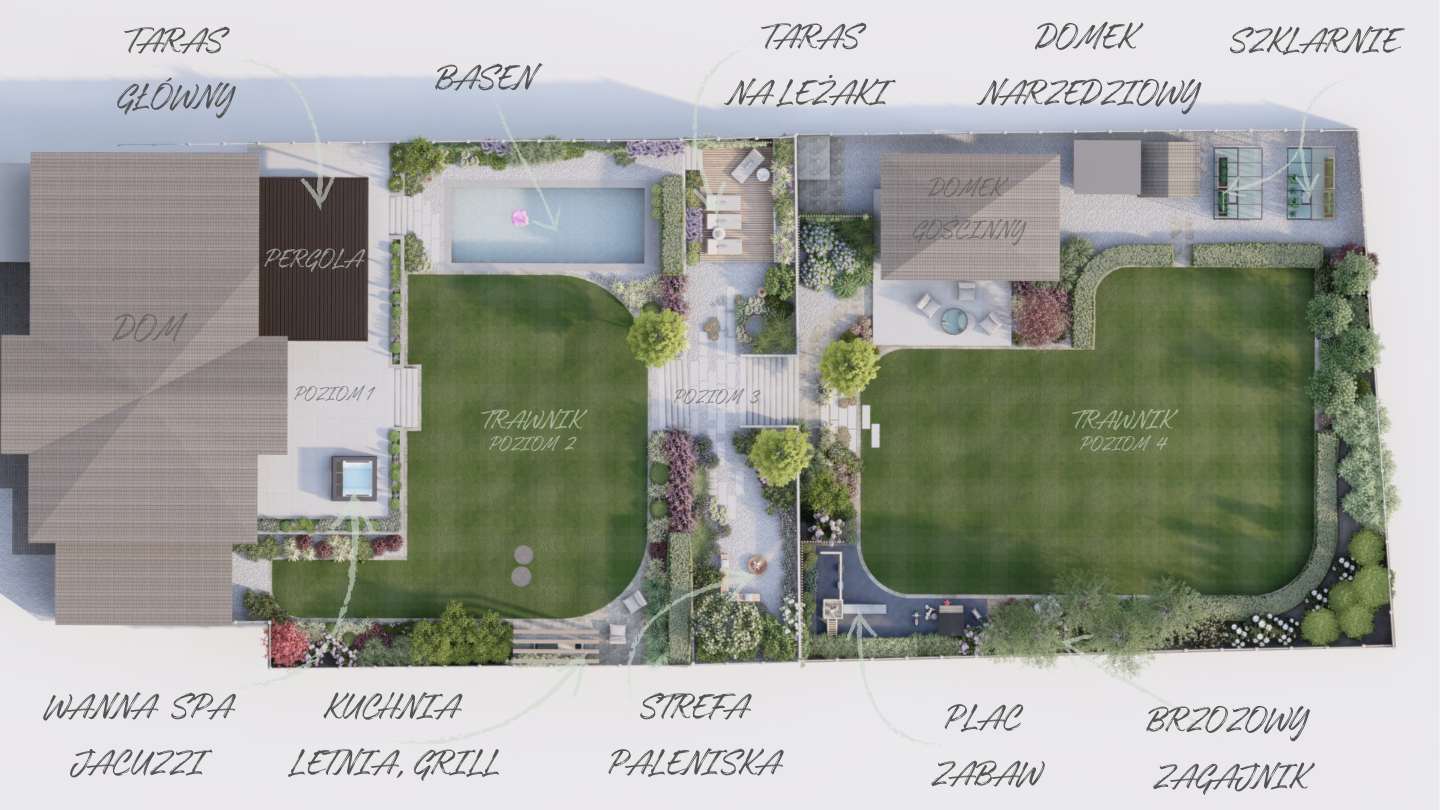
When planning a vegetable garden, it's worth immediately considering its location in the context of the entire plot. A well-designed garden considers garden zones division – recreational, representative, utility – thanks to which the vegetable garden not only looks good but is also functional. The complete planning process ensures optimal results.
Access to water and infrastructure
When planning a home vegetable garden, consider proximity to water source. Easy access to a faucet or possibility of installing irrigation systems significantly facilitates care. Also consider space for composter and tool storage.
Soil quality and substrate preparation
Before building a vegetable garden, it's worth testing soil pH and composition. For vegetables, optimal pH is 6.0-7.0. Consider soil improvement techniques for better results. In case of vegetable garden in boxes, you can completely control soil quality by filling the construction with appropriate mixture of soil, compost, and perlite. Use a soil calculator to determine the right amounts.
Choosing favorite vegetables and fruits
A vegetable garden should primarily serve you – therefore it's worth planting such plants that you actually like to eat. If you often reach for tomatoes, peppers, or cucumbers – start with these. And if you prefer fresh herbs, focus on basil, parsley, or thyme. By growing favorite vegetables and fruits, you'll gain greater motivation for regular care, and harvests will be not only abundant but also fully utilized in the kitchen.
Materials and finishes for vegetable zone – vegetable garden inspirations
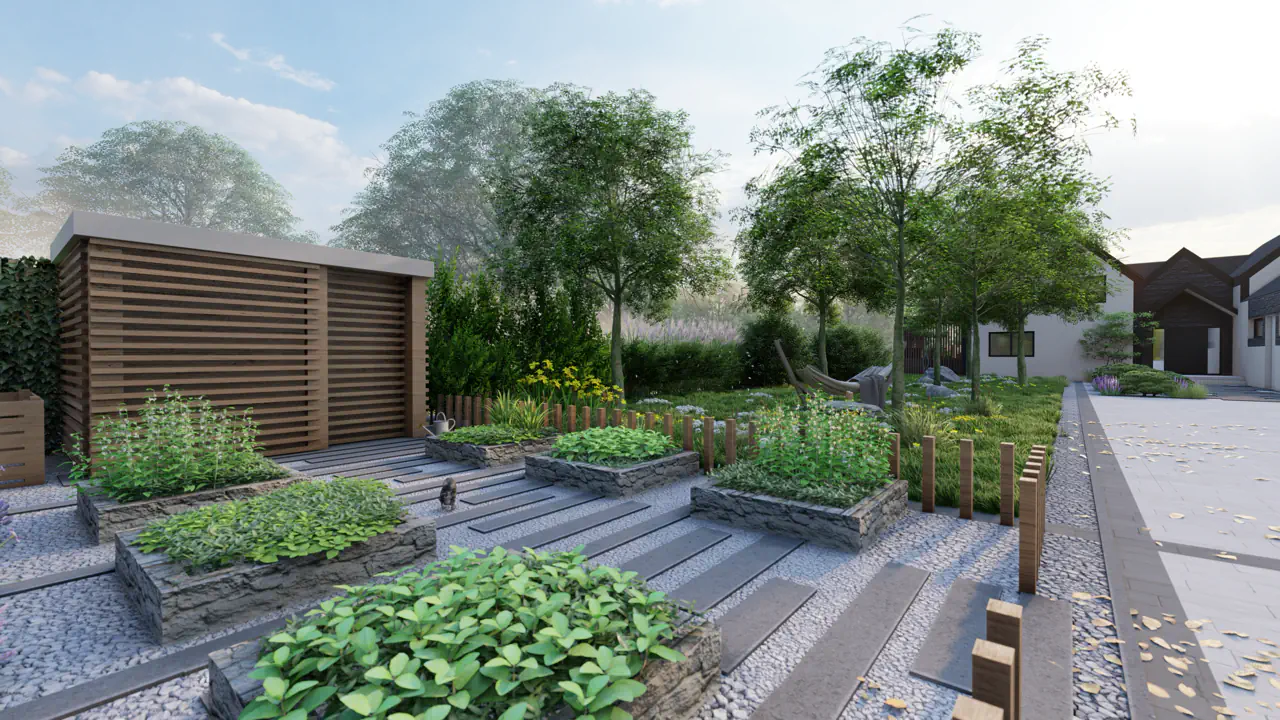
Appropriate materials affect durability, aesthetics, and functionality of vegetable garden. Here are the most popular material inspirations:
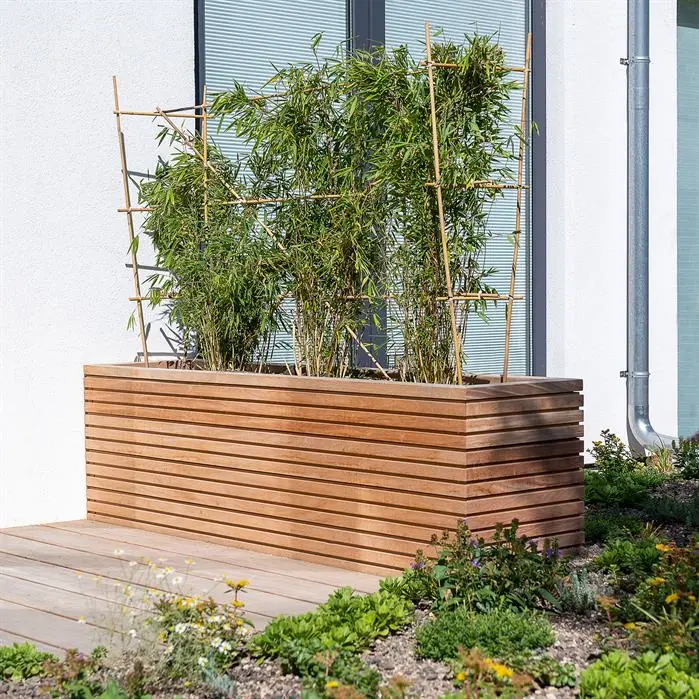
Wooden vegetable garden – warmth and naturalness
Wooden vegetable garden from pine, larch, or exotic wood (bangkirai, teak) is a classic choice. Requires impregnation every 2-3 years but offers natural look and warm aesthetics. Composite wood is a maintenance-free alternative with long lifespan.
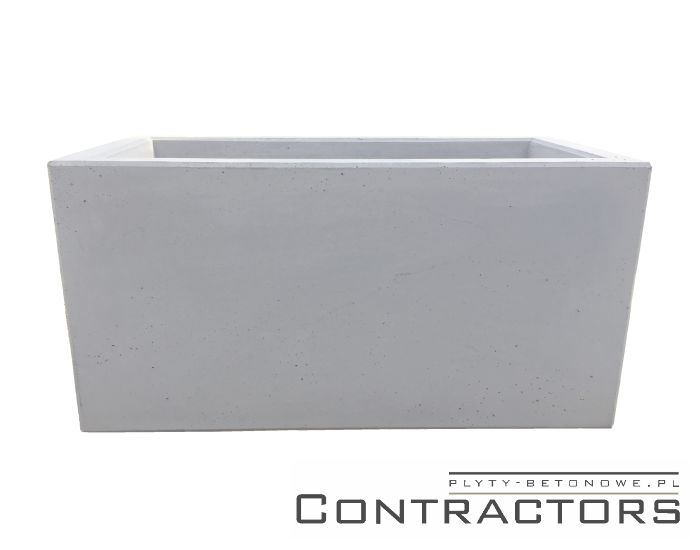
Concrete vegetable garden – durability and modernity
Concrete vegetable garden, concrete blocks, prefabricated slabs, or paving stones are practically eternal materials. They don't require maintenance and complement modern architecture perfectly.
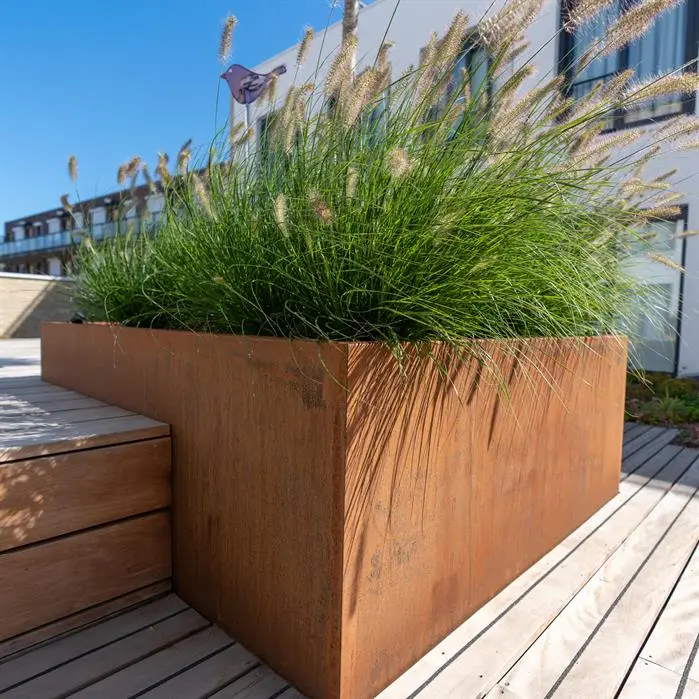
Modern vegetable garden – Corten steel and industrial style
Modern vegetable garden from Adezz Corten steel is a trendy material that develops characteristic rusty patina over time. It's durable, weather-resistant, and gives the garden industrial character – one of the top vegetable garden inspirations in modern gardening, perfectly complementing modern materials used in contemporary gardens.
Start your home vegetable garden journey today!
Creating your own home vegetable garden is more than just growing food – it's about building healthier habits, connecting with nature, and enjoying the satisfaction of nurturing plants from seed to harvest. A well-designed vegetable garden becomes a cornerstone of sustainable living, providing fresh produce while creating beautiful outdoor spaces for family enjoyment.

Ready to transform your outdoor space with a professional garden design consultation and discover how expert planning can bring your vegetable gardening vision to life.
Frequently asked questions about vegetable gardens (FAQ)
How much does building a vegetable garden cost?
Costs range from $40 for a simple pallet vegetable garden to $2,000+ for an extensive zone with raised beds from Corten steel. Average budget for a functional vegetable garden is $600-1,200.
What are the types of vegetable gardens?
Most popular are: wooden vegetable garden, concrete vegetable garden, vegetable garden in boxes, raised vegetable garden, pallet vegetable garden, vertical vegetable garden, and modern vegetable garden (Corten steel, composite).
How to make a vegetable garden in boxes?
Prepare boxes with minimum 16-inch depth, arrange drainage, landscape fabric, fill with soil for vegetable garden with compost (2:1), plant. Use our planter calculator to determine soil quantities needed. Detailed step-by-step box vegetable garden instructions in "Building vegetable garden" section.
What plants for vegetable garden for beginners?
Easiest: tomatoes, lettuce, radish, zucchini, green beans, herbs (basil, mint, thyme). They grow quickly and don't require specialist knowledge.
How to build a pallet vegetable garden?
Yes, pallet vegetable garden is a popular DIY solution. Just impregnate the wood, assemble the box construction, line with plastic, and fill with soil. Cost: $40-120.
What soil for vegetable garden is best?
Optimal soil for vegetable garden is mixture: 50% garden soil, 30% compost, 20% peat or perlite. pH should be 6.0-7.0. Ready mixes for vegetables are available in garden stores.
Does a small vegetable garden in a small garden make sense?
Yes, a small vegetable garden (even 2-3 boxes) allows growing fresh herbs, salads, and tomatoes. Vertical solutions and raised vegetable garden maximize space utilization.
Where to place vegetable garden in the garden?
Choose a sunny location (min. 6-8h sun), sheltered from wind, with easy water access. Avoid shade from buildings and trees. Learn more about comprehensive project planning considerations.
How does wooden vegetable garden differ from concrete?
Wooden vegetable garden has natural appearance but requires impregnation every 2-3 years. Concrete vegetable garden is durable, maintenance-free, and ideal for modern arrangements with contemporary design elements.
What are the best vegetable garden inspirations for small garden?
For small space, small vegetable garden in form of raised vegetable garden, vertical vegetable garden, or compact containers for vegetable garden works well. You can also choose vegetable garden in boxes in minimalist design arrangement using clean architectural elements.
Wojciech Kazimierowicz – Author of the Article
Co-owner of Wytwórnia Zieleni and an expert in garden design and landscaping with over 13 years of experience. He specializes in creating modern, functional green spaces tailored to the budget and needs of homeowners.

Find Out How Much Your Garden Design Will Cost!
Take a quick quiz and discover the estimated cost of a custom garden design tailored to your needs. No strings attached – it takes just 2 minutes!


Wytwórnia Zieleni | Garden Design
KRS 0001107384 NIP 6452587627 REGON 528715049 St. Strzelców Bytomskich 51/1 42-600 Tarnowskie Gory, Poland
Resources
© Wytwórnia Zieleni 2026


