Low ornamental grasses for hedge - perfect garden border solution
Niskie trawy ozdobne na żywopłot i obwódki warto wybrać, bo porządkują kompozycję ogrodu, wydzielają strefy i nie przytłaczają przestrzeni, a przy tym są łatwe w pielęgnacji. To rozwiązanie dla osób, które chcą uzyskać minimalistyczny efekt, rytm nasadzeń i lekki „zielony ekran” przy tarasie, ścieżkach lub rabatach.
TL;DR
- Niskie trawy ozdobne sprawdzają się jako obwódki, niskie szpalery i nasadzenia porządkujące przestrzeń w ogrodzie.
- Najlepsze zastosowania to obrzeża rabat, ścieżki, donice, ogrody żwirowe oraz umocnienie skarp i ograniczenie erozji.
- Dobór traw powinien uwzględniać stanowisko i glebę, bo gatunki różnią się tolerancją na suszę, wilgoć, cień i słońce.
- W małych ogrodach trawy dają efekt prywatności bez zasłaniania światła, szczególnie sadzone w rytmicznych grupach.
- Część gatunków jest ekspansywna lub wrażliwsza zimą, więc wymaga kontroli rozrastania albo zabezpieczenia na sezon chłodny.
Published
05 February 2026
Share this article


 Copied
TOC
- Can I mix different low grasses in one border design?
- How to use low ornamental grasses in your garden
- Top 10 low ornamental grasses for hedging and borders
- 1. Dwarf Chinese Silver Grass 'Yakushima Dwarf' (Miscanthus sinensis 'Yakushima Dwarf')
- 2. Tufted Hair Grass (Deschampsia cespitosa)
- 3. Blue Oat Grass (Helictotrichon sempervirens)
- 4. Autumn Moor Grass (Sesleria autumnalis)
- 5. Blue Fescue (Festuca glauca)
- 6. Purple Moor Grass 'Moorhexe' (Molinia caerulea 'Moorhexe')
- 7. Little Bluestem (Schizachyrium scoparium)
- 8. Ice Dance Japanese Sedge (Carex morrowii 'Ice Dance')
- 9. Quaking Grass (Briza media)
- 10. Mexican Feather Grass (Stipa tenuissima)
- Creating perfect garden borders with professional design
- Frequently asked questions about low ornamental grasses
- What is the ideal height for low ornamental grasses in borders?
- How do I maintain low ornamental grass borders?
- Which low grasses work best for year-round interest?
- Can low ornamental grasses grow in containers?
- How far apart should I plant low grasses for borders?
- Do low ornamental grasses require special soil conditions?
- Which low grasses are best for modern garden designs?
- Are low ornamental grasses deer and rabbit resistant?
- How long do low ornamental grass borders last?
- Can I mix different low grasses in one border design?
Can I mix different low grasses in one border design?
Absolutely! Combining different low ornamental grasses creates dynamic borders with varying textures, colors, and seasonal interest. Try mixing blue-toned grasses like Blue Fescue with green sedges, or combine# Low ornamental grasses for hedge - perfect garden border solution
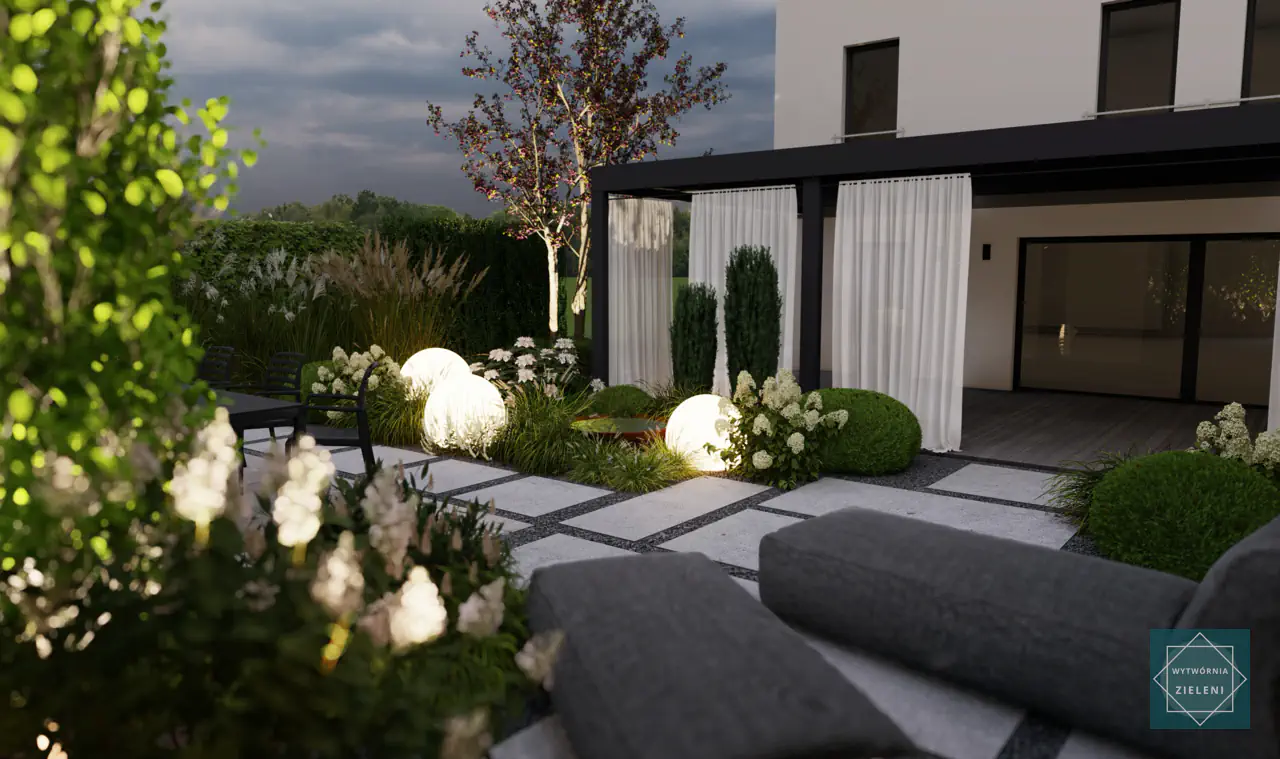
Low ornamental grasses are the ideal element for any garden design project, used for edging, low hedges, and minimalist borders – they create order while adding lightness and naturalness to your outdoor space.
Why choose low ornamental grasses for your garden:
- Perfect for borders and pathways – don't obstruct views while adding dynamic movement
- Add lightness to compositions – gentle blade movement attracts the eye naturally
- Ideal for small gardens – won't overwhelm limited spaces
- Low maintenance requirements – easy to maintain and resilient
- Aesthetic repeatability – look excellent in groups and rhythmic patterns
Low ornamental grasses are an excellent choice for those who value order, simplicity, and the subtle character of modern garden design.
How to use low ornamental grasses in your garden
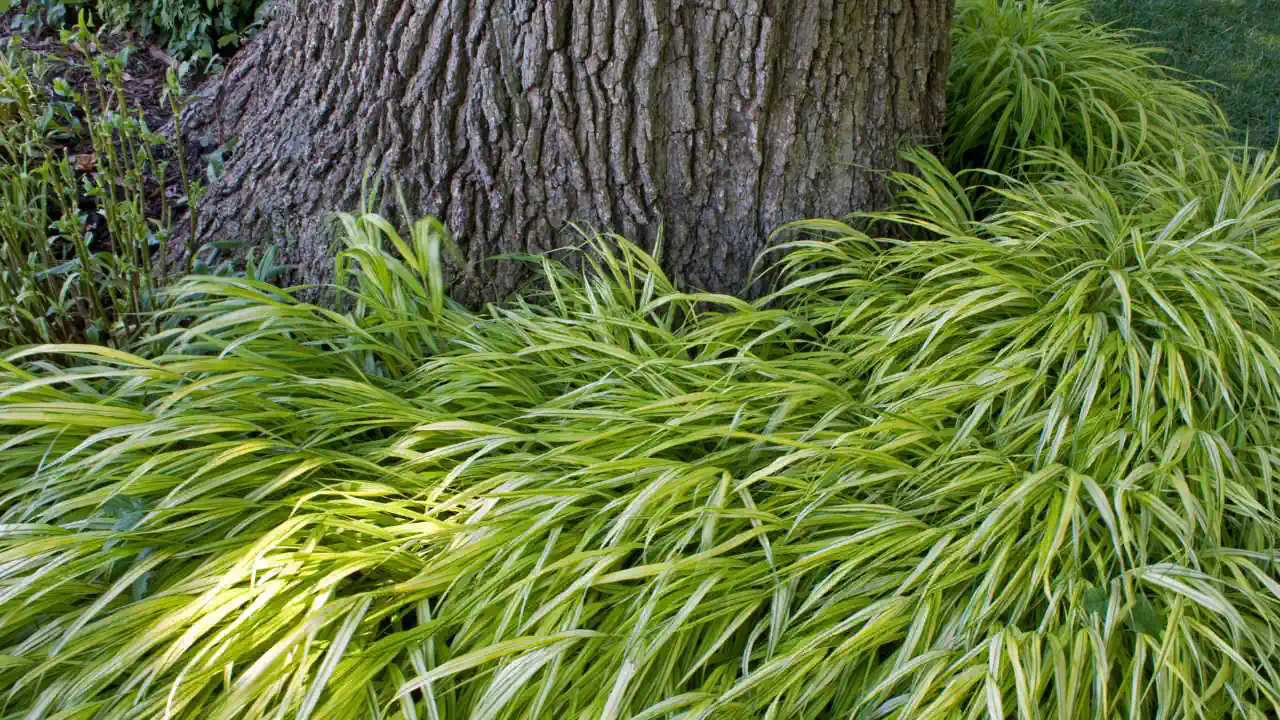
Small ornamental grasses work excellently as landscaping elements that organize space while adding texture to your garden design.
Popular applications for low ornamental grasses:
- Garden bed borders
- Low screening by patios or elevations – gentle zone definition for
- In containers and planters – decoration for modern terraces and small spaces
- In rock or gravel gardens – natural complement to contemporary compositions
- Instead of low shrubs – more airy, light, and dynamic alternative
Low ornamental grasses are an excellent complement to any garden composition – full of grace while capable of defining garden zones effectively. They work beautifully with ornamental trees and other perennial plantings.
Top 10 low ornamental grasses for hedging and borders
1. Dwarf Chinese Silver Grass 'Yakushima Dwarf' (Miscanthus sinensis 'Yakushima Dwarf')
A dwarf miscanthus reaching 2.5-3 feet (0.8-1m), ideal for borders and small gardens. Compact, spherical habit with regular form.
Plant specifications:
- Height: 2.5-3 feet (0.8-1.0m)
- Habit: compact, spherical growth
- Ornamental features: narrow green leaves, delicate flower plumes
- Soil requirements: moderately fertile and moist soil
- Growing conditions: full sun or light shade; fully hardy (zone 5-6)
2. Tufted Hair Grass (Deschampsia cespitosa)
A native grass reaching 1.5-3 feet (0.5-1m) in height, forming dense clumps with delicate, airy flower heads. Dense, compact habit perfect for hedge plants and naturalistic garden privacy ideas.
Plant specifications:
- Height: 1.5 feet (leaves), 2.5-3 feet with flower heads (0.5m foliage, 0.8-1m total)
- Habit: clumping, dense growth
- Ornamental features: branched, purple-green plumes
- Soil requirements: moist or moderately moist soil
- Growing conditions: full sun or partial shade; fully hardy
3. Blue Oat Grass (Helictotrichon sempervirens)
A blue-leafed, evergreen grass reaching 2 feet (0.6m), resembling a larger fescue. Regular, semi-spherical habit makes it excellent for modern landscape design.
Plant specifications:
- Height: 1.3-2 feet (0.4-0.6m)
- Habit: clumping, regular form
- Ornamental features: steel-blue leaves, oat-like plumes
- Soil requirements: well-draining, dry, and poor soil
- Growing conditions: full sun; fully hardy (zone 4)

4. Autumn Moor Grass (Sesleria autumnalis)
A compact, semi-spherical grass reaching 1.5 feet (0.5m) with flower heads, valued for its lime-green leaves that maintain color through most of the season.
Plant specifications:
- Height: 1 foot (leaves), 1.5 feet with flower heads (0.3m foliage, 0.5m total)
- Habit: clumping, semi-spherical growth
- Ornamental features: dense, bright green leaves; short spike-like autumn flowers
- Soil requirements: moderately fertile, well-draining soil (prefers limestone soils)
- Growing conditions: full sun or partial shade; fully hardy (zone 5)
5. Blue Fescue (Festuca glauca)
A very low grass forming dense, silvery-blue clumps resembling "hedgehogs." Reaches up to 1 foot (0.3m) with flower heads, perfect for small-scale applications and works beautifully with other border grass plants.
Plant specifications:
- Height: 8-12 inches (0.2-0.3m)
- Habit: clumping, cushion-like growth
- Ornamental features: intensely blue leaves; light, wispy flower heads
- Soil requirements: poor, well-draining, dry soil
- Growing conditions: full sun, warm locations; fully hardy (zone 4)
6. Purple Moor Grass 'Moorhexe' (Molinia caerulea 'Moorhexe')
A compact, low grass reaching 2.5 feet (0.8m) with purple-brown plumes. Dense, spherical habit ideal for structured plantings.
Plant specifications:
- Height: 1.5 feet (leaves), 2.5 feet with flower heads (0.5m foliage, 0.8m total)
- Habit: clumping, dense growth
- Ornamental features: narrow leaves turning yellow in autumn; short, stiff plumes
- Soil requirements: moist, peaty, or humus-rich soil
- Growing conditions: full sun or partial shade; fully hardy (zone 4)
7. Little Bluestem (Schizachyrium scoparium)
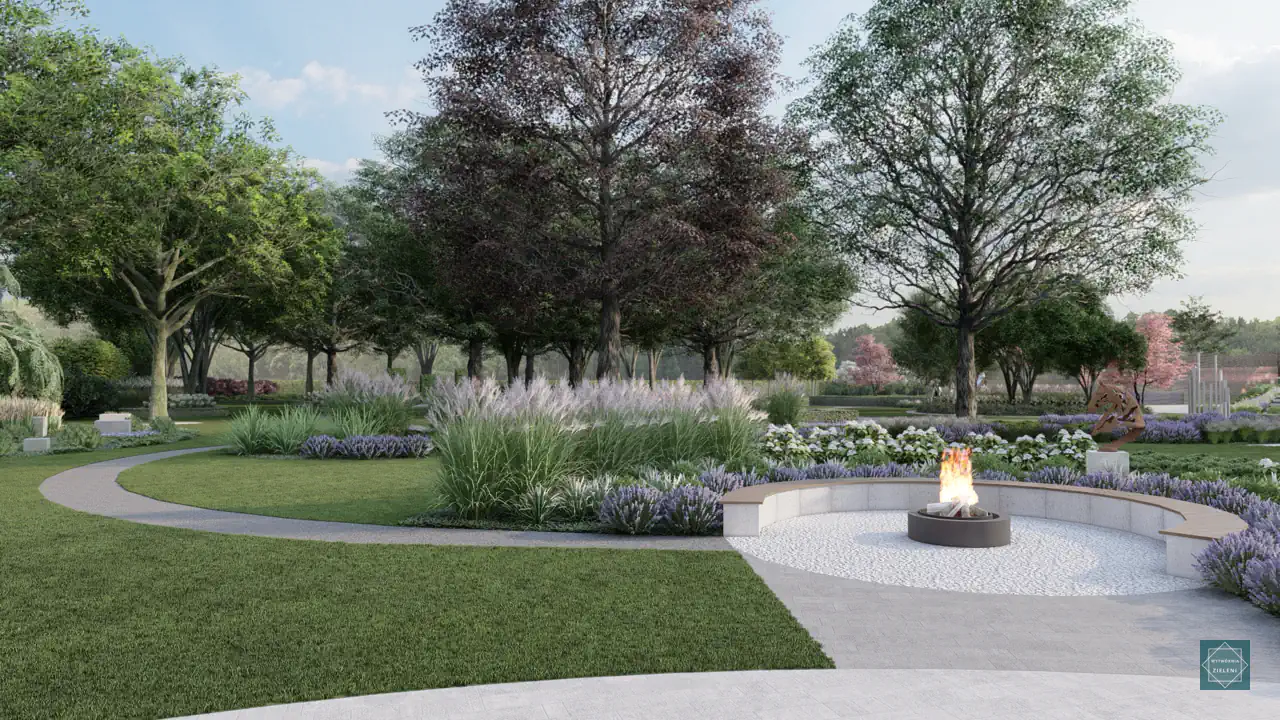
A grass with narrow, upright habit and colorful foliage, reaching 3 feet (1m) during flowering. Particularly striking in autumn with excellent color display, making it ideal for fast growing grasses applications.
Plant specifications:
- Height: 1.5-2.5 feet (0.5-0.8m), up to 3 feet in flower (1m)
- Habit: clumping, upright growth
- Ornamental features: blue-green leaves turning orange-purple; fluffy, red seed heads
- Soil requirements: poor, dry, sandy soil
- Growing conditions: full sun; fully hardy (zone 3-4)
8. Ice Dance Japanese Sedge (Carex morrowii 'Ice Dance')
An evergreen, low sedge with broad white-green leaves, reaching 1 foot (0.3m) in height. Spreading, carpet-like habit perfect for ornamental shrubs underplanting.
Plant specifications:
- Height: approximately 1 foot (0.3m)
- Habit: spreading, carpet-forming growth
- Ornamental features: white-edged leaves, dense evergreen cover
- Soil requirements: fertile, consistently moist soil
- Growing conditions: partial shade or shade; fully hardy (zone 5)
9. Quaking Grass (Briza media)
A delicate meadow grass with characteristic "heart-shaped" spikelets, reaching 1.5 feet (0.5m). Loose, graceful habit adds movement to borders and complements modern garden grasses beautifully.
Plant specifications:
- Height: 1-1.5 feet (0.3-0.5m)
- Habit: clumping, loose growth
- Ornamental features: subtle heart-shaped trembling flower heads
- Soil requirements: moderately fertile, rather dry soil
- Growing conditions: full sun; fully hardy (native plant)
10. Mexican Feather Grass (Stipa tenuissima)
One of the most ethereal grasses – forms loose clumps of soft, thread-like leaves and silky plumes. Height up to 2.5 feet (0.8m), creates the "blonde hair" effect in gardens.
Plant specifications:
- Height: 1.3-2 feet (leaves), 2-2.5 feet with flower heads (0.4-0.6m foliage, 0.7-0.8m total)
- Habit: clumping, loose growth
- Ornamental features: cream-green, fluffy plumes creating ethereal movement
- Soil requirements: very well-draining, dry, not too fertile soil
- Growing conditions: full sun; requires winter protection (zone 6b)
Note: Mexican Feather Grass can be invasive in some regions. Check local regulations and consider sterile alternatives where appropriate.

Creating perfect garden borders with professional design
Low ornamental grasses offer unmatched versatility in creating sophisticated garden design concepts that work beautifully in both formal and naturalistic settings. These compact plants provide year-round structure while requiring minimal maintenance, making them ideal for busy homeowners who want beautiful landscapes without constant upkeep. Consider incorporating them into your front garden landscaping for maximum curb appeal.

Ready to transform your garden borders with expertly selected low ornamental grasses? Contact us for a professional garden design consultation and discover how strategic plant placement can create stunning, low-maintenance borders that enhance your property value.

Frequently asked questions about low ornamental grasses
What is the ideal height for low ornamental grasses in borders?
Low ornamental grasses typically range from 8 inches to 3 feet (0.2-1m) in height, making them perfect for front-of-border plantings, pathway edging, and small garden spaces where proportion is crucial for good design.
How do I maintain low ornamental grass borders?
Most low ornamental grasses require minimal care – simply cut back deciduous varieties to 2-3 inches (5-8cm) in late winter before new growth begins. Evergreen sedges only need old leaves combed out. For best results, follow proper soil preparation techniques and avoid common garden design mistakes.
Which low grasses work best for year-round interest?
Evergreen options like Blue Fescue, Blue Oat Grass, and Japanese Sedge varieties provide consistent color and structure throughout winter, while deciduous grasses like Little Bluestem offer spectacular autumn color before dormancy. For comprehensive planning, explore our evergreen plants guide.
Can low ornamental grasses grow in containers?
Yes, most compact ornamental grasses thrive in containers, making them excellent for patios, balconies, and small spaces. Choose varieties like Blue Fescue, dwarf miscanthus, or sedge varieties for best container performance.
How far apart should I plant low grasses for borders?
Space low ornamental grasses 12-24 inches (30-60cm) apart depending on the mature size and desired density. Closer spacing creates a fuller border faster, while wider spacing allows each plant to develop its natural form. Use our garden cost calculator to estimate planting costs and explore our mulch calculator for ground coverage needs.
Do low ornamental grasses require special soil conditions?
Most low ornamental grasses are adaptable, but soil preferences vary by species. Blue Fescue and Blue Oat Grass prefer well-draining, drier conditions, while sedges and Tufted Hair Grass thrive in moist soil. Match plants to your existing conditions for best results. For soil improvement tips, check our soil improvement guide.
Which low grasses are best for modern garden designs?
For contemporary landscapes, choose grasses with clean, architectural forms like Blue Fescue, Blue Oat Grass, or compact miscanthus varieties. Their geometric shapes and consistent colors complement modern hardscaping and minimalist design principles beautifully. These selections work particularly well in contemporary pergola settings.
Are low ornamental grasses deer and rabbit resistant?
Most ornamental grasses, including low varieties, are naturally resistant to deer and rabbits due to their tough, fibrous texture. This makes them excellent choices for areas where wildlife browsing is a concern.
How long do low ornamental grass borders last?
Well-established low ornamental grass borders can provide 10-15 years of beauty with proper care. Most varieties will need division every 3-5 years to maintain vigor and prevent centers from dying out, keeping your borders looking fresh. When planning your landscape, consider working with a landscaping contractor for professional installation.
Can I mix different low grasses in one border design?
Absolutely! Combining different low ornamental grasses creates dynamic borders with varying textures, colors, and seasonal interest. Try mixing blue-toned grasses like Blue Fescue with green sedges, or combine different heights for a natural, layered look. Consider our garden planning guide for professional design tips and explore small garden design ideas for space-efficient layouts.

Wojciech Kazimierowicz – Author of the Article
Co-owner of Wytwórnia Zieleni and an expert in garden design and landscaping with over 13 years of experience. He specializes in creating modern, functional green spaces tailored to the budget and needs of homeowners.

Find Out How Much Your Garden Design Will Cost!
Take a quick quiz and discover the estimated cost of a custom garden design tailored to your needs. No strings attached – it takes just 2 minutes!


Wytwórnia Zieleni | Garden Design
KRS 0001107384 NIP 6452587627 REGON 528715049 St. Strzelców Bytomskich 51/1 42-600 Tarnowskie Gory, Poland
Resources
© Wytwórnia Zieleni 2026


