Garden utility conduits: Essential infrastructure planning guide
Przepusty pod kostką, tarasem i w ścianach budynku pozwalają bezinwazyjnie doprowadzić media do ogrodu i uniknąć kosztownego rozbierania nawierzchni w przyszłości. To rozwiązanie szczególnie ważne na etapie budowy domu i zakładania ogrodu, gdy koszty wykonania są najniższe.
TL;DR
- Wykonanie przepustu na etapie budowy kosztuje kilkadziesiąt złotych, a jego brak może generować wydatki rzędu kilkuset lub kilku tysięcy złotych.
- Przepusty umożliwiają bezproblemowe doprowadzenie prądu, wody i instalacji nawadniającej bez niszczenia kostki, tarasu i ścian.
- Najważniejsze miejsca na przepusty to przejścia przez ściany budynku oraz obszary pod elementami trwałymi, takimi jak podjazd czy mury.
- Zaleca się stosowanie rur ochronnych PVC, PE lub arotów o większej średnicy, aby pozostawić rezerwę na przyszłe instalacje.
- Planowanie przepustów powinno być częścią projektu ogrodu, ponieważ ułatwia logiczne rozprowadzenie mediów i ogranicza ryzyko kosztownych przeróbek.
Published
17 February 2026
Share this article


 Copied
TOC
- Why are garden utility conduits so important?
- Why consider proper garden utility conduits?
- Where to install garden utility conduits?
- Which materials to use for garden conduits?
- How to plan garden utility conduits?
- Transform your outdoor space with professional planning
- Frequently asked questions
- What is the minimum depth for underground garden conduits?
- Can I install garden conduits myself or do I need a professional?
- What size conduit do I need for garden electrical cables?
- How do I locate existing underground utilities before digging?
- What's the best material for garden irrigation conduits?
- How far apart should I space garden utility conduits?
- Should I install pull ropes in garden conduits?
- What permits do I need for garden conduit installation?
- How do I prevent water accumulation in underground conduits?
- Can I run different utilities through the same conduit?
Why are garden utility conduits so important?
Often during home construction, paving installation, garden design and landscaping, we don't think about solutions that might prove useful in the future. Only over time, as we use our garden, do we notice the lack of key functions that would have been worth including.
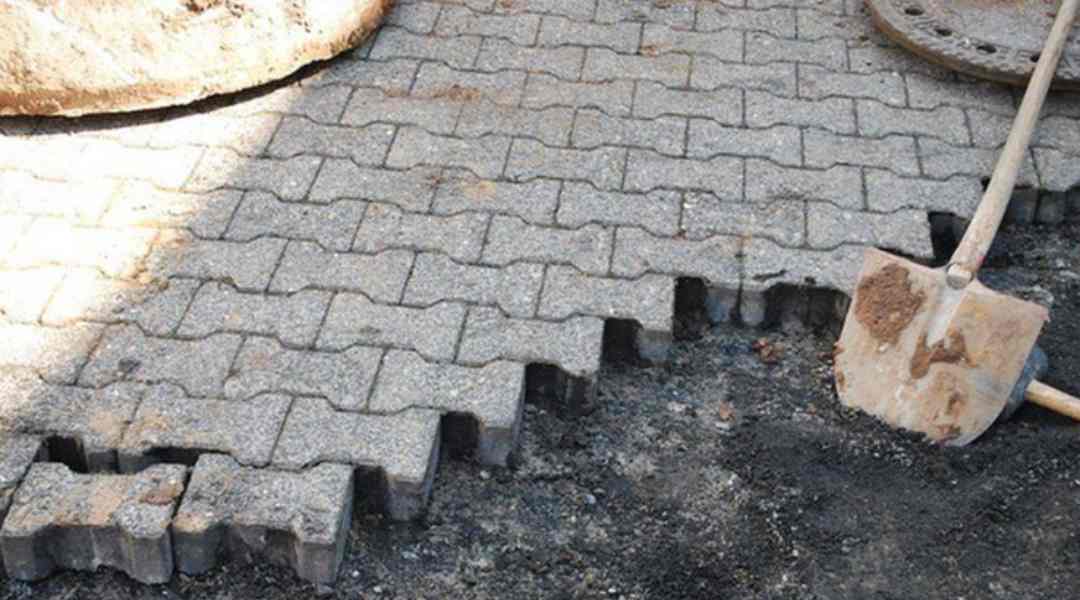
Why consider proper garden utility conduits?
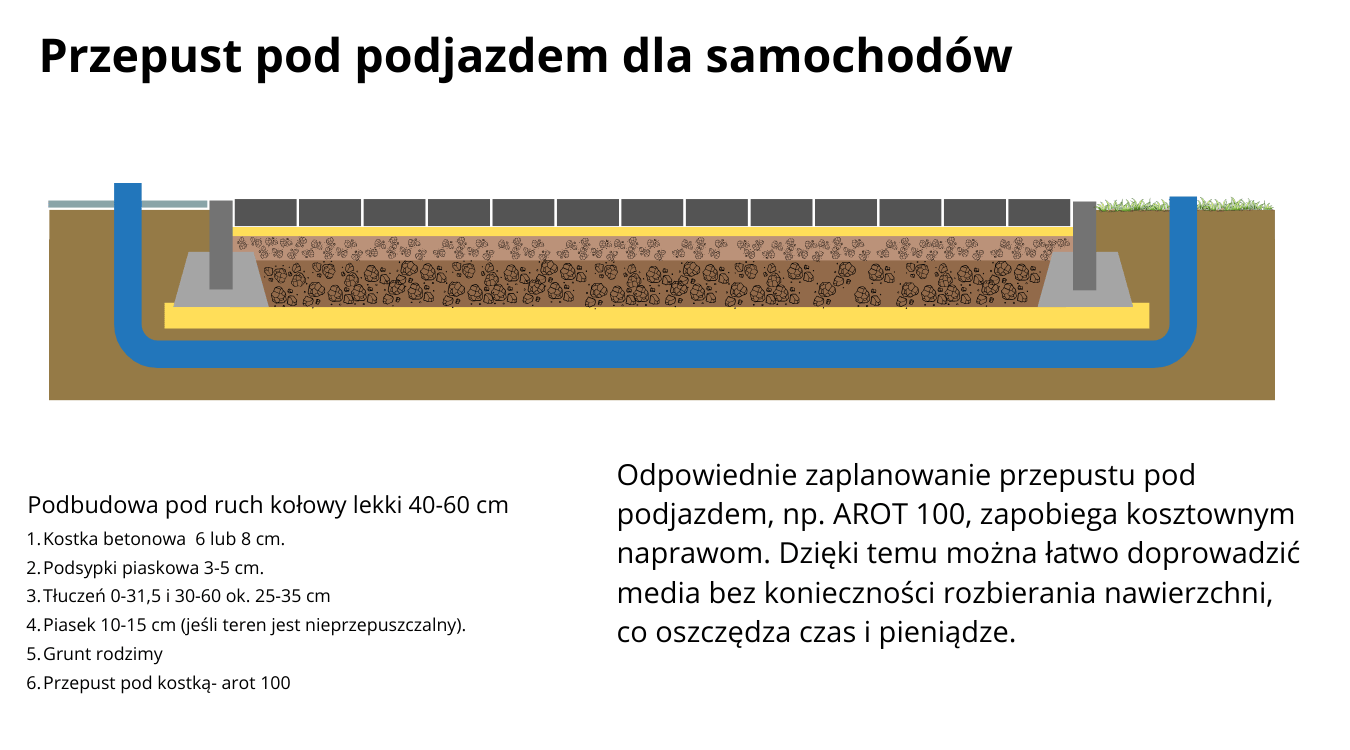
- Installing a pipe under a pathway or driveway during construction costs approximately $20-40 (£15-30), whereas later work involving dismantling and re-laying surfaces can cost several hundred to several thousand dollars/pounds, depending on the area size.
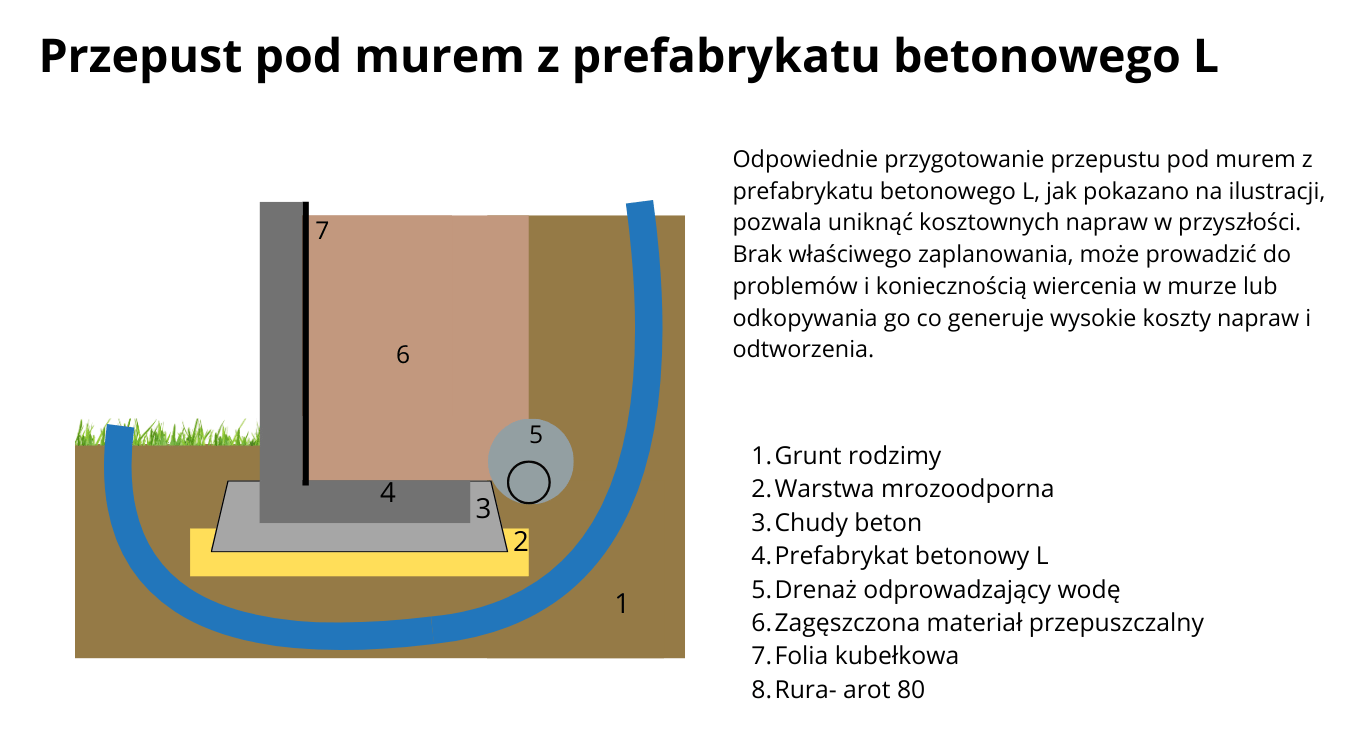
- Building an additional conduit into a wall during construction costs only $10-15 (£8-12). However, if the conduit wasn't included earlier, drilling a large-diameter hole in a finished wall can cost several hundred to several thousand dollars/pounds, plus additional expenses for damage repairs.
- Installing cables in a finished garden costs $0 with pre-prepared conduits. Without proper preparation, expenses can range from several hundred to several thousand dollars/pounds, including excavation work, surface repairs, and garden restoration. Understanding garden cost planning helps avoid these unexpected expenses.
Their absence means every change, such as installing garden lighting or watering systems, involves breaking, drilling, or dismantling existing elements, generating additional costs and consuming valuable time.

Where to install garden utility conduits?
- At utility exits from the house: This critical point involves media passage through building walls. Proper insulation and protection of these points prevents moisture problems. When planning installations, consider future needs, such as adding additional cables. You can read more about such planning in our garden zones planning guide.
- Under permanent elements: All fixed garden structures like paving stones, walls, or terraces require conduit planning before installation. Good practice involves using protective pipes with larger diameters than currently needed. This solution allows future installation additions without disturbing garden elements like paving, terraces, or building walls and insulation.
- At future installation locations: Even if we currently don't plan lighting or automatic irrigation system installation, it's worth anticipating their location. This saves future problems. If you're uncertain about elements to consider, browse our landscape design examples for inspiration.
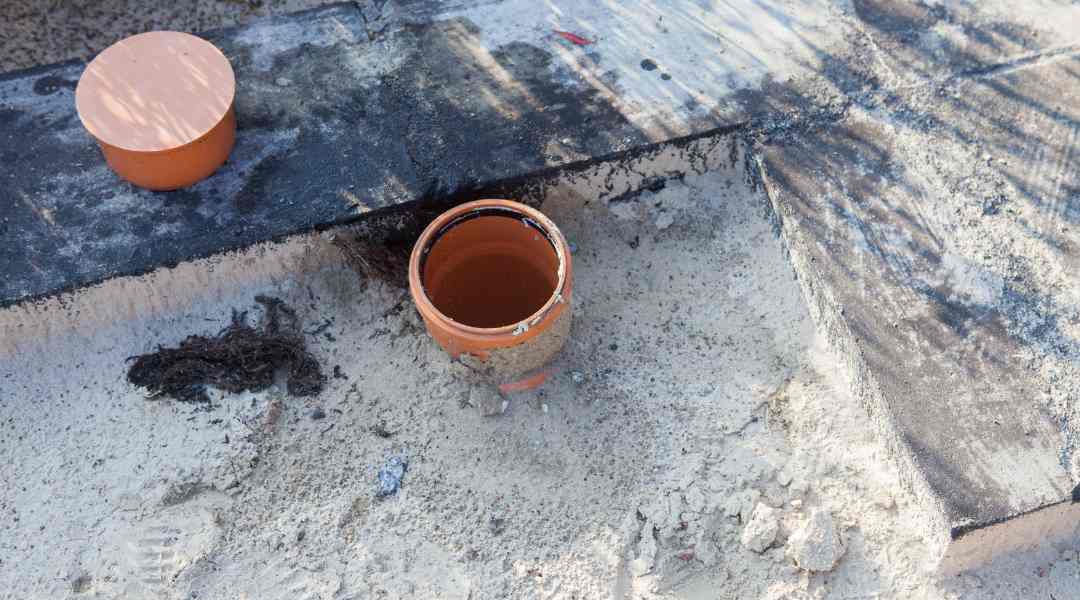
Which materials to use for garden conduits?
For garden applications and under paving, we always recommend using:
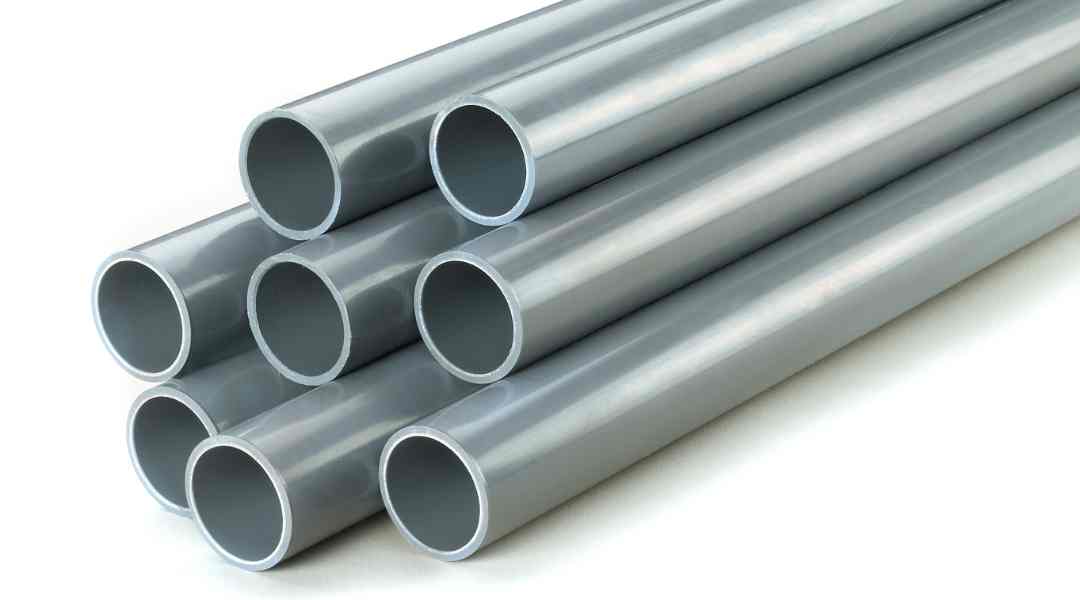
- PVC protective pipes, PE pipes, or protective conduits with high damage and corrosion resistance.
- Choose pipes with significantly larger diameters than required for planned media, ensuring flexibility for future changes.
- Remember when pulling cables through pipes to install another pilot wire (guide rope) for future use. This enables easy installation of additional cables or pipes without dismantling existing installations.
More practical guidance on choosing appropriate pipes and cables for various garden systems can be found in our comprehensive garden electrical planning guide.
How to plan garden utility conduits?

The key element in planning and implementing garden infrastructure is preparing a professional landscape design or at least a conceptual project. This determines:
- Media conduit placement – precise designation of locations for electrical cables, water pipes, or irrigation systems ensures easy media access without later destroying surfaces or vegetation.
- Power supply to strategic garden points – such as lighting, water pumps, automation systems, or electrical outlets, significantly enhancing space functionality. Detailed garden electrical planning ensures proper power distribution.
- Irrigation installation location – considering appropriate pipe diameters and proper sprinkler or drip line distribution, affecting watering efficiency and water savings. Use our irrigation planning calculator to estimate costs accurately.
- Media adaptation for future changes – e.g., reserve for additional cables or installations that might be needed in later garden development stages, avoiding costly future modifications. Learn more about comprehensive planning in our garden step by step guide.
Carefully planned garden zones allow precise consideration of individual element placement and necessary media supply. At this stage, we'll also know what to bring out from the house to avoid drilling or cutting new walls. For detailed technical specifications, review our technical garden plans guide.

Working with our landscape architecture firm ensures every garden element is thoroughly considered. During garden design, we discuss in detail the location of all plot elements. This facilitates media distribution, conduits, and other installations to avoid surprises. If you have questions, contact us through our online form.
Transform your outdoor space with professional planning
Proper garden utility planning saves significant time and money while creating a functional, beautiful landscape. Professional landscape design ensures all infrastructure needs are considered from the start, preventing costly retrofits and maximizing your garden's potential.

Contact us for a professional garden design consultation and discover how expert planning can bring your landscaping vision to life.
Frequently asked questions
What is the minimum depth for underground garden conduits?
Underground garden conduits should be buried at least 18-24 inches (45-60 cm) deep to prevent frost damage and accidental strikes during routine garden maintenance. For areas with heavy traffic or equipment, consider deeper installation up to 36 inches (90 cm).
Can I install garden conduits myself or do I need a professional?
Simple conduit installation for basic garden features can be DIY projects, but complex electrical or irrigation systems require professional installation. Always check local building codes and obtain necessary permits before beginning work on utility installations. Consider consulting our garden service provider selection guide for choosing qualified contractors.
What size conduit do I need for garden electrical cables?
For standard garden lighting and outlet installations, use 1-inch (25mm) diameter conduits minimum. For multiple cables or future expansion, consider 1.5-2 inch (40-50mm) conduits. Larger diameter pipes provide easier cable pulling and future upgrade capability.
How do I locate existing underground utilities before digging?
Always call 811 (or your local utility marking service) before digging to mark existing underground utilities. Use ground-penetrating radar or electromagnetic locators for comprehensive utility mapping, especially for private lines not covered by public utility marking services.
What's the best material for garden irrigation conduits?
PVC Schedule 40 pipe is ideal for garden irrigation conduits due to its durability, corrosion resistance, and cost-effectiveness. For areas with extreme temperature variations, consider HDPE flexible pipe which handles ground movement better. Learn more about complete irrigation systems planning in our comprehensive guide.
How far apart should I space garden utility conduits?
Maintain at least 12 inches (30 cm) separation between different utility types (electrical, water, gas) to prevent interference and allow safe maintenance access. Group similar utilities together while maintaining code-required spacing.
Should I install pull ropes in garden conduits?
Always install pull ropes or guide wires in conduits during installation. Use polypropylene rope rated for underground use, and secure both ends to prevent loss. This simple step saves significant time and money during future cable installations.
What permits do I need for garden conduit installation?
Permit requirements vary by location and project scope. Generally, electrical conduits require permits, while simple irrigation conduits may not. Check with your local building department and consider hiring professionals for complex installations to ensure code compliance.
How do I prevent water accumulation in underground conduits?
Install conduits with slight slopes toward drainage points, use proper sealing at entry points, and consider installing drainage sumps at low points. Avoid sharp bends that can trap water and cause freeze damage in cold climates. For comprehensive drainage planning, use our garden drainage cost calculator to estimate proper system sizing.
Can I run different utilities through the same conduit?
Never run electrical cables with water pipes or gas lines in the same conduit. Separate conduits prevent dangerous cross-contamination and meet safety codes. Plan separate pathways for each utility type while maximizing efficient routing.

Wojciech Kazimierowicz – Author of the Article
Co-owner of Wytwórnia Zieleni and an expert in garden design and landscaping with over 13 years of experience. He specializes in creating modern, functional green spaces tailored to the budget and needs of homeowners.

Find Out How Much Your Garden Design Will Cost!
Take a quick quiz and discover the estimated cost of a custom garden design tailored to your needs. No strings attached – it takes just 2 minutes!


Wytwórnia Zieleni | Garden Design
KRS 0001107384 NIP 6452587627 REGON 528715049 St. Strzelców Bytomskich 51/1 42-600 Tarnowskie Gory, Poland
Resources
© Wytwórnia Zieleni 2026


