Garden Irrigation Systems: Complete Guide to Efficient Garden Watering
Garden irrigation systems automate watering through controllers, valves, sprinklers, and drip lines to deliver precise, efficient moisture to lawns and planting beds. Proper design and zoning ensure uniform coverage, lower water consumption, healthier plants, and long-term cost control.
TL;DR
- Automatic irrigation systems save time and optimize water usage through scheduled, sensor-based control.
- Proper irrigation design prevents uneven watering, dry lawn spots, and excessive operating costs.
- Core components include a controller, valve box, sprinklers, drip lines, sensors, and piping.
- Water sources may include mains water, wells, or rainwater tanks depending on garden size and budget.
- DIY installation can reduce costs by 30–60%, but professional planning improves efficiency and reliability.
Published
18 February 2026
Share this article


 Copied
TOC
- Garden Irrigation Systems - Complete Guide
- How Do Garden Irrigation Systems Work?
- Benefits of Garden Irrigation Systems
- Automatic Garden Irrigation Design - Is It Necessary?
- Is DIY Irrigation System Installation Difficult?
- Garden Irrigation System Components
- Water Sources for Garden Irrigation Systems
- Transform Your Garden with Professional Irrigation Solutions
- Frequently Asked Questions About Garden Irrigation Systems
Garden Irrigation Systems - Complete Guide

Automatic garden watering systems are modern solutions that enable efficient and cost-effective irrigation without manual intervention in the entire process. These garden irrigation systems are essential for maintaining healthy garden beds and consist of the following components:
- irrigation controller
- valve box with solenoid valves
- static or rotating sprinklers
- drip lines
- moisture sensors
- pipes, elbows, tees, valve boxes, valves, and other elements

Such garden watering systems are a great convenience and form the foundation of most modern garden design, alongside automatic lighting or robotic mowing systems.
How Do Garden Irrigation Systems Work?

- Irrigation Control: The controller (control computer) activates the irrigation system according to a pre-programmed schedule. Thanks to a rain sensor, the system checks weather conditions and stops watering when rainfall is detected.
- Opening Solenoid Valves: Solenoid valves in the control box open section by section, according to programmed operating times for each garden area. This allows precise irrigation management.
- Water Source: The system draws water from a selected source, such as a well, rainwater tank, or water mains. The source provides adequate water supply for irrigation, and choosing the right solution depends on available resources and garden size. Proper garden zoning helps optimize water distribution across different areas.
- Water Flow to Sprinklers and Drip Lines: Sprinklers emerge from the ground and evenly water selected areas like lawns. Drip lines deliver water directly to plant roots in flower beds and among shrubs.
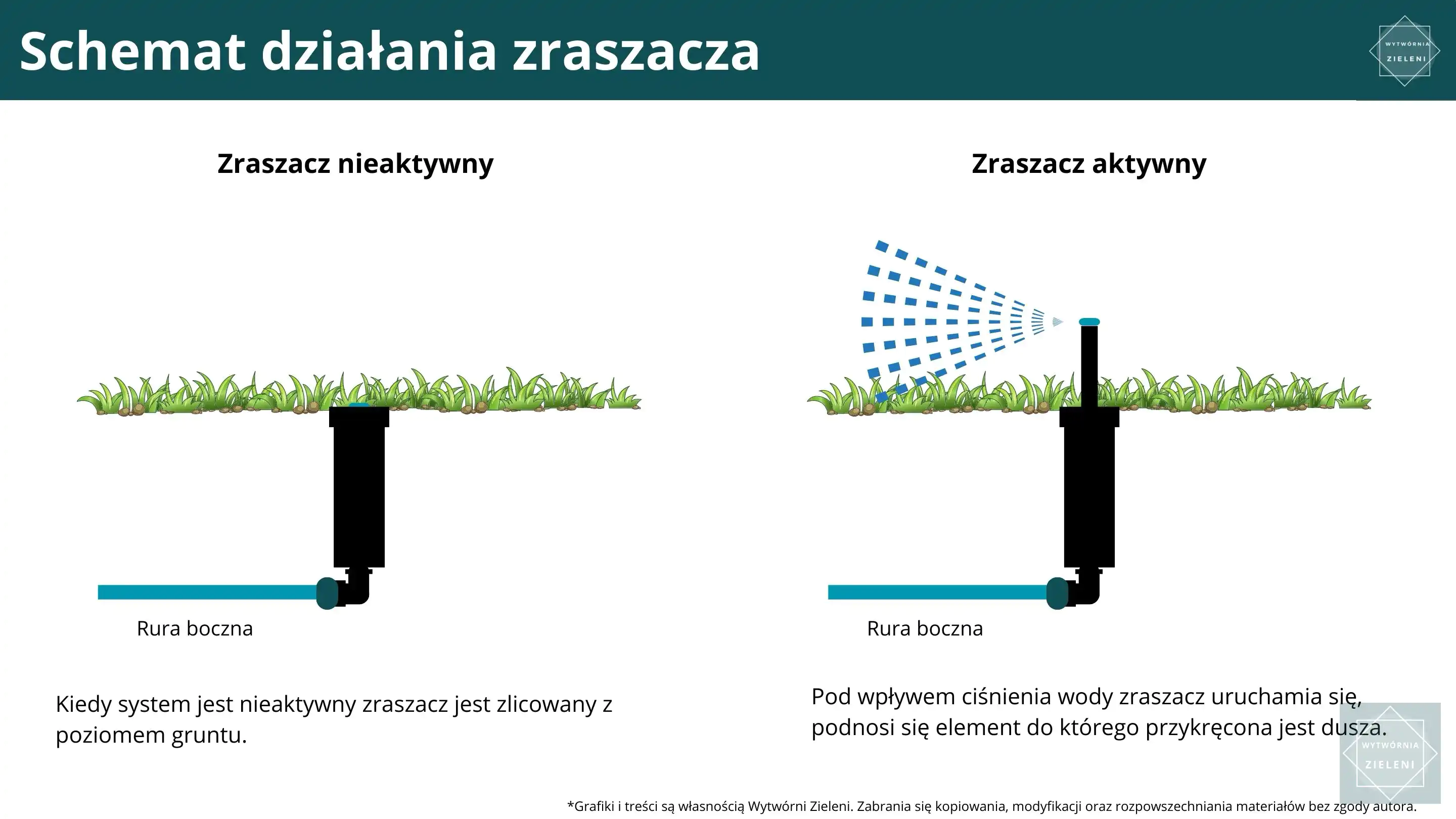
- Irrigation Completion: After completing the cycle for each section, solenoid valves close, pressure drops, sprinklers retract, and water stops flowing in the sections.
The system operates automatically, allowing for time, water, and energy savings. You can read about additional benefits from the system below.
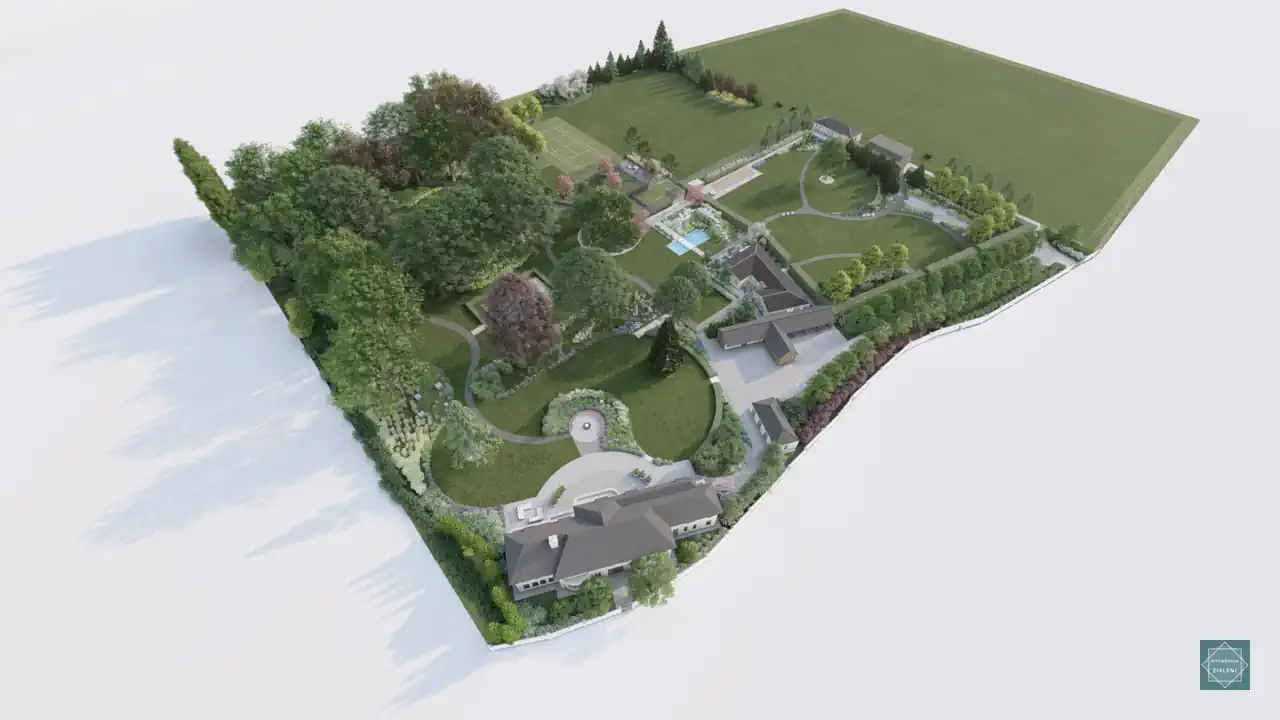
Large-scale properties require sophisticated irrigation planning to maintain diverse planting zones efficiently. Advanced automated systems featured in this contemporary London estate design demonstrate how smart irrigation technology manages 25,000 m² of varied landscape while conserving water and reducing maintenance demands.
Benefits of Garden Irrigation Systems
Garden irrigation systems significantly improve garden usability and plant care. Below are some of the most important benefits offered by automatic watering systems:
- Time Savings: Automatic irrigation systems eliminate the need for manual garden watering. This allows you to spend more time relaxing or on other activities.
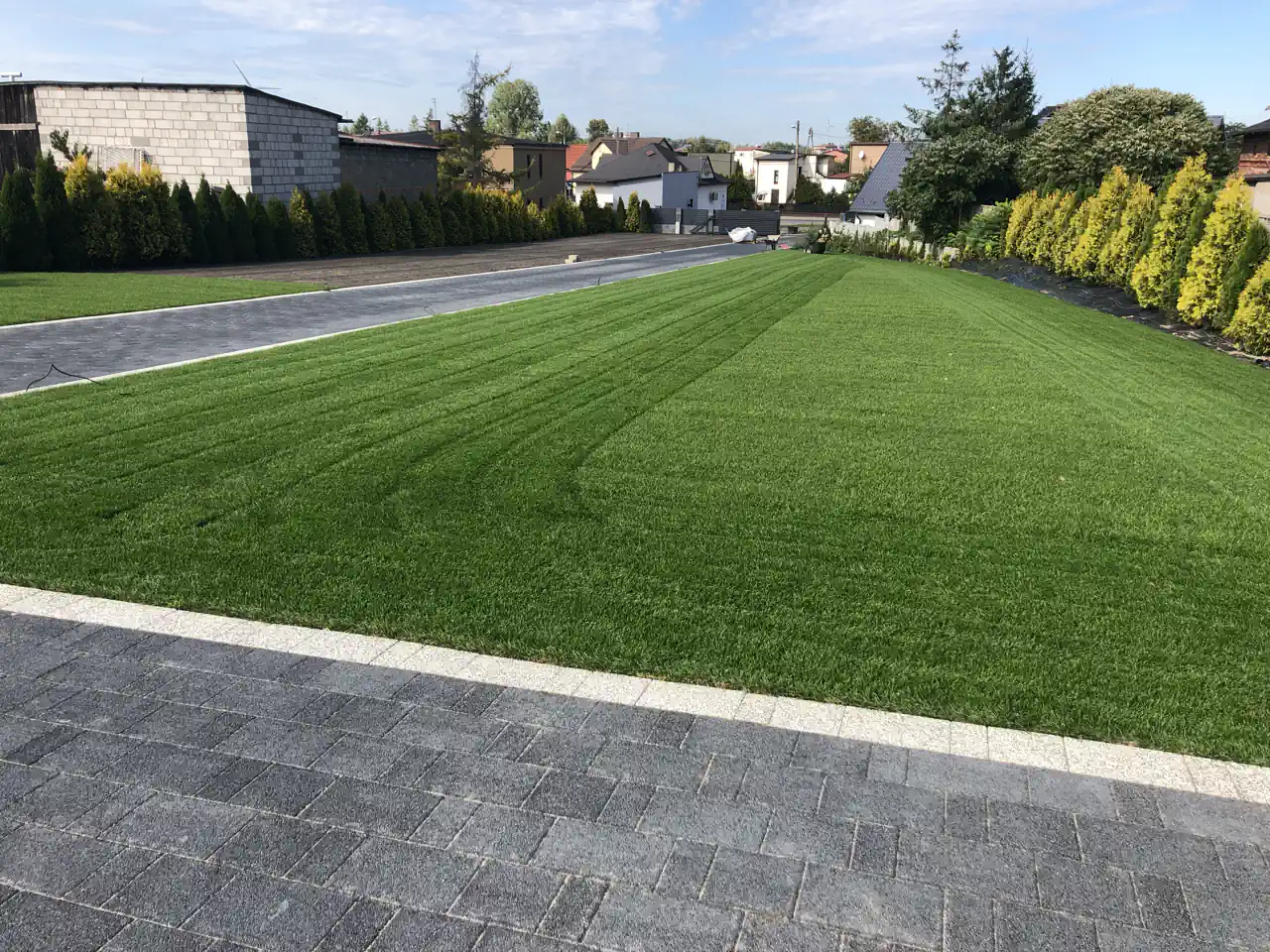
- Efficient Water Use: Thanks to precise irrigation scheduling and adjusting water amounts to plant needs, you avoid water waste. Manual watering cannot provide such regularity and efficiency when compared to professional irrigation system design.
- Healthy Plant Development: Regular and properly adjusted watering supports healthy plant growth, providing optimal growing conditions. Watered plants grow 2-3 times faster, allowing gardens to quickly reach target sizes.
- Weather Adaptation: Modern systems can be equipped with rain sensors, moisture sensors, or weather databases that automatically adjust watering frequency and intensity.
Want to know how much irrigating your garden will cost? Use our water usage calculator, which will quickly estimate the costs of watering your property. For comprehensive landscape planning, our mulch calculator helps determine coverage needs for garden beds.
Automatic Garden Irrigation Design - Is It Necessary?
Is professional garden irrigation design necessary? Yes, proper system design ensures adaptation to site conditions and plant watering requirements. Professional landscape architecture firms understand the complexity of creating efficient watering systems.

Lack of irrigation design can result in:
- Uneven Watering – some plants may be under-watered while others are over-watered, creating dry spots on lawns that ruin the green carpet effect. This is particularly problematic in front yard landscaping where visual appeal is crucial, and affects areas with backyard fire pit ideas where consistent irrigation supports surrounding plantings.
- Higher Operating Costs – poorly planned sprinkler placement causes inefficient water use, increasing costs.
- Higher Installation Costs – lack of optimal design and system calculations prevents proper component selection and quantities.
- Problematic Installation – without proper component selection, you'll have difficulties with later irrigation system installation, again increasing time and financial costs.

How to design garden irrigation yourself? Such a project can be completed by anyone with basic technical skills and time to acquire necessary knowledge. However, it's worth remembering this is a crucial stage, so without experience, it's better to entrust it to a professional company.

Understanding how to design garden layouts properly is essential before implementing irrigation systems. Modern garden design software and ai garden design tools can assist in planning optimal irrigation placement.
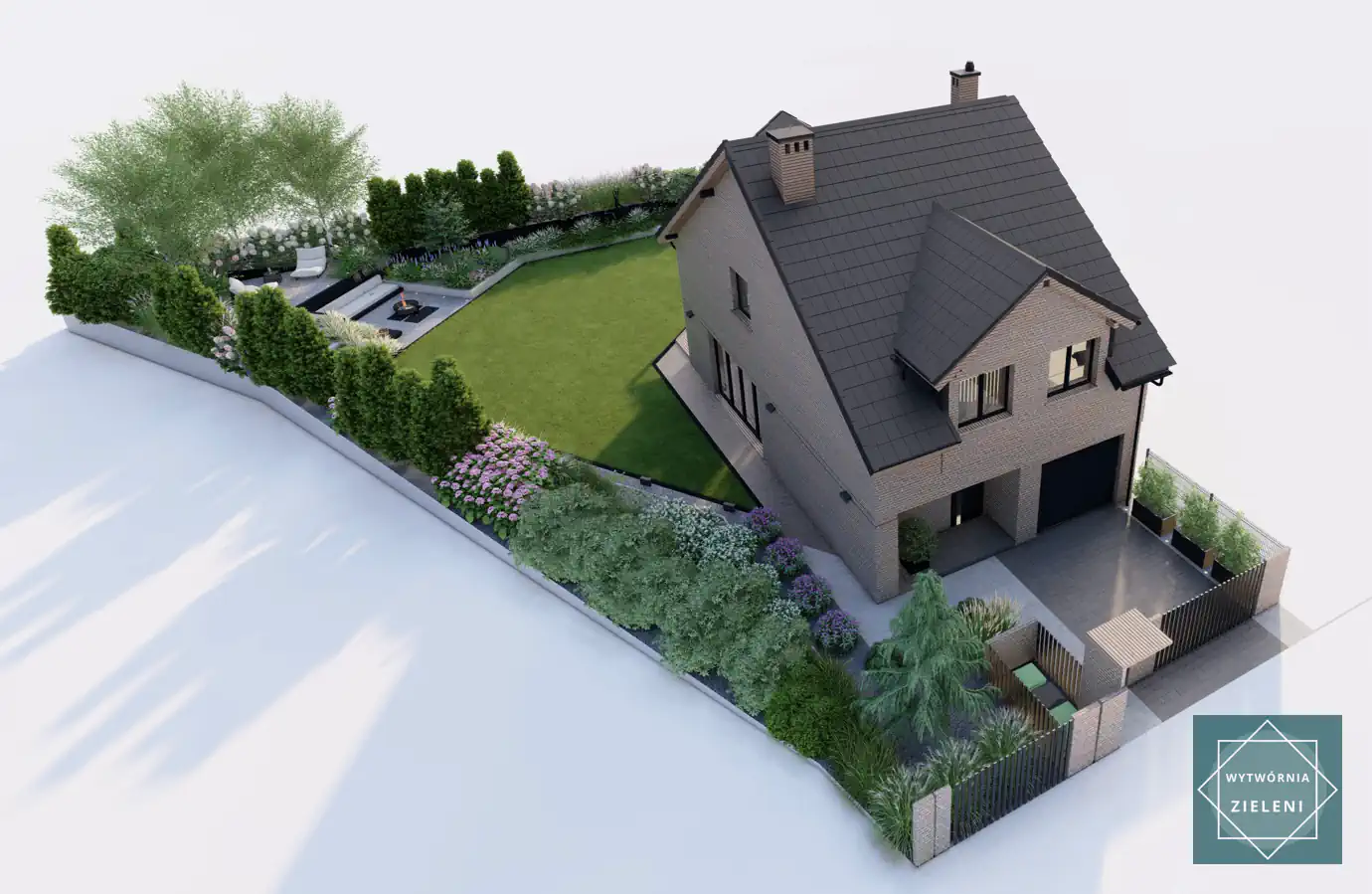
Specialists like experienced landscape designers will select optimal solutions such as WiFi controllers, automatic pumps, rainwater tank refilling, or appropriate sprinkler system components, ensuring functionality and convenience. Professional garden design services can integrate irrigation planning with overall landscape design.
Is DIY Irrigation System Installation Difficult?
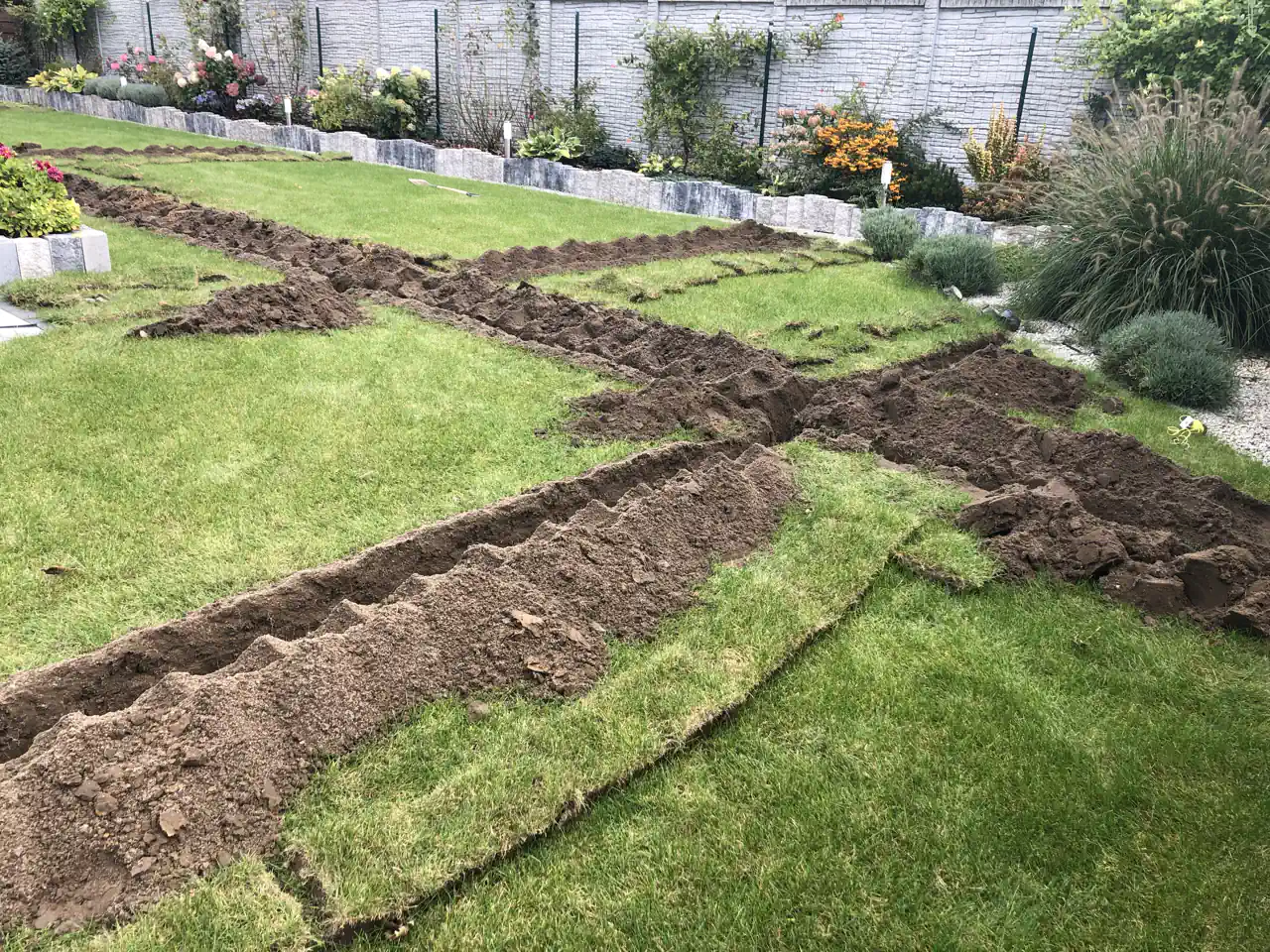
A complete automatic watering system for lawns and flower beds may seem complicated, but it's not rocket science! A person with basic technical skills, open to challenges and willing to invest time, can complete this independently. It's worth reading our comprehensive guide about sprinkler system installation, where we describe this process step by step. The main advantage of DIY installation is saving approximately 30-60% of the total system cost compared to professional installation.
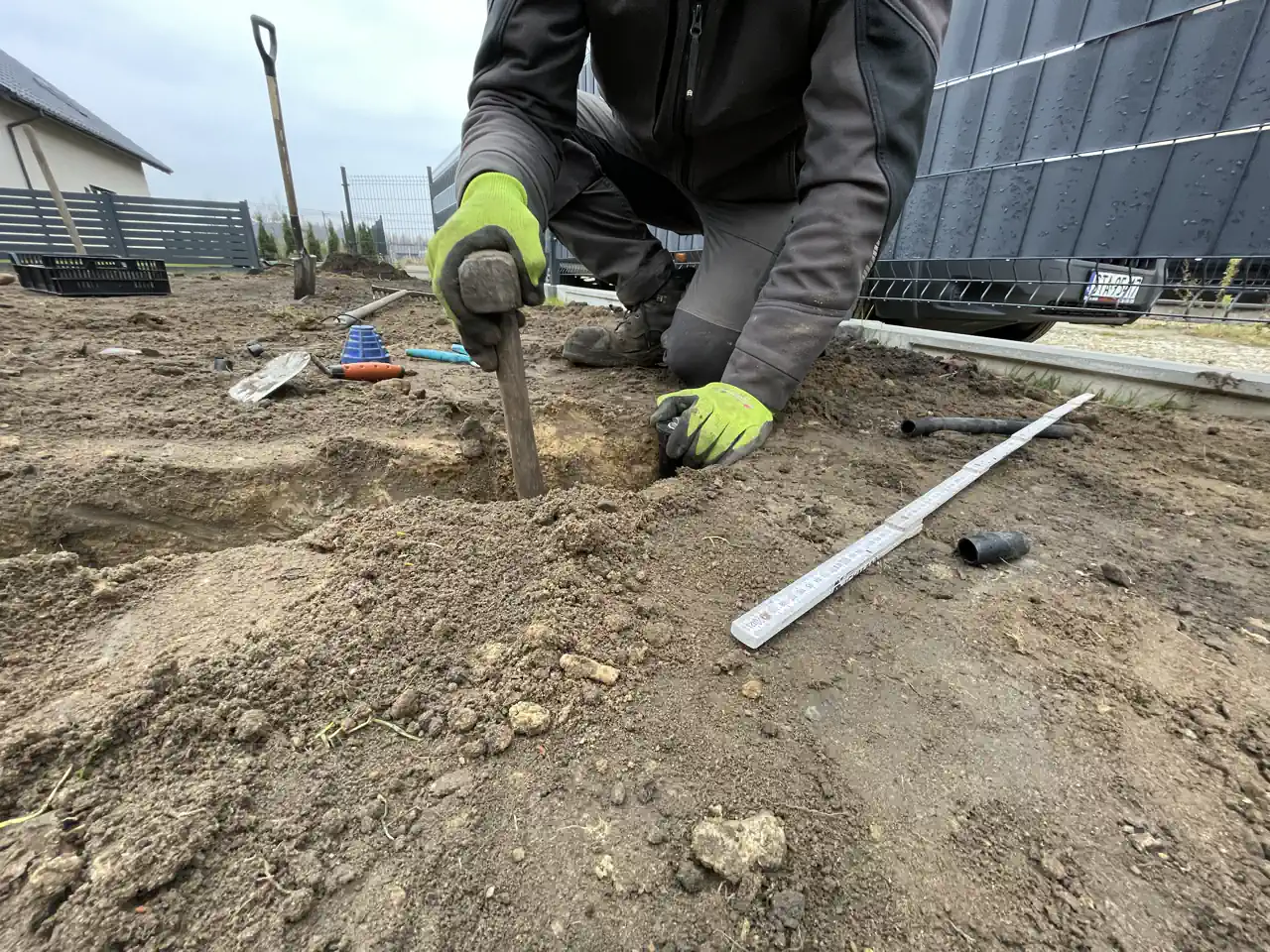
Patience and willingness to learn are important. This guide will help you understand how the entire system works and what components it includes. The first step in installing irrigation systems is measuring water source parameters, which allows designing the installation according to available capabilities. This includes testing with a water pressure gauge to ensure adequate system pressure. Consider using a professional soil calculator to determine proper drainage and soil conditions for your irrigation zones.
Garden Irrigation System Components
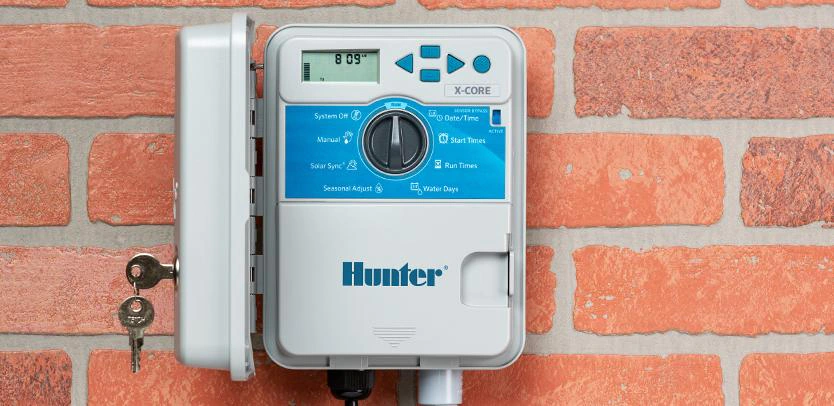
Irrigation Controller (Example: HUNTER Controller)
The irrigation controller is the brain of the entire system. Based on programmed settings, it controls the operation of pumps, solenoid valves, and other system elements. It can be equipped with soil moisture sensors, rain sensors, or WiFi access to weather data. Modern controllers are key components of automatic sprinkler systems.
Valve Boxes
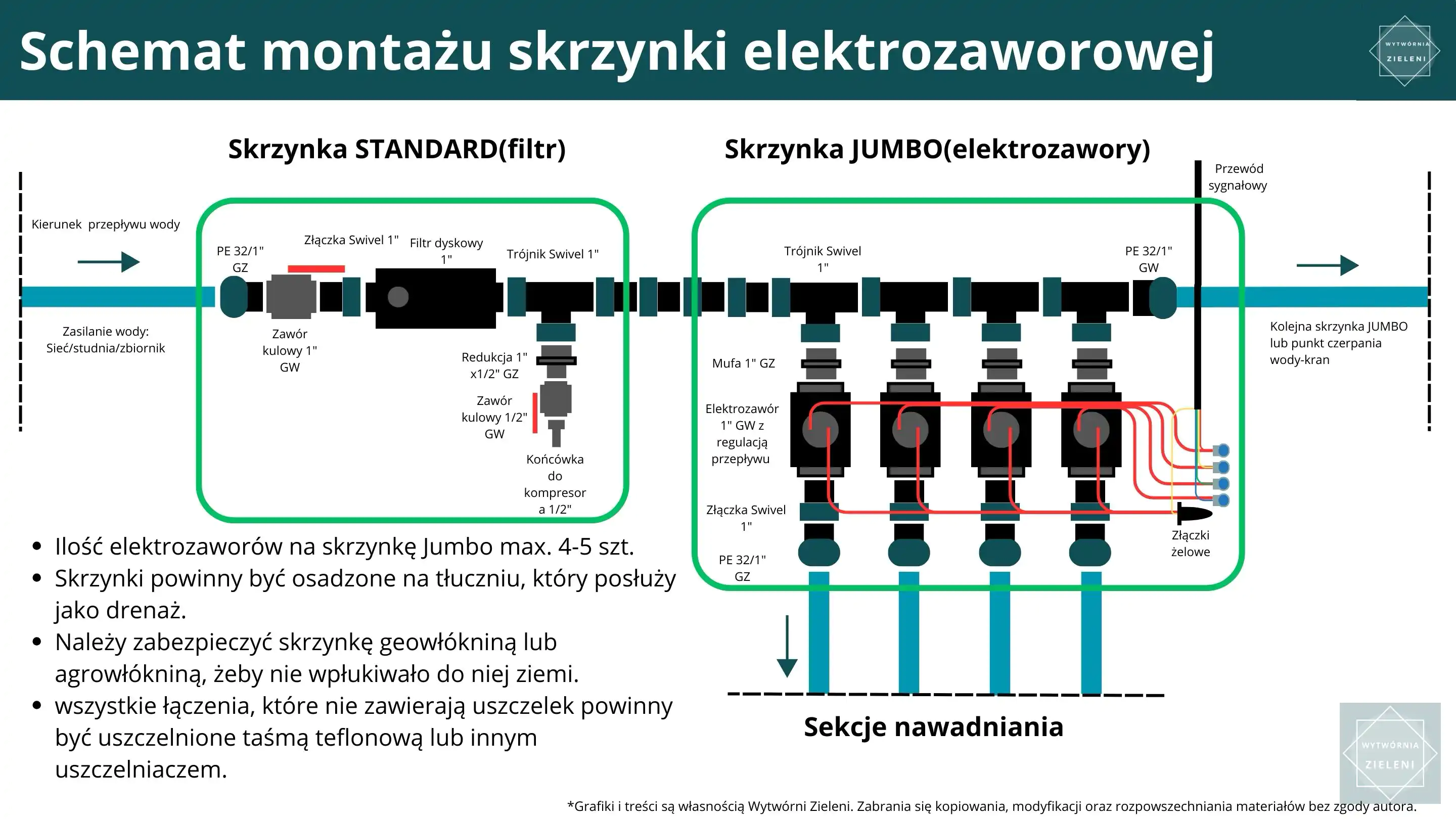
Valve boxes with solenoid valves are key elements of irrigation systems that divide the entire watering into appropriate irrigation sections. Boxes are technical elements, so they're installed underground in special housings. Access to solenoid valves is typically required in 3 cases:
- In spring when starting the irrigation system
- In fall when removing water from the system
- During malfunctions, such as when a solenoid valve doesn't work properly
Otherwise, boxes remain closed and can be covered with bark or stone in flower beds. Depending on size, they can accommodate 1 to several solenoid valves, facilitating management of the entire irrigation installation.
Sprinkler Sections for Lawn Watering
Lawn irrigation sets consist of pop-up sprinklers like Hunter's MP rotators. Under water pressure, they emerge from the ground when the system is active, then retract when watering is finished. Different sprinkler sizes can water areas from several to even 200 square meters.
Drip Line Sections for Flower Bed Irrigation
Drip lines are pipes with small holes that enable slow and even water delivery directly to plant roots. This is particularly effective for densely planted areas or garden and flower beds. They can be installed under shrubs, hedges, perennials, and trees, including hedge plants and climbing plants that require consistent moisture. This efficient method is detailed in our drip irrigation system guide.
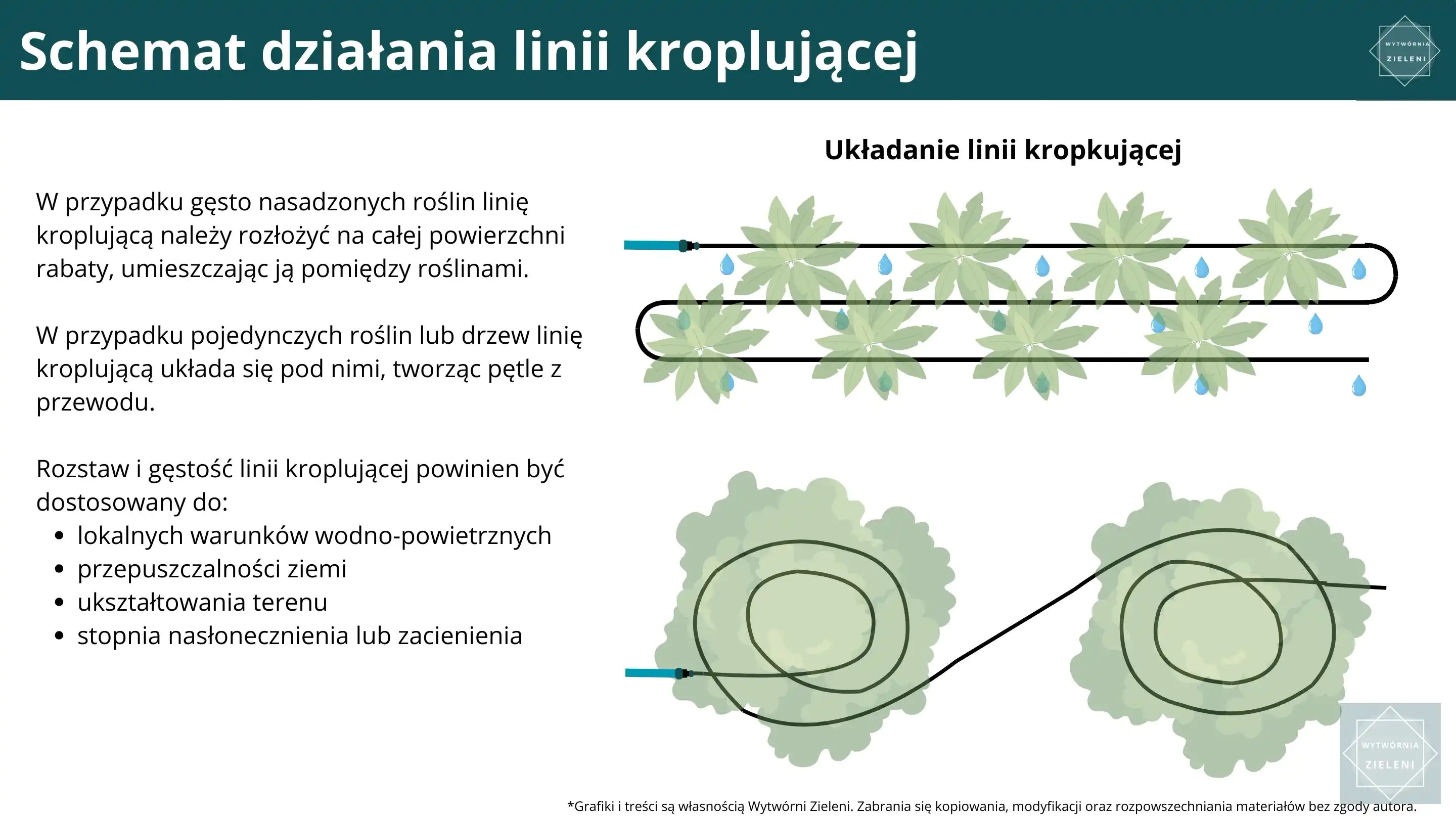
This type of solution is also suitable as:
- greenhouse irrigation system
- patio irrigation system
- balcony irrigation system
- container irrigation system
These systems work particularly well for fence line landscaping projects where targeted watering helps establish privacy plantings.
Rain Sensors and Smart Control
Rain sensors prevent irrigation during rainfall, saving water. The irrigation controller manages the entire system, turning various elements on and off according to established schedules and rain sensor information.
Other Components
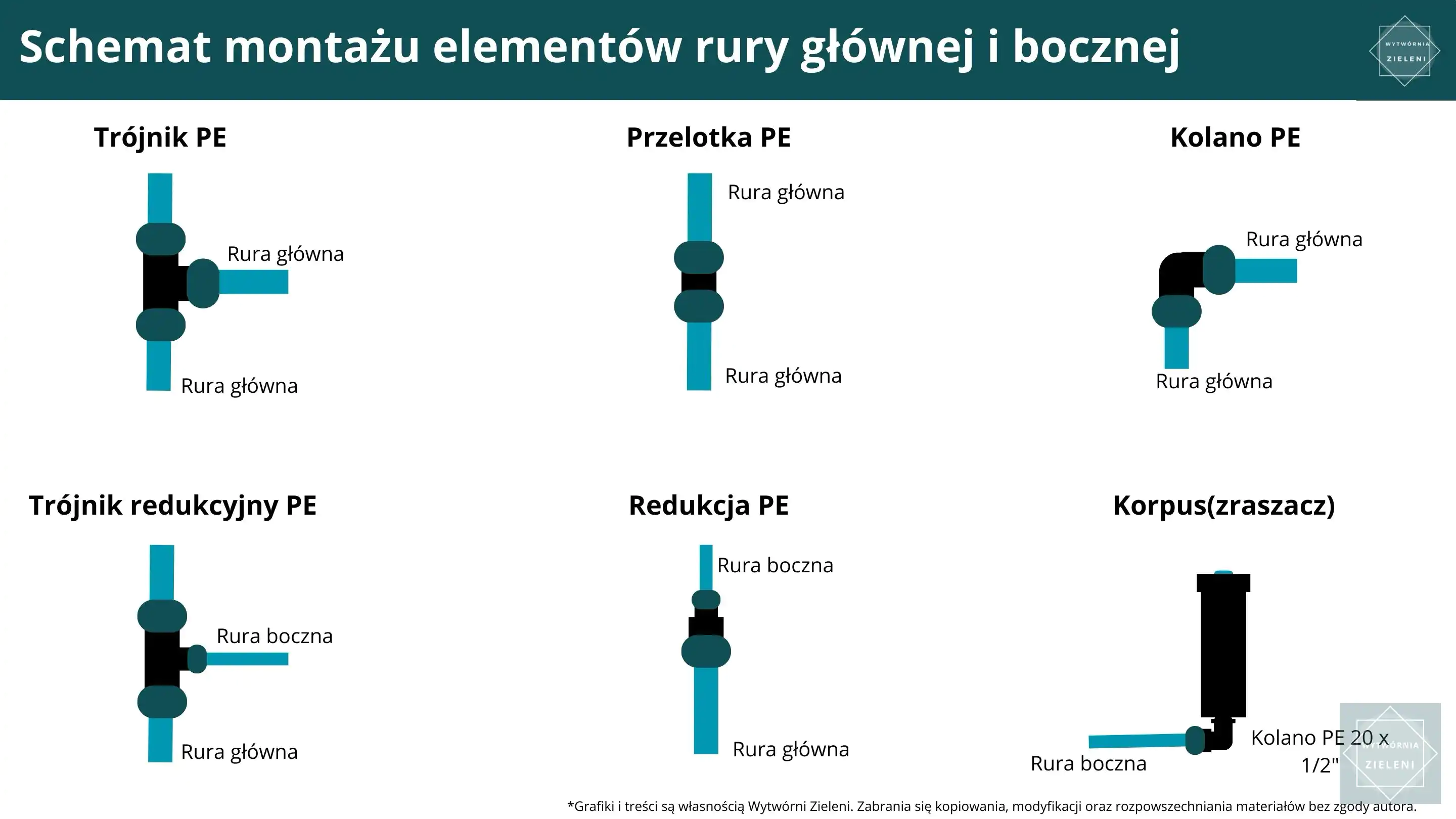
Additional elements essential for system operation include push-fit connectors, tees, irrigation pipes, cables and telecommunication wires, power supplies, and gel connectors. For monitoring water usage and system efficiency, consider installing an irrigation water meter to track consumption patterns.
Water Sources for Garden Irrigation Systems
Choosing the right water source is key to efficient and economical garden irrigation. Proper irrigation water supply planning ensures adequate flow rates and pressure for optimal system performance. Below you'll find brief characteristics of available solutions:
- Mains Water – easy to use but costly long-term.
- Shallow and Deep Wells – high initial cost but economical for large properties. Well water irrigation systems require specific considerations for pump sizing and pressure management.
- Rainwater Tank with Pump – ecological and economical for smaller gardens. A comprehensive rainwater collection system can significantly reduce water costs while supporting sustainable gardening practices.
Transform Your Garden with Professional Irrigation Solutions
Garden irrigation systems represent an essential element of modern landscape design that saves time, water, and energy while providing plants with optimal growing conditions. Through systems based on controllers, sprinklers, and drip lines, watering occurs evenly and effortlessly. For effective system operation, proper design, water source selection, and regular maintenance are important.

Understanding landscape design cost factors helps budget for comprehensive irrigation planning. Ready to implement this solution and discover how professional garden design consultation can bring your vision to life.
Frequently Asked Questions About Garden Irrigation Systems
How much does installing a garden irrigation system cost?
Installation costs vary depending on garden size, system complexity, and chosen components. Use our landscape pricing calculator to estimate project costs. DIY installation can save 30-60% compared to professional installation.
Can I install an irrigation system on an existing lawn?
Yes, irrigation systems can be installed on existing lawns, though it requires careful planning to minimize lawn damage during installation.
How often should I run my automatic irrigation system?
Frequency depends on season, weather conditions, soil type, and plant requirements. Most systems run daily during peak summer months for 15-30 minutes per zone.
What maintenance does an irrigation system require?
Regular maintenance includes spring startup, fall winterization, cleaning filters and nozzles, checking for leaks, and adjusting watering schedules seasonally. Consider consulting landscape garden design professionals for comprehensive maintenance planning.
Can smart irrigation controllers save water?
Yes, smart controllers with weather sensors and soil moisture monitoring can reduce water usage by 20-50% compared to traditional timer-based systems.

Wojciech Kazimierowicz – Author of the Article
Co-owner of Wytwórnia Zieleni and an expert in garden design and landscaping with over 13 years of experience. He specializes in creating modern, functional green spaces tailored to the budget and needs of homeowners.

Find Out How Much Your Garden Design Will Cost!
Take a quick quiz and discover the estimated cost of a custom garden design tailored to your needs. No strings attached – it takes just 2 minutes!


Wytwórnia Zieleni | Garden Design
KRS 0001107384 NIP 6452587627 REGON 528715049 St. Strzelców Bytomskich 51/1 42-600 Tarnowskie Gory, Poland
Resources
© Wytwórnia Zieleni 2026


