Site restoration after construction - complete cleanup guide
Rekultywacja działki po budowie polega na usunięciu odpadów i gruzu, wykoszeniu oraz wykarczowaniu zarośli, a następnie wycince lub zabezpieczeniu kolidujących drzew i usunięciu pni lub korzeni, aby przygotować teren pod dalsze prace ziemne i ogród.
TL;DR
- Rekultywacja działki po budowie zaczyna się od zebrania i wywiezienia gruzu, śmieci oraz pozostałości materiałów budowlanych.
- Wykaszanie i karczowanie dobiera się do skali zarośli, od kosy spalinowej przez kosiarkę bijakową po mulczer leśny.
- Wycinkę drzew należy poprzedzić oceną, czy drzewa mogą zostać w projekcie oraz weryfikacją wymogów prawnych dotyczących pozwolenia.
- Pnie i korzenie usuwa się przez frezowanie lub wyrwanie koparką, a wybór metody zależy od instalacji w gruncie i kosztów utylizacji.
- Po rekultywacji przechodzi się do robót ziemnych, bo dopiero oczyszczony teren pozwala poprawnie wyznaczyć poziomy i wykonać niwelację.
Published
12 February 2026
Share this article


 Copied
TOC
- Why site restoration is crucial before landscaping
- Construction debris and waste removal
- Land clearing and vegetation management
- Tree removal and stump removal
- Legal tree removal without permits
- Stump removal and root elimination
- Professional ground preparation equipment working on residential construction site
- Ready to Transform Your Property?
- Frequently asked questions about site restoration
- Why is post construction site restoration crucial?
- What is land reclamation?
- How can existing trees be utilized?
- What's the difference between reclamation and restoration?
- How long does construction site restoration take?
- Can I clear trees myself?
- What should I do with debris and waste after restoration?
- Is site restoration necessary?
- What tools are essential for preparatory work?
- How much does site restoration cost per square foot?
Why site restoration is crucial before landscaping
Before starting your garden project, the first and extremely important step is post construction site restoration. The site restoration process includes the following steps:
- Removing construction debris and waste materials
- Clearing overgrown vegetation and brush clearing
- Tree removal, shrub removal, and root system elimination
In this article, you'll learn how to systematically restore order to your property after construction completion before moving on to landscape design.
Construction debris and waste removal
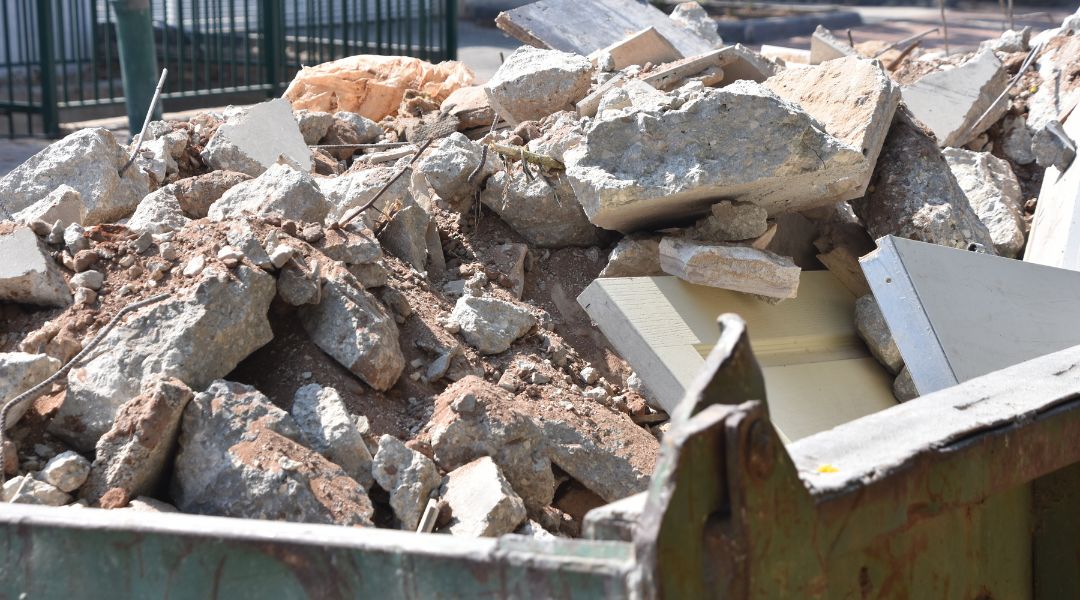
Post construction cleanup and debris removal are essential first steps. Construction materials, concrete pieces, bricks, and installation fragments often remain on the property after construction completion. Removing these elements is not only about aesthetics but also safety, especially if you're planning to work with machinery (debris can damage lawn mowers or mulchers). It's important to establish during the construction phase:
- Clear agreements with contractors about material storage and site maintenance
- Provide containers, bags, and waste collection systems
- Ensure proper cleanup procedures, as you'll bear any additional costs
It's worth learning about landscape design cost at the earliest stage of work to facilitate expense planning and good decision-making. Additionally, you can use our landscape pricing calculator to estimate costs.
Land clearing and vegetation management
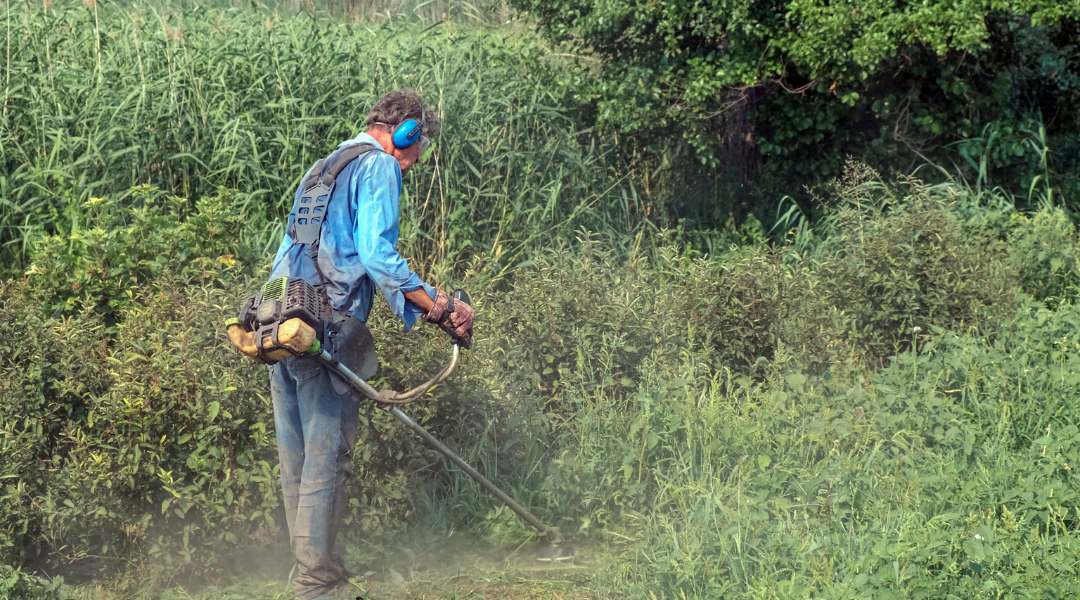
Overgrown land clearing is a common sight on construction sites after home building completion. To restore proper order, several options exist. The key factor influencing method selection is property size and degree of vegetation overgrowth. Here are the main possibilities:
- Brush clearing with gas-powered tools - When the property has tall grasses and semi-woody weeds, gas-powered brush cutters should handle the job. The green mass remaining after cutting may require raking and disposal.
- Mechanical land clearing - Smaller flail mowers easily handle tall grasses and woody weeds. This type of equipment can also grind smaller trees and shrubs. After such clearing, collecting debris is usually unnecessary since it's sufficiently shredded.
- Forest mulcher - This is heavy machinery that handles any type of property. This equipment is mandatory for heavily overgrown land clearing. There are also deep mulchers capable of removing tree roots immediately. The main issue may be that companies with such machines don't always want to take on small jobs.
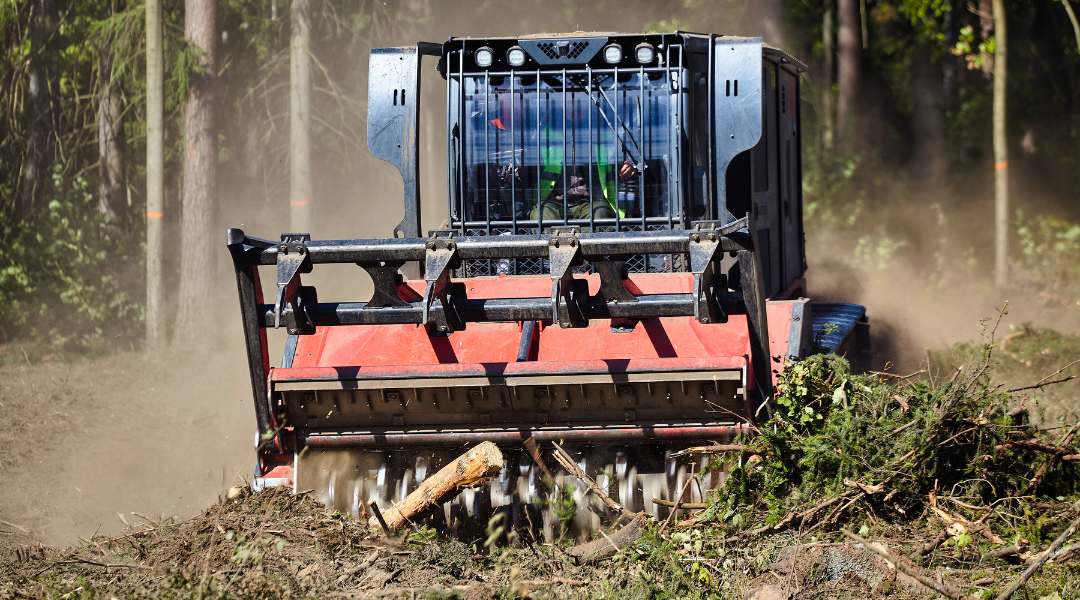
After completing this stage, your property gains an organized and fresh appearance. This makes it easier to assess its potential and plan next steps for designing and establishing your dream garden. Below you can see how a mini-loader with flail mower handles overgrown terrain.
Tree removal and stump removal
If large trees grow on your property, before removing them, check whether permits are required. In some cases, regulations limit tree removal, but exceptions exist for fruit trees and those not exceeding specific dimensions.
- Consider whether the tree can remain and become part of your garden design services
- Assess the tree's value – if healthy and attractive, consider preserving it
- If planning tree removal, first verify regulations – check if permits are required
Not every tree needs removal – most or at least some can become assets to your space. Before deciding, check legal requirements and consider whether trees can be incorporated into your landscape garden design instead of cutting them down.
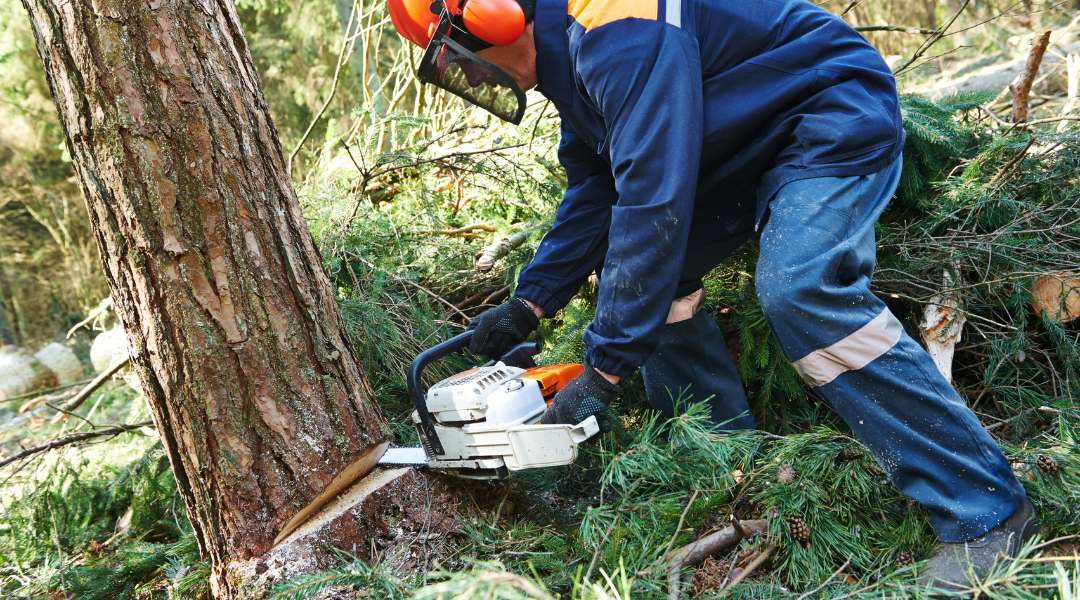
Consider tree removal only when:
- The tree is diseased, damaged, or poses a threat
- Planned earthwork around the tree, such as removing or adding large soil masses, would destroy its root system
- The tree conflicts with key technical elements of your garden design that cannot be modified
For large trees, always consult with an arborist who can assess their condition and advise whether removal is necessary or if the tree should be preserved as an impressive landscape element. Consider working with a professional landscaping company for expert evaluation.
Legal tree removal without permits
Current regulations indicate that permits aren't always required for tree removal. According to nature protection laws, trunk circumference measurement at 2 inches (5 cm) from ground level is a key criterion. For trees with:
- Circumference up to 31 inches (80 cm) – including poplar, willow, box elder, and silver maple
- Circumference up to 26 inches (65 cm) – such as horse chestnut, black locust, or London plane
- Circumference up to 20 inches (50 cm) – for other species
No formal permit is required, provided they grow on private properties and aren't subject to additional protection forms, such as monument status.
Stump removal and root elimination
If you used a forest mulcher or deep mulcher on your property, you can skip this stage. However, for remaining tree roots after cleanup work, you have two removal methods:
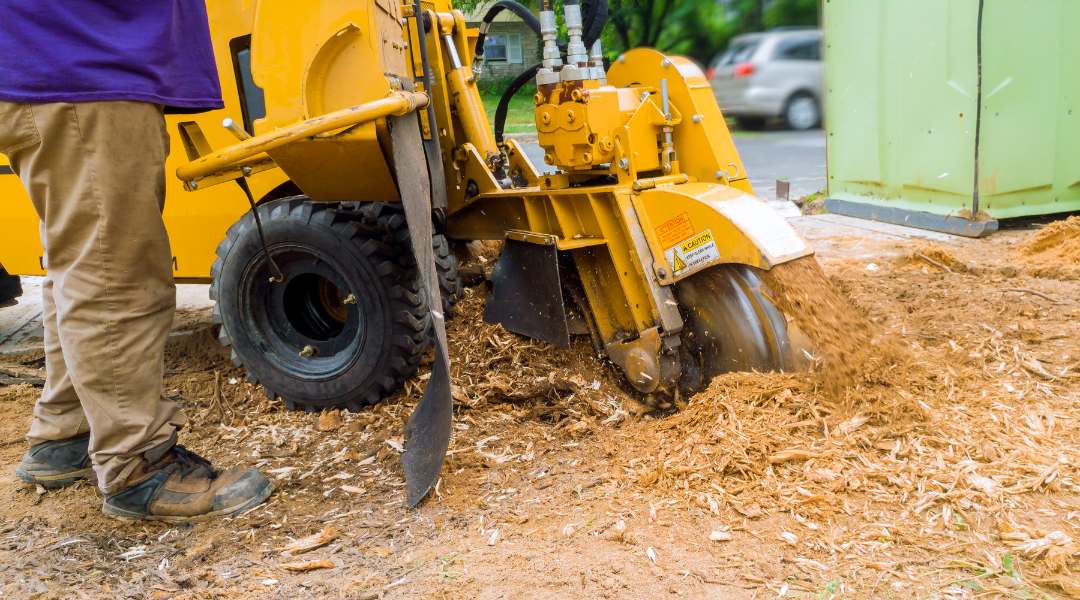
Stump grinding - Grinders effectively shred roots, converting them into chips that don't interfere with further work. This method is particularly recommended where underground pipes or cables exist, as it eliminates heavy equipment damage risk to garden utility installation.
Stump removal with excavator or heavy equipment - A cheaper solution with significant disadvantages – after removing large roots (diameter 20-40 inches or more), disposal problems often arise. Transportation and disposal costs can significantly increase work budgets.
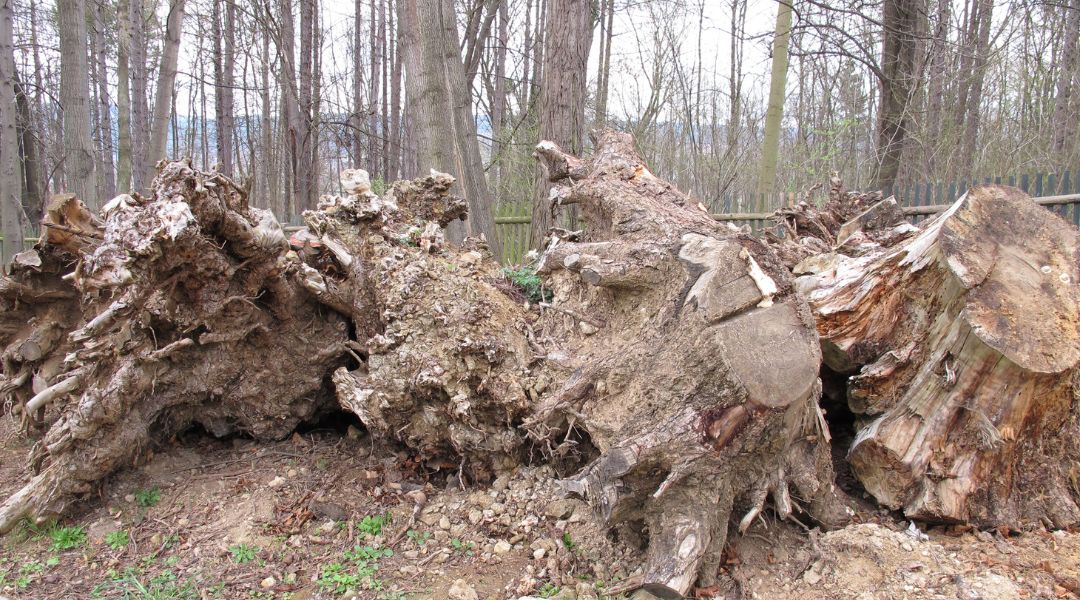
Method selection depends on property conditions and equipment availability, but consider potential disposal costs and underground installation safety.
Professional ground preparation equipment working on residential construction site
Site restoration is a crucial first step in garden establishment. When ground is properly prepared, it's time for the next stage, which we describe in detail in our article on ground preparation. Check what work needs completion to create solid foundations for your dream green space!

Ready to Transform Your Property?
Post construction site restoration is the crucial first step in creating your dream garden. Proper ground preparation provides the foundation for successful landscaping that enhances both beauty and property value. Whether you need debris removal, land clearing, or complete site restoration, expert planning makes all the difference.

Contact us for a professional garden design consultation and discover how expert planning can bring your landscaping vision to life.

Frequently asked questions about site restoration
Why is post construction site restoration crucial?
Post construction site restoration is the foundation of every garden project. An organized site enables proper landscaping work that creates functional and aesthetic space. Without this step, work may be impossible to complete effectively.
What is land reclamation?
Land reclamation is the process of restoring functional or natural values to degraded areas. The goal is improving soil quality and adapting terrain to new functions, such as recreational, green, or utility areas. Land reclamation includes activities aimed at improving soil properties and shaping terrain relief.
How can existing trees be utilized?
During preparatory work, consider which trees and shrubs can become natural garden elements. Large trees can provide shade on hot days, and their crowns can create aesthetic backgrounds for plantings. Before deciding on tree removal, check if the tree requires legal protection. Learn more about incorporating modern landscape trees into your design.
What's the difference between reclamation and restoration?
Land reclamation and restoration differ in purpose and scope. Reclamation focuses on restoring natural or functional capabilities to degraded land, while restoration mainly concerns improving infrastructure and quality of life in existing areas. Reclamation includes activities like earthwork, bioremediation, and soil quality improvement.
How long does construction site restoration take?
Duration depends on terrain size and neglect degree. On average, this work can take from several days to several weeks for typical residential properties.
Can I clear trees myself?
You can, but remember that larger trees require specialized equipment and permits. It's worth using professional services for safety and legal compliance.
What should I do with debris and waste after restoration?
Construction debris can be used as building material, while green waste is best composted or recycled. Proper disposal is essential for environmental protection.
Is site restoration necessary?
Yes, without it, starting any landscaping work is difficult, and neglected terrain can generate additional problems in the future.
What tools are essential for preparatory work?
Basic tools include mowers, pruning shears, shovels, stump grinders, and excavators for larger jobs. Professional equipment ensures efficient and safe work completion.
How much does site restoration cost per square foot?
Site restoration costs depend on soil type, earthwork scope, and technologies used. Price per square foot varies by region and specific property needs. Restoration work may include terrain grading, soil quality improvement, and vegetation introduction. Costs typically range from $2 to $8 per square foot, depending on degradation level and specialized technology requirements like bioremediation.

Wojciech Kazimierowicz – Author of the Article
Co-owner of Wytwórnia Zieleni and an expert in garden design and landscaping with over 13 years of experience. He specializes in creating modern, functional green spaces tailored to the budget and needs of homeowners.

Find Out How Much Your Garden Design Will Cost!
Take a quick quiz and discover the estimated cost of a custom garden design tailored to your needs. No strings attached – it takes just 2 minutes!


Wytwórnia Zieleni | Garden Design
KRS 0001107384 NIP 6452587627 REGON 528715049 St. Strzelców Bytomskich 51/1 42-600 Tarnowskie Gory, Poland
Resources
© Wytwórnia Zieleni 2026


