Water sources for garden irrigation systems - complete guide
Źródło wody dla systemu nawadniania ogrodu decyduje o wydajności instalacji, kosztach podlewania i stabilności jej działania. Wybór między siecią wodociągową, studnią lub zbiornikiem na deszczówkę powinien uwzględniać wielkość działki, warunki gruntowe oraz budżet inwestora.
TL;DR
- Sieć wodociągowa to najprostsze źródło wody, ale generuje najwyższe koszty eksploatacyjne.
- Studnia podskórna lub głębinowa zapewnia najniższe koszty podlewania w długim okresie.
- Zbiornik na deszczówkę pozwala wykorzystać wodę opadową, ale wymaga uzupełniania w czasie suszy.
- Każde źródło wody musi zapewnić odpowiednie ciśnienie i wydajność dla systemu nawadniania.
- Optymalne rozwiązanie zależy od powierzchni ogrodu, lokalnych warunków i planowanego budżetu.
Published
30 October 2026
Share this article


 Copied
TOC
- Water sources for garden irrigation systems - types and options
- Municipal water supply
- Deep well or shallow well systems
- Rainwater collection tank
- Comparison of different water sources
- Transform your garden with expert irrigation planning
- Frequently asked questions
- What is the most cost-effective water source for garden irrigation?
- How much does it cost to drill a well for irrigation?
- Can I use rainwater collection for my entire irrigation system?
- What water pressure is needed for irrigation systems?
- Do I need permits for installing an irrigation well?
- How long does rainwater stay fresh in storage tanks?
- What size rainwater tank do I need for my garden?
- Can I combine different water sources in one irrigation system?
- How often should I test well water quality for irrigation?
- What maintenance is required for irrigation water sources?
Water sources for garden irrigation systems - types and options
Automatic garden irrigation systems are more than just pipes and plastic buried in the ground. The key element is choosing the right water source that will provide the installation with the necessary pressure and flow rate.
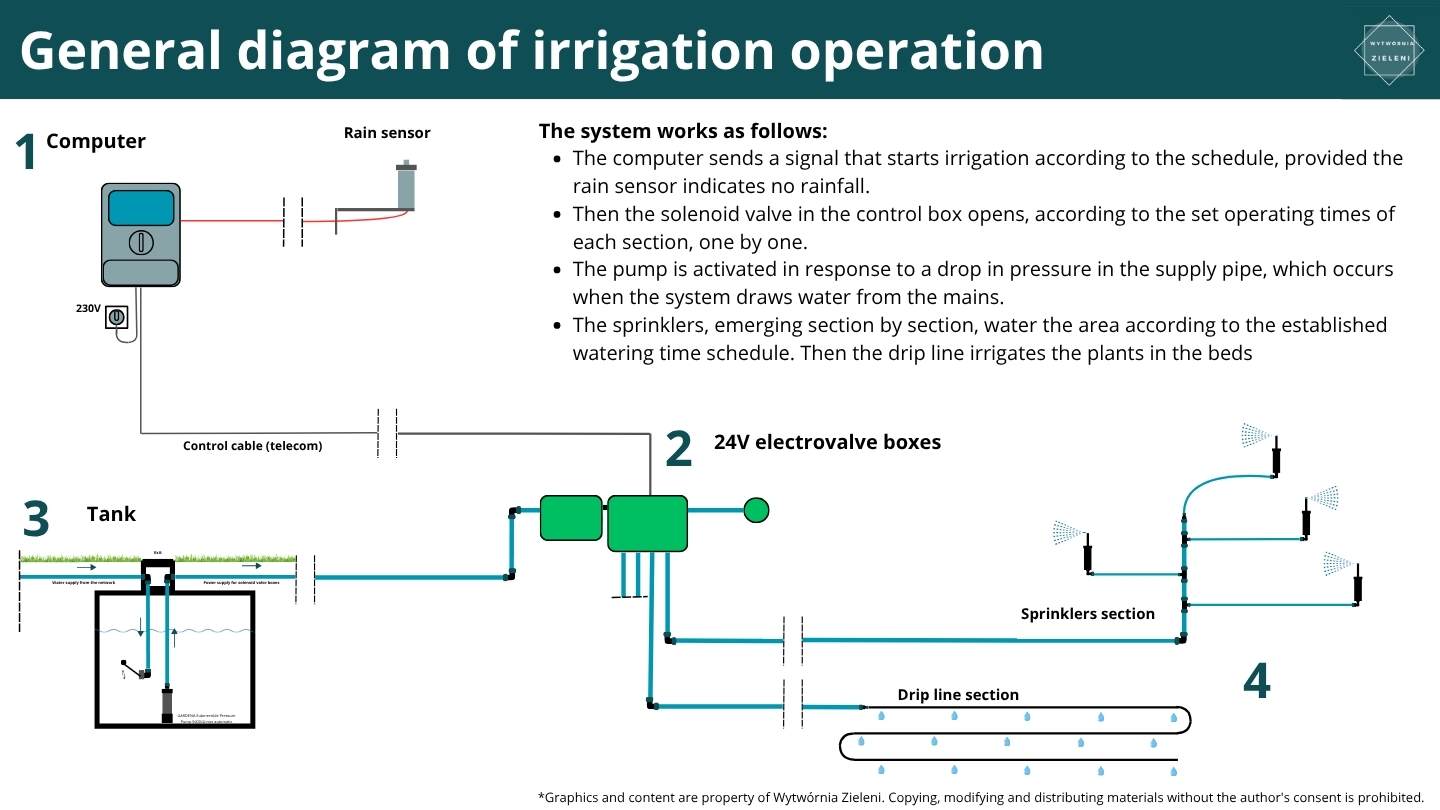
Modern irrigation system schematic showing various water source connections including municipal supply, well water, and rainwater collection tanks with pressure pumps and distribution networks
A proper irrigation system design should consider selecting a water source adapted to site conditions, property size, and budget. Are you considering well drilling for irrigation? Below you'll find a comprehensive overview of different options. Additionally, check our garden water cost calculator if you're wondering about the costs of watering your garden.
Municipal water supply
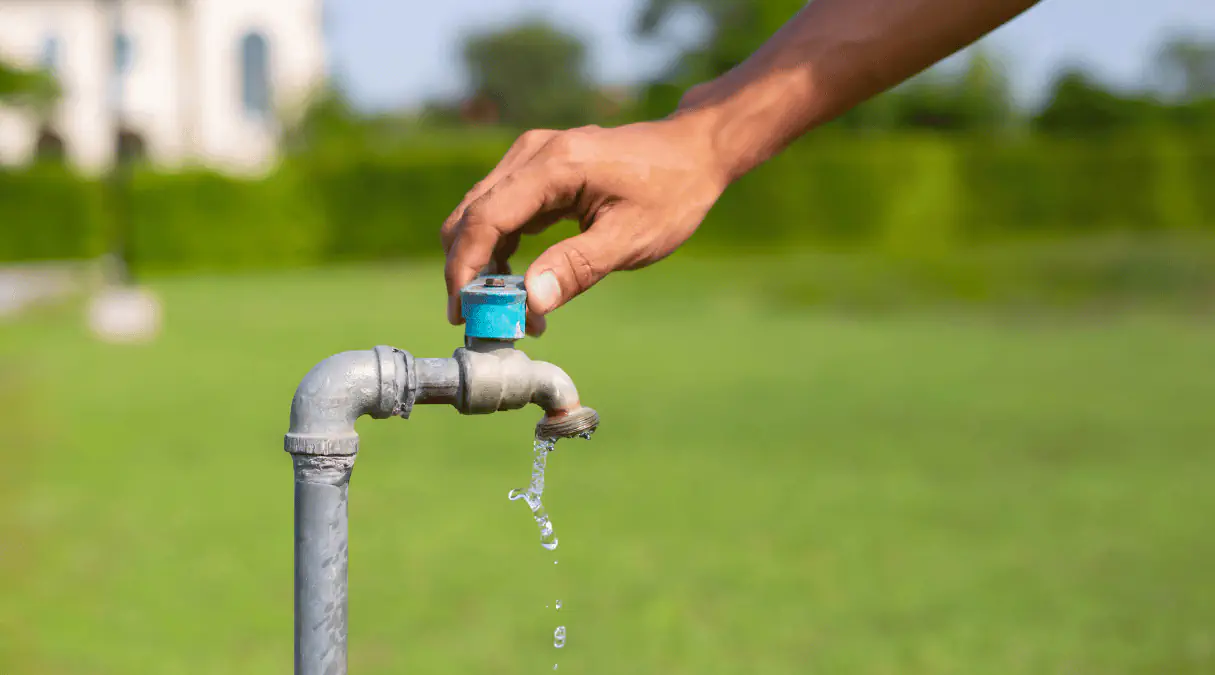
Characteristics of using municipal water
Garden irrigation systems can be powered by municipal water supply. This is a commonly available solution, but the least cost-effective in terms of long-term expenses. Water is delivered directly from city water mains, which doesn't always guarantee stable pressure and constant water access.
Operating costs
Irrigation costs from municipal water depend on local rates per cubic meter (35.3 cubic feet) of water. To reduce expenses, consider installing a separate irrigation water meter, which can lower water costs by eliminating sewage fees.
Advantages and disadvantages
Advantages:
- Easy and quick access to water
- Most properties already have outdoor spigots available
- Virtually zero initial investment cost
Disadvantages:
- High operational costs
- Lack of independence from municipal water supply
- Potential restrictions during peak usage periods
Deep well or shallow well systems
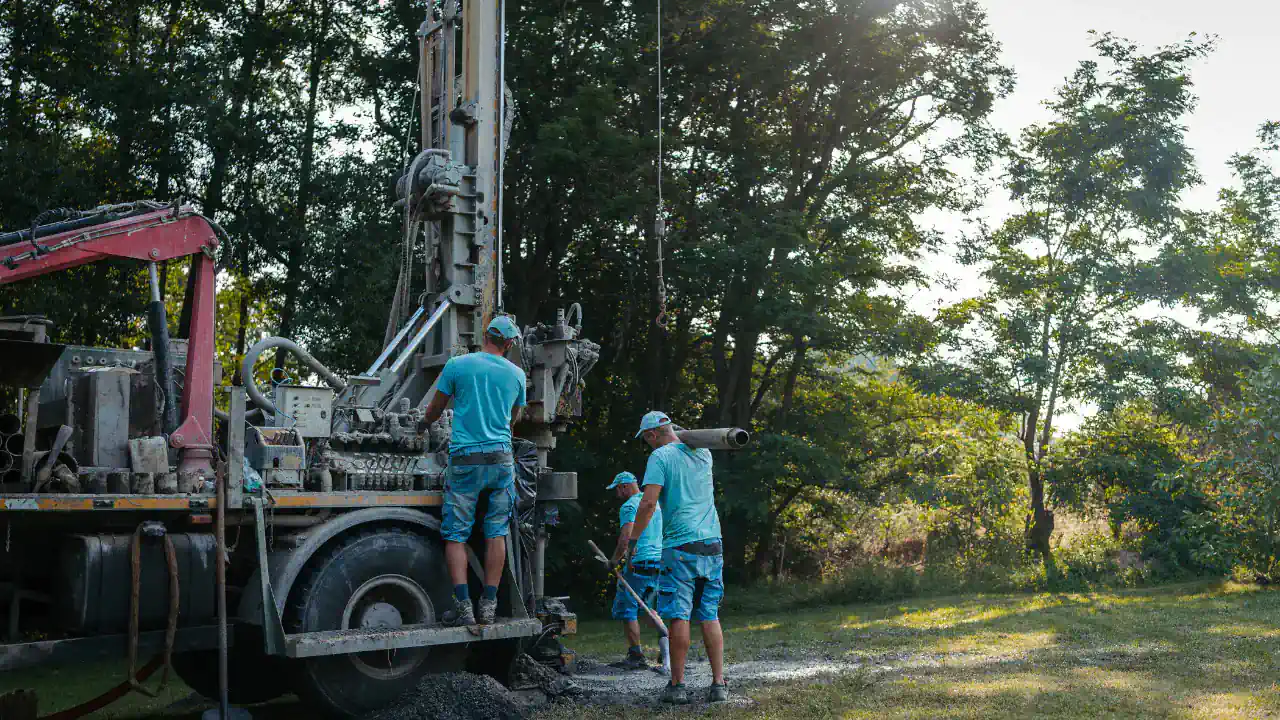
Types of wells and their characteristics
Wells can be divided into shallow and deep wells. The choice depends on the groundwater level. Shallow wells are a cheaper option when water is close to the surface, while deep wells are necessary when groundwater is found at deeper layers.
Construction and operating costs
Well construction costs depend on type and depth:
- Shallow well: $3,000-$8,000 (£2,400-£6,400)
- Deep well: $8,000-$30,000 (£6,400-£24,000)
Despite high initial costs, this is the most cost-effective irrigation option long-term, especially for large properties. Professional irrigation pump systems ensure reliable water delivery from wells to your garden zones. For detailed cost estimation, use our well drilling prices calculator to plan your budget effectively.
Long-term profitability
Is a well worth it? On large properties, the cost of municipal water irrigation can reach tens of thousands of dollars annually, making a well the most economical choice.
Formalities and permits
Well construction requires following applicable regulations and obtaining necessary permits, which may affect project timeline.
Rainwater collection tank
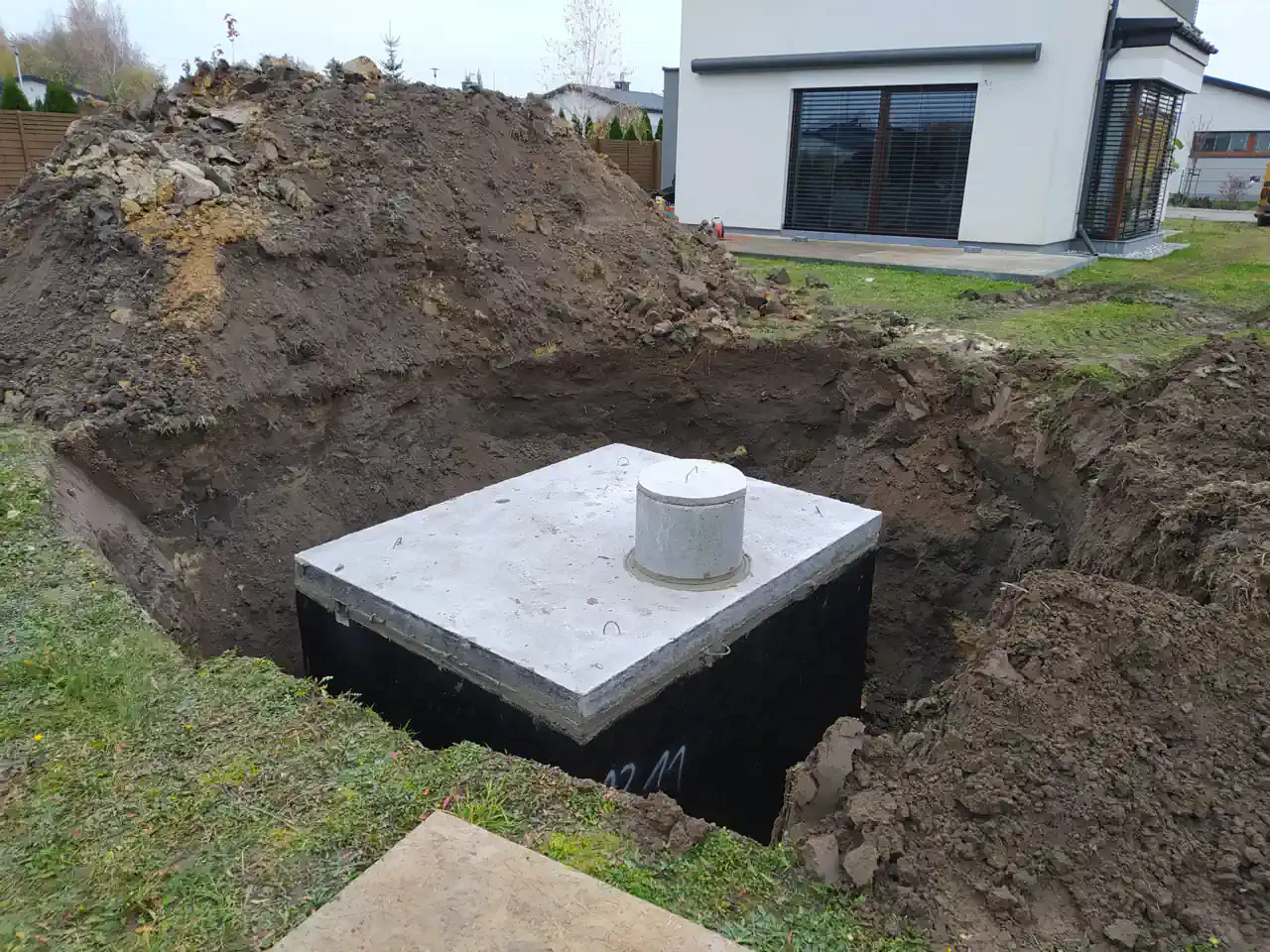
How does a rainwater collection tank work?
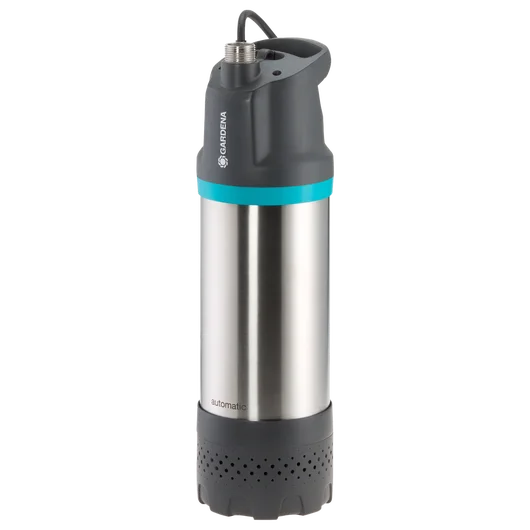
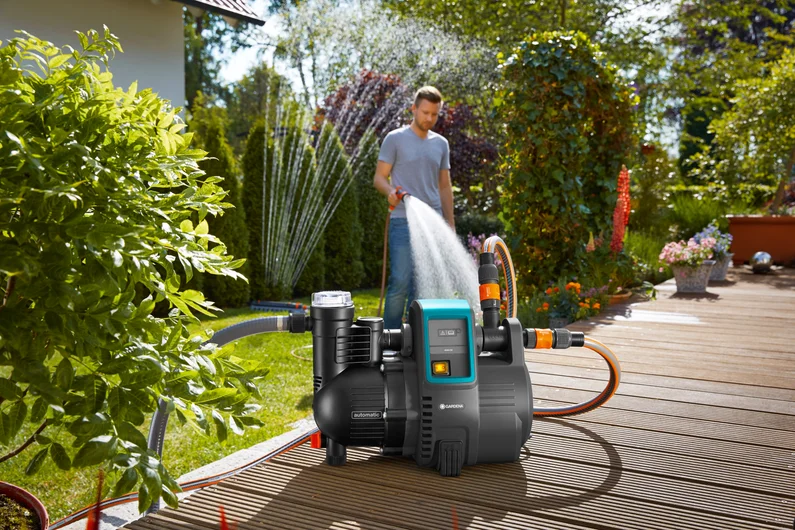
The tank stores rainwater that is used for garden irrigation. A comprehensive rainwater harvesting system includes collection, storage, and distribution components. An automatic pressure pump provides adequate pressure, which is crucial for proper operation of sprinklers and drip irrigation lines. Understanding water pressure requirements ensures optimal system performance.
Pressure pump for tank systems
The pump distributes water throughout the system, maintaining stable pressure regardless of water volume in the tank.
Hydrophor system for tank
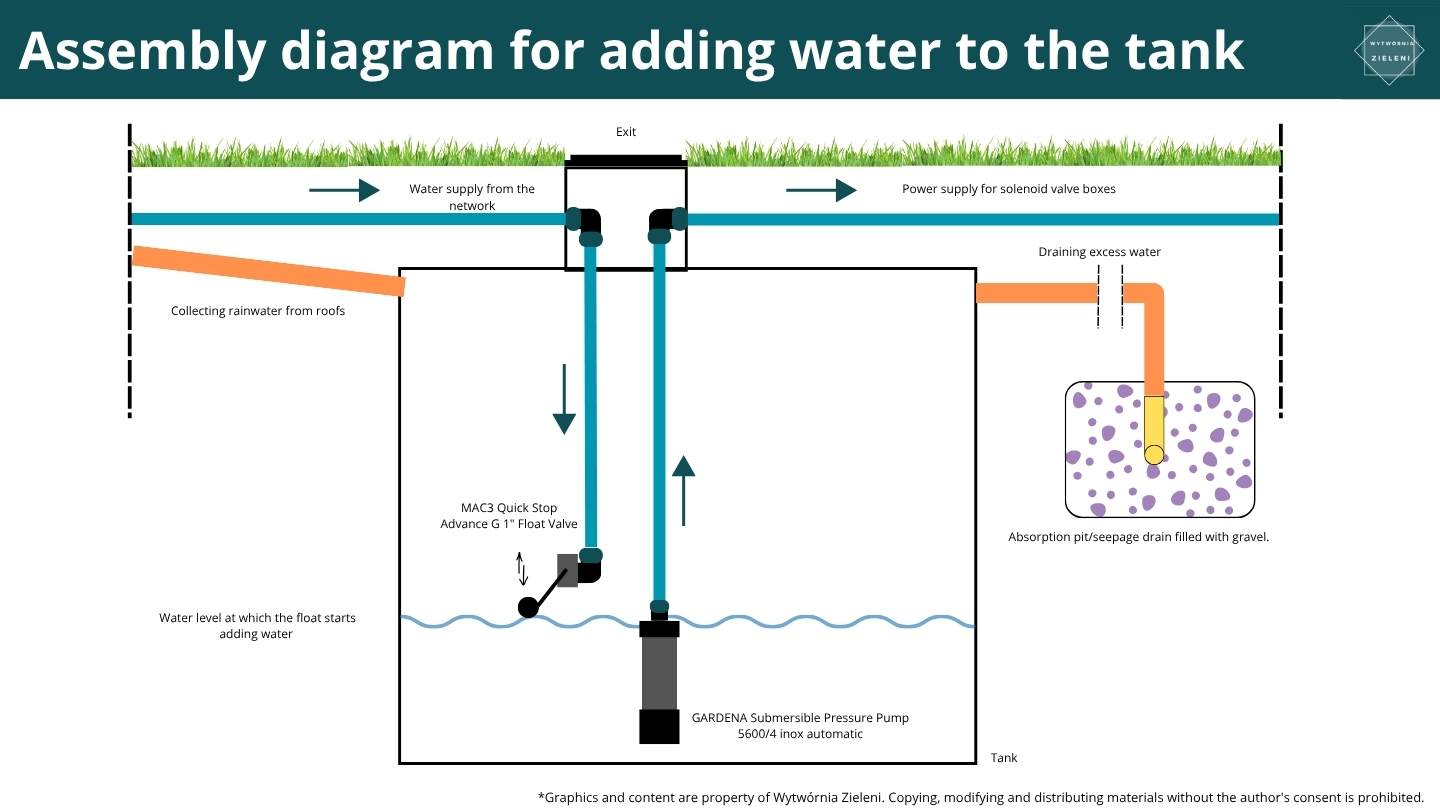
Water refill from municipal supply or well
Tanks only work when it rains. In our climate, precipitation is irregular - it may rain for a month with tank overflow, then no precipitation for a month requiring water refill from other sources like wells or municipal supply.
Overflow drainage system
Excess water in the tank must be drained away. Otherwise, water will back up into gutters, inspection chambers, or overflow through the tank's inspection cover.
Advantages and limitations
Advantages:
- Ecological use of rainwater
- Tank allows installation of efficient pumps for optimal irrigation system operation
- Partial independence from municipal water supply (mainly pressure drops)
Disadvantages:
- Limited tank capacity (for larger gardens, tank provides water for 1-3 irrigation cycles)
- Need to refill tank during drought periods
Comparison of different water sources
- Municipal water: High operating costs, nearly zero initial investment
- Well water: High initial costs, low maintenance expenses
- Rainwater collection: Medium to high initial costs, water storage capability, but depends on precipitation
For comprehensive guidance on all irrigation options, explore our complete garden irrigation systems guide. To estimate total project costs, use our irrigation installation calculator for accurate budget planning.
Transform your garden with expert irrigation planning
Choosing the right water source for your irrigation system significantly impacts both performance and long-term costs. Whether you opt for municipal water, well drilling, or rainwater harvesting, proper planning ensures optimal results.

Contact our team for a professional garden design consultation and discover how expert planning can bring your landscaping vision to life.
Frequently asked questions
What is the most cost-effective water source for garden irrigation?
For large properties over 1 acre (0.4 hectares), a well is typically the most cost-effective long-term solution despite higher initial investment. Municipal water becomes expensive for extensive irrigation, while rainwater tanks work best for smaller gardens.
How much does it cost to drill a well for irrigation?
Well drilling costs vary significantly based on depth and location. Shallow wells typically cost $3,000-$8,000, while deep wells range from $8,000-$30,000. The investment usually pays for itself within 3-7 years on large properties.
Can I use rainwater collection for my entire irrigation system?
Rainwater collection works best as a supplementary water source. Tank capacity typically provides water for 1-3 irrigation cycles, requiring backup from municipal water or wells during dry periods for reliable operation.
What water pressure is needed for irrigation systems?
Most irrigation systems require 20-30 PSI (1.4-2.1 bar) for drip irrigation systems and 30-50 PSI (2.1-3.4 bar) for sprinkler system installation. Pressure pumps or booster systems may be needed depending on your water source.
Do I need permits for installing an irrigation well?
Well installation requirements vary by location. Most areas require permits for deep wells, water quality testing, and compliance with setback regulations from septic systems and property lines. Check local regulations before drilling.
How long does rainwater stay fresh in storage tanks?
Properly stored rainwater remains usable for irrigation for 2-4 weeks. Adding first-flush diverters and keeping tanks covered prevents contamination and extends water quality for garden use.
What size rainwater tank do I need for my garden?
Tank size depends on roof area, rainfall patterns, and irrigation needs. A general rule is 1 gallon of storage per square foot of roof area, but larger gardens may need 1,000-5,000 gallon tanks for adequate water supply.
Can I combine different water sources in one irrigation system?
Yes, combining water sources is common and practical. Many systems use wells or rainwater as primary sources with municipal water backup, controlled by automatic switching valves for uninterrupted irrigation.
How often should I test well water quality for irrigation?
Test well water annually for pH, salinity, and mineral content. High salt levels can damage plants, while extreme pH affects nutrient availability. Most irrigation systems work well with pH levels between 6.0-7.5.
What maintenance is required for irrigation water sources?
Municipal connections need annual backflow preventer testing. Wells require periodic pump maintenance and water quality testing. Rainwater systems need seasonal tank cleaning and pump inspection for optimal performance. For comprehensive planning guidance, consult our garden water supply planning resource.

Wojciech Kazimierowicz – Author of the Article
Co-owner of Wytwórnia Zieleni and an expert in garden design and landscaping with over 13 years of experience. He specializes in creating modern, functional green spaces tailored to the budget and needs of homeowners.

Find Out How Much Your Garden Design Will Cost!
Take a quick quiz and discover the estimated cost of a custom garden design tailored to your needs. No strings attached – it takes just 2 minutes!


Wytwórnia Zieleni | Garden Design
KRS 0001107384 NIP 6452587627 REGON 528715049 St. Strzelców Bytomskich 51/1 42-600 Tarnowskie Gory, Poland
Resources
© Wytwórnia Zieleni 2026


