Water Pressure Gauge Testing: How to Measure Garden Water Flow
Published
27 January 2026
Share this article


 Copied
How to Measure Garden Water Source Parameters?
In every well-designed garden, the irrigation system plays a crucial role. For it to function efficiently and provide optimal watering, we must know the water source parameters: pressure and flow rate. Professional landscape design services always begin with comprehensive water testing to ensure system success.
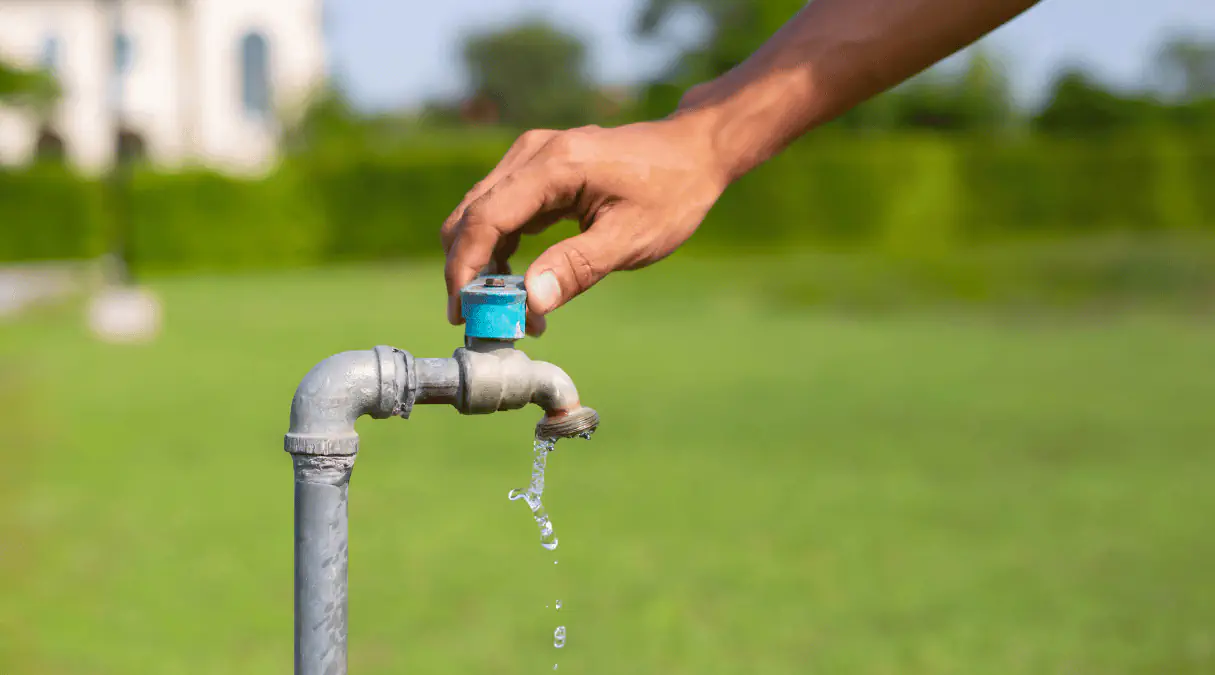
This comprehensive guide will show you how to easily measure these parameters and why they're so important in the design process and effective water management.
Why is Water Pressure Testing Important?
Understanding water parameters allows precise irrigation system design planning. This helps us avoid problems such as:
- Insufficient Water in Remote Garden Areas – If dynamic pressure is too low, water may not reach all sprinklers, leading to uneven irrigation coverage across your garden beds.
- Improper Sprinkler Operation – Sprinkler system installation requires appropriate dynamic pressure to rise and effectively spray water. Too low pressure will prevent the system from working correctly.
- Efficient Resource Utilization – Knowledge of water flow rate and dynamic pressure allows proper selection of irrigation system zones and avoids water waste. Use our water usage calculator to estimate consumption based on your measurements.
Therefore, before designing and installing an automatic sprinkler system, it's worth measuring three key parameters:
- Static pressure
- Dynamic pressure
- Water flow rate
How to Test Water Pressure with a Water Pressure Gauge?
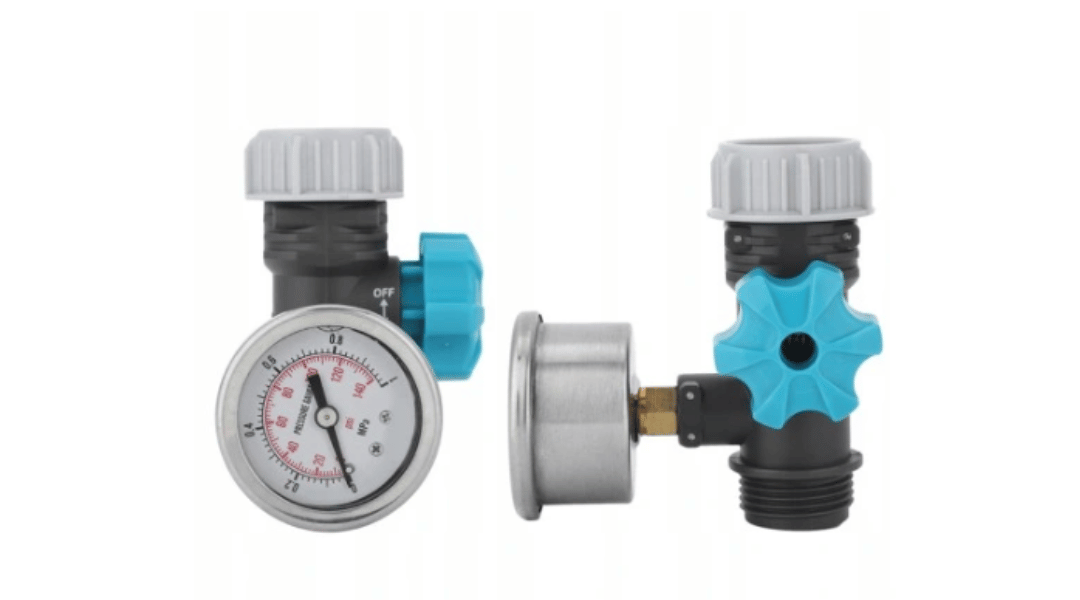
Water pressure testing in gardens is performed using a simple device: a ball valve with a pressure gauge. Simply connect it to a faucet, turn on the water, and read the result. For accurate results, all other water sources in the system (house/garden) must be turned off to avoid lowering the reading. This technique is essential for irrigation water supply assessment.
Search online for "ball valve with pressure gauge" – for a reasonable price, you'll find a solution to your measuring needs. Just remember to connect the valve to the faucet using appropriate adapters.
How to Measure Water Flow Rate?
Water flow rate, or the amount of water flowing in a specific time, is equally easy to measure. You'll only need a bucket and a stopwatch. Place the bucket under the water source and simultaneously start the stopwatch and water flow. This measurement is crucial for drip irrigation system planning and zone calculations.
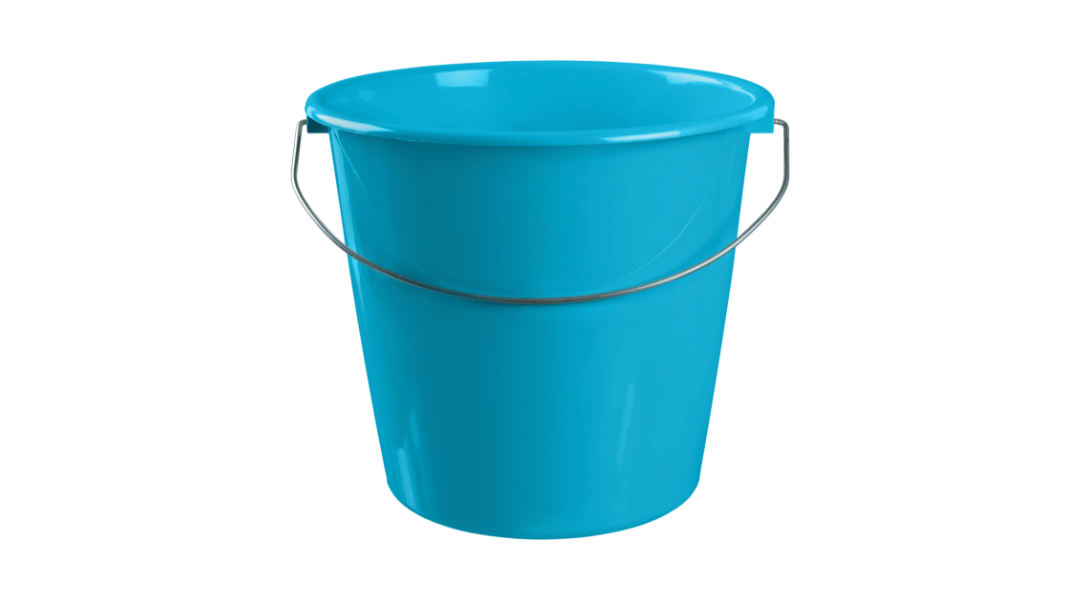
For example, if a 10-liter (2.6 gallon) bucket fills in 20 seconds, the source flow rate is 30 liters per minute (7.9 gallons per minute) calculated as: 10 L ÷ 20 sec × 60 sec. If you prefer hourly measurements (multiply result × 60 min), this converts to 1,800 liters per hour (475 gallons per hour). These calculations help determine appropriate irrigation pipe sizing for your system.
How to Measure Dynamic Water Pressure?
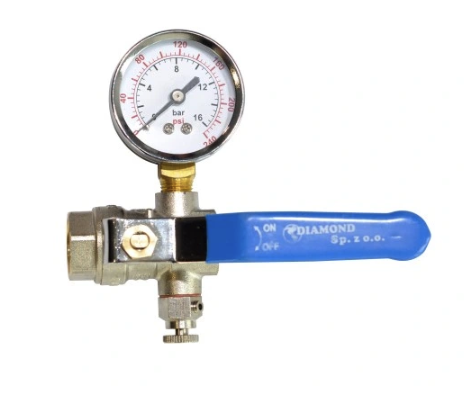
Now we'll check how the installation performs under load:
- Close all water sources in the house and yard to avoid affecting measurement results
- Install the valve with pressure gauge on the faucet
- Turn on water and measure the time to fill a 10-liter (2.6 gallon) bucket at specific pressure readings on the gauge (the more you open the valve, the lower the pressure should be)
- Record results of water flow rate for each specific dynamic pressure measurement
Perform several water flow measurements for dynamic pressure and record results:
- At maximum valve opening – check pressure and bucket filling speed
- At approximately 3.5 bar (51 psi) pressure on gauge – check bucket filling speed
- At approximately 3 bar (44 psi) pressure on gauge – check bucket filling speed
- At approximately 2.5 bar (36 psi) pressure on gauge – check bucket filling speed
- At approximately 2 bar (29 psi) pressure on gauge – check bucket filling speed
These measurements are essential for designing efficient systems, whether you're planning traditional sprinklers or well water irrigation setups.
What's Next?
Once we know the water parameters, we can create an irrigation system design. However, if the topic feels too complicated, it's worth seeking help from a professional landscape architecture company that offers support at every project stage.

You can also explore our landscape design examples to get inspired by solutions adapted to different water pressure conditions and garden needs.
Useful Tips
When planning an irrigation system, it's also worth checking water costs using our landscape pricing calculator and whether investing in a deep well is profitable. Such calculations help us better understand our needs and reduce unnecessary costs. Consider integrating your measurements with rainwater collection system planning for sustainable water management.

If you're planning major earthwork, also check our soil calculator for volume requirements in garden leveling. When designing modern garden ideas, proper water pressure testing ensures all landscape features receive adequate irrigation. And if you have doubts, you can always get a landscape design cost estimate to help with project planning.
Optimize Your Garden's Water Performance with Expert Testing
Accurate water pressure testing is the foundation of any successful irrigation system. Understanding your water source parameters ensures optimal sprinkler performance, efficient water usage, and long-term system reliability. Ready to design a perfectly calibrated irrigation system? Get a professional garden design consultation and discover how expert planning can bring your water-efficient garden vision to life.

FAQ
What water pressure is needed for garden sprinklers?
Most garden sprinklers require 2.5-3.5 bar (36-51 psi) dynamic pressure to operate effectively. Pop-up sprinklers typically need at least 2 bar (29 psi), while rotary sprinklers may require 3-4 bar (44-58 psi) for optimal coverage and spray patterns. For detailed sprinkler selection guidance, see our garden design guide.
How often should I test my water pressure?
Test your water pressure annually or whenever you notice irrigation performance issues. Seasonal variations, municipal supply changes, or system modifications can affect pressure readings, making regular testing essential for maintaining optimal irrigation performance. Consider installing an irrigation water meter for continuous monitoring.
What's the difference between static and dynamic water pressure?
Static pressure is measured when no water is flowing through the system, showing maximum available pressure. Dynamic pressure is measured while water flows, representing actual working pressure during irrigation operation – typically 20-30% lower than static pressure.
Can low water pressure damage my irrigation system?
Yes, insufficient pressure can cause sprinkler heads to malfunction, create uneven coverage patterns, and prevent proper system operation. Consistently low pressure may also cause premature wear on pumps and valves trying to compensate for inadequate flow.
What tools do I need for accurate water pressure testing?
Essential tools include a ball valve with pressure gauge (0-6 bar/0-87 psi range), appropriate faucet adapters, a 10-liter bucket for flow measurement, and a stopwatch. These simple tools provide professional-quality measurements for irrigation system planning. For comprehensive garden planning that incorporates your water measurements, explore our landscape architecture firm services.

Wojciech Kazimierowicz – Author of the Article
Co-owner of Wytwórnia Zieleni and an expert in garden design and landscaping with over 13 years of experience. He specializes in creating modern, functional green spaces tailored to the budget and needs of homeowners.

Find Out How Much Your Garden Design Will Cost!
Take a quick quiz and discover the estimated cost of a custom garden design tailored to your needs. No strings attached – it takes just 2 minutes!


Wytwórnia Zieleni | Garden Design
KRS 0001107384 NIP 6452587627 REGON 528715049 St. Strzelców Bytomskich 51/1 42-600 Tarnowskie Gory, Poland
Resources
© Wytwórnia Zieleni 2026


