Well Water Irrigation: Complete Guide to Pump Systems & Installation
TL;DR
Published
30 October 2026
Share this article


 Copied
TOC
- Well Water Irrigation for your garden
- Well Construction Costs
- Garden Irrigation Costs
- Is a Well Worth It?
- Benefits of Well Ownership
- Disadvantages and Potential Challenges
- Types of Wells
- Advanced Irrigation Systems Integration
- When Is a Well Worth Installing?
- Do You Need a Permit for a Well?
- Transform Your Garden with Expert Design
- Frequently Asked Questions about well in the garden
Well Water Irrigation for your garden
Having a well in your garden can be both a practical and cost-effective solution. With rising water costs and increasing environmental concerns, many homeowners wonder if investing in well water irrigation is a good idea. In this comprehensive article, we'll cover key aspects of well ownership, benefits, drawbacks, and technical and legal requirements.
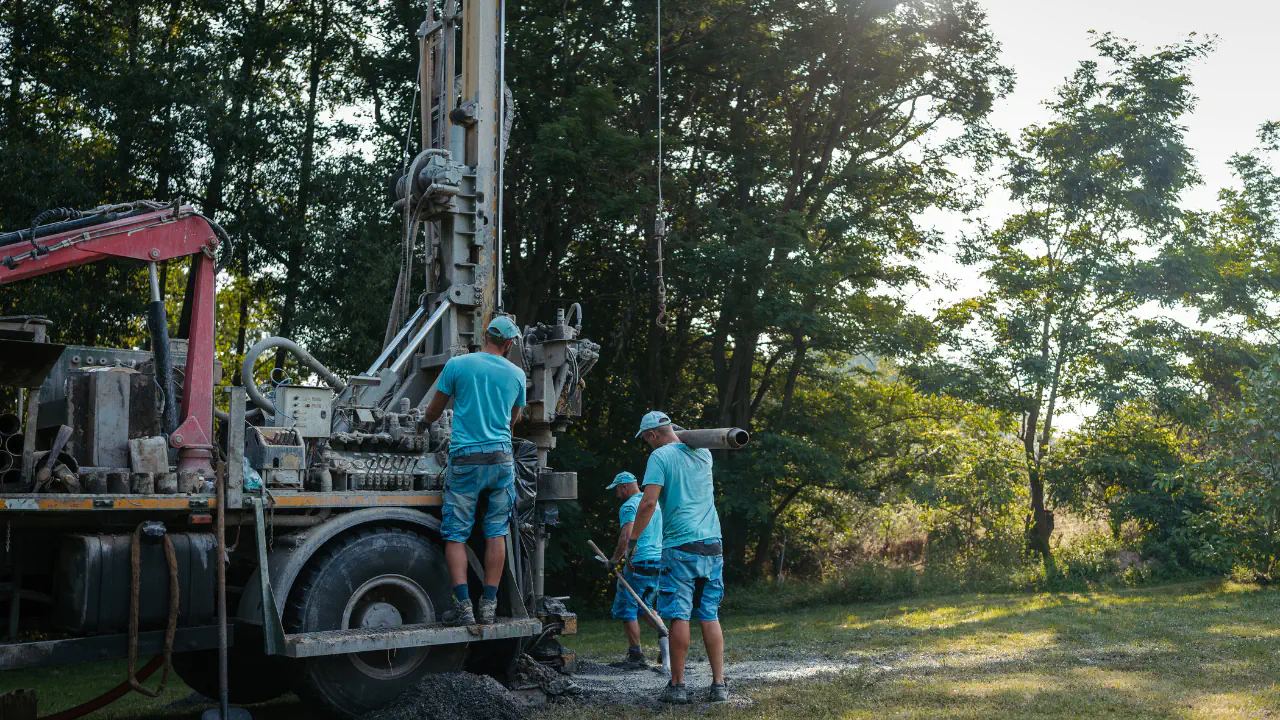
Well Construction Costs
Well construction costs depend on many factors, including:
- Drilling depth ($25-$65 per linear foot for complete installation, $15-$25 per foot for drilling only)
- Water pressure booster pump type ($300-$2,500 for equipment, plus $250-$1,000 installation)
- Well pump installation ($975-$2,575 average total cost in 2025)
- Additional equipment (sediment filter for well $150-$800, pressure tanks $500-$2,000)
The average cost of building a deep well in the United States ranges from $3,750 to $15,300 for a complete system and installation in 2025. Well drilling costs $25 to $65 per foot for a complete installation, with most residential wells requiring depths of 100-300 feet.
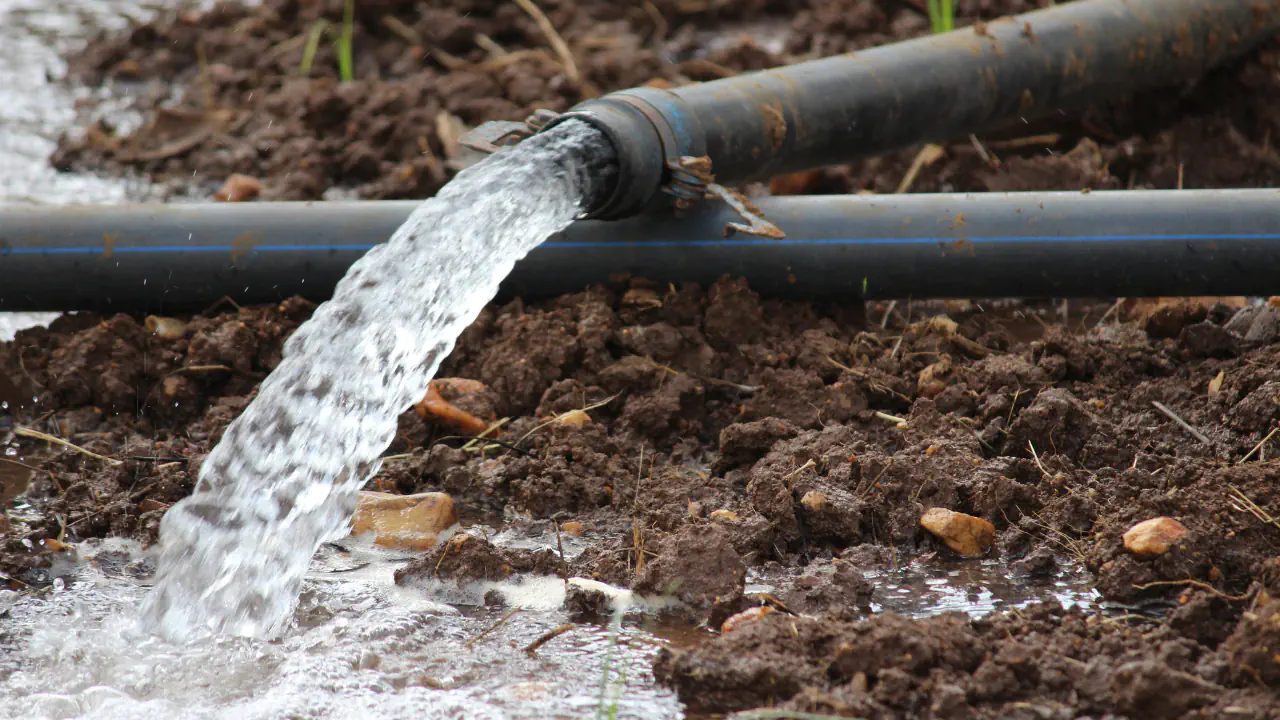
These amounts are estimates and the final cost may vary significantly depending on terrain conditions, local labor rates, and specific equipment requirements. To better plan your investment, it's worth consulting with professionals from our landscape architecture firm, who offer a comprehensive approach to garden design. For detailed cost breakdowns, you can use our landscape pricing calculator to estimate your project expenses.
Garden Irrigation Costs
The amount of water needed for garden irrigation depends on the size of the plot and the average water requirements of plants. Professional landscape design services often incorporate efficient irrigation planning from the start. For calculation purposes, it is assumed that:
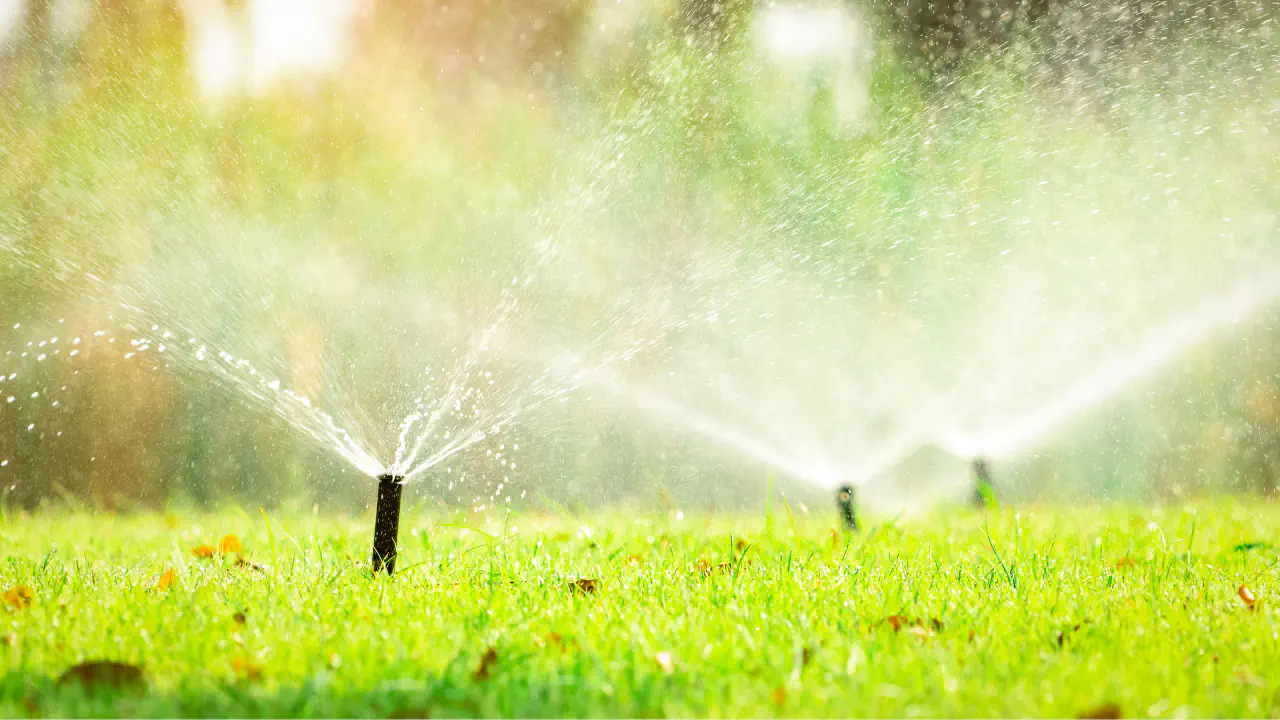
Irrigating 1 m² of garden requires 1.3 to 2.6 gallons of water daily, depending on the plant types and irrigation intensity. Gardens are watered for approximately 50-80 days per year, covering the period from spring to fall, excluding winter months when watering is not necessary.
Below we present a calculator for the amount of water needed to irrigate the garden. When planning efficient water management in the garden, it's worth considering garden zones, which allow better organization of space and watering. You can also calculate your water consumption with our specialized water usage calculator.
Is a Well Worth It?
As shown in the calculations above, for very small gardens, digging a deep well may not be cost-effective. The cost of well pump installation, especially for deep wells, can significantly exceed the savings from not using municipal water. Understanding landscape design cost factors helps make informed decisions about irrigation investments.
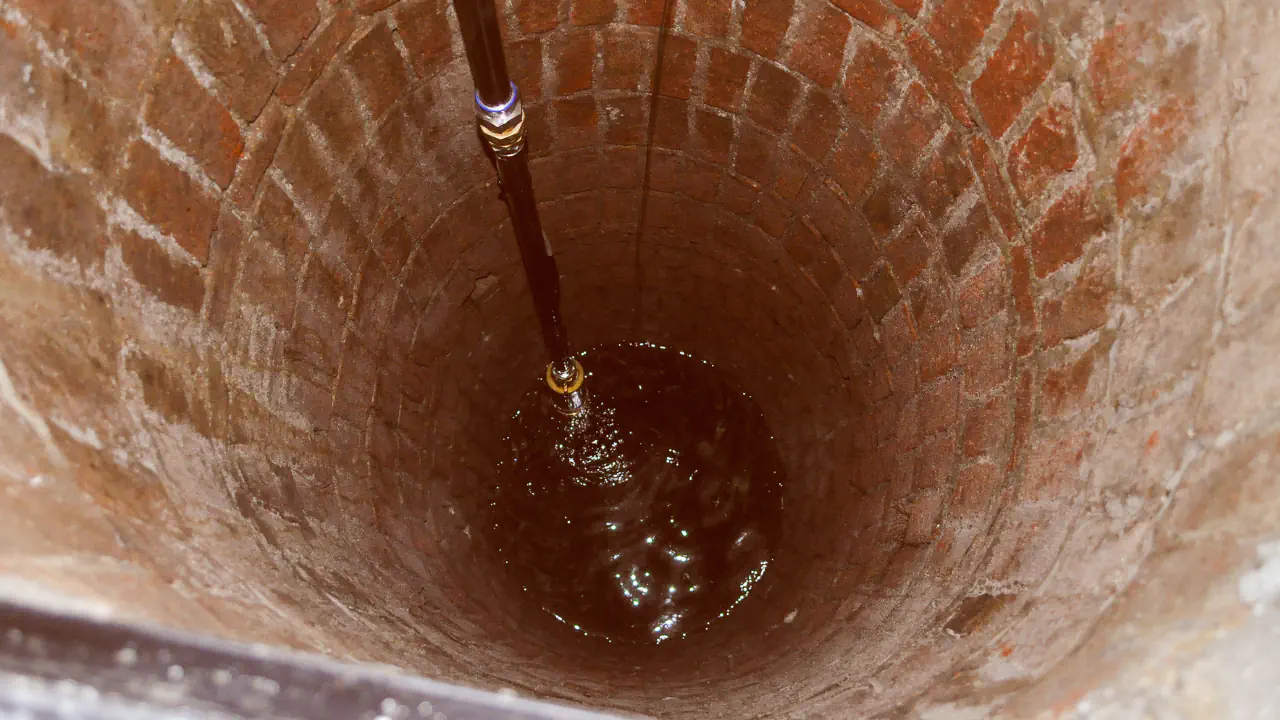
For larger properties (e.g., above 10,000 sq ft), annual costs of municipal water irrigation can reach tens of thousands of dollars. In such situations, well construction proves more cost-effective, especially when integrated with modern garden ideas that emphasize sustainability.
With intensive use, a well water irrigation system can pay for itself within 2-5 years, which significantly increases its viability, even with high costs of deep well construction. You can find more inspiration by browsing our landscape design examples.
Benefits of Well Ownership
If you're planning a larger garden, it's worth considering a comprehensive landscape garden design that also includes irrigation systems and other elements. Professional garden design services can integrate well water systems seamlessly into your overall landscape plan.
Financial Savings
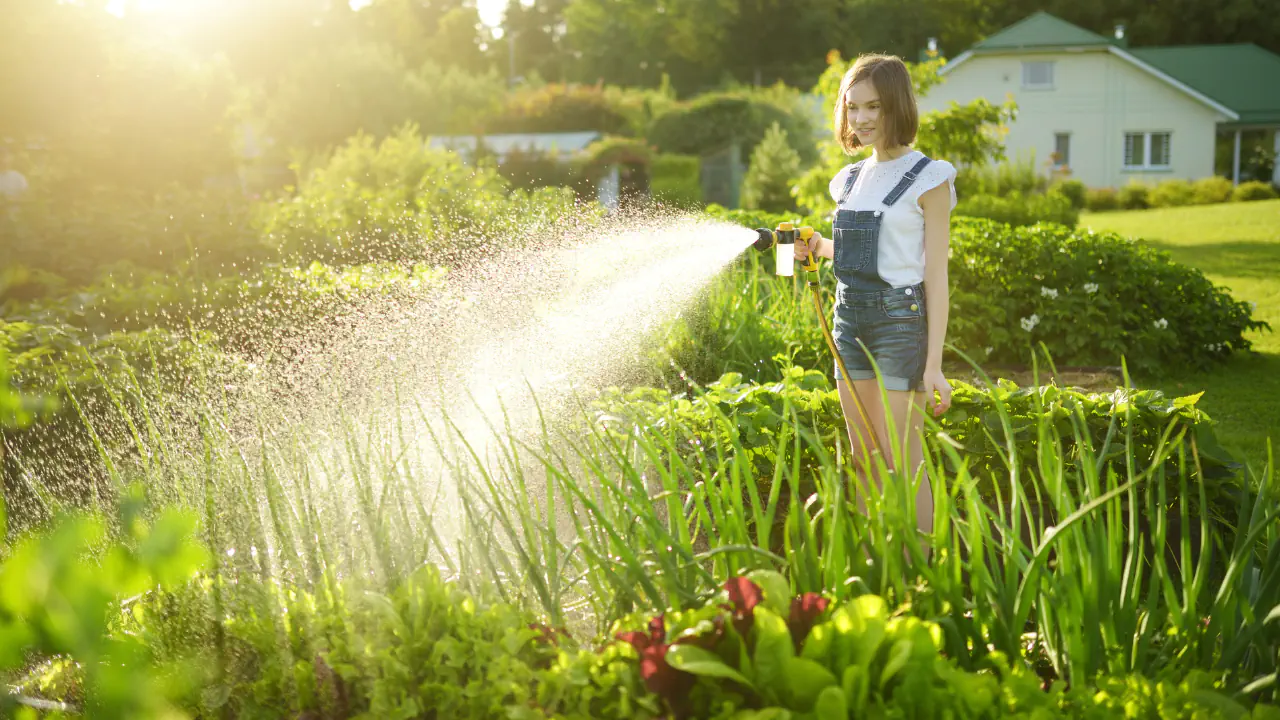
With a well, you can significantly reduce water bills, especially if you regularly water your garden, grow vegetables, or fill a pool. Initial costs can be recovered after several years of intensive use. Our landscape pricing calculator can help you determine potential savings over time.
Ecological Solution
Using water from your own source reduces the burden on municipal water systems and contributes to natural resource protection. This aligns perfectly with sustainable modern garden ideas that prioritize environmental responsibility.
Water Independence
A well provides independence from local water suppliers, which is particularly useful in case of water main failures or droughts. This independence becomes especially valuable when maintaining garden beds that require consistent moisture levels.
Better Water Quality
Water from underground sources is often naturally clean, though it may require filtering depending on local geological conditions. A well water testing kit is essential to ensure safety and quality for both household use and irrigation purposes.
Disadvantages and Potential Challenges
High Initial Costs
Well drilling and installation of appropriate equipment (such as a water pressure booster pump $1,200-$8,000 installed) can be expensive. Well pump installation costs $975-$2,575 on average in 2025, while drilling itself ranges from $3,750-$15,300 for complete systems. The price depends on drilling depth and geological conditions. When planning your budget, consider visiting our landscape design cost page for comprehensive investment guidance.
Maintenance Requirements
Wells require regular maintenance, cleaning, and water quality control to ensure safe use. A sediment filter for well water ($150-$800 plus $50-200 annual replacement costs) is often necessary to maintain system efficiency. Understanding how to design garden irrigation systems helps anticipate maintenance needs.
Contamination Risk
In some regions, groundwater may be contaminated with pesticides, nitrates, or other chemicals, which may require additional filtering through specialized systems. Professional garden irrigation systems design accounts for water quality considerations.
Legal Requirements
Well construction requires permits or notifications, especially when drilling exceeds certain depths or you plan to extract water in large quantities. This is particularly important for front yard landscaping projects that may require municipal approvals.
Types of Wells
Driven Well (Sandpoint)
- Shallow (up to 30-50 feet deep, $300-$3,000 installed)
- Easy and inexpensive to install
- Ideal for garden irrigation, but may have limited capacity for larger
Hand-Dug Well
- Traditional type of well, manually excavated ($1,800-$3,000 for shallow wells)
- Deeper and more productive, but more expensive
- Requires proper pump house construction for equipment protection
Drilled Well
- Created using drilling methods ($3,750-$15,300 for complete systems)
- Can reach great depths (100-300+ feet) and supply large amounts of quality water
- More expensive but most reliable, often requires irrigation pump sizing consultation from experienced
Advanced Irrigation Systems Integration
Modern well systems integrate seamlessly with sophisticated garden irrigation systems. Consider these advanced options:
- Drip Irrigation Networks: Efficient drip irrigation system installation maximizes water conservation while ensuring optimal plant hydration.
- Pressure Management: Proper water pressure gauge monitoring ensures consistent performance across your irrigation network.
- Automated Controls: Automatic sprinkler system technology provides precise watering schedules based on weather conditions and soil moisture levels.
- Professional irrigation system design ensures optimal integration between your well water source and distribution systems.
When Is a Well Worth Installing?
A well is a good choice for large gardens or properties with limited access to municipal water systems. When planning such an investment, it's worth analyzing the design process to account for water and irrigation needs. Our garden design blog offers extensive resources for planning comprehensive irrigation solutions.
Large Garden or Crops
If you have a large garden that requires regular watering, a well can significantly reduce costs. This is especially true for properties featuring extensive climbing plants or specialized hedging plants that require consistent moisture.
Location with Limited Water Access
In places where access to municipal water systems is difficult or expensive, a well may be the only solution. This is particularly relevant for fence line landscaping projects in remote areas.
Desire for Increased Independence
A well is an excellent choice if you value greater independence from public suppliers, especially when maintaining backyard fire pit areas that require nearby water access for safety.
Do You Need a Permit for a Well?
Water rights laws regulate well construction. Permits or notifications are required for:
- Wells deeper than specific depths (varies by state)
- Planned water extraction exceeding certain daily limits
- Commercial or irrigation use in some jurisdictions
Working with an experienced landscape architecture company ensures compliance with all local regulations and optimal system design.
Transform Your Garden with Expert Design
Well water irrigation offers sustainable, cost-effective solutions for maintaining beautiful landscapes. Professional planning ensures optimal system efficiency while maximizing your investment returns. Consider a professional garden design consultation and discover how expert planning can bring your landscaping vision to life.

Frequently Asked Questions about well in the garden
How deep should a well be for garden irrigation?
Well depth varies by location, but typically ranges from 30-300 feet. A well water testing kit and local geological survey can help determine optimal depth for your irrigation water supply.
What size pump do I need for my irrigation system?
Irrigation pump sizing depends on your garden area, elevation changes, and desired flow rate. Submersible pumps cost $275-$1,550, while jet pumps range $225-$1,110 installed. Our irrigation pipe sizing guide provides technical specifications for professional installation.
How often should I test my well water?
Annual testing with a well water testing kit is recommended, with additional testing after system changes or if taste/odor changes occur.
Can I install a well myself?
While some shallow wells can be DIY projects, well pump installation and deeper wells typically require professional contractors and permits. Professional installation costs $250-$1,000 in labor, but ensures safety and compliance with local regulations.
What maintenance does a well require?
Regular maintenance includes sediment filter for well replacement ($50-$200 annually), annual water testing ($100-$650), pump inspection, and wellhead protection checks. Consider reading our sprinkler system installation guide for comprehensive system care.
Disclaimer: All costs mentioned are based on 2025 US market data and may vary significantly by location, local labor rates, geological conditions, and specific project requirements. For accurate pricing, always obtain quotes from local contractors and specialists.

Wojciech Kazimierowicz – Author of the Article
Co-owner of Wytwórnia Zieleni and an expert in garden design and landscaping with over 13 years of experience. He specializes in creating modern, functional green spaces tailored to the budget and needs of homeowners.

Find Out How Much Your Garden Design Will Cost!
Take a quick quiz and discover the estimated cost of a custom garden design tailored to your needs. No strings attached – it takes just 2 minutes!


Wytwórnia Zieleni | Garden Design
KRS 0001107384 NIP 6452587627 REGON 528715049 St. Strzelców Bytomskich 51/1 42-600 Tarnowskie Gory, Poland
Resources
© Wytwórnia Zieleni 2026


