Using Artificial Intelligence to Plan Smarter Gardens
AI garden design uses artificial intelligence models to generate garden layouts, plant selections, visualizations, and cost estimates based on user input and site conditions. It is a practical tool for homeowners and designers who want to speed up planning while maintaining control over decisions and quality.
TL;DR
- AI garden design supports layout planning, plant selection, visualizations, and cost estimation based on structured prompts.
- AI does not replace landscape architects but accelerates concept development and data analysis.
- Effective prompts with clear roles, tasks, context, and guidelines significantly improve AI results.
- AI tools work best when used step by step with continuous human verification and adjustments.
- Free and premium AI models such as ChatGPT, Gemini, or Grok can assist in both amateur and professional garden planning.
Published
18 February 2026
Share this article


 Copied
TOC
- Why Use AI for Garden Design?
- How Does Artificial Intelligence (AI) Work in Garden Design?
- Can AI Design a Garden on Its Own?
- How AI Garden Design Works – Step by Step
- Design a Garden with AI – How to Write an Effective Prompt?
- AI for Garden Design - Prompt Conclusions
- ChatGPT and Other Models – Which AI to Choose for Your Garden
- What Possibilities Do AI Models Offer?
- How to Effectively Create an AI Garden Design?
- Most Common Mistakes When Using AI for Garden Design
- Transform Your Garden Vision Into Reality
- Summary: Is It Worth Designing a Garden with AI?
- FAQ: AI in Garden Design – Frequently Asked Questions
- Will the profession of landscape architect be replaced by AI?
- Can AI design a garden?
- What free garden design program?
- Is there an AI program for landscape design?
- How to create AI garden visualizations?
- Are there free AI tools?
- Which program to use for garden design?
- Can artificial intelligence design a garden for me?
Why Use AI for Garden Design?
AI garden design is not science fiction – it's everyday practice. Artificial intelligence and language models are revolutionizing new areas of life – including garden design services. More and more people are wondering if AI can effectively design a garden that is beautiful, functional, and tailored to individual needs. Is technology advanced enough to compete with human creativity?
In this post, you will learn:
- What is an AI model?
- Can AI actually design a garden?
- Will AI replace garden designers?
- How to use artificial intelligence to create a
If you want to find out exactly how this AI garden design solution works and whether it's worth trusting when it comes to landscape planning – be sure to read the entire article!
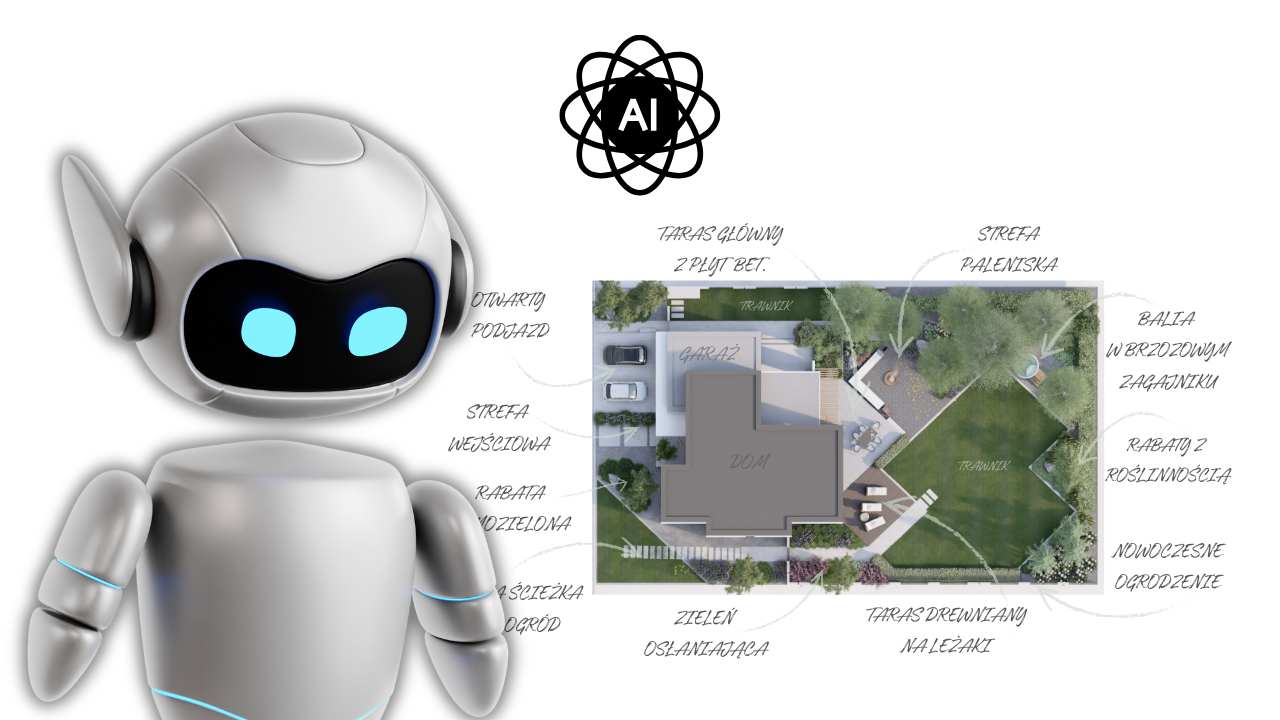
How Does Artificial Intelligence (AI) Work in Garden Design?
How does artificial intelligence (AI) work in landscape garden design? LLMs, or Large Language Models, are advanced algorithms that analyze huge amounts of text and learn the relationships between words. Based on this, they can predict what should appear in a response – creating coherent, human-like statements.
Artificial intelligence (AI), in this case based on LLMs, does not possess consciousness – it doesn't "understand" the world like a human. It operates based on data, language patterns, and statistics, merely imitating intelligence, but it does so very effectively.

Although AI doesn't think like a human, thanks to access to a vast amount of gardening knowledge, it excels at many tasks, such as:
- Collecting, analyzing, and synthesizing information about garden design user needs
- Generating ideas for zone layouts and garden beds arrangements
- Creating preliminary concepts and project descriptions
- Selecting plants that match needs and guidelines
- Creating photorealistic 3D visualizations and garden graphics
- Explaining complex concepts related to garden establishment
Seeing how effectively AI supports design, it's worth asking the key question:
Can AI Design a Garden on Its Own?
Currently, no AI model or application can fully design a home garden independently – a human is still needed to guide the process and give it direction. It's the user who, using the tool:
- Defines project goals
- Interprets data received from the AI model
- Makes design decisions

Skillful use of AI significantly speeds up and streamlines the work of a landscape architecture firm – especially when the entire process is divided into clear, specific stages. In this approach, the human becomes an "AI agent" – combining data, controlling its quality, and managing the entire project, using the potential of artificial intelligence as support, not a replacement.
AI Agent - a person or system that consciously manages the operation of artificial intelligence – asks questions, evaluates answers, connects data, and directs the entire process.
How AI Garden Design Works – Step by Step

Artificial intelligence is another tool, just like garden design software that supports the designer at every stage. Importantly, even a person without gardening experience can use AI to go through the entire garden arrangement process in a logical and orderly manner. Here are some functions that will help you work on your garden:
- Planning the process and obtaining information - Even a layperson can start a conversation with AI, which will help them go through the entire garden planning process step by step – from idea to finished plan – by asking appropriate questions and analyzing input data.
- Creating a stylistic concept - Language models, such as ChatGPT, can suggest a garden style (e.g., modern garden ideas, naturalistic, Japanese) and describe key compositional elements, materials, and color schemes
- Inspirations and photorealistic 3D visualizations - AI can generate a set of inspirations – plant proposals, details, and layouts – that will help create a cohesive inspiration board for further conceptual work.
- Functional space layout - AI tools help divide the plot into functional zones – e.g., recreational, utilitarian, decorative, or vegetable – according to household preferences and spatial conditions. This process connects well with garden zoning principles.
- Selecting plants for habitat and functional requirements - AI can select appropriate plant species and varieties based on local conditions: soil type, sunlight, humidity, and frost resistance zone. It can also select plants according to guidelines regarding their appearance, size, and growth rate.
- Help in calculating costs and materials - Based on design assumptions, AI can estimate the amount of materials needed (e.g., plants, substrate, hardscape elements) and prepare a preliminary landscape design cost estimate. You can also use tools like mulch calculator or soil calculator for precise measurements.
- Quick visualizations based on photos - Thanks to generative AI graphic tools, it can create preliminary garden visualizations based on plot photos and general design guidelines.
- Planning a work schedule - Finally, AI can help arrange a detailed action schedule – from preparing the terrain, through implementing individual stages, to seasonal garden maintenance.
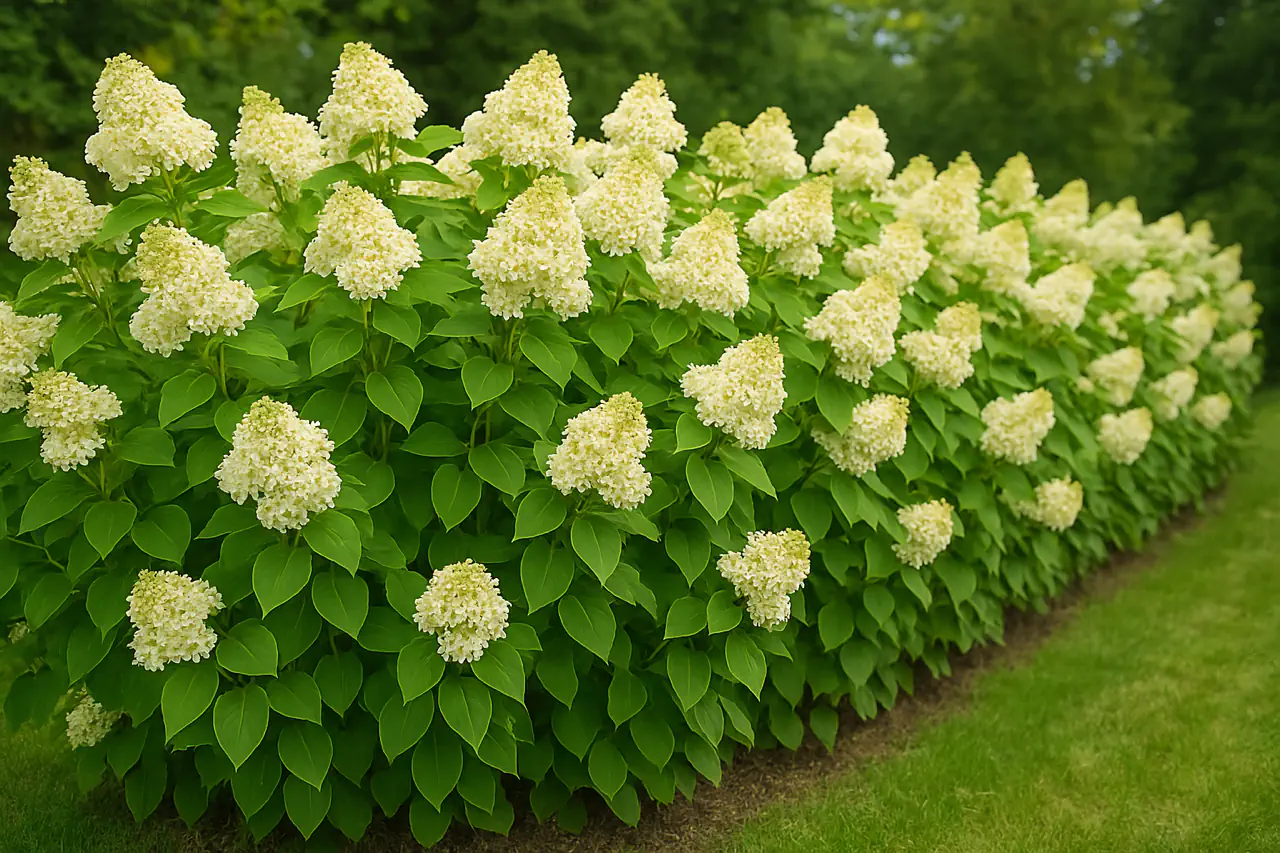
Design a Garden with AI – How to Write an Effective Prompt?
Writing effective prompts is a fundamental skill when designing a garden with AI. What you enter directly affects the quality of the response – the better you describe what you need, the more accurate and useful results you'll get. Conversation with AI is like working with an assistant (and sometimes like a life-or-death struggle) – it needs clear guidance, context, and purpose to avoid errors in garden planning.

How to write effective prompts? Here are the key principles:
- Role (Who should the AI be?) - Define from what perspective the AI should respond: Example: "You are an experienced landscape architecture company specialist focusing on modern home gardens."
- Task (What should it do?) - Specify exactly what you expect. Example: "Help me create a garden design of 400 m² with a terrace, shady relaxation area, and minimal lawn."
- Context (For whom? Under what conditions?) - Add background and design constraints. Example: "The garden is located in central Poland, the plot is well-lit, the owners want a low-maintenance arrangement that matches the modern shape of the house."
- Process (How should the AI work?) - Break down the task into steps that the AI should perform. "I am a complete novice, guide me through the entire process step by step, Ask me questions that will allow you to better understand my needs"
- Guidelines (What should it pay attention to?) - Set rules that will help tailor the response to your standards: Consider plant drought resistance, Use plant names in English and Latin, Maintain stylistic consistency, Don't suggest solutions that are too difficult to maintain.
Example comparison of weak and good instructions:
👎 Weak prompt for AI designing a garden
Weak prompt: "Design a garden." → AI will generate a generic, not very useful response.
👍 Good prompt for AI designing a garden
Role: You are an experienced landscape architect specializing in modern home gardens. Your goal is to help create a functional, aesthetic, and easy-to-maintain green space.
Task: Help me design a 400 m² garden with a large terrace, shaded relaxation area, and minimal lawn. I want the design to be clear, modern, and based on easy-to-maintain plants.
Context: The garden is located in central Poland, the plot is well-lit. The owners prefer a modern style and are looking for an arrangement that will be consistent with the simple, geometric shape of the house. The garden should be drought-resistant and not require too much work.
Process: I am a complete novice, so guide me through the entire design process step by step. Ask questions that will help you better understand my needs. Based on this, suggest:
- division of space into zones,
- list of recommended plants,
- visual concept,
- schedule of activities
Guidelines: Consider plant drought resistance, Use plant names in English and Latin, Ensure stylistic consistency with modern architecture, Avoid solutions that are difficult to maintain, Write clearly and concisely, as for a client without gardening experience.
AI for Garden Design - Prompt Conclusions
A good prompt is like a commission for a designer – the more precise, the better the result. A weak prompt makes AI guess what you want. A good prompt leads to a tailored, practical, and useful response.
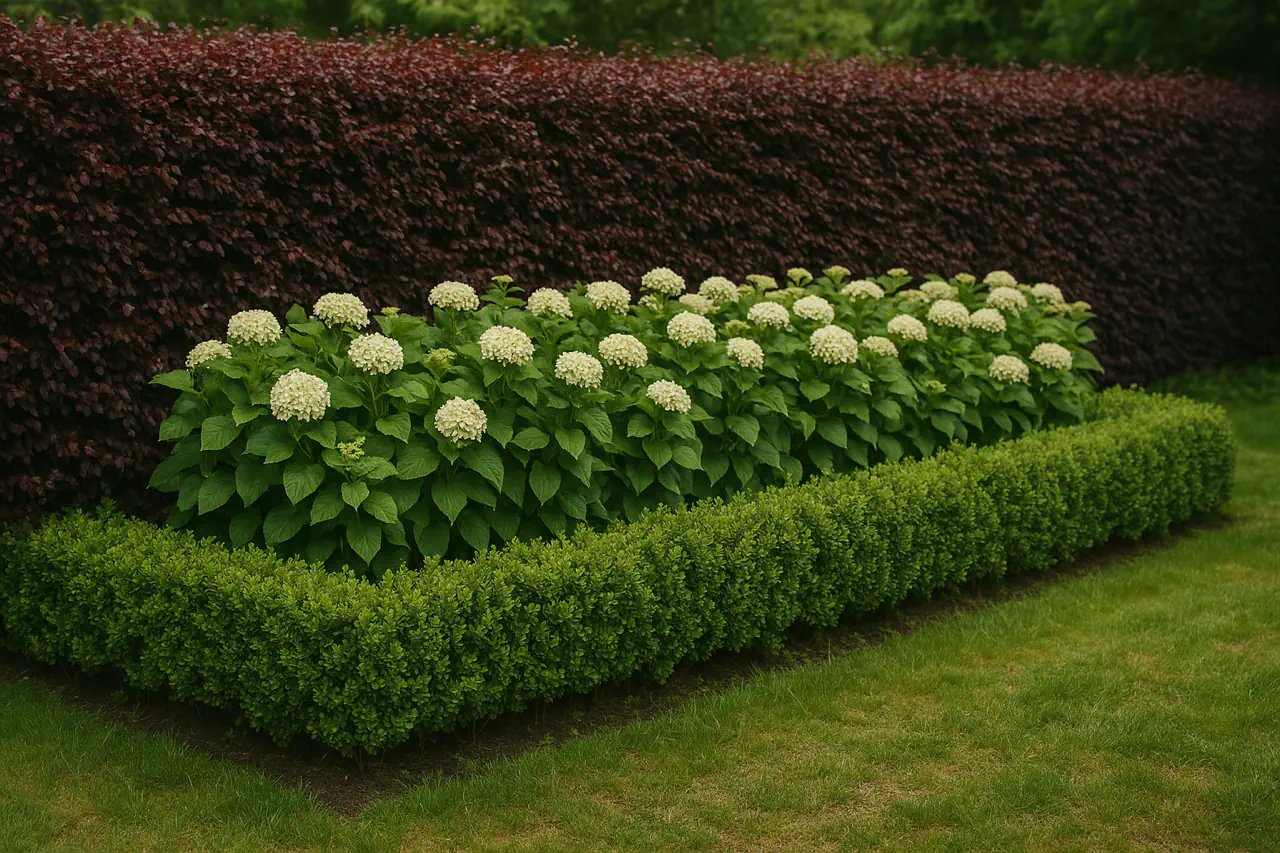
ChatGPT and Other Models – Which AI to Choose for Your Garden
Universal, multi-tasking AI models, such as ChatGPT, Grok, or Gemini, are advanced systems that can dynamically adapt to different tasks thanks to the work of many internal modules. In the context of garden design, they excel as versatile tools supporting conceptual thinking, data analysis, calculation, and text verification.
AI Programs for Garden Design – Tool Overview:

Each of the above models offers free use of basic functions and limited use of expanded functions for the free plan. To start using AI models:
- Click the link above.
- Register or log in using Google/FB/Apple/MS account
- Use free features or purchase the premium version.
All the mentioned models are among the most modern and advanced solutions available on the market. If you plan to use AI professionally, it's worth testing each of them to choose the one that best suits your work style. For occasional use — feel free to reach for any of them, each will handle typical design tasks.
What Possibilities Do AI Models Offer?
- Out-of-the-box thinking and brainstorming - They excel as creative assistants – generating new ideas, looking for unusual solutions, and supporting the user in the creative process.
- Access to knowledge contained on the internet - Built-in search mechanisms (e.g., Perplexity in Grok, Search-augmented Gemini) enable immediate access to current gardening data and trends.
- Creating visual concepts and 3D visualizations - Thanks to integration with image-generating models (e.g., DALL·E, Imagen, SynthID), they can support the creation of moodboards or even conceptual garden renders.
- Collecting and cataloging data (deep research) - They can analyze large amounts of content, organize information, compare sources, and draw key conclusions – which works well, for example, when selecting plants for specific conditions.
- Complex calculations - Built-in mathematical modules enable accurate calculations – from the amount of soil needed, to water usage calculator or project cost planning.
- Synthesizing information - They combine data from various sources into coherent, organized compilations, helping to quickly understand complex issues or make design decisions.
Such models do not replace a specialist but act as a super assistant – fast, precise, and capable of working on many levels simultaneously. That's why they work so well in complex processes, such as garden design.
How to Effectively Create an AI Garden Design?
1. Create an action plan – start with a precise prompt
Your first query should be specific and clearly state what you expect. Example prompt: "I want to design a modern 400 m² garden next to a single-family house, with a large terrace, shady place to rest, minimal lawn, and drought-resistant plants. Help me go step by step through the entire landscape design process."
2. Talk to AI until you get the effect you expect
Don't stop at the first answer. Ask supplementary questions, refine needs, test alternatives. AI works best in dialogue – treat it like a conversational partner who helps refine the project step by step.
3. Act step by step - Go through all stages of design together with AI
Go through each stage of the project with the model, dividing it into smaller portions of knowledge and smaller tasks. Ask, test, modify – until you get a ready action plan.
Most Common Mistakes When Using AI for Garden Design
Although artificial intelligence can significantly improve garden design, its improper use often leads to disappointment or wrong decisions. It's worth knowing the most common pitfalls to consciously avoid them and use AI with full efficiency.

- Too general queries (prompts) – e.g., "design me a garden" without any context results in a superficial, not very useful response.
- Attempting to complete the entire project with one task – large commands lead to chaos and so-called hallucinations, or made-up data.
- Lack of information verification – AI can generate data that sounds credible but has no basis in facts or doesn't fit local conditions.
- Lack of user knowledge – a person without basic knowledge of gardening may not notice errors in AI responses.
- Complete reliance on AI without human involvement – the model does not replace experience, space assessment, and individual user needs.
AI is a powerful tool, but only when used consciously – as support, not a specialist replacement.
Transform Your Garden Vision Into Reality
AI garden design opens up incredible possibilities for creating beautiful, functional outdoor spaces. Whether you're planning a front yard landscaping project or designing a backyard fire pit area, AI tools can guide you through every step of the process. The technology helps you explore hedge plants options, plan climbing plants arrangements, and even design fence line landscaping solutions.
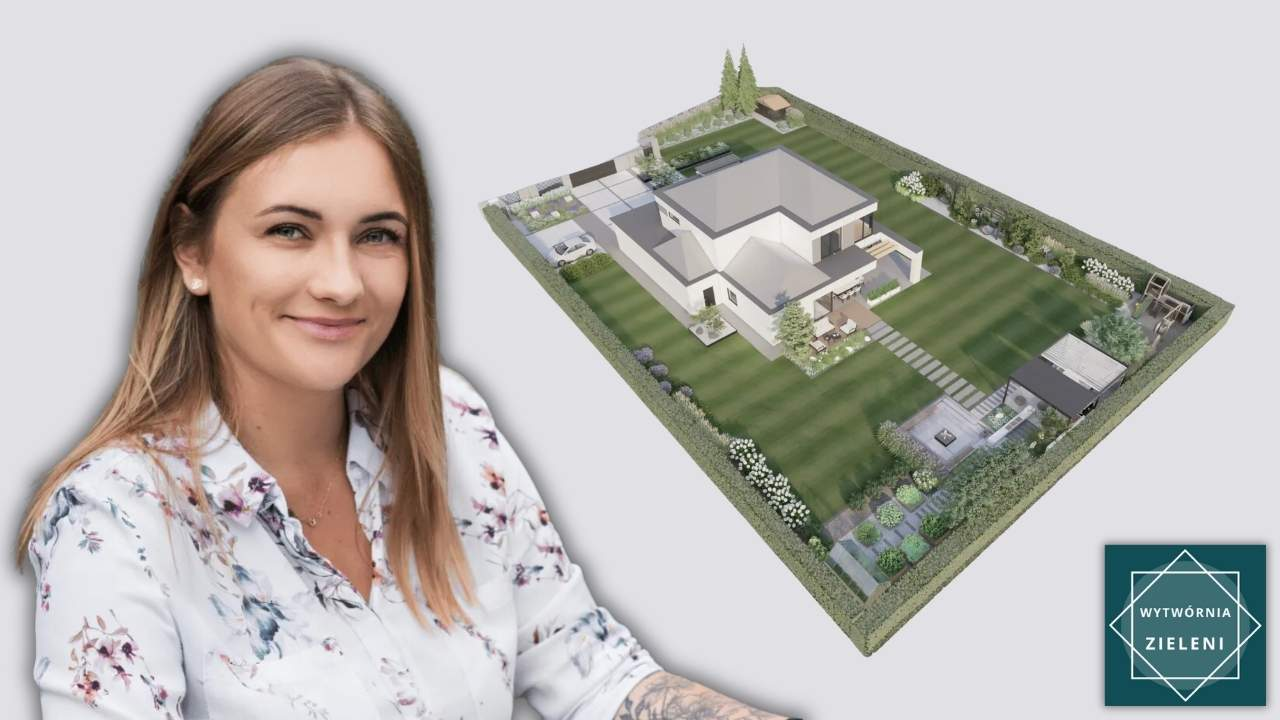
Ready to bring your vision to life? Professional guidance can help you avoid common garden design mistakes and ensure your AI-generated ideas translate perfectly into reality. Contact our expert team for a professional garden design consultation and discover how expert planning can bring your landscaping vision to life.
Summary: Is It Worth Designing a Garden with AI?
Artificial intelligence will not yet replace a garden designer, but it can already significantly speed up and streamline the entire process – from conception, through plant selection, to garden visualizations and cost estimation. The key is conscious use of AI:
- precise prompts and instructions for the AI model
- step-by-step action
- continuous interaction with the model
- awareness of the possibilities and weaknesses of AI garden design
With this tool, even a person without gardening experience can create a well-thought-out, tailored project – with AI as support, not a replacement. Design your AI garden today!
FAQ: AI in Garden Design – Frequently Asked Questions
Will the profession of landscape architect be replaced by AI?
Yes and no. Currently, AI is just a tool in the hands of a designer or amateur. In the future, however, advanced AI models or AI agents will most likely be created that will create a garden design from start to finish, based on input data, inspirations, and knowledge base of "hundreds of thousands of designers." However, nothing will replace direct contact with a human – a landscape architect who understands emotions, user needs, and can interpret space in a way that AI is not (yet) fully able to emulate.
Can AI design a garden?
Yes, artificial intelligence can design a garden, creating a preliminary functional layout, selecting plants, and generating garden visualizations. Although AI does not yet fully replace a designer, it excels as a tool supporting online garden design.
What free garden design program?
For free garden design, you can use programs such as Planner 5D, Garden Planner, or free ChatGPT functions that support creating AI garden concepts. Some of them also offer options for creating simple visualizations and spatial plans.
Is there an AI program for landscape design?
Yes, there are AI programs for landscape design, such as ChatGPT, DALL·E, Gemini, as well as more specialized applications using AI to create garden and green space designs. These tools support data analysis, plant selection, and concept creation.
How to create AI garden visualizations?
To create garden visualizations using AI, you can use image-generating tools such as DALL·E, Midjourney, or Stable Diffusion, combined with a garden description in the form of a prompt. The AI garden visualization is created based on a photo of the plot and design guidelines.
Are there free AI tools?
Yes, there are free AI tools that support garden design. Examples include the free version of ChatGPT, Bard (Gemini), and image generators such as Craiyon. Although features may be limited, they allow you to create online garden concepts and visualizations.
Which program to use for garden design?
You can design gardens in programs such as SketchUp, Garden Puzzle, Planner 5D, or with the help of AI for garden design, e.g., ChatGPT. The choice depends on the level of advancement and the need to create visualizations, cost estimates, and functional zone plans.
Can artificial intelligence design a garden for me?
Artificial intelligence can design a garden based on your guidelines, creating a spatial plan, plant selection, and visualizations. The AI garden project requires interaction with the user, but thanks to modern AI tools, the process is quick and effective.

Wojciech Kazimierowicz – Author of the Article
Co-owner of Wytwórnia Zieleni and an expert in garden design and landscaping with over 13 years of experience. He specializes in creating modern, functional green spaces tailored to the budget and needs of homeowners.

Find Out How Much Your Garden Design Will Cost!
Take a quick quiz and discover the estimated cost of a custom garden design tailored to your needs. No strings attached – it takes just 2 minutes!


Wytwórnia Zieleni | Garden Design
KRS 0001107384 NIP 6452587627 REGON 528715049 St. Strzelców Bytomskich 51/1 42-600 Tarnowskie Gory, Poland
Resources
© Wytwórnia Zieleni 2026


