When to plant garden: Complete planting guide for trees, shrubs and fl
Sadzenie roślin w ogrodzie wymaga dopasowania terminu i sposobu nasadzeń do rodzaju roślin oraz warunków glebowych. Prawidłowe planowanie pozwala uniknąć strat, ograniczyć stres roślin i zapewnić ich prawidłowy rozwój przez kolejne lata.
TL;DR
- Rośliny kopane z gruntu najlepiej sadzić wiosną lub jesienią w okresie spoczynku.
- Rośliny w pojemnikach można sadzić przez cały sezon, jeśli gleba nie jest zamarznięta.
- Byliny i trawniki najlepiej zakładać wiosną lub wczesną jesienią ze względu na wilgotność i temperaturę.
- Latem kluczowe jest regularne podlewanie, szczególnie przy nowych nasadzeniach.
- Dobry plan nasadzeń uwzględnia wymagania siedliskowe i docelowe rozmiary roślin.
Published
12 February 2026
Share this article


 Copied
TOC
- When to plant garden?
- Trees and shrubs – When to plant?
- Perennials and flowering plants – Plan for colorful garden beds
- Lawns and annual plants – Save for last
- Year-round flexibility – Benefits of container plants
- Professional garden planning considerations
- Transform your outdoor space with expert guidance
- Frequently asked questions
- What is the best time to plant trees and shrubs?
- Can I plant perennials in summer?
- How do I know if my soil is ready for planting?
- What's the difference between container and bare root plants?
- How often should I water newly planted trees?
- When should I plant annual flowers?
- Can I plant in fall if I have automatic irrigation?
- How do I plan my garden planting schedule?
- What spacing should I use between plants?
- How do I care for plants after installation?
When to plant garden?
Before we begin planting, it's worth creating a general garden design concept. When planning garden areas with trees, shrubs, and flower beds, let's make sure we consider the requirements of individual plants. This way, the garden will develop harmoniously, and planting will proceed smoothly.
Trees and shrubs – When to plant?
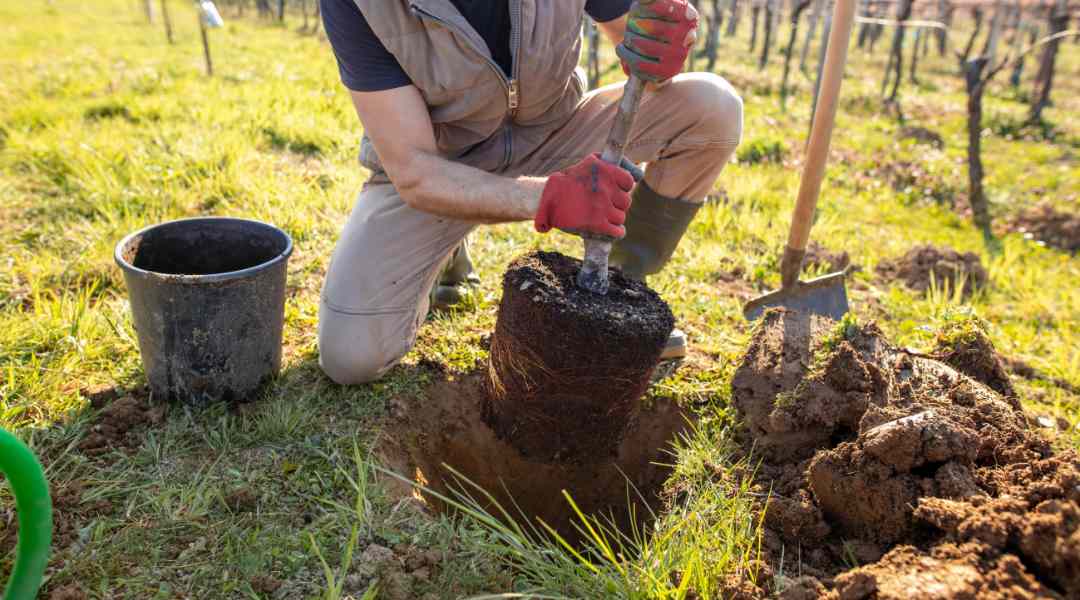
When it comes to trees and shrubs, their origin plays a crucial role in determining the best time to plant garden areas.
Bare root plants
Planting bare root plants is best done in spring or fall, when they are dormant and being dug from the ground. Early spring allows plants to establish roots quickly before summer heat arrives. Fall planting, on the other hand, benefits from cooler temperatures and moister soil, which minimizes plant stress.
Container grown plants
Plants grown in containers can be planted year-round, as long as the soil isn't frozen. This gives us greater flexibility in implementing our garden planting schedule. However, it's important to remember that during summer, plants require regular watering to offset the effects of higher temperatures.
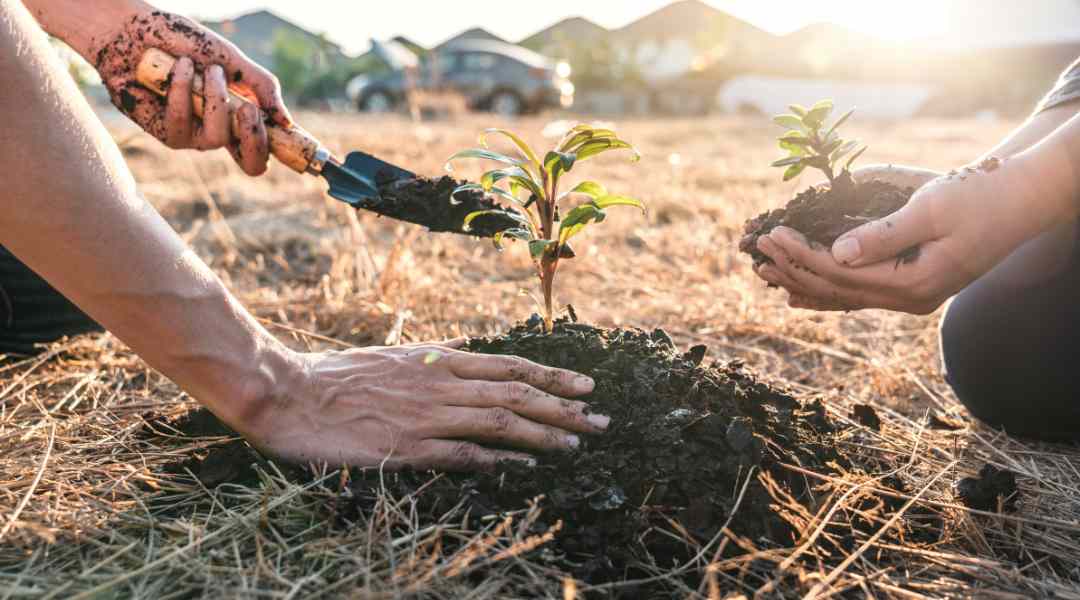
Of course, during spring and fall seasons, plants receive the most "free water" from precipitation. However, with automatic garden irrigation systems, we can successfully complete plantings throughout the entire growing season. Proper garden irrigation planning ensures optimal water distribution regardless of planting timing.
Perennials and flowering plants – Plan for colorful garden beds
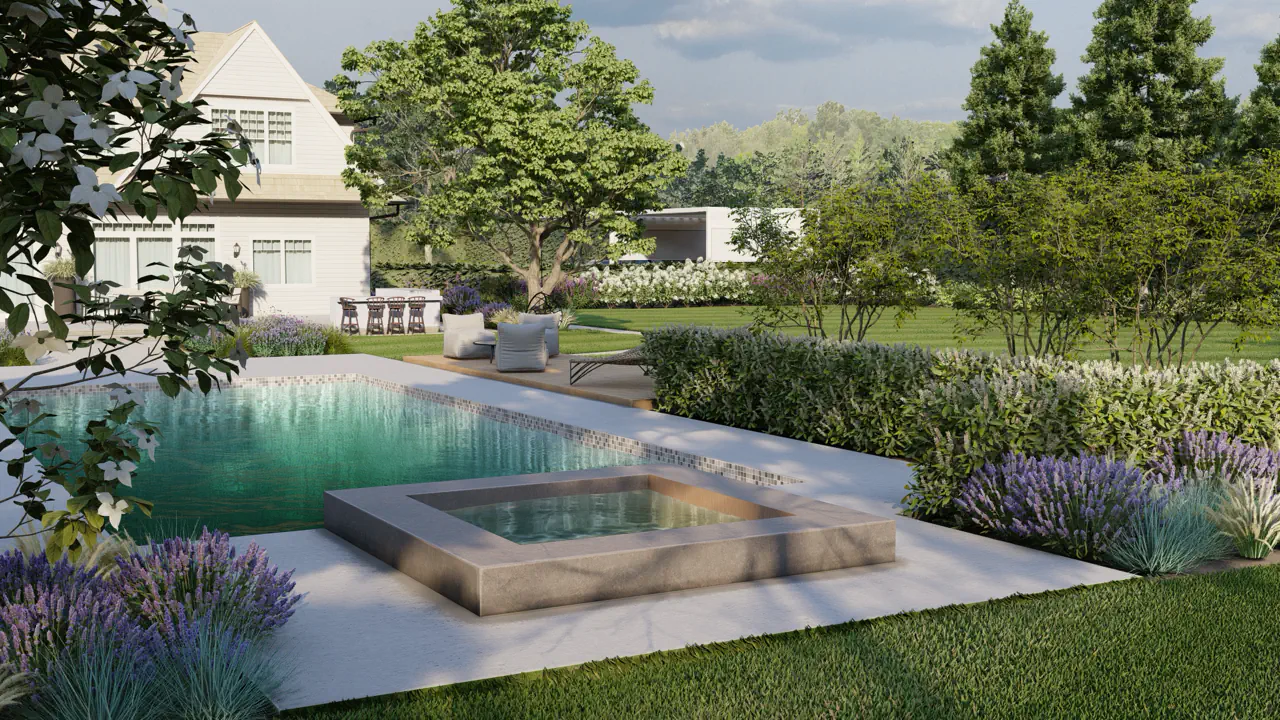
Just like with trees, perennials dug from the ground should be planted in spring or fall. If we choose container plants, we can create beautiful flower beds at any time of year. Perennial plants such as lavender or coneflower are worth including in your garden design, as they're permanent and look beautiful for many years.
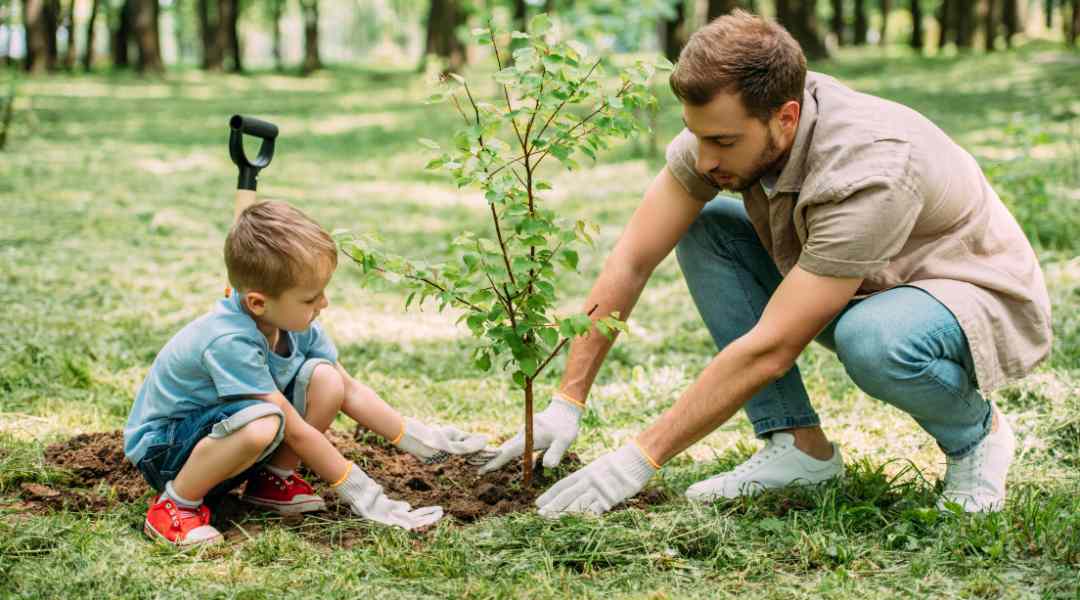
Following a proper perennial planting guide ensures long-term success and reduces maintenance requirements. These plants form the backbone of sustainable garden design.
Lawns and annual plants – Save for last
Lawn establishment is best done in spring or early fall. Grass seeding during these periods guarantees rapid growth. Proper soil preparation is essential before seeding, and you can calculate the exact amount needed with our soil calculator. Annual plants, such as seasonal flowers, should be planted in May when the risk of frost has passed.
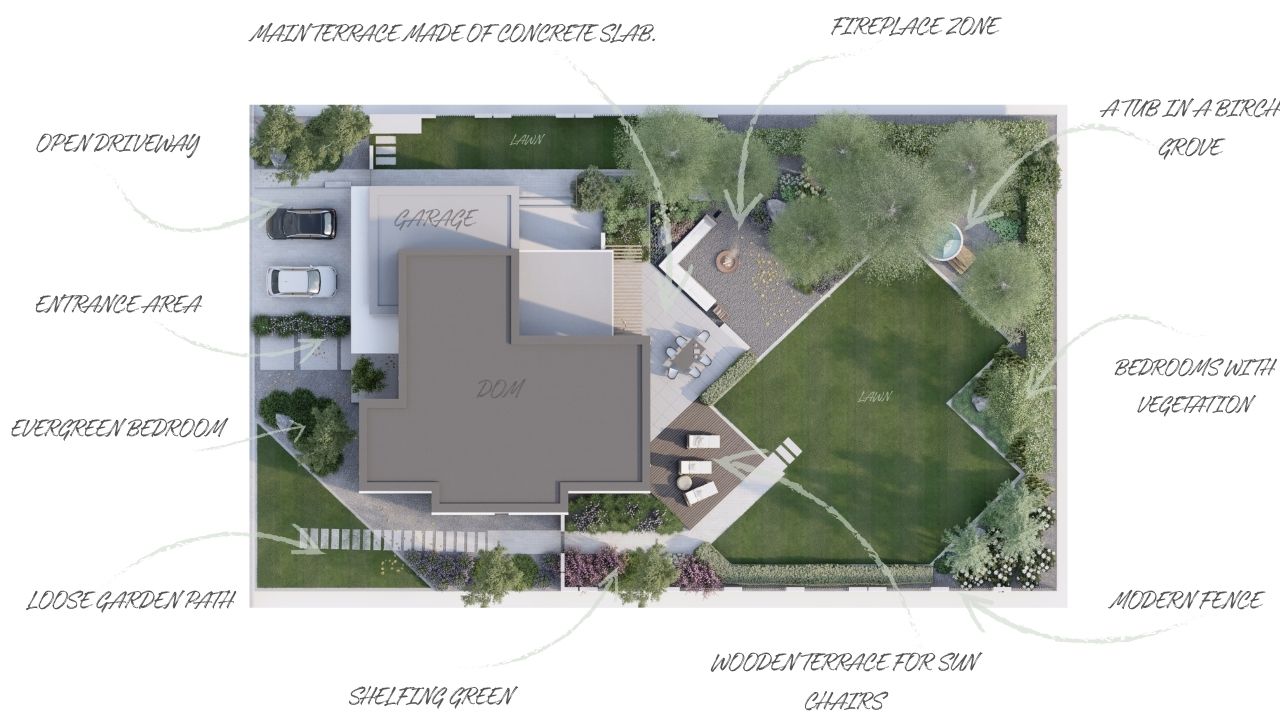
When planning lawn seeding time, consider soil temperature and moisture conditions. Cool-season grasses thrive when soil temperatures are between 50-65°F (10-18°C), while warm-season varieties prefer 65-70°F (18-21°C).
Year-round flexibility – Benefits of container plants
Container planting allows you to supplement your garden throughout the year. This is an excellent solution for people who want to make changes to their garden in stages or value the freedom of planning. However, it's important to remember that even container plants need proper care after planting – regular watering and mulching.
Container grown plants offer several advantages:
- Established root systems reduce transplant shock
- Immediate visual impact in landscape design
- Flexibility to adjust plant placement before final installation
- Extended planting season beyond traditional dormant periods
For budget planning, use our water usage calculator to estimate ongoing irrigation costs for your new plantings.
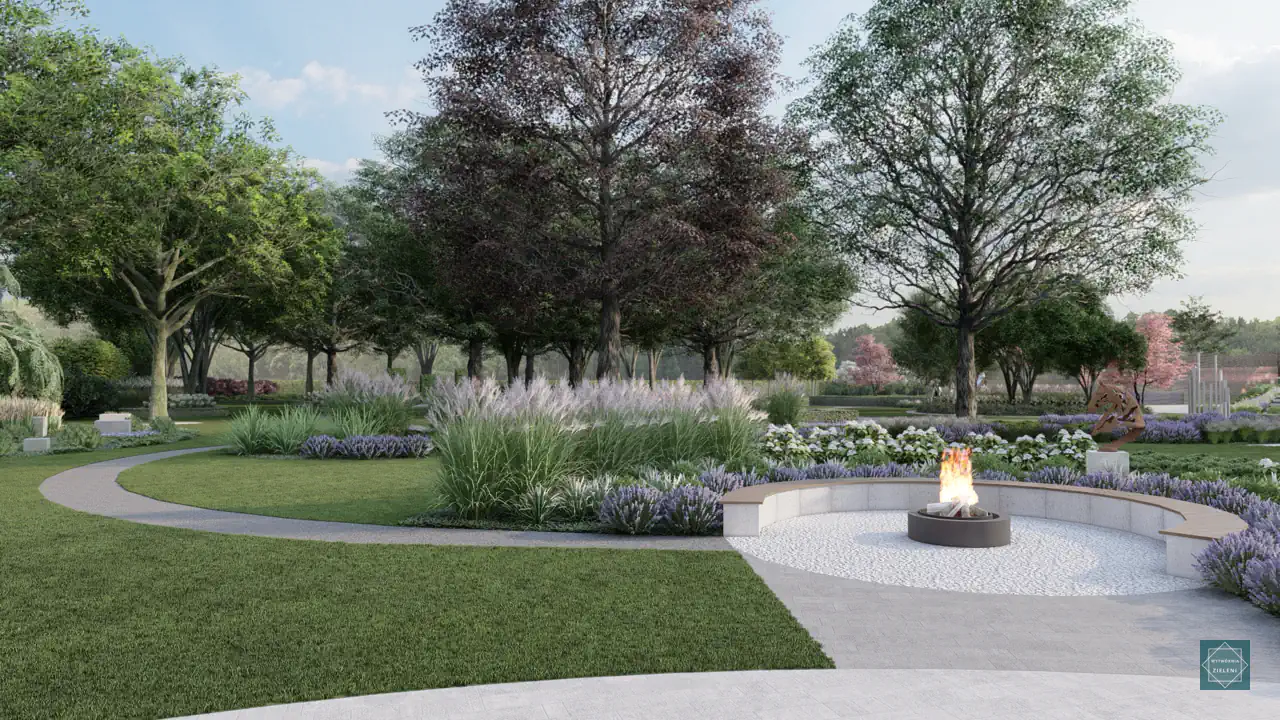
Professional garden planning considerations
When developing your garden planting schedule, consider these professional landscaping factors:
- Soil preparation timing: Prepare planting areas 2-3 weeks before installation to allow soil to settle. This is particularly important for spring garden planting when soil may be waterlogged from winter precipitation.
- Plant establishment care: Newly planted specimens require consistent moisture for the first growing season. Even drought-tolerant plants need regular watering until their root systems expand into surrounding soil.
- Seasonal plant spacing: Account for mature plant sizes when designing garden beds. Proper spacing prevents overcrowding and reduces competition for water and nutrients.
- Integration with garden systems: Coordinate planting with irrigation installation and garden design planting schemes. This ensures efficient water distribution and cohesive landscape aesthetics.
For comprehensive planning, consider our landscape design services which include detailed planting schedules. Use our garden cost calculator to budget for your entire project, or explore our professional landscape architecture approach for complex installations. For a step-by-step overview, review our complete garden planning process.
Transform your outdoor space with expert guidance
Creating a thriving garden requires more than just knowing when to plant – it demands understanding how different elements work together to create a cohesive landscape.

Whether you're establishing new garden beds or renovating existing plantings, professional guidance can help you avoid common mistakes and achieve stunning results. Contact us for a professional garden design consultation and discover how expert planning can bring your landscaping vision to life.
Frequently asked questions
What is the best time to plant trees and shrubs?
The best time to plant garden trees and shrubs depends on whether they're bare root or container grown. Bare root plants should be planted during dormant seasons (early spring or fall), while container plants can be planted year-round except when soil is frozen.
Can I plant perennials in summer?
Yes, you can plant container-grown perennials in summer, but they'll require more frequent watering and care. Spring and fall remain the optimal times for perennial planting guide implementation, as plants establish more easily in cooler, moister conditions.
How do I know if my soil is ready for planting?
Soil is ready when it crumbles in your hand rather than forming a muddy ball. For spring garden planting, wait until soil has dried sufficiently after winter thaws. Test by squeezing a handful – if water drips out, wait longer. Learn more about soil improvement techniques for optimal planting conditions.
What's the difference between container and bare root plants?
Container grown plants have established root systems and can be planted year-round, while bare root plants are dormant and must be planted during specific seasons. Container plants typically establish faster but cost more than bare root alternatives.
How often should I water newly planted trees?
Water newly planted trees deeply 2-3 times per week for the first month, then gradually reduce frequency. The goal is to keep soil consistently moist but not waterlogged. Garden irrigation systems can automate this process for better plant establishment care. For detailed guidance, check our irrigation installation guide.
When should I plant annual flowers?
Plant annual flowers after the last frost date in your area, typically in late May for most regions. These tender plants cannot survive freezing temperatures, so timing is crucial for successful garden bed planting.
Can I plant in fall if I have automatic irrigation?
Yes, fall planting combined with automatic irrigation systems provides excellent conditions for plant establishment. Cooler temperatures reduce water stress, while consistent moisture from irrigation ensures proper root development before winter.
How do I plan my garden planting schedule?
Create a seasonal planting calendar based on your local climate, plant types, and garden design goals. Start with structural elements like trees and shrubs, then add perennials and finally annuals. Consider bloom times and mature sizes when planning garden plant spacing. For professional assistance with budgeting, explore our garden design cost breakdown.
What spacing should I use between plants?
Plant spacing depends on mature plant size and desired effect. For quick coverage, space plants at 2/3 of their mature width. For long-term planning, use full mature width spacing. Proper spacing prevents overcrowding and reduces maintenance needs.
How do I care for plants after installation?
Provide consistent moisture for the first growing season, apply 2-3 inches (5-7.5 cm) of mulch around plants, and monitor for pest or disease issues. Avoid fertilizing newly planted specimens until they show signs of new growth, indicating successful establishment.
Wojciech Kazimierowicz – Author of the Article
Co-owner of Wytwórnia Zieleni and an expert in garden design and landscaping with over 13 years of experience. He specializes in creating modern, functional green spaces tailored to the budget and needs of homeowners.

Find Out How Much Your Garden Design Will Cost!
Take a quick quiz and discover the estimated cost of a custom garden design tailored to your needs. No strings attached – it takes just 2 minutes!


Wytwórnia Zieleni | Garden Design
KRS 0001107384 NIP 6452587627 REGON 528715049 St. Strzelców Bytomskich 51/1 42-600 Tarnowskie Gory, Poland
Resources
© Wytwórnia Zieleni 2026


