Why Lawn Irrigation Systems Are Essential for Your Garden
Nawadnianie trawnika jest kluczowe dla utrzymania gęstej, zielonej darni w warunkach nieregularnych opadów i coraz częstszych okresów suszy. Brak systematycznego podlewania prowadzi do przesuszeń, osłabienia trawy i utraty estetyki ogrodu, szczególnie latem.
TL;DR
- Nawadnianie trawnika zapewnia równomierny wzrost trawy i chroni ją przed przesuszeniem.
- Automatyczne systemy nawadniania pozwalają oszczędzać czas i precyzyjnie kontrolować zużycie wody.
- Wybór systemu nawadniania zależy od powierzchni trawnika, źródła wody i dostępnego budżetu.
- Ręczne podlewanie jest czasochłonne i trudne do utrzymania w dłuższej perspektywie.
- Dobrze zaprojektowane nawadnianie zwiększa trwałość trawnika i stabilność jego wyglądu przez cały sezon.
Published
19 May 2026
Share this article


 Copied
TOC
- Why lawn irrigation systems are essential?
- Types of lawn irrigation systems
- Automatic lawn irrigation
- Manual lawn watering
- How to choose the right automatic irrigation system - planning
- What water source for lawn watering?
- Automatic lawn irrigation for 1000 m² (approximately 10,800 sq ft) - what does it cost?
- Ready to transform your lawn with professional irrigation?
- Frequently asked questions
- How often should you water your lawn?
- Are automatic irrigation systems expensive?
- How much water does a lawn need?
- Can you install a lawn irrigation system yourself?
- How to avoid water waste during watering?
- Are drip lines suitable for lawn watering?
- Is it better to create an irrigation design yourself or buy a ready-made design?
- How to properly arrange sprinklers, valve boxes, and other components?
- Is it worth buying a ready-made system?
Why lawn irrigation systems are essential?
Lawn irrigation is a crucial element of garden maintenance that significantly impacts the appearance and health of your outdoor space. Unfortunately, in many climate conditions, rainfall is irregular, making it impossible to maintain a beautiful green lawn throughout much of the year (especially during summer months). Professional landscape design services can help you create a comprehensive watering strategy tailored to your specific garden needs.

A properly designed garden irrigation system allows you to maintain adequately moist soil, which promotes healthy grass and plant growth. Through regular watering, your lawn maintains its lush green color, and proper irrigation minimizes the risk of drought stress or overwatering plants. Understanding the fundamentals covered in our comprehensive garden irrigation systems guide will help you make informed decisions about your watering strategy.
Types of lawn irrigation systems
The choice of garden irrigation system depends mainly on the budget you're willing to allocate for your outdoor space. You can estimate potential expenses using our garden irrigation cost calculator to plan your investment effectively. The cost of lawn watering depends on factors including lawn size, shape, and water source. The most commonly used solutions include:
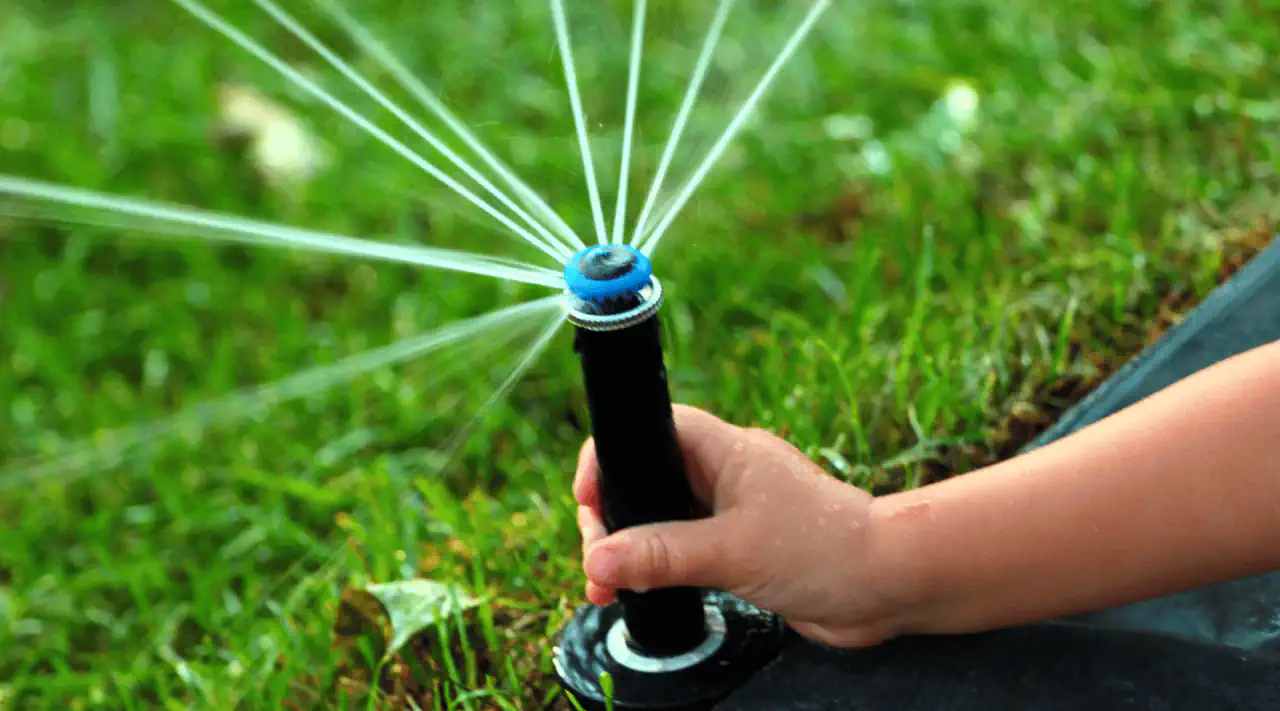
Static sprinklers
These are part of the garden irrigation system, ideally suited for uniform watering of both small and large areas. An example of the most popular static sprinkler is the MP Rotator by Hunter. In our opinion, this type of sprinkler is the best solution for residential gardens of various sizes.
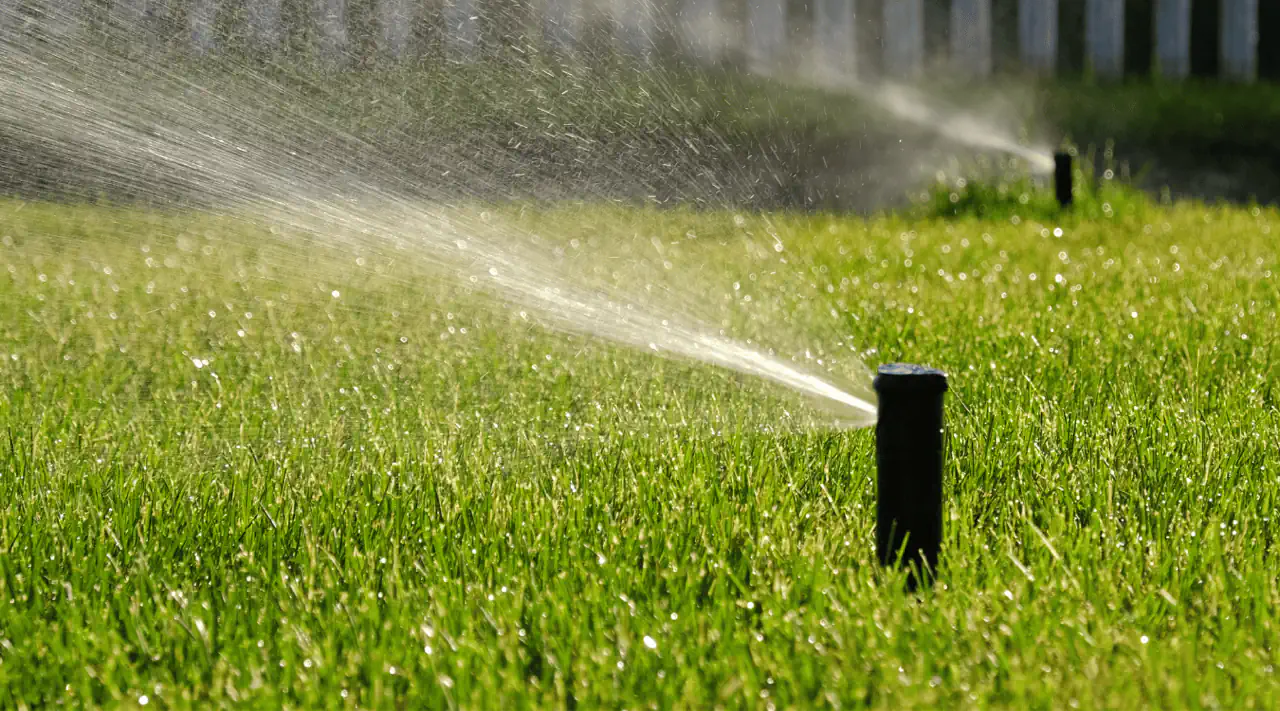
Rotary sprinklers
These operate on a different principle than static sprinklers. The sprinkler head rotates according to a set angle. They are less resistant to wind action, which can significantly reduce their range. This type of sprinkler can have much greater ranges, which is why they are often used on sports fields, golf courses, and large green areas.
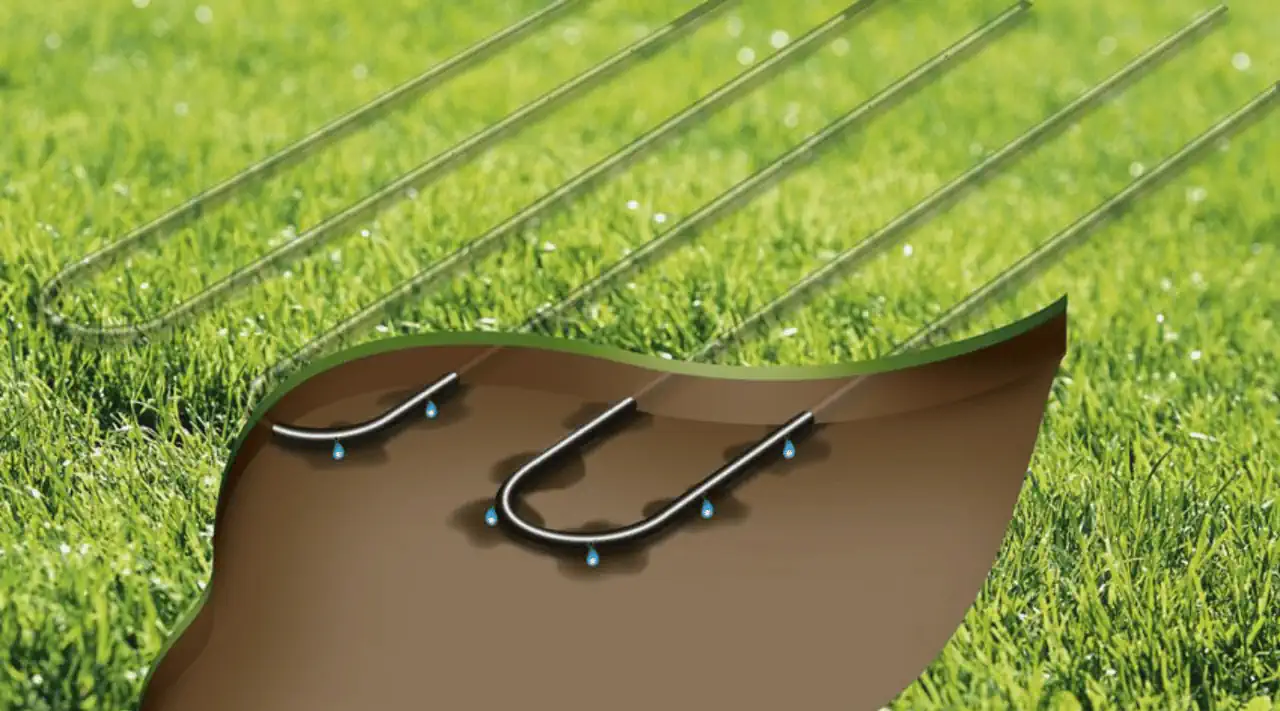
Underground drip lines beneath the lawn
This is a less popular solution in many regions. Drip irrigation system guide provides detailed information about this efficient watering method. Drip irrigation is mainly used for watering plants and garden beds. However, there are drip lines that can be buried underground without concern for their operation. This type of solution may be justified in specific cases where surface watering is not permitted, such as slopes, public spaces, or narrow grass strips.
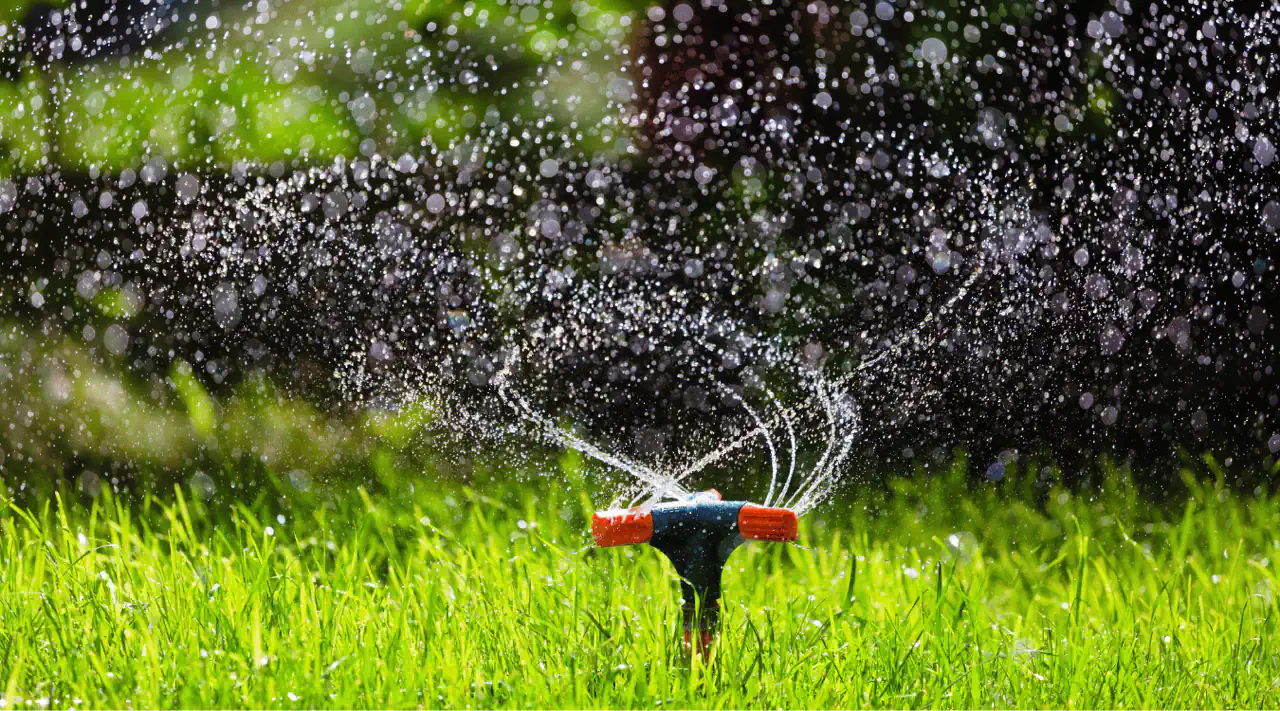
Portable garden sprinklers
Manual garden watering - an alternative to automatic garden watering systems are various types of sprinklers that can be moved around, but these are not automatic solutions and require significant time investment. These include oscillating sprinklers, rotating sprinklers, and irrigation hoses that serve for manual garden watering.
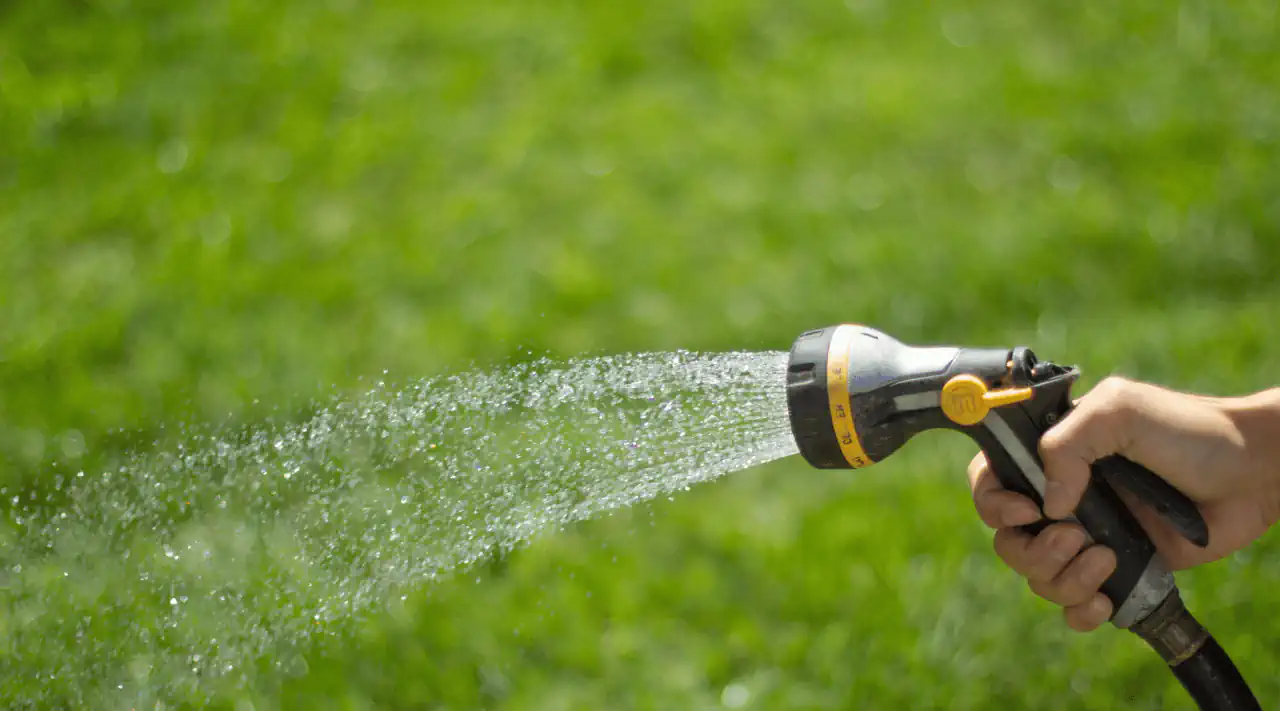
Manual lawn watering with hose
This method of lawn watering is the least cost-effective in terms of time, water usage, and watering accuracy. To water a lawn this way, you would need to spend several hours standing with a garden hose. We strongly advise against this watering method (it's better to invest in the cheapest portable sprinkler).
Automatic lawn irrigation
An automatic irrigation system is a convenient and eco-friendly solution that works well for all lawn sizes. To enjoy full automation, you need to create an automatic irrigation design following proper irrigation system design guide principles. This way, you can be sure it will function properly.
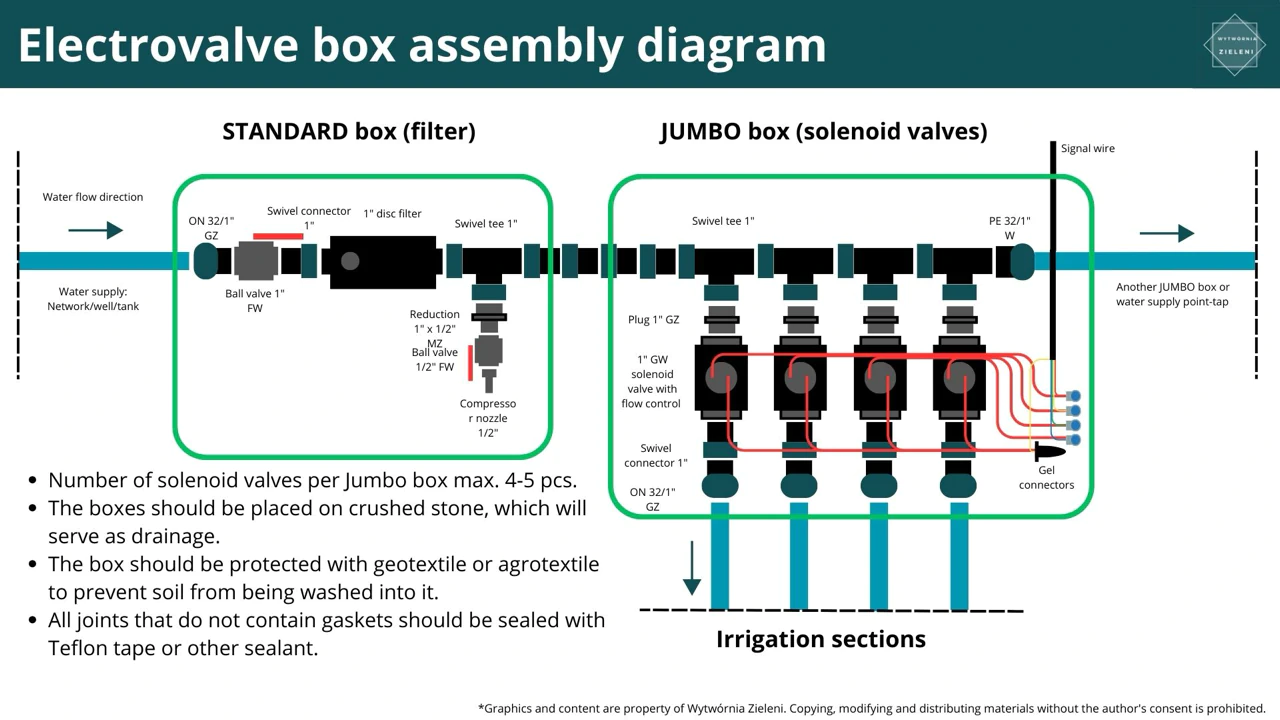
Installing a garden irrigation system can be accomplished by practically anyone with basic technical knowledge. Our detailed sprinkler system installation guide provides step-by-step instructions for DIY enthusiasts. However, it will be necessary to delve into the topic to understand all the nuances related to water source parameters, installation, and selecting appropriate power supply for the irrigation system. Understanding irrigation pipe diameter requirements is crucial for optimal system performance.

Thanks to components such as pop-up sprinklers, watering occurs evenly and efficiently. Pop-up irrigation systems on lawn surfaces allow for automatic adjustment of water amounts to weather conditions, saving time and resources.
Advantages:
- Time savings through watering automation
- Optimal water usage
- Beautiful-looking lawn throughout the year
Disadvantages:
- High cost associated with installing the irrigation system
Manual lawn watering
Although manual watering is the simplest method, it requires significant involvement. This solution is recommended mainly for people who don't have the budget to implement an automatic irrigation system.
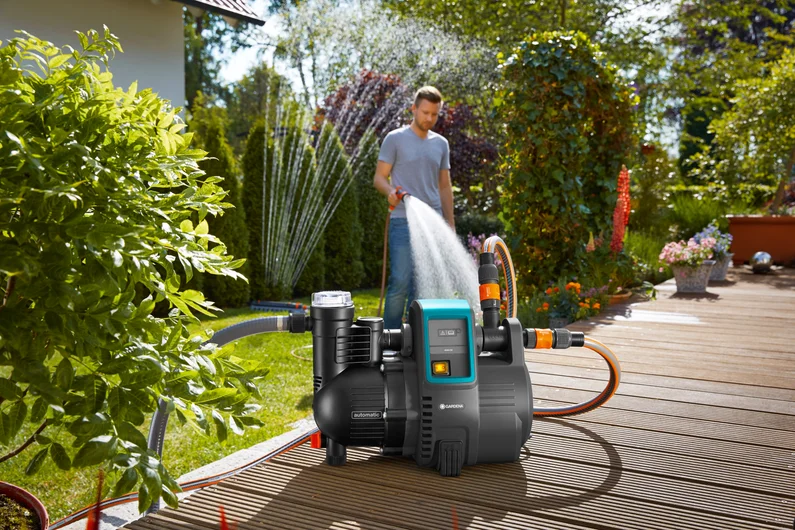
Unfortunately, manual garden watering has more disadvantages than advantages, as just 1-2 weeks of vacation can turn your beautiful lawn into a desert during your absence.
Advantages:
- Low initial cost
- Better than nothing :)
Disadvantages:
- Time-consuming
- Water waste
- Difficulty maintaining regularity
How to choose the right automatic irrigation system - planning
There are several options that will help you choose the appropriate solution:
- Create a design and install irrigation yourself
- Commission design creation to a company and install the system independently
- Commission comprehensive project implementation and irrigation installation to a company
It's important to have a clear vision or garden design that will allow you to plan irrigation and create a project. Following our comprehensive garden step by step approach ensures proper planning. Without this, it's impossible to create functional garden irrigation. Consider starting with our garden project planning guide to understand all requirements.
What water source for lawn watering?
There are many solutions when it comes to water sources for our lawn irrigation system. Proper garden water supply planning is essential for system success. The most popular options include:
- Municipal water supply
- Rainwater collection system
- Deep or shallow
- Pond/lake water sources
When planning your water source, consider installing a reliable garden water pump if needed, and ensure proper water pressure gauge testing for optimal system performance. Understanding your garden irrigation supply requirements will help you make the best choice.
Automatic lawn irrigation for 1000 m² (approximately 10,800 sq ft) - what does it cost?
The costs of automatic lawn irrigation depend on selected components such as pop-up sprinklers, drip lines, and controllers. Use our water usage calculator to estimate ongoing operational expenses. Typically, system costs range from $2-4 per square foot (higher amounts for smaller gardens). For a comprehensive budget assessment, try our garden cost calculator that considers all project elements including ground preparation requirements.
Ready to transform your lawn with professional irrigation?
A well-designed irrigation system is an investment that pays dividends in time savings, water conservation, and year-round lawn beauty. Whether you choose an automatic sprinkler system or start with a simple drip irrigation setup, proper planning ensures effective watering for years to come.

Modern modern garden design approaches often incorporate smart irrigation technologies for maximum efficiency. For detailed guidance, consult our garden design guide before making final decisions. Contact us for a professional garden design consultation and discover how expert planning can bring your landscaping vision to life.
Frequently asked questions
How often should you water your lawn?
Lawn watering depends on weather conditions. During dry periods, lawns should be watered every 2-3 days early in the morning to reduce water loss from evaporation. Regular watering ensures optimal lawn hydration, affecting its density and lush green color.
Are automatic irrigation systems expensive?
Installation costs for automatic irrigation systems, such as pop-up sprinklers or drip lines, can be initially high, but water and time savings mean the investment quickly pays for itself. Calculate your potential savings with our garden irrigation cost calculator to see the long-term benefits. By using Hunter controllers and moisture sensors, automatic irrigation systems minimize water usage and eliminate the need for manual watering.
How much water does a lawn need?
On average, lawns require 25-40 liters (6.6-10.6 gallons) of water per square meter (10.8 sq ft) weekly. This amount may vary depending on soil conditions, grass type, and weather conditions. Use our soil calculator to determine your soil's water retention capacity. Proper lawn hydration ensures healthy growth and prevents drought stress.
Can you install a lawn irrigation system yourself?
Yes, simpler irrigation systems for self-installation, such as portable sprinklers or drip lines, can be easily installed independently using basic tools. Our comprehensive sprinkler system installation guide provides detailed instructions for DIY projects. Ready-made irrigation kits contain all elements necessary for installation, characterized by ease of assembly and flexibility in adapting to different gardens.
How to avoid water waste during watering?
To reduce water waste, use soil moisture sensors and water early in the morning. Automatic irrigation systems with sensors and timers precisely adjust water amounts, allowing efficient lawn irrigation with minimal water usage.
Are drip lines suitable for lawn watering?
Yes, drip lines can be used as a discreet lawn irrigation system. Learn more about this efficient method in our detailed drip irrigation system guide. They are particularly suitable for irregularly shaped lawns, providing uniform and economical watering.
Is it better to create an irrigation design yourself or buy a ready-made design?
Creating an irrigation design yourself allows you to adapt the system to individual needs. On the other hand, a ready-made design contains detailed placement of components such as pop-up sprinklers, valve boxes, and drip lines, which can save time and ensure professional execution.
How to properly arrange sprinklers, valve boxes, and other components?
Component placement should be adapted to lawn shape and size. It's important to ensure uniform irrigation across the entire surface and consider the operating range of rotary and static sprinklers, as well as required water source parameters.
Is it worth buying a ready-made system?
Yes, a ready-made automatic irrigation system contains all elements necessary for effective watering, including Hunter controllers, fittings, and pop-up sprinklers. Such a system ensures time savings and guarantees proper system operation.

Wojciech Kazimierowicz – Author of the Article
Co-owner of Wytwórnia Zieleni and an expert in garden design and landscaping with over 13 years of experience. He specializes in creating modern, functional green spaces tailored to the budget and needs of homeowners.

Find Out How Much Your Garden Design Will Cost!
Take a quick quiz and discover the estimated cost of a custom garden design tailored to your needs. No strings attached – it takes just 2 minutes!


Wytwórnia Zieleni | Garden Design
KRS 0001107384 NIP 6452587627 REGON 528715049 St. Strzelców Bytomskich 51/1 42-600 Tarnowskie Gory, Poland
Resources
© Wytwórnia Zieleni 2026


